
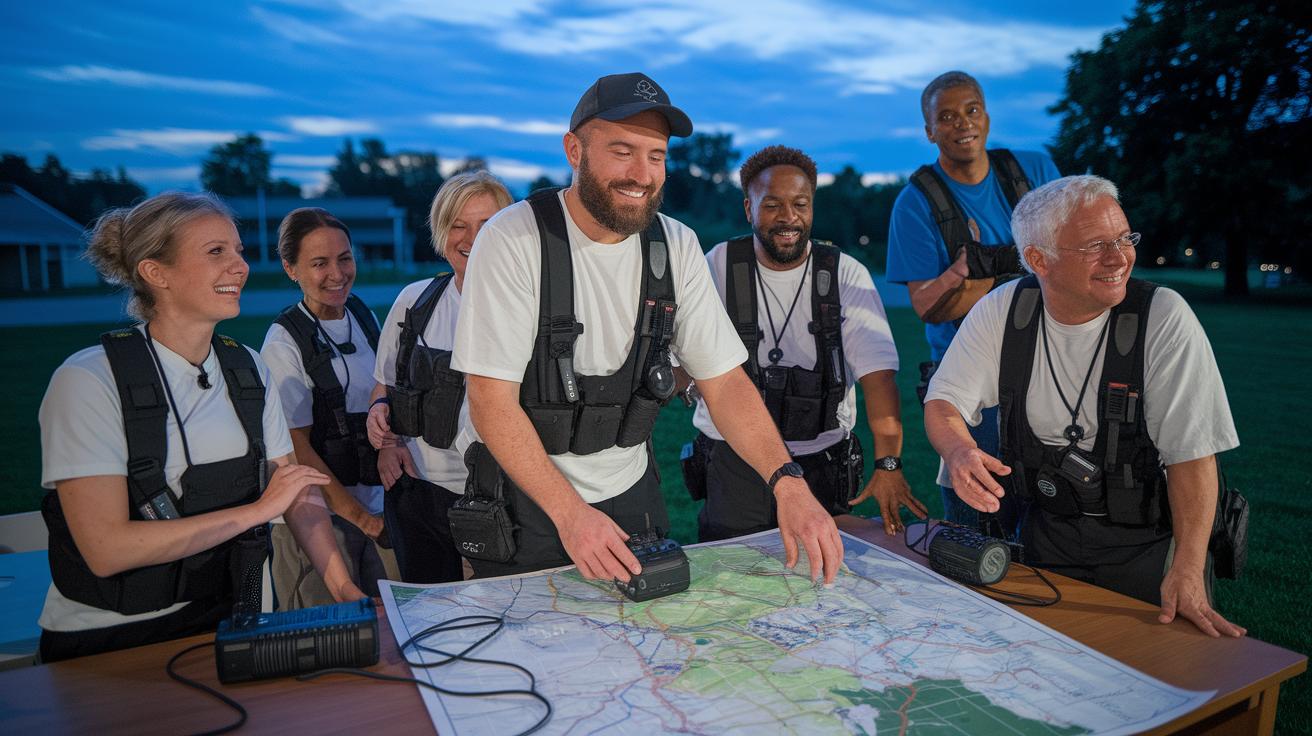

Ever thought you could be the lifeline in a crisis? You might be the spark that saves a life when disaster strikes. CERT, which stands for Community Emergency Response Team, trains everyday people to stay calm and act confidently when emergencies happen. Born from past tragedies and proven in real events like those in Pasadena, CERT helps build stronger communities. With the right training, you can make a crucial difference when every second matters.
community emergency response team: Inspiring Spirit
A community emergency response team, or CERT, is a group of volunteers trained to help during disasters until professional responders arrive. This program is part of FEMA’s Citizen Corps. It began after the 9/11 events and started in Pasadena in 1993. Early CERT volunteers were among the first to help before full emergency services set up.
CERT training focuses on five main areas:
| Module | Description |
|---|---|
| Disaster Preparedness | Plans and actions to be ready for a crisis. |
| Fire Safety | Steps to prevent and respond to fires. |
| Disaster Medical Operations | Basic first aid and care in emergencies. |
| Light Search and Rescue | Simple rescue actions in urgent situations. |
| Team Organization | How to work together as a team. |
During hands-on sessions, volunteers learn to secure the scene, give basic medical help (like treating minor injuries), and perform safe, light rescue efforts. This training builds confidence and makes sure volunteers can help manage chaos until professionals arrive.
CERT teams work closely with local emergency services. They follow the same incident command systems as professional responders. This partnership helps reduce response times and makes communities safer. With better preparedness and faster local support, CERT inspires a strong spirit of community resilience.
Key Roles and Responsibilities of Community Emergency Response Team Volunteers
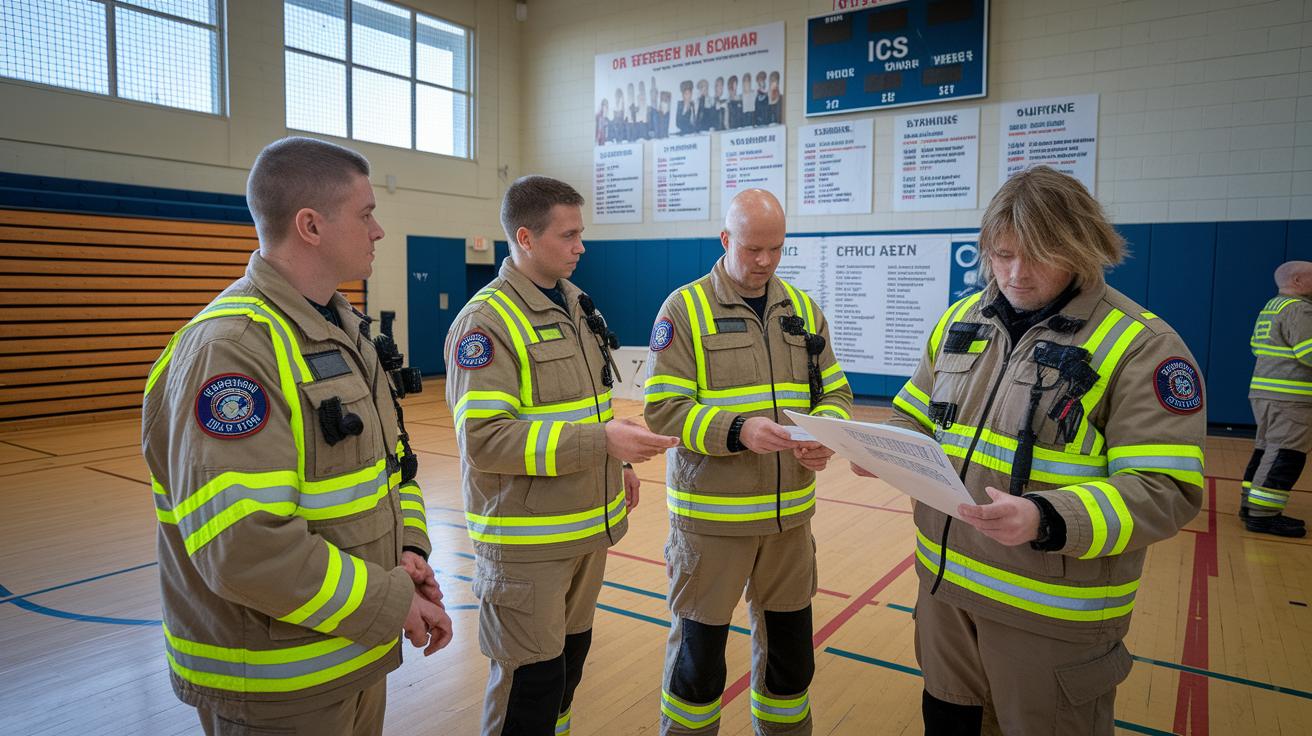
Community emergency response team volunteers follow a clear structure called the Incident Command System (ICS) to keep things organized during an emergency. This system makes sure everyone knows their part so that even in high-stress moments, the team works smoothly.
Key roles include:
- Team Leader: You assess the situation quickly and guide the overall effort.
- Safety Officer: You watch out for extra hazards and keep the scene safe.
- Medical Unit Leader: You handle first aid and perform quick medical triage (a fast check that sorts patients by how urgent their care is).
- Fire Suppression Team: You work to contain and control fires.
- Search & Rescue Team: You find and help people who may be in danger.
Each role has a clear job to do. The Team Leader makes quick decisions to keep the work moving. The Safety Officer keeps monitoring the area to prevent further risks. The Medical Unit Leader attends to injuries right away. The Fire Suppression Team tries to stop fires before they become bigger problems. And the Search & Rescue Team makes sure that anyone at risk is found and assisted quickly. When everyone understands their role, the team can act fast to help the community during a crisis.
Community Emergency Response Team Training and Certification Requirements
Quick take: In just 24 hours, you gain the hands-on skills you need to help your community in real emergencies.
CERT Basic Training mixes classroom lessons with practical drills so you can learn by doing. You take part in lectures, hands-on exercises, and a full-scale simulation that puts your new skills to the test in a realistic setting.
The course covers five main subjects:
- Disaster Preparedness
- Fire Safety and Utility Control
- Disaster Medical Operations
- Light Search and Rescue
- Team Organization and Incident Command System
After you finish the course, you must pass a final exam or complete a drill that shows you’re ready for real emergencies. Local agencies then award you official CERT certification if you meet the required standards.
To keep your skills sharp and ensure your team stays ready, practice with refresher drills every year or every two years.
How to Join a Community Emergency Response Team and Volunteer Opportunities
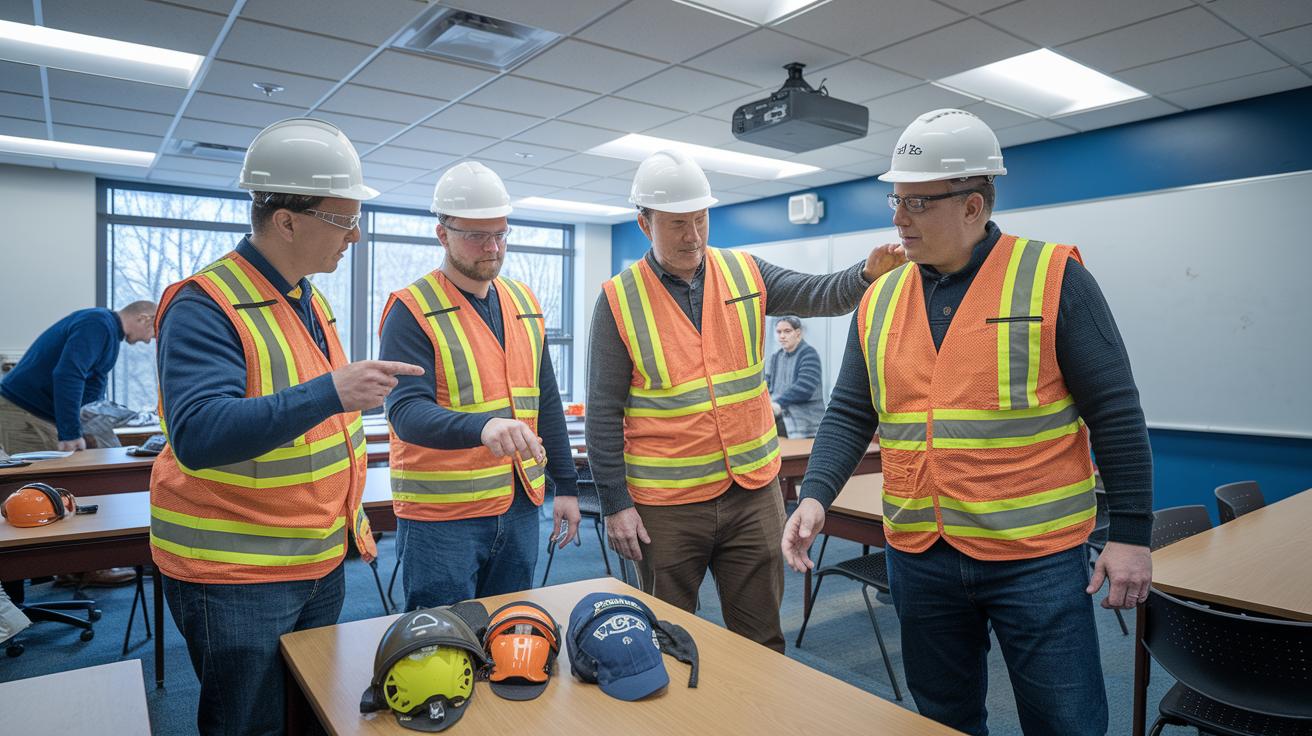
If you want to help your community during emergencies, you can join a community emergency response team. First, you must be 18 or older, able to attend training sessions, and committed to community safety. In your first orientation, you learn what CERT is, why being prepared matters, and what your role will be in an emergency.
Next, sign up through your local emergency management office or Citizen Corps Council. You will complete a background check (a routine review to build a trusted network) and enroll in the CERT Basic Training course. This clear and simple process makes sure every volunteer is ready to learn and work safely.
Once you are certified, you can help at community events, lead public safety talks, or join drills to keep your skills sharp. You might also support local projects that reduce hazards like fires and floods. Many CERT volunteers began with one orientation session and soon found themselves making a real difference in local emergencies.
Emergency Preparedness Tips and Essential Gear Checklist for Community Emergency Response Teams
Quick take: A complete kit can save time and lives.
When an emergency strikes, having a good kit ready means you and your team can act fast. Your personal kit should include these essential items:
- Helmet for head protection
- Protective goggles (safety glasses) to shield your eyes
- N95 face mask to filter harmful air particles
- Work gloves to protect your hands
- First aid kit for basic medical care
- Flashlight with spare batteries for clear visibility
- Portable radio to receive important updates
- Sturdy boots for reliable footing
Regularly check your kit every few months. Replace items that are expired or worn out, and update your family communication plan. This will help you act quickly when every second counts.
Case Studies of Successful Community Emergency Response Team Deployments
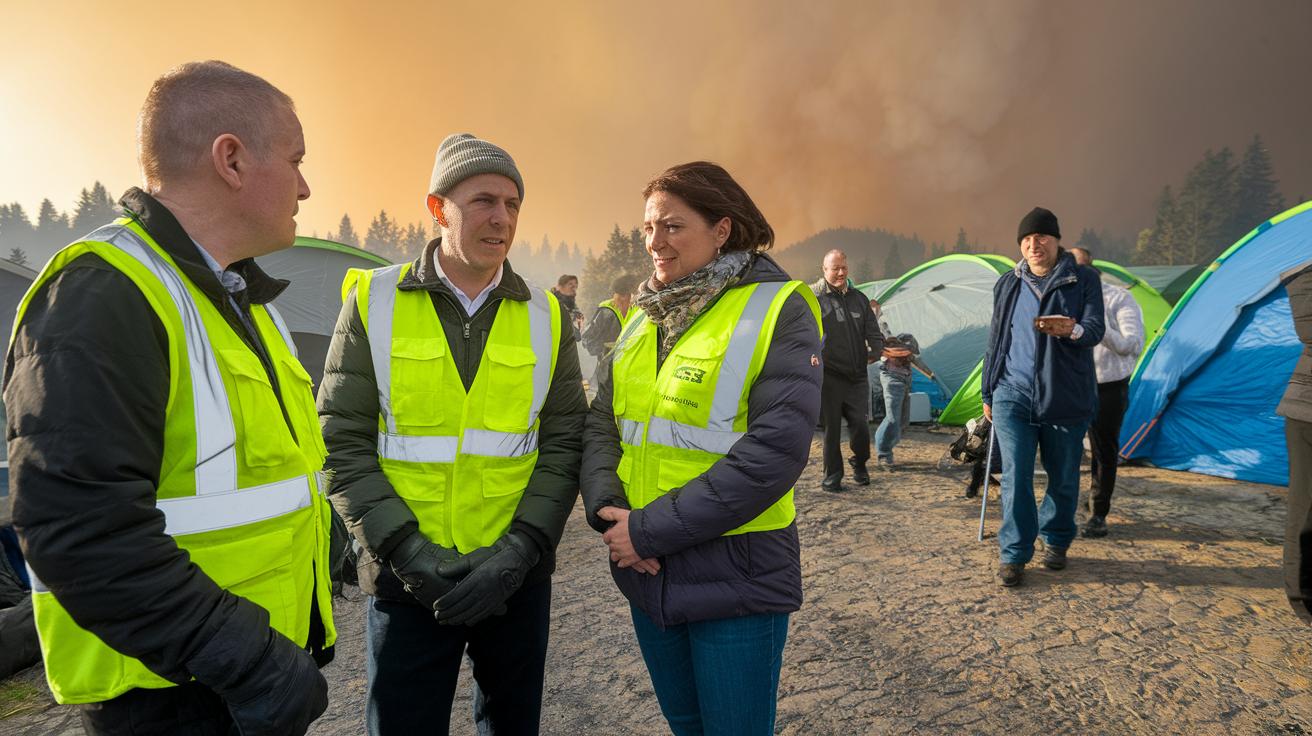
When emergencies strike, a fast and organized response can save lives. CERT volunteers use a simple training plan called the Incident Command System to help keep people safe. Their careful planning and teamwork can reduce the harm caused by disasters.
California Wildfires Deployment
In the 2018 California wildfires, CERT volunteers made a big difference. They managed evacuation centers, treated over 50 minor injuries, and staffed information booths. They quickly set up shelters, guided people to safe spots, and shared important safety tips. This fast action let local emergency teams focus on the most urgent needs and kept the community safe.
Hurricane Harvey Support
In 2017 during Hurricane Harvey, CERT teams checked on over 500 homes. They also set up sandbag operations that cut flood damage by 20%. By handling immediate risks and offering quick support, the teams built strong ties with residents and boosted community resilience. Their work shows how well-prepared volunteers can lessen harm and help the community recover in tough times.
Final Words
In the action, this article explained how a community emergency response team began under FEMA’s Citizen Corps and outlined its five training modules. It highlighted volunteer roles, the structure of emergency response, and detailed steps to join as a local volunteer initiative. The post also shared practical emergency gear tips and real examples from past deployments. Every section shows the power of getting prepared and being part of a supportive network. Stay ready, stay informed, and take heart in building a stronger community emergency response team.
FAQ
Community Emergency Response Team near ME?
The Community Emergency Response Team near you is a local volunteer group trained to support emergency response efforts. They work with local authorities to help manage disasters until professional responders arrive.
Community Emergency Response Teams are examples of?
The Community Emergency Response Teams are examples of volunteer emergency initiatives formed under FEMA’s Citizen Corps. They train community members to assist with disaster readiness and initial response support.
Community Emergency Response Team gear?
The CERT gear consists of essential safety items like helmets, protective goggles, first aid kits, and work gloves. These tools help volunteers safely perform their duties during emergencies.
Community Emergency Response Team online training?
The CERT online training offers remote courses on disaster preparedness, fire safety, and emergency medical operations. It prepares volunteers by teaching practical skills that can be applied during critical events.
Community Emergency Response Team training?
The CERT training covers critical modules such as disaster preparedness, fire safety, disaster medical operations, light search and rescue, and team organization. This training ensures volunteers are ready to support local emergency efforts.
Community emergency Response Team logo?
The CERT logo symbolizes community readiness and resilience. It represents the team’s unified effort to enhance safety and support local emergency response operations.
FEMA Community Emergency Response Team?
The FEMA Community Emergency Response Team is a volunteer program under FEMA’s Citizen Corps that trains community members. They provide crucial support during disasters until professional help arrives.
Community Emergency Response Team training near me?
The CERT training near you is provided through local emergency management offices or Citizen Corps Councils. Contact your local agency to find available classes and enroll in training.
What is the role of the community emergency response team?
The role of the CERT is to enhance community safety by providing early disaster response, including damage assessments, basic first aid, and support to professional responders during emergencies.
Is CERT still a thing?
The CERT program remains active, with ongoing volunteer training and community support. Volunteers continue to play a key role in preparing and responding to local emergencies.
What does the community emergency response team do?
The CERT assists during emergencies by helping with damage assessments, basic medical care, fire safety measures, and search and rescue operations until professional services take over.
Is CERT a government agency?
The CERT is not a government agency. It is a volunteer program supported by FEMA and local emergency management offices, empowering community members to assist during disasters.