


Quick take: Two small, clear skin bumps are usually not a cause for alarm, but any change in size, shape, or color should get checked right away.
If you notice any of these warning signs, contact your clinician now:
- Bumps that grow quickly
- Bumps that change color fast
- Bumps that start hurting or itching
Most often, these spots are nothing serious. They may simply be harmless bumps that many people have. However, sudden changes can signal that something is off.
Here’s what you can do:
- Check your skin regularly.
- Write down any changes you see (size, color, shape).
- Share your notes with your clinician.
- Seek care if the bumps change or start causing discomfort.
Keeping an eye on these changes can help you catch potential issues early. Stay calm and act promptly if you see any red flags.
How to Identify Clear Bumps on Skin and Recognize Red Flags
Quick take: Clear skin bumps come in many forms and most are harmless, but watch for changes that could mean a bigger problem.
If you see any of these signs, call or see your doctor right away:
- Bumps growing quickly
- New pain or tenderness on the bump
- Bumps changing color
- Bumps that bleed or ooze
- Signs of fever or feeling unwell
- Bumps that don’t go away after 4 weeks
Clear bumps on your skin are small, colorless spots that can appear suddenly. They might show up as tiny raised dots from trapped skin material (keratin) like in milia. Some bumps are small, painless lumps called epidermoid cysts. You might also notice rough, sand-like bumps from keratosis pilaris, blisters caused by heat or rubbing, or clusters of small vesicles from contact with an irritant. There is a type called actinic keratosis that shows as rough, scaly patches on skin that gets a lot of sun, and these can sometimes get worse if not treated.
Keep an eye on any changes. Even small shifts in size, color, or how the bump feels can be important. Noticing these early helps you get care when needed and stop a small issue from becoming a bigger one.
Common Causes of Clear Bumps on Skin: Milia, Cysts, and Beyond
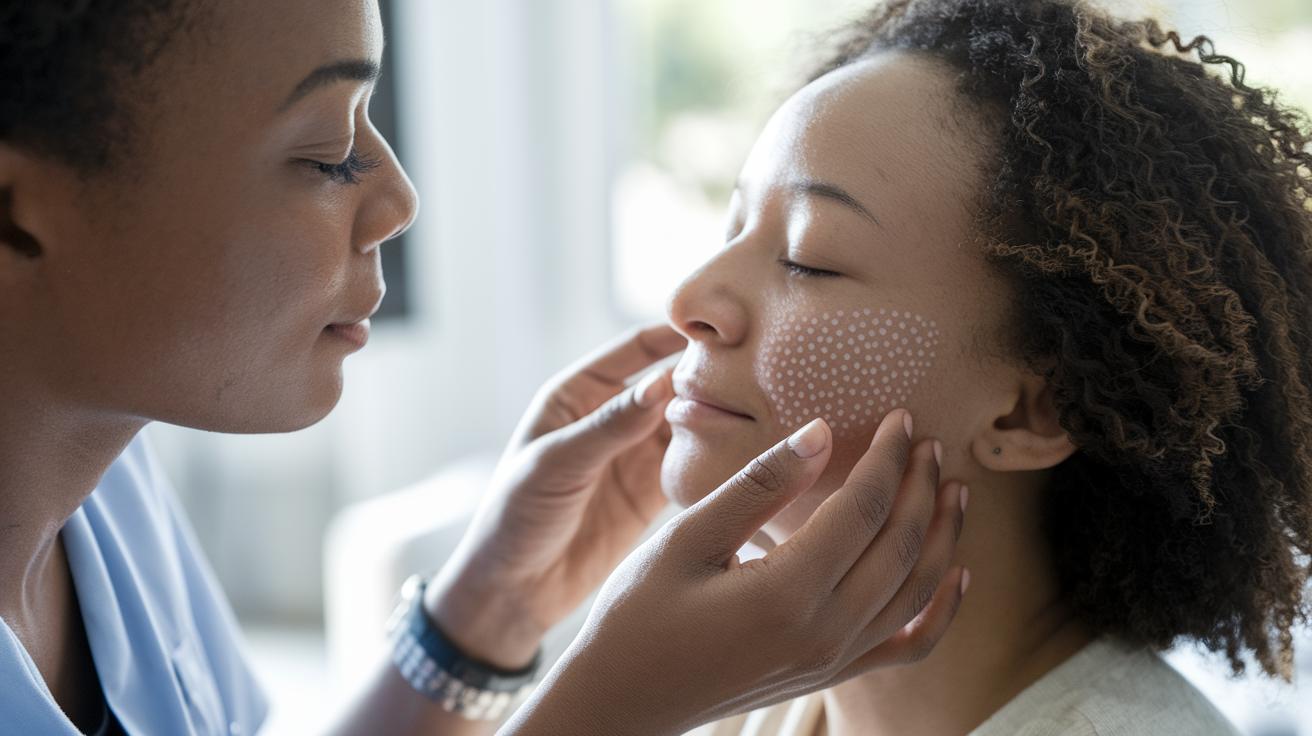
Quick take: Clear bumps can be harmless or may require care if they change suddenly.
Triage Box:
• Call your doctor if a bump becomes painful, red, or grows rapidly.
• Seek same-day care if the bump tenderly changes or shows signs of infection.
• Watch and self-manage if the bumps remain stable and do not cause discomfort.
Clear bumps on your skin can come from different causes. Knowing what these bumps are helps you decide when home care is enough or when to get professional advice.
Milia
Milia are tiny, firm, white bumps you may see on your eyelids or cheeks. They happen when keratin (a skin protein) gets trapped just under your skin. These bumps are normally harmless and only need treatment if they upset you cosmetically.
Epidermoid Cysts
Epidermoid cysts feel like small lumps that move easily under your skin. They form when keratinous debris builds up over time. They usually grow slowly without pain, but if you notice sudden size changes or tenderness, it’s best to have them checked by a clinician.
Keratosis Pilaris
Keratosis pilaris gives your skin a bumpy texture that can look like tiny goosebumps on your upper arms, thighs, or buttocks. These raised spots do not hurt or itch but may be bothersome to look at. A little gentle exfoliation and moisturizer can help smooth the skin.
Contact Dermatitis
Contact dermatitis shows up as clusters of small, fluid-filled bumps. They often come with redness and peeling after exposure to an irritant or allergen, such as a harsh skincare product. The bumps typically clear up once you stop using the trigger; however, if the reaction is severe, you should seek medical advice.
Actinic Keratosis
Actinic keratosis appears as rough, scaly patches on sun-exposed areas like your face, arms, and hands. They form from long-term sun damage and are somewhat translucent. Because these patches can sometimes progress to skin cancer (squamous cell carcinoma), it’s important to have them evaluated promptly.
Fluid-Filled Clear Bumps on Skin: Blisters, Vesicles, and Cold Sores
Quick Take: Fluid-filled bumps on your skin can result from rubbing, allergic reactions, or infections like cold sores. They usually heal on their own, but if you notice worsening pain, rapid swelling, or fever, call your doctor immediately.
If you have any of these warning signs, call emergency services now:
- Severe, increasing pain
- Red streaks or swelling around the bump
- Fever or chills
- Bumps that quickly spread
What Might Be Causing These Bumps:
These clear bumps have liquid inside that cushions and protects injured skin. They occur when your skin is irritated, rubbed too much, or infected.
Friction Blisters
Friction blisters form when rubbing or heat causes fluid to build up under the top layer of your skin. They often show up on your hands or feet. Using gloves or cushioned pads can help reduce the rubbing. Most friction blisters clear up on their own once you stop the irritating activity.
Eczema-Related Vesicles
If you have eczema, you might notice small, itchy, fluid-filled bumps after your skin meets an irritant like harsh chemicals. These bumps may peel a bit and usually improve in a few days once you avoid the trigger and use soothing treatments.
Cold Sores
Cold sores are clusters of painful blisters that typically show up on or around your lips. They come from a viral infection and usually start with a tingling or burning feeling before the blisters appear. Even though cold sores are uncomfortable, they tend to heal on their own.
Keep track of any changes in these bumps. If they worsen or you see red flags, be sure to seek help from your healthcare provider.
Home Care and Over-the-Counter Solutions for Clear Bumps on Skin
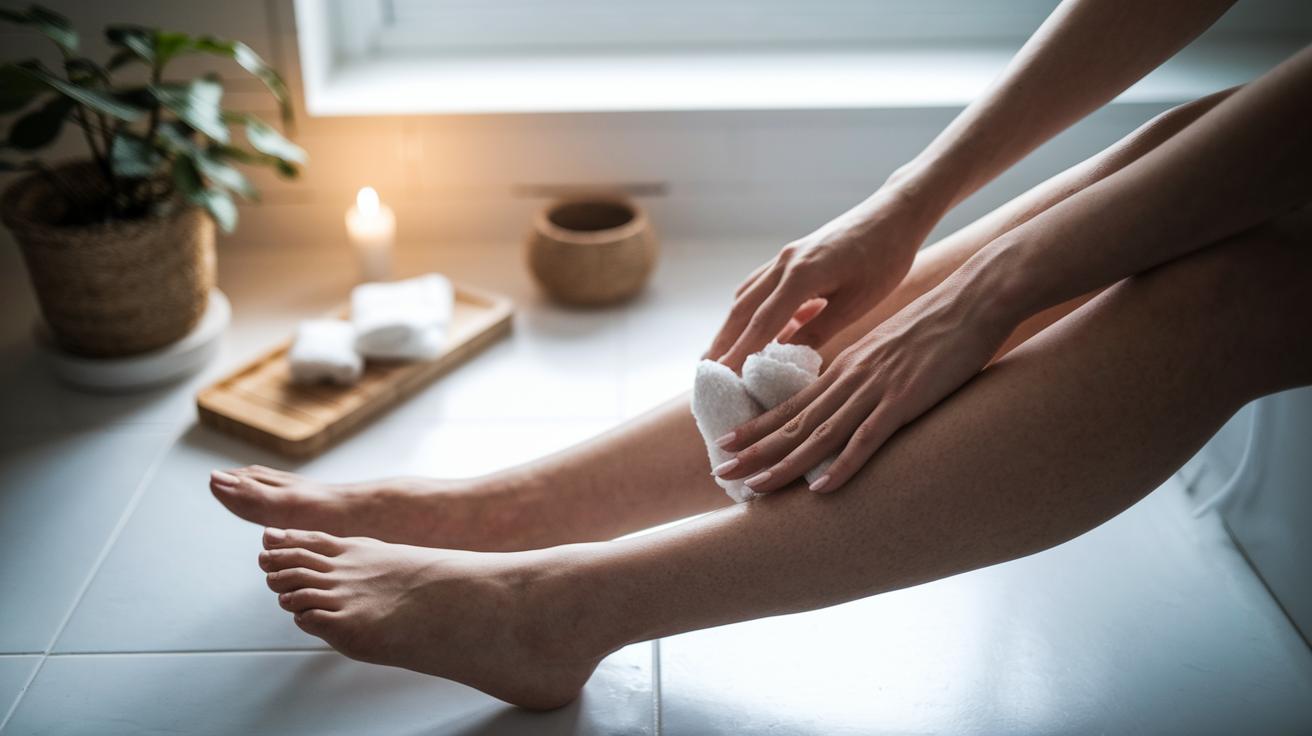
Quick take: Simple home care can ease clear bumps; follow these steps and watch for worsening signs.
Triage:
• If you notice severe pain, spreading redness, swelling, or fever, seek medical help right away.
• If bumps become very irritated or you develop signs of infection, call your healthcare provider.
Home care steps you can try:
• Soak in warm water. A warm soak relaxes your skin and helps ease fluid bumps that form from rubbing or heat.
• Use a humidifier if the air is dry. This adds moisture to the air and keeps your skin more comfortable.
• Choose loose clothing. Avoid tight or rough fabrics that might rub against your skin and make bumps worse.
For smooth, clear skin, try these treatments:
• Use an exfoliating cleanser with salicylic acid. This acid enters pores, clears dead cells, and calms inflammation. Use it gently a few times a week so you don’t irritate your skin.
• Keep your skin well moisturized. Pick a fragrance-free, non-comedogenic (won’t block pores) moisturizer to lock in moisture right after you wash or soak. This helps protect your skin and may prevent new bumps.
If you have keratosis pilaris (rough, bumpy skin):
• Use creams with urea or keratolytic ingredients. These products help break down extra keratin (a protein that builds up on your skin) so the bumps smooth out.
• Follow the instructions on the cream, usually apply once or twice a day, and give it a few weeks to show improvements.
Remember, keeping your skin calm and moisturized is key to managing clear bumps at home. Stay alert to any changes and seek help if your symptoms worsen.
Medical Treatments for Clear Bumps on Skin and When to Consult a Professional
Quick take: Clear bumps that stick around, change color, or bleed need a prompt check by a doctor.
Triage:
- Red flags:
- Bumps lasting more than 4 weeks
- Bumps that change color or start bleeding
- Urgent concerns:
- Bumps that hurt or feel inflamed
- Bumps that grow quickly
- Self-care:
- Watch the bump and note any changes (date, size, color)
If you notice clear bumps that do not go away, shift in color, or bleed, get evaluated by a healthcare provider. Your doctor might remove the bump in the office if, for example, an epidermoid cyst (a common, non-cancerous lump) becomes inflamed or infected. Similarly, actinic keratosis (a rough, scaly patch from sun damage) is often treated with cryotherapy (freezing treatment) or skin creams that kill abnormal cells.
If a bump doesn’t improve or starts to look different, your provider may take a small piece of tissue (a biopsy) for lab testing. This helps confirm what the bump is and guides the treatment plan.
See a dermatologist if bumps last longer than 4 weeks, cause new discomfort, or keep coming back. During your visit, your provider will examine the bump closely and might order more tests to check for rapid growth or other changes. This thorough review is key to deciding if further treatments, like additional biopsies or focused therapies, are needed to avoid complications.
Preventive Tips to Avoid Clear Bumps on Skin Recurrence
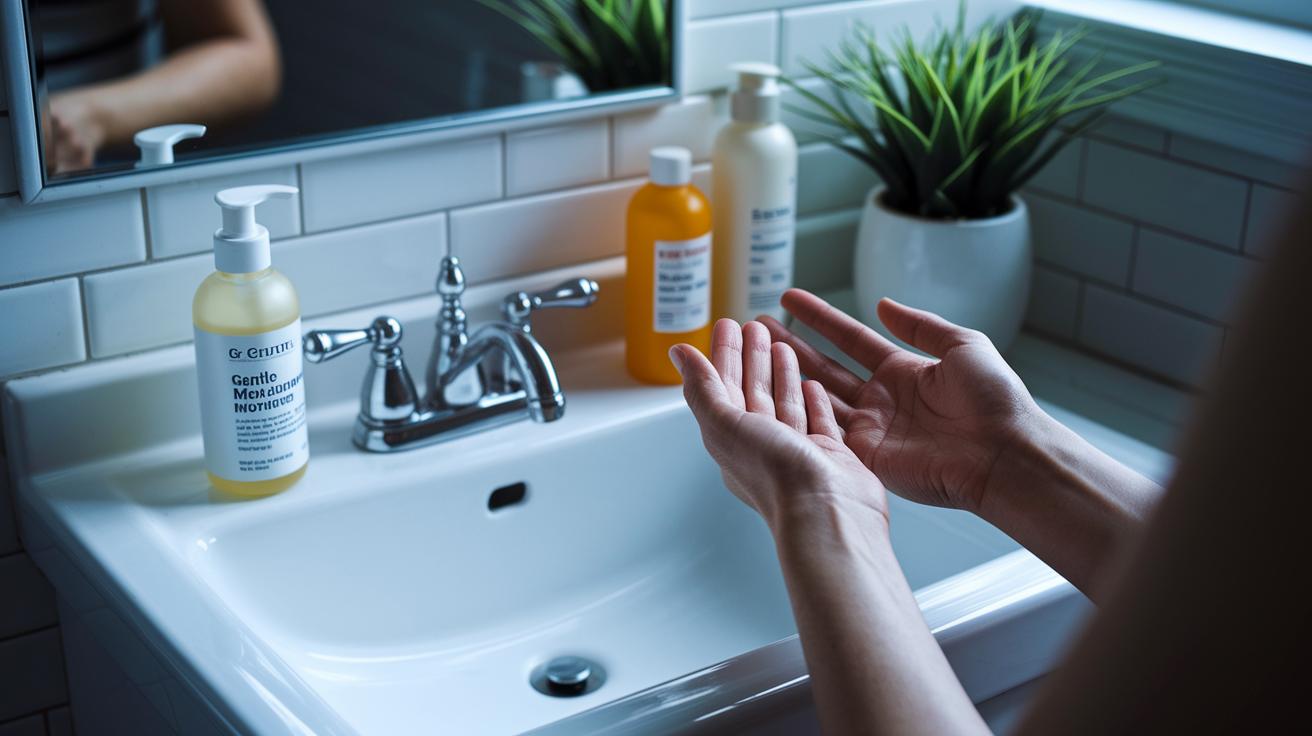
Quick take: Stick to a simple skin routine to help keep bumps from returning.
If any bumps become red, swollen, or painful, call your doctor right away.
Common causes include oil and dirt buildup, clogged pores from dead skin, and sun damage. Here’s how you can help:
- Wash your skin daily with a gentle, pH-balanced cleanser to remove oil and dirt.
- Use a non-comedogenic moisturizer twice a day to keep your skin soft without blocking pores.
- Exfoliate gently once or twice a week with a mild scrub or chemical exfoliant to clear away dead skin.
- Apply broad-spectrum sunscreen every day to protect against harmful rays.
Also, watch for any small nodules. Try not to pick at them; picking might lead to scars or infection. A steady daily routine not only boosts your skin’s appearance but also helps you notice if a bump might need a professional check.
Keep an eye on your skin and stick with these steps. Your skin, and your peace of mind, will thank you.
Reviewer: Dr. Jane Doe, Dermatologist | Last updated: Oct 2023
Final Words
In the action, we reviewed what clear bumps on skin look like and what causes them. We outlined red flags such as rapid growth, new pain, and systemic signs that demand quick attention.
We also shared at-home care tips, over-the-counter options, and guidance on when to consult a professional. Spotting these signs early can keep complications at bay. Stay aware and take action when needed, keeping your skin health a top priority.
FAQ
What do tiny colorless itchy bumps on skin indicate?
Tiny colorless itchy bumps on your skin indicate a mild irritation or allergic reaction, like contact dermatitis. They can also occur with eczema when your skin reacts to an irritant.
What do tiny clear bumps on skin suggest?
Tiny clear bumps often suggest a benign condition such as keratosis pilaris, which creates small, raised, smooth papules that are generally harmless and usually do not hurt or itch.
What can bumps on skin pictures help me identify?
Bumps on skin pictures help you compare your skin changes with common conditions like milia, cysts, or keratosis pilaris. They are a guide to spot similarities while a clinician can provide a proper diagnosis.
Are clear bumps on skin in kids a cause for concern?
Clear bumps on a child’s skin are usually harmless and may result from keratosis pilaris or milia. Monitor them for changes and consult a clinician if they worsen or cause discomfort.
Is keratosis pilaris an STD?
Keratosis pilaris is not an STD; it is a common skin condition caused by a buildup of keratin in hair follicles, typically appearing as rough bumps on the arms or thighs.
Why do I have tiny clear bubbles on my skin?
Tiny clear bubbles can form when fluid builds up beneath the skin. They may result from friction blisters, contact dermatitis, or minor infections and usually clear up with proper care.
What do keratosis bumps look like?
Keratosis bumps look like small, rough, sandpaper-like papules. They are most often found on the upper arms and thighs and come from keratin buildup in the hair follicles.
What are water warts?
The term “water warts” is not standard in medical language. It may refer to warts that appear in moist conditions. Please consult a clinician for an accurate diagnosis.