
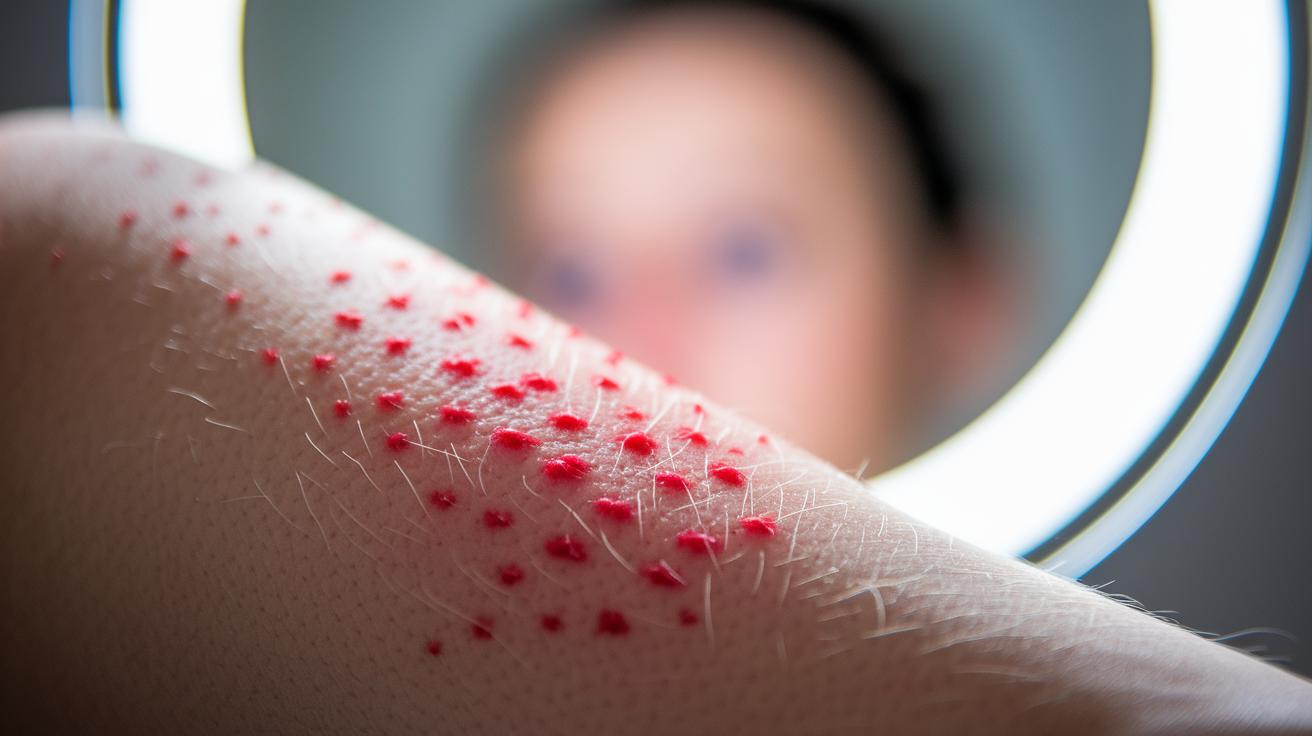

Quick Take: A small scratch can trigger your body to release histamine, which may cause red bumps on your skin.
Triage Box:
• If you have trouble breathing or your face swells, call emergency services right away.
• If the red bumps spread quickly or get much worse, seek same-day medical care.
• For mild bumps, try simple self-care steps like a cool compress and rest.
When you scratch or rub your skin, it sends a quick signal that starts a chain reaction. Your body releases histamine (a chemical that widens blood vessels), which leads to red bumps or hives. These bumps might stick around longer than you expect.
In this guide, we explain why a little irritation can cause these skin changes and share easy tips to soothe your skin. Follow these practical steps to ease and prevent those bothersome bumps.
Bumps on skin from scratching: Smart skin care
When you scratch, wear rough clothing, or have tight straps, your skin can get hurt. This rubbing breaks your skin’s natural barrier and sets off your body’s alarm. Your skin then releases histamine (a chemical that tells your body to react), which makes your blood vessels widen and your skin swell. Soon after, usually in 5 to 7 minutes, you might see red bumps or hives. These often fade in about 30 minutes, but if the rubbing continues or your skin is very sensitive, the bumps could stick around for hours or even days.
A good example is dermatographism, sometimes called “skin writing.” This is when a light scratch or gentle pressure makes your skin pull up into a line or small bump that follows where you touched. With this condition, even a small rub can trigger a noticeable reaction because of extra histamine release. The bumps often go away fast, but if you keep touching the area, they might last longer.
- Red marks from too much itching
- Raised lines or clusters of small bumps
- Small bumps triggered by scratching
- Localized hives from rubbing
- Skin color changes after itching
Common Causes of Bumps on Skin from Scratching: Dermatographism, Hives, and More
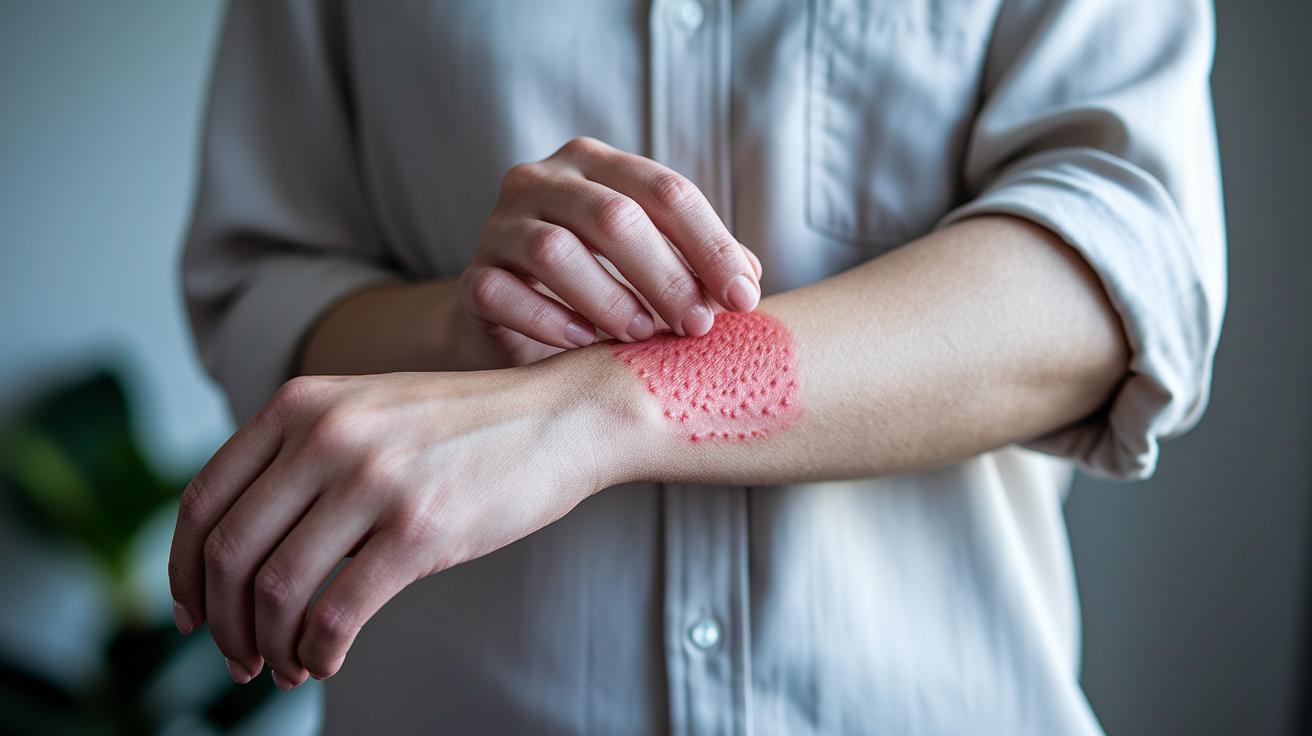
Scratching or rubbing your skin can cause small raised bumps. These bumps can come from different conditions that react in their own ways to minor irritation. Knowing the differences can help you decide whether you can take care of it yourself or if you need to see a doctor.
| Condition | Onset After Scratching | Duration | Key Triggers |
|---|---|---|---|
| Dermatographism | 5-7 minutes | 30 minutes to hours or days | Rubbing, stress, infections, tight clothing |
| Hives (Urticaria) | Within minutes | Minutes to days | Allergens, medications, heat, pressure |
| Contact Dermatitis | Hours to days | Days to weeks | Latex, metals, soaps, plants |
| Scabies | 2-6 weeks on first exposure | Until treated | Infestation by human itch mites |
| Eczema (Atopic Dermatitis) | Variable | Chronic | Dry skin, allergens, stress |
Each condition starts with friction or irritation but has a unique cause and duration. For instance, dermatographism causes visible lines or bumps a few minutes after light pressure, while hives may appear very rapidly because of allergens or heat. Contact dermatitis usually shows up after a delay when your skin meets an irritant like certain personal care products. Scabies comes from an infestation of tiny mites, and eczema is a long-lasting condition linked to dry skin and environmental factors.
By comparing how soon they start, how long they last, and what triggers them, you can better understand which reaction might be affecting you and decide if you need self-care steps or a visit to your clinician.
Recognizing Symptoms of Friction-induced Bumps on Skin from Scratching
When you scratch your skin, check for red lines that match your scratch marks. This may be a sign of dermatographism (where the skin reacts by becoming raised and red). You might also notice small groups of red bumps or smooth, red welts that itch badly after friction. For example, if you run your finger over the area and see red lines or clusters forming within minutes, it shows your body is reacting to the scratch. Keep track of when these changes happen and how they look.
Sometimes, you may feel a sharp bump or see spots without itching. This may help you tell apart bumps caused by scratching from other skin issues like keratosis pilaris or heat rash. Notice if the bumps strictly follow your scratch marks or if they appear randomly. For example, if the bumps do not match your scratch marks and do not itch much, another cause might be at work. Recording these details can guide you on whether a simple self-care routine is enough or if you need to seek advice from a clinician.
When to Seek Professional Help for Bumps on Skin from Scratching
Quick take: If you see bumps from scratching that stick around or change, it might be time to see a doctor.
If you have any of these emergency signs, call emergency services now:
- Bumps that do not go away after 24 hours
- Redness or warmth spreading from the area
- Oozing or crusting that could suggest an infection
- Fever or feeling very tired
- Severe pain or discomfort
- Bumps that look like scabies (a contagious skin condition) or chronic dermatitis (long-lasting skin irritation)
A dermatologist can check your skin using simple methods, like a light scratch test, to tell if the bump is just a normal irritation or needs extra care. While many bumps clear up on their own, these warning signs mean you should get help quickly to prevent any further skin damage or complications.
Home Care for Managing Bumps on Skin from Scratching
Quick take: You can soothe bumps from scratching with simple home care steps.
Triage Box:
• Call emergency services now if you have swelling that hurts a lot, fever, or signs of infection like pus.
• Seek same-day medical help if redness spreads or the discomfort gets worse.
If you notice bumps after scratching, try a cool compress for fast relief. Take a clean, cool washcloth and gently press it on the area for about 10 minutes. This simple step can help calm the irritation.
You can also take an oatmeal bath. Add colloidal oatmeal (finely ground oatmeal made for baths) to a lukewarm tub and soak for 15 minutes. This helps ease the itch and reduce redness by calming your skin.
Over-the-counter antihistamines such as cetirizine or loratadine can also help. These drugs lower histamine (a chemical that causes itching) and may reduce your discomfort. Take one tablet at the first sign of strong itching and keep track of how you feel over the next few hours.
To help prevent future bumps, rebuild your skin’s barrier. Use non-comedogenic moisturizers that hydrate without clogging pores. After bathing, dab on a bit of calamine lotion or soothing gel to lock in moisture and protect your skin. Also, wash gently with a pH-balanced cleanser to keep your skin calm and help it heal.
Preventing Bumps on Skin from Scratching: Protective and Lifestyle Measures
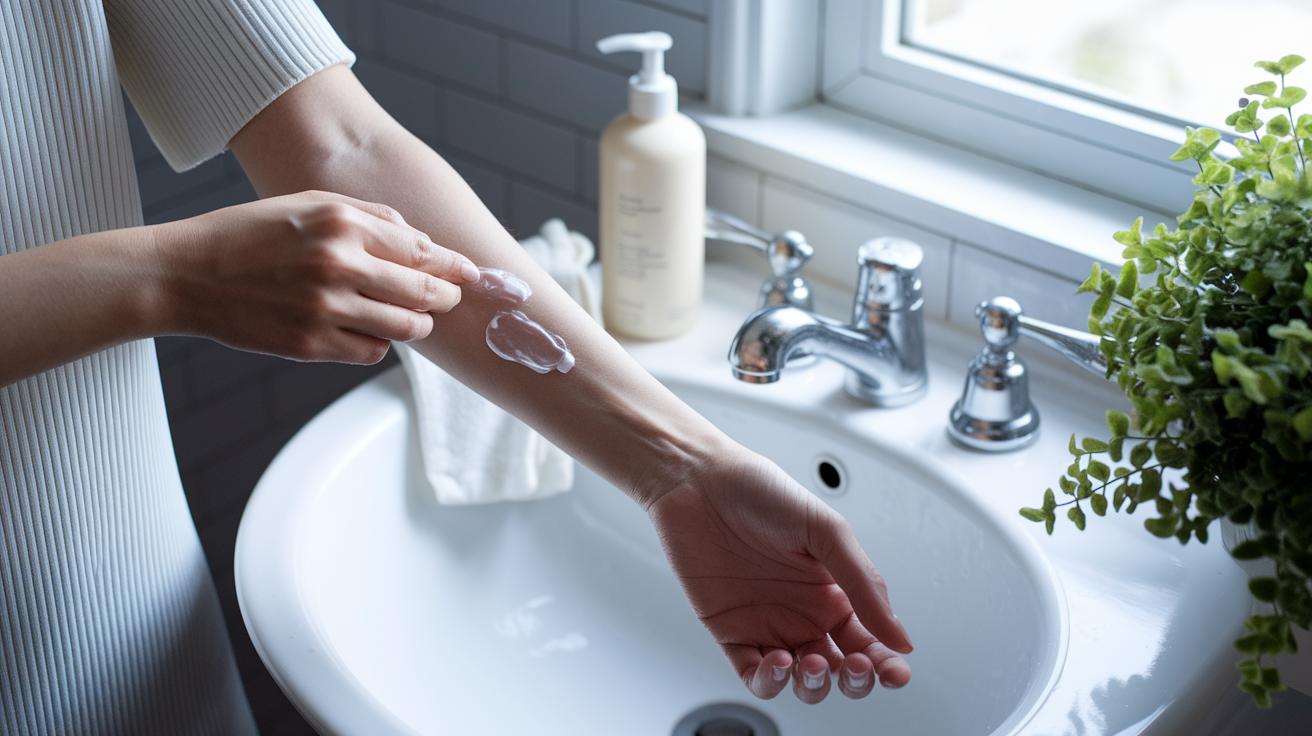
Quick take: Protect your skin by keeping it cared for and avoiding common triggers.
If your skin becomes very red, swollen, or painful, call your doctor immediately.
Trim your nails often. This helps reduce accidental cuts from scratching. Consider wearing cotton gloves at night to stop constant rubbing. Wash your skin with a gentle, pH-balanced cleanser (a mild soap that keeps your skin’s moisture) and then apply a hypoallergenic moisturizer to repair your skin’s protective barrier. This simple routine shields your skin from marks caused by scratching and keeps it healthier.
Watch for things that worsen your skin irritation. Avoid rough fabrics and allergens in your surroundings when you can. Try stress-relief techniques like deep breathing or mindfulness. Reducing stress may help you break the habit of scratching. This balanced approach of protective care and trigger management can help keep your skin comfortable for the long term.
Long-Term Management and Underlying Conditions in Bumps on Skin from Scratching
Quick take: Ongoing bumps from scratching can signal a skin condition or stress that may need both self-care and medical advice.
If you have any of these signs, take action immediately:
• Call emergency services if you notice severe pain, fever, or signs of infection (warm, red, or pus-filled skin).
• Seek same-day medical care if the bumps quickly worsen or cause intense discomfort.
• Otherwise, watch your symptoms closely and follow your care plan.
Bumps that persist after scratching may be more than simple irritation. They can hint at issues such as eczema (long-term skin inflammation), chronic urticaria (hives), or even stress-induced scratching (psychogenic excoriation). Some people with dermatographism (skin that marks easily after light rubbing) see the bumps fade within 1–2 years. Still, others benefit from ongoing treatments like antihistamines or UV light therapy. Emotional distress can also worsen these symptoms, so it is crucial to care for both your skin and your emotional well-being.
Habitual Scratching and Psychological Factors
Many times, repeated scratching is linked with stress and anxiety. When you feel anxious, you might scratch without even thinking, which can boost the release of histamine (a chemical that makes you itch) and
Final Words
In the action, we broke down how minor scratching disrupts your skin’s barrier and sets off an immune reaction that creates bumps on skin from scratching. You learned how these marks appear quickly, ways to ease them at home, and when to get professional help. We also compared conditions like dermatographism and hives, while offering steps to protect your skin and manage future episodes. Clear checklists and tips empower you to act safely and confidently. Remember, every small step in care can lead to a healthier, more comfortable tomorrow.
FAQ
Frequently Asked Questions
What is dermatographia, its causes, and its treatment?
Dermatographia is a skin condition where minor pressure or scratching creates red, raised bumps. This occurs because scratching releases histamine, which causes the reaction. Treatment often involves antihistamines, cool compresses, and avoiding triggers like tight clothing.
Why do I get red bumps on my skin after scratching?
Red bumps after scratching happen because mechanical pressure and friction disrupt your skin’s barrier and trigger histamine release. This reaction, which may appear in 5–7 minutes, generally fades with proper self-care.
What do tiny, colorless itchy bumps on my skin indicate?
Tiny, colorless itchy bumps can indicate keratosis pilaris, a benign condition where dead skin clogs hair follicles. These bumps typically feel rough and can be managed with regular moisturizing and gentle exfoliation.
Is keratosis pilaris an STD?
Keratosis pilaris is not an STD. It is a common skin condition related to dry skin and genetics, and it does not spread through sexual contact.
Does skin dermatographia go away on its own?
Skin dermatographia may improve over time, with many cases resolving within 1–2 years. Proper care and management can reduce flare-ups, but if symptoms persist, consulting a clinician is advised.
What do keratosis bumps look like?
Keratosis bumps typically appear as small, rough, skin-colored or slightly red bumps, often on the upper arms or thighs. They result from a buildup of dead skin around hair follicles and are harmless.