


Quick take: Chest pressure when you cough can be a muscle strain, or sometimes a sign of a heart or lung problem.
If you have any of these emergency signs, call emergency services now:
• Severe chest pain
• Trouble breathing or shortness of breath
• Pain spreading to your arms, neck, or back
• Fainting or feeling very lightheaded
Often, a tight chest during a cough is just a pulled muscle from coughing hard. But it can also hint at a heart or lung issue. That can feel scary, and it’s normal to worry.
This guide explains why you might feel chest pressure with a cough and lists the key symptoms to watch. Follow the steps and tips here to decide what to do next.
Chest pressure with cough: causes, seriousness, and next steps
Quick take: Chest pressure with cough can be caused by simple muscle strain or more serious heart and lung issues. Read on for what to watch for.
If you have any of these emergency signs, call emergency services now:
- Chest pain that spreads beyond your chest
- Cough that brings up blood or comes with a fever of 100.4°F or higher
- Pain that gets worse even when you rest or is joined by dizziness
Common, less serious causes include:
- Intercostal muscle strain: This happens when the muscles between your ribs are overused or spasm. You might feel a sharp, focused pain, especially when you take a deep breath or move.
- Bronchitis: This is when your bronchial tubes (the air passages in your lungs) become inflamed. It can cause a long-lasting cough and a feeling of pressure in the chest.
Serious conditions to take seriously:
- Heart attack: If you feel heavy or crushing pressure that may spread to your arm, neck, or jaw, especially if it comes with fatigue, nausea, or shortness of breath, act immediately.
- Pulmonary embolism: A blood clot in a lung artery can cause sudden, severe pain that worsens with coughing or deep breaths. You might also notice a rapid heartbeat, dizziness, or even blood in your cough.
- Pleurisy: This is when the membranes around your lungs become inflamed, often leading to sharp pain when coughing, and sometimes shortness of breath.
Next steps:
- For mild symptoms, rest at home, drink plenty of fluids, and keep track of any changes.
- If you notice red flag symptoms or if your condition gets worse quickly, seek emergency care immediately.
Common conditions leading to chest pressure with cough
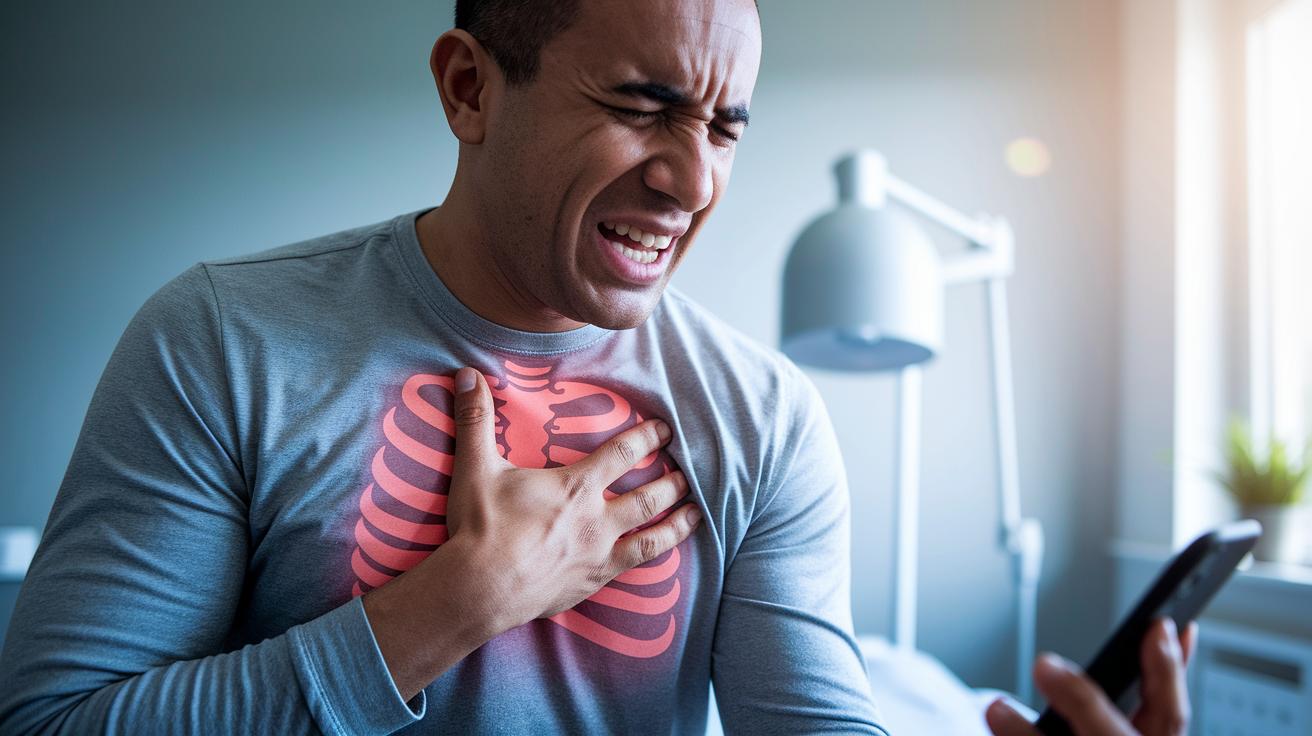
Quick take: Chest pressure with a cough may be a simple muscle strain or a sign of a more serious lung issue.
Triage:
- If you have severe pain, high fever, or trouble breathing, call emergency services now.
- If your symptoms worsen quickly or you cough up blood, seek same-day medical help.
- For mild symptoms, monitor your condition and practice home care while watching for changes.
Intercostal Muscle Strain
When you overuse or suddenly move your body, the muscles between your ribs can become strained. This strain causes a sharp, focused pain that gets worse when you move or take a deep breath. For instance, after heavy coughing, you might feel a sudden stab of pain with a deep inhale.
Bronchitis
Bronchitis is an infection that makes your airways (the tubes that bring air to your lungs) swell and cause irritation. This often results in a persistent cough and a feeling of pressure across your chest.
Pneumonia
Pneumonia is a lung infection that fills your lungs with fluid or pus. It can lead to a sharp, stabbing pain when you cough or breathe deeply. This pain is often severe and accompanied by fever.
Pleurisy
Pleurisy happens when the lining around your lungs becomes inflamed. This can trigger strong pain when you cough or sneeze and may also lead to shortness of breath. The pain usually feels like a deep, burning ache.
Asthma
Asthma causes your airways to become inflamed and narrow. This leads to chest tightness, a dry cough, wheezing, and breathlessness, especially during a coughing episode.
GERD
GERD, or acid reflux, occurs when stomach acid flows back into your esophagus (the tube connecting your mouth and stomach). It can cause a burning chest discomfort and a dry cough that may mimic other types of chest pressure.
Pulmonary Embolism
A pulmonary embolism is a serious condition where a blood clot blocks a lung artery. It can cause sudden, severe chest pain that worsens with coughing, along with symptoms like blood-tinged sputum and a rapid heartbeat.
Differentiating serious and minor chest pressure during cough
Quick take: Chest pressure when coughing can be a sign of a serious condition or a mild issue.
Triage Box:
• If you have crushing chest pressure that spreads to your arm, neck, or jaw along with nausea, sweating, or shortness of breath, call emergency services now.
• If you feel sharp pain that gets worse with each cough or deep breath, and you also feel dizzy or cough up blood, seek urgent medical care.
• If you notice intense pain when breathing in, especially with a fever or a wet cough, get evaluated promptly.
• If the pain is localized, sharp, or aching without other symptoms, it may be from a muscle strain or bronchitis. Monitor your condition and contact your clinician if it gets worse.
Chest pressure during a cough might show a heart-related event if the pain is crushing and spreads to other areas. This type of pain, along with nausea, sweating, or shortness of breath, especially if it occurs at rest or with little effort, is a red flag.
Sometimes, you may feel a sharp pain with every cough or deep breath. This can be a warning sign for a lung clot. If you also experience dizziness or see blood in your sputum, don’t delay in seeking help.
When breathing in causes severe pain and it comes with a fever or a wet cough, infections like pneumonia or inflammation of the lung lining (pleurisy) may be the cause. It is important to get checked by a clinician soon.
If the chest pressure is only felt in one area and is sharp or aching, it likely comes from a strained muscle or bronchitis. In this case, keep an eye on your symptoms and seek advice if they worsen.
Home and natural remedies for chest pressure with cough

Quick take: These simple home remedies can help ease mild chest pressure and cough.
If you have any of these signs, call emergency services now:
- Severe chest pain
- Trouble breathing
- High fever
If your symptoms worsen or do not improve in a few days, seek same-day medical attention.
Staying well-hydrated with warm drinks like herbal tea or broth helps thin the mucus so your lungs can clear it more easily. Warm liquids also soothe a scratchy throat and relax tight chest muscles. For example, mix a spoonful of honey into warm water or tea. Sip slowly, like you’re taking a calming tea break.
Try these steps:
- Drink warm fluids often. Aim for 6-8 cups during the day.
- Use steam therapy: Fill a bowl with hot water, lean over it with a towel over your head, and breathe in the steam for 5-10 minutes to help reduce congestion.
- Stir a teaspoon of honey into your warm water or tea to soothe throat irritation and chest discomfort.
- Consider an over-the-counter expectorant like guaifenesin (a medication that helps thin mucus) if your cough is caused by mucus buildup. Be sure to follow the label directions.
- Alternate gentle heat with an ice pack on your chest to help ease muscle strain from coughing.
- Rest in an upright position to keep your airways open and reduce pressure.
These natural methods may provide relief when your symptoms are mild. Keep track of your symptoms, and if they get worse or lead to more discomfort, check in with your healthcare provider.
Medication options for cough-induced chest strain
Quick take: Use over-the-counter pain relievers, expectorants, or decongestants for cough-related chest strain, but follow your clinician's instructions.
If you have chest strain from coughing, you can start with non-prescription meds to ease the pain and help your body clear mucus. Here are some options:
• Pain relievers like ibuprofen or acetaminophen can ease muscle aches from frequent coughing.
• An expectorant such as guaifenesin helps thin mucus (the sticky substance in your chest), making it easier to cough up and relieve congestion.
• A decongestant like pseudoephedrine can reduce swelling in your airways by clearing up mucus.
If a specific lung condition is causing your symptoms, your doctor might prescribe extra help. For instance:
• If you have asthma, you could get bronchodilators to open up your airways or inhaled corticosteroids to lower swelling.
• If an infection appears likely, your clinician may prescribe antibiotics for a bacterial cause or antivirals if it's a virus.
In severe cases, such as a suspected pulmonary embolism (a blockage in the lung artery), get emergency care right away. These emergencies often need treatments like anticoagulants (blood thinners) and oxygen therapy to prevent more problems.
Remember, always use each medication exactly as your clinician tells you and follow the dosing directions on the label.
Recognizing when chest pressure with cough needs medical attention
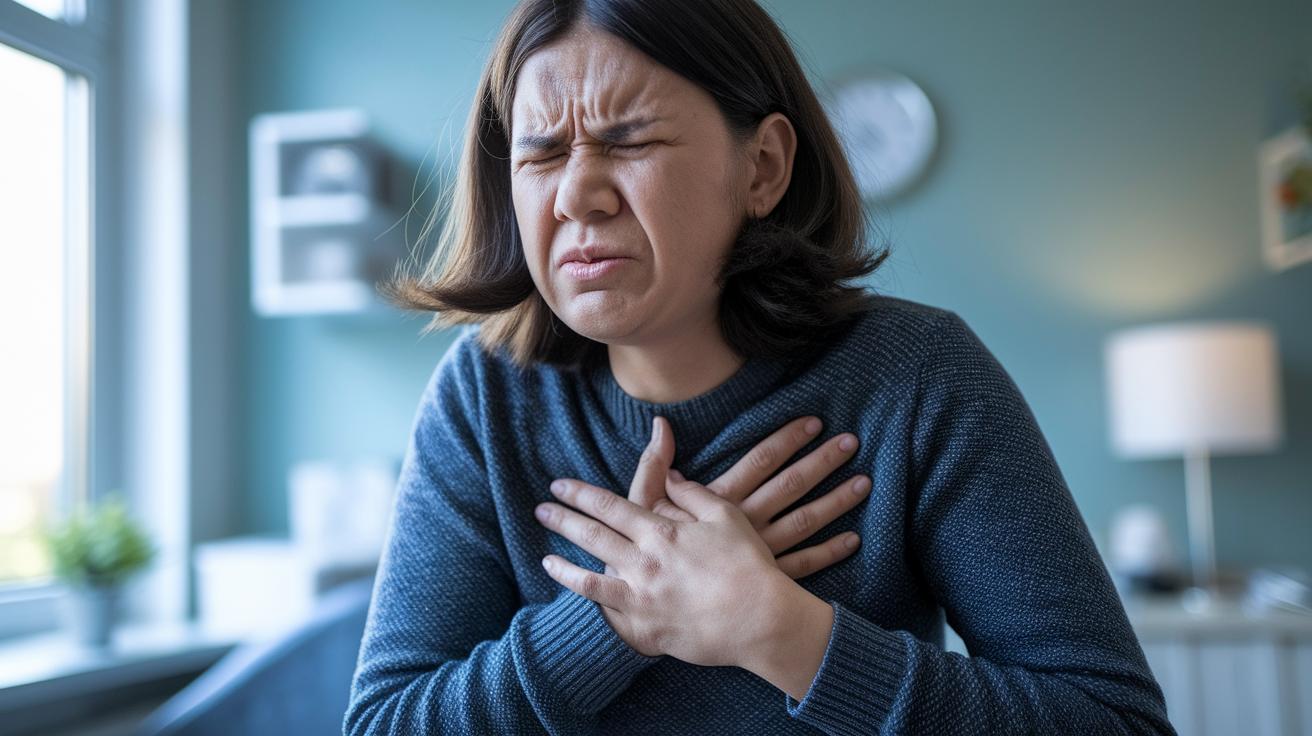
Quick take: Chest pressure with cough can be serious.
If you have any of these emergency signs, call emergency services immediately:
• Shortness of breath
• Chest pain that spreads to your arm or jaw
• Fever of 100.4°F or higher
• Coughing up blood
• Feeling lightheaded
Chest pressure paired with coughing may signal a significant health issue. It is important to act fast if these red flags appear.
If you have conditions like COPD, asthma, or heart disease, any new or worsening chest pressure should be evaluated by a doctor as soon as possible. If your symptoms feel less severe, follow your doctor’s advice or the detailed steps provided in the later sections to decide on next steps.
Preventive and lifestyle measures to reduce chest pressure during cough
Quick take: Simple breathing exercises and smart home habits can help ease chest pressure during a cough.
If you experience any of these signs, call emergency services right away:
- Severe chest pain
- Trouble breathing
- Fainting
Start by adding diaphragmatic breathing exercises to your day. Breathe deeply from your belly (this helps relax your lung muscles) and try pursed-lip breathing (slowly exhale through gently closed lips) to improve airflow when you cough.
Make your home lung-friendly. Use a humidifier to add moisture to dry air so your airways stay calm. Also, avoid smoke, dust, and other irritants that can worsen your cough.
Keep a straight, upright posture to lessen the strain on your chest. Sitting up when you rest or after meals can help you breathe easier and reduce discomfort. Take regular breaks to drink warm fluids like herbal tea or water with a little honey. These drinks can thin mucus and soothe your throat.
Try these practices:
- Do diaphragmatic and pursed-lip breathing daily.
- Use a humidifier and avoid irritants.
- Sit up straight throughout the day.
- Enjoy warm, honey-infused drinks regularly.
These small changes can help lower chest pressure during a cough and keep your lungs relaxed.
Final Words
In the action, we broke down chest pressure with cough into practical insights on what might be causing it, from muscle strain and bronchitis to more serious conditions like pulmonary embolism. We shared clear red flags to watch for and offered easy home remedies and medication guidance. The guide also explained when to seek emergency care versus managing symptoms at home. Keep tracking your symptoms and use this information to have a focused conversation with your clinician. Stay positive and proactive in taking charge of your health.
FAQ
How to relieve a tight chest and cough?
The advice to relieve a tight chest and cough includes staying hydrated, using steam therapy, and drinking honey-infused warm beverages. These steps help soothe irritated airways and ease muscle strain.
<div itemprop="mainEntity" itemscope itemtype="https://schema.org/Question">
  <h3 itemprop="name">How to relieve chest pain from coughing?</h3>
  <div itemprop="acceptedAnswer" itemscope itemtype="https://schema.org/Answer">
    <p itemprop="text">The guidance to relieve chest pain from coughing involves using warm or cold packs on the chest, taking over-the-counter pain relievers, and resting to help ease muscle strain during recovery.</p>
  </div>
</div>

<div itemprop="mainEntity" itemscope itemtype="https://schema.org/Question">
  <h3 itemprop="name">Tight chest, dry cough, shortness of breath?</h3>
  <div itemprop="acceptedAnswer" itemscope itemtype="https://schema.org/Answer">
    <p itemprop="text">The description of a tight chest with a dry cough and shortness of breath suggests that steam inhalation, warm fluids, and rest can ease symptoms, but worsening signs require immediate medical attention.</p>
  </div>
</div>

<div itemprop="mainEntity" itemscope itemtype="https://schema.org/Question">
  <h3 itemprop="name">Dry cough and chest tightness?</h3>
  <div itemprop="acceptedAnswer" itemscope itemtype="https://schema.org/Answer">
    <p itemprop="text">The experience of a dry cough with chest tightness can be managed by staying well-hydrated, sipping warm liquids, and performing gentle breathing exercises to reduce discomfort and promote relaxation.</p>
  </div>
</div>

<div itemprop="mainEntity" itemscope itemtype="https://schema.org/Question">
  <h3 itemprop="name">Home remedies for chest pain due to cough?</h3>
  <div itemprop="acceptedAnswer" itemscope itemtype="https://schema.org/Answer">
    <p itemprop="text">The home remedies for chest pain due to cough include drinking warm teas, using steam therapy, adding honey to your beverages, and considering over-the-counter expectorants to help soothe and clear the respiratory tract.</p>
  </div>
</div>

<div itemprop="mainEntity" itemscope itemtype="https://schema.org/Question">
  <h3 itemprop="name">Left side chest pain when coughing?</h3>
  <div itemprop="acceptedAnswer" itemscope itemtype="https://schema.org/Answer">
    <p itemprop="text">The report of left side chest pain when coughing may indicate muscle strain. Applying heat or cold packs along with rest can help relieve the pain, but seek medical advice if the pain worsens or other symptoms appear.</p>
  </div>
</div>

<div itemprop="mainEntity" itemscope itemtype="https://schema.org/Question">
  <h3 itemprop="name">Why does my chest hurt when I cough up mucus?</h3>
  <div itemprop="acceptedAnswer" itemscope itemtype="https://schema.org/Answer">
    <p itemprop="text">The explanation for chest pain when coughing up mucus is that repeated coughing can strain chest muscles and irritate airways, causing discomfort. Drinking fluids and resting can help reduce the pain over time.</p>
  </div>
</div>

<div itemprop="mainEntity" itemscope itemtype="https://schema.org/Question">
  <h3 itemprop="name">Should I be worried if my chest hurts when I cough?</h3>
  <div itemprop="acceptedAnswer" itemscope itemtype="https://schema.org/Answer">
    <p itemprop="text">The concern over chest pain when coughing is valid, especially if the pain radiates or is accompanied by shortness of breath or fever. Mild pain might result from irritation, yet a checkup is recommended if symptoms worsen.</p>
  </div>
</div>

<div itemprop="mainEntity" itemscope itemtype="https://schema.org/Question">
  <h3 itemprop="name">Why do I cough and feel pressure in my chest?</h3>
  <div itemprop="acceptedAnswer" itemscope itemtype="https://schema.org/Answer">
    <p itemprop="text">The feeling of chest pressure while coughing usually results from airway irritation or muscle strain. Maintaining hydration, using steam, and resting can help, but seek medical care if the condition deteriorates.</p>
  </div>
</div>

<div itemprop="mainEntity" itemscope itemtype="https://schema.org/Question">
  <h3 itemprop="name">How do I get rid of a tight chest and cough?</h3>
  <div itemprop="acceptedAnswer" itemscope itemtype="https://schema.org/Answer">
    <p itemprop="text">The method to get rid of a tight chest and cough includes staying hydrated, inhaling steam, drinking warm fluids with honey, and resting. If symptoms become severe, a medical evaluation is necessary.</p>
  </div>
</div>

<div itemprop="mainEntity" itemscope itemtype="https://schema.org/Question">
  <h3 itemprop="name">What are the first signs of bronchitis?</h3>
  <div itemprop="acceptedAnswer" itemscope itemtype="https://schema.org/Answer">
    <p itemprop="text">The first signs of bronchitis include a persistent cough, a mild fever, chest discomfort, fatigue, and sometimes mucus production. Recognizing these signs early can prompt timely self-care and medical consultation.</p>
  </div>
</div>

<div itemprop="mainEntity" itemscope itemtype="https://schema.org/Question">
  <h3 itemprop="name">What causes chest congestion in kids?</h3>
  <div itemprop="acceptedAnswer" itemscope itemtype="https://schema.org/Answer">
    <p itemprop="text">The cause of chest congestion in kids is usually due to respiratory infections, allergies, or asthma. Keeping them hydrated, using a humidifier, and consulting a pediatrician can help manage and relieve their symptoms.</p>
  </div>
</div>