


Quick take: Heavy chest pressure may signal a heart problem, especially if it comes with pain in your arms, neck, or jaw or shortness of breath.
If you have any of these emergency signs, call emergency services now:
• Chest pressure that feels like a heavy weight when you breathe
• Pain that spreads to your arms, neck, or jaw
• Trouble breathing or sudden shortness of breath
What this may mean:
Chest pressure can point to heart issues, but sometimes it can be less serious. It is important to watch for red flags. If your symptoms worsen or you notice pain spreading, act promptly.
What to do next:
- Track your symptoms. Write down the time they started, how long they last, and if they get worse.
- Note any other signs you feel. Include if you feel dizzy, lightheaded, or have pain in other areas.
- If the pressure continues or you develop new symptoms, seek same-day medical care to be safe.
Remember, these steps help you decide when to act quickly. Stay calm and check in with your clinician if you are unsure.
Understanding Breathing-Related Chest Pressure
Quick take: Chest pressure when breathing can be serious. Watch for red flags and note if the sensation worsens.
Triage Box:
- Call emergency services now if:
- The pressure feels crushing or spreads to your arm, neck, or jaw.
- You experience severe shortness of breath, sudden dizziness, or intense sweating.
- Seek same-day care if:
- The pressure gets notably worse or comes with new symptoms, like fainting.
- Monitor and track if:
- The pressure is mild and you have a known cause such as muscle strain or heartburn. Note the time, duration, and any changes.
When you feel chest pressure while breathing, it can seem like a heavy squeeze pressing across your chest. You might notice a tightness when you breathe in, making deep breaths difficult. Some describe this as sharp, dull, or even a crushing fullness between the breasts. It can come on suddenly and make every breath feel hard.
Sometimes, this pressure may signal a heart problem. Heart attack pain often shows as chest pressure that spreads to the arm, neck, or jaw. Women might also feel nausea, tiredness, or shortness of breath with the pressure. However, similar feelings can also come from less serious causes such as muscle strain (overuse of muscles), heartburn (stomach acid reflux), or bronchitis. It is very important to keep track of any changes in the pressure, as worsening symptoms might need prompt medical care.
Lung issues can also cause chest pressure. For instance, a pulmonary embolism (a blood clot blocking blood flow in the lungs) can lead to sudden pressure with each breath, along with a cough that sometimes brings up blood. If you notice that the pressure changes or continues to get worse when you breathe, write down when it happens and how strong it feels. This record will help your doctor decide if you need urgent treatment.
Cardiac vs Pulmonary Causes of Chest Pressure When Breathing

Quick take: Your chest pressure can stem from heart or lung issues.
Triage Box:
• If you have severe chest pressure that spreads to your arm, neck, or jaw, call emergency services now.
• If you experience sudden shortness of breath, a rapid heartbeat, or feel extremely dizzy, seek help immediately.
• If the pressure starts with effort and worsens despite resting, get urgent care.
Heart-Related Causes:
Heart issues like a heart attack or reduced blood flow from a blocked artery may cause heavy, squeezing chest pressure. You might feel pain spreading to your arm, neck, or jaw. Men often report this kind of pain, while women might also experience nausea, dizziness (feeling lightheaded), or unusual tiredness. When chest pressure begins during physical activity and eases with rest, it can signal that your heart isn’t getting enough blood. Even if the symptoms seem mild at first, it’s important to have them checked out.
Lung-Related Causes:
Lung problems such as a pulmonary embolism (a blood clot that blocks blood flow in your lungs), pleurisy (inflammation around the lungs), pneumonia, or pneumothorax (air leaking into the space around your lung) can also cause chest pressure. A pulmonary embolism often comes with sudden shortness of breath, a rapid heartbeat, and sometimes a cough with blood. Pleurisy causes sharp pain that worsens with each deep breath. Pneumonia usually brings fever, cough, and body aches, while pneumothorax can make you feel fatigued, pale, and give you a fast heartbeat. Recognizing these signs quickly is key to getting the right care.
Non-Cardiac Causes of Chest Pressure During Inhalation
Quick take: Chest pressure when you breathe deeply may come from causes outside your lungs or heart.
Triage:
• Emergency: Call 911 if you experience severe, sudden chest pain, trouble breathing, or pain that spreads to your arm or jaw.
• Urgent: See your doctor today if the pain worsens or you feel lightheaded.
• Monitor: If the pain is mild and brief, track when it happens and what seems to trigger it.
Sometimes a deep breath brings pressure in your chest that isn’t from lung issues. One common cause is costochondritis (swollen, tender rib cartilage), which makes the pain sharper when you move or cough. Digestive problems like acid reflux (burning pain behind the breastbone) can also trigger discomfort.
Even though conditions such as pneumonia (lung infection), pleurisy (inflammation of the lung lining), and pneumothorax (air leak in the space around the lung) can cause similar chest pressure, they are covered in our lung-related section. Pericarditis (inflammation of the heart’s lining) can also create a pressure that worsens when lying down.
Record when your pain starts and what triggers it. This detailed information will help your healthcare provider understand your situation better.
Anxiety and Stress-Related Chest Pressure When Breathing

Quick take: Anxiety may make your chest feel tight, but if you have extreme dizziness or a crushing pain, call emergency services now.
When you are stressed, your muscles tighten and your chest may feel squeezed during a deep breath. Many people feel a sudden tight pressure when anxiety hits. Panic attacks can bring on rapid breathing, sweating, a fast heartbeat, or a tingling in your arms or legs. One person described feeling, "my chest tighten like a vice as I took a deep breath during a moment of panic." This shows how stress can mimic more serious symptoms.
When a panic attack occurs, you might hyperventilate (breathe very quickly), which can make your chest feel cramped. This fast breathing can worsen the feeling of not getting enough air. It might seem like a heart or lung issue, but often it is just your body’s reaction to high stress.
If you experience chest pressure along with extreme dizziness, a crushing pain, or if the tightness does not ease with relaxation, get medical help immediately. Keep track of your symptoms by noting when the pressure starts, what seems to trigger it, and how long it lasts. This record will help your doctor decide whether the problem is due to anxiety or if further tests for heart or lung issues are needed.
Home Remedies and Thoracic Pressure Relief Techniques
Quick take: At-home methods may lessen chest pressure, but if your symptoms worsen or you feel lightheaded, act now by seeking emergency care.
Triage Box – Call emergency services now if you have any of these signs:
• Severe, sudden chest pain or pressure that spreads.
• Increasing shortness of breath.
• Dizziness or fainting.
When you notice chest pressure while breathing, simple home techniques can help ease your discomfort. Using slow, deep breaths and gentle stretches relaxes your chest muscles and supports your healing process. One person said, "Using diaphragmatic breathing felt like I was giving my chest a gentle reset." This shows that small routine changes can make a big difference.
Adjusting your posture and adding relaxation practices are also key. Regular breathing exercises can calm your mind and help your muscles relax, making it easier to breathe deeply. Try different methods until you find what works best for you. Keeping a small notebook to track your techniques can help fine-tune your approach and give useful details to your healthcare provider if needed.
Here are simple steps you can follow:
- Lie on your back and breathe slowly through your nose (diaphragmatic breathing).
- Do gentle chest stretches by extending your arms and opening your chest.
- Check your posture throughout the day; keep your back straight when sitting or standing.
- Use a warm compress or heat pack on your chest to relax tight muscles.
- Drink water regularly to stay hydrated.
- If your chest pressure may be caused by reflux, consider an antacid only if your doctor approves.
- Practice mindfulness breathing to ease stress and muscle tension.
- Try guided relaxation recordings for a calm, step-by-step breathing routine.
Regularly using these techniques can gradually improve your comfort and help manage chest pressure. Keep track of what works so you can discuss your progress with your doctor if needed.
When to Seek Medical Help for Chest Pressure While Breathing
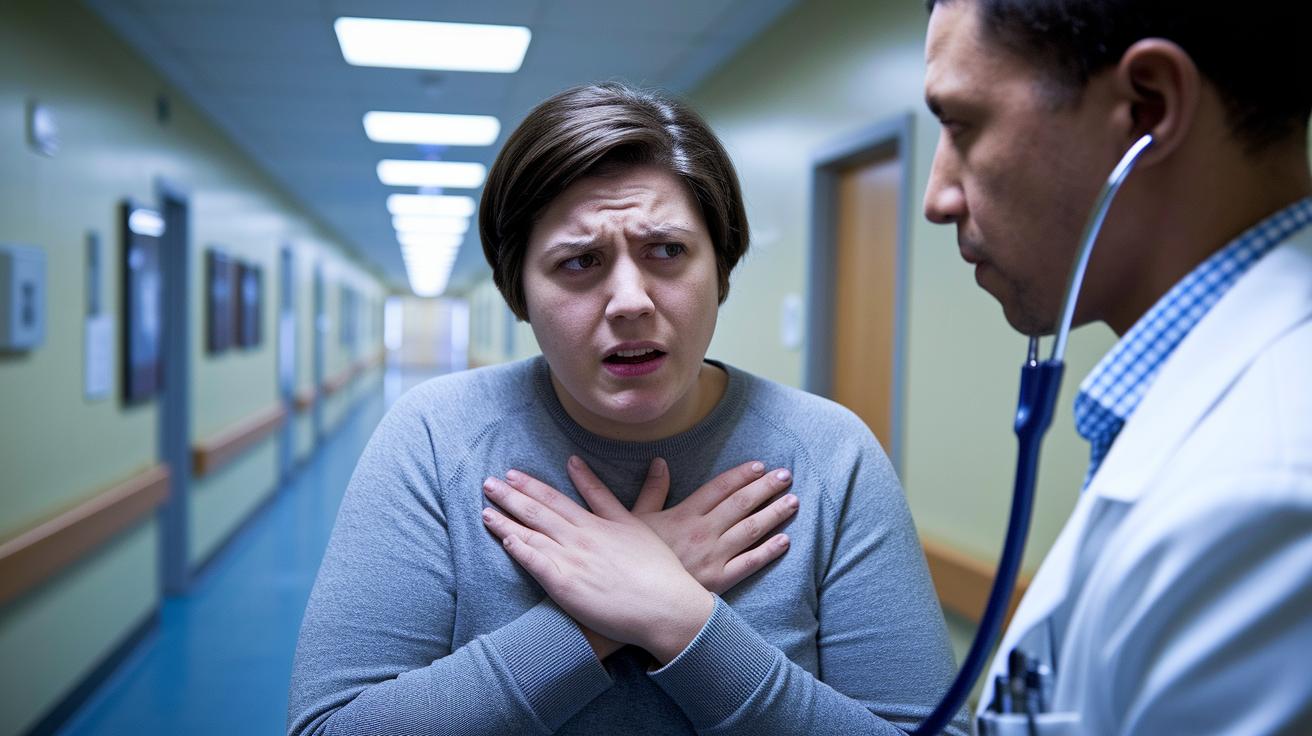
Quick take: Chest pressure with red flags can signal serious heart or lung problems, act now if you experience these signs.
If you have any of these emergency signs, call emergency services now:
- Pain that shoots to your arm, neck, or jaw
- Dizziness or feeling lightheaded
- Coughing up blood (hemoptysis)
- Pressure that worsens when you are resting
It’s normal to feel worried when you notice these symptoms. However, if your chest pressure comes with any of the signs above, don’t wait. These symptoms could mean that your heart or lungs need urgent care.
Doctors will want to run some tests to see what is causing your chest pressure. They may use an electrocardiogram (EKG) to check your heart’s rhythm. A stress test shows how your heart works when you are active. An echocardiogram uses sound waves to create a picture of your heart and can show any damage. Your doctor might also order lung tests like spirometry and imaging scans (X-ray or CT scan) to check for blockages.
These tests help build a clear picture of your condition so that you can get the right treatment fast. Remember, acting quickly when you have these red flags can help prevent a serious condition from getting worse.
Final Words
In the action, we explored causes for chest pressure when breathing, from heart and lung issues to muscle strain and stress. We broke down how to track symptoms and distinguish between urgent red flags and signs that can be managed at home. Simple checklists and clear home remedies can guide you through immediate next steps and help you prepare useful information for clinicians. Stay focused, keep monitoring, and take each step with care. This guide aims to empower you to act safely and confidently.
FAQ
How to relieve chest tightness?
Relieving chest tightness involves using deep breathing techniques, gentle stretches, and relaxation methods. If you have shortness of breath or worsening pain, you should seek medical guidance.
Why does my chest hurt when I take a deep breath?
Chest pain with a deep breath often suggests that your lung tissues or chest muscles may be strained or inflamed. If the pain worsens or is severe, you should consult a clinician.
What does a weird feeling in the chest with no pain indicate?
A weird feeling in the chest without pain can reflect muscle tension or mild anxiety. Persistent or worsening sensations warrant a check-up to rule out any underlying issues.
What causes tight pain in the middle of the chest, especially in females?
Tight pain in the middle of the chest in women might come from inflammation, muscle strain, or even reflux. If the pain includes shortness of breath, dizziness, or spreads, you should get evaluated promptly.
Why do I feel pressure in my chest when I breathe and when should I worry about it?
Feeling pressure during breathing may result from benign muscle tension or a more serious cardiac or lung issue. Worry if the pressure lasts several minutes, spreads, or comes with dizziness and difficulty breathing.
Can pregnancy cause chest pain?
Pregnancy can cause chest pain due to reflux, increased heart workload, or anxiety. Still, any new or severe chest pain during pregnancy needs medical evaluation to exclude serious complications.
When should I worry about chest pain in kids?
Chest pain in children is usually mild and due to muscle strain or respiratory infections. However, if the pain persists, spreads, or comes with breathing difficulty or fainting, immediate medical assessment is necessary.