
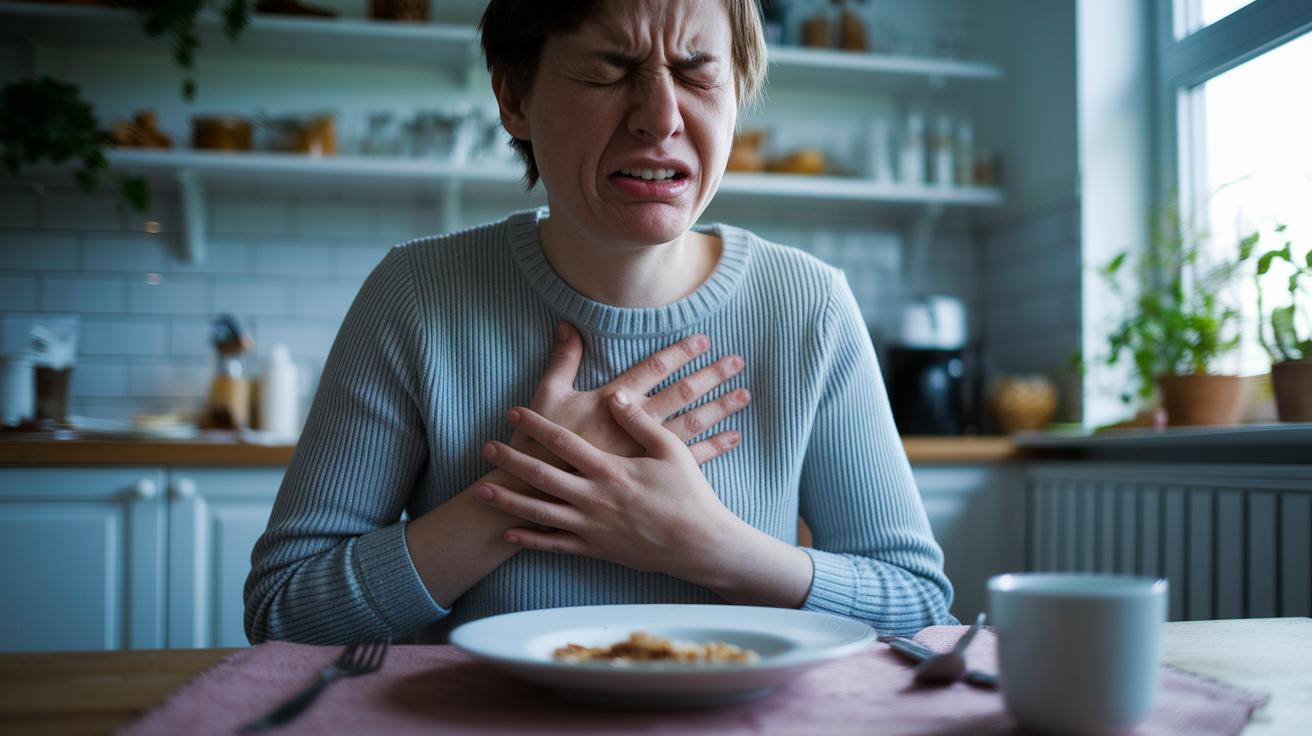

Quick Take: Chest pressure after eating is usually due to your digestive system, but if you experience severe pain or trouble breathing, act immediately.
Triage Box:
• Call emergency services now if you have chest pain that spreads to your arm or jaw, difficulty breathing, or feel faint.
• Seek same-day care if the discomfort lasts longer than a short while or worsens.
• Track your meals and symptoms so you can share details with your clinician.
Have you ever felt a tight, heavy feeling in your chest right after a meal? It can be scary, but it often comes from your digestion rather than your heart. Rich or fatty foods may trigger acid reflux (stomach acid moving back up into your esophagus) or cause your chest muscles to tighten. This guide explains these common reasons and offers simple tips to help you feel better after eating.
Why Chest Pressure Occurs After Eating
When you eat, you might feel a tight, heavy sensation in your chest. This can be scary, especially if you experience a burning or sharp pain similar to heart trouble. Remember that this pressure is not always the classic heartburn you may expect. Sometimes it is a sign that your digestion is having trouble, and it may affect the upper part of your chest. Often, your body sends this signal when food or drink starts to irritate delicate tissues.
Every time you eat, your stomach works to break down food. Occasionally, this process becomes overactive or irritated. For example, you might enjoy a rich or fatty meal and soon notice a sudden heaviness in your chest. This could be your body warning you that something isn’t right. Extra stomach acid or tight muscles in your throat or stomach can cause this discomfort. At times, the pressure occurs without the usual burning of heartburn, making it hard to tell if the source is digestive or heart-related.
Below is a list of common causes of chest pressure after eating:
- GERD or acid reflux, when stomach acid irritates the esophagus
- Gallbladder issues, especially after eating fatty foods
- Esophageal conditions, such as esophagitis (inflammation) or spasms
- Peptic ulcers, which irritate the stomach lining
- Heart-related issues like angina
Digestive Conditions Behind Chest Pressure Post-Meal
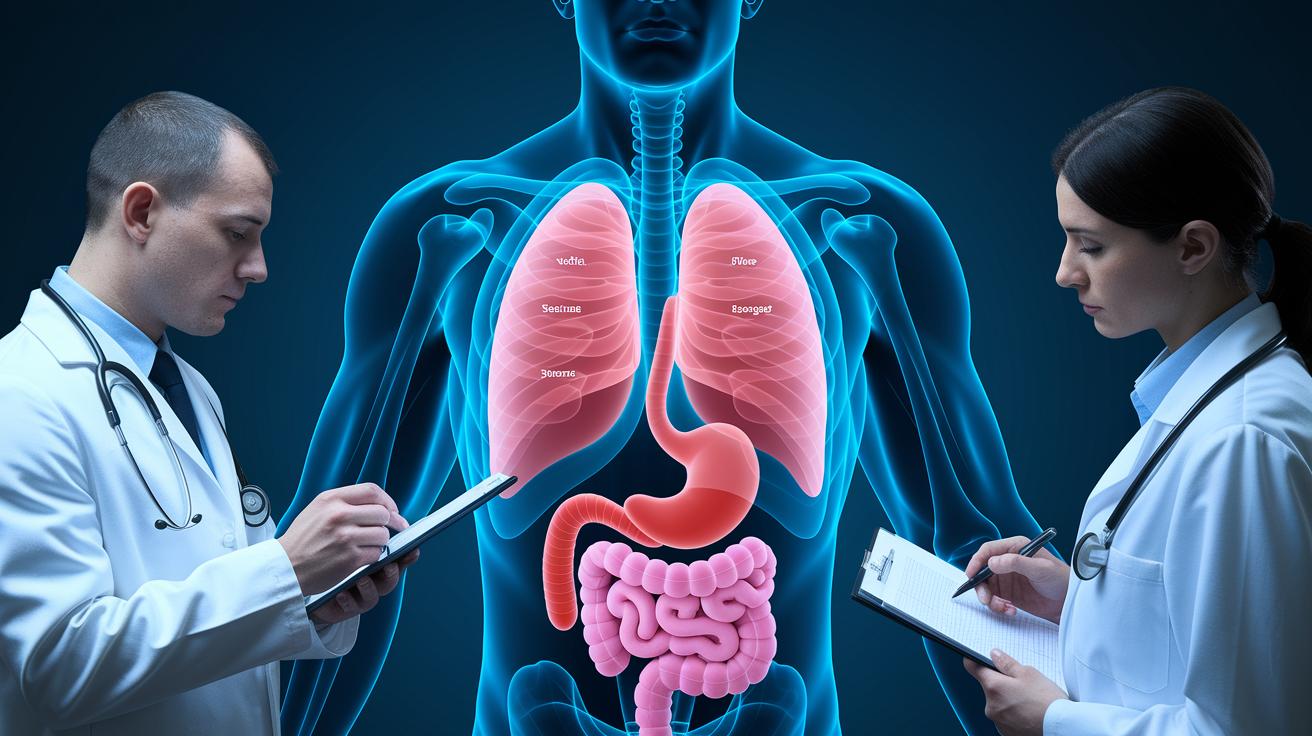
Quick take: Chest pressure after eating might come from acid reflux, gallbladder issues, esophageal spasms, or ulcers. If you experience very severe pain or feel short of breath, call emergency services now.
• If chest pain is very intense or you have trouble breathing, call emergency services now.
• If the pain lasts more than 2 hours or worsens, seek same-day medical care.
• Otherwise, monitor your symptoms and note what you eat to help spot triggers.
Sometimes, stomach acid irritates your esophagus (the tube connecting your throat to your stomach). Even without a burning feeling, you might notice a heavy pressure in your chest. Try eating smaller meals and avoid spicy or acidic foods. Many people find that slowing down and reducing portion sizes eases these symptoms.
After you eat a fatty meal, your gallbladder works harder to send out bile (a liquid that helps break down fat). If gallstones (small, hard deposits) block the flow, you can feel pain starting in your stomach and moving up into your chest. Keeping a food diary can help; write down when you eat high-fat foods and how long the pressure lasts, like noting that a dinner with fried items led to 2 hours of chest pressure.
Problems in the esophagus, such as inflammation (swelling) or muscle spasms, can cause a tight, squeezing pain. A warm drink or a light walk after eating might help the muscles relax. Try sipping a warm herbal tea after lunch when you feel a mild spasm, many people say it reduces the pressure.
Peptic ulcers (sores in your stomach lining) can also cause sharp or lingering chest pain when certain foods irritate them. Avoid triggers like caffeine and alcohol, and take note if a cup of coffee leads to discomfort. Choosing a milder alternative might help soothe your stomach.
If your symptoms continue or worsen, make sure to reach out to your doctor for advice.
Differentiating Reflux vs. Cardiac Chest Pressure After Eating
Quick take: A burning chest pain after eating is usually acid reflux, but if the pain feels like pressure and comes with shortness of breath, sweating, or pain in your arm, neck, or jaw, act now.
If you have any of these emergency signs, call emergency services immediately:
- Severe pressure or squeezing pain in the chest
- Pain that spreads to your arm, neck, or jaw
- Shortness of breath, heavy sweating, or dizziness
Every person’s pain is different. Burning pain that starts after a meal and eases with an antacid is likely acid reflux. But if your pain feels tight and comes with extra symptoms, it may be a heart issue. It is important to know the signs.
Below is a table that compares acid reflux (heartburn) with heart attack pain:
| Criteria | Acid Reflux/Heartburn | Heart Attack |
|---|---|---|
| Onset | Usually starts slowly after eating | Can start suddenly or get worse quickly |
| Pain Character | Burning or sharp pain | Pressure, tightness, or squeezing |
| Duration | Lasts minutes to hours; may improve with antacids | Lasts longer and does not get better with simple remedies |
| Aggravating Factors | Spicy, fatty, or acidic foods can trigger pain | Often worsens with physical activity or stress |
| Radiation | Usually stays in the chest or throat | May spread to the left arm, neck, or jaw |
| Associated Symptoms | Seldom causes other body-wide symptoms | Can include shortness of breath, sweating, and dizziness |
For example, if you feel a burning pain that fades with an antacid after a heavy meal, it is likely acid reflux. However, if you feel a tight, pressing pain that spreads and comes with shortness of breath or sweating, seek immediate medical care.
Warning Signs in Post-Eating Chest Pressure
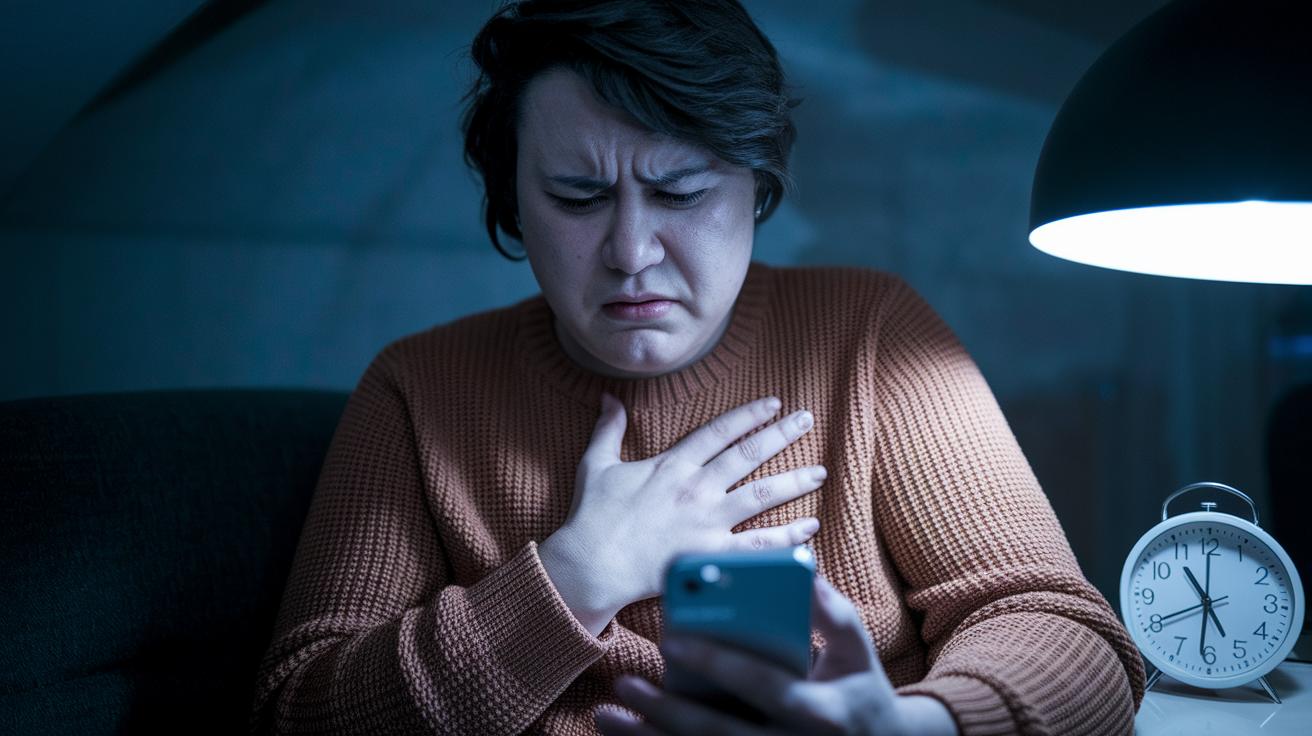
If you feel chest pressure after eating, check for these danger signs right away. If any of the following occur, call emergency services now:
- Severe chest pain for more than a few minutes.
- A fast or irregular heartbeat (heart pounding).
- Shortness of breath.
- Pain spreading to your arms or jaw.
For example, if you notice your heart racing and pain moving from your chest to your arm or jaw, take it seriously.
Diagnostic Steps for Evaluating Chest Tightness After Meals
Quick take: If you feel chest tightness after eating, you may need tests to understand the cause.
Red flags:
- Severe chest pain, trouble breathing, or fainting: call emergency services now.
- Worsening discomfort after meals: seek same-day care.
Your doctor may start by checking your upper digestive tract with an endoscopy. This test uses a small camera to view your esophagus (the tube from your mouth to your stomach) and stomach lining for irritation or ulcers. If you feel a burning sensation without classic heartburn, the test can reveal if acid reflux (when stomach acid flows upward) is creating inflammation.
Next, blood tests for heart enzymes help see if your heart muscle is under stress or damaged. These tests look for markers that your heart might be struggling, especially after a high-fat meal, which can make it work harder.
Another important test is an abdominal ultrasound. After eating fatty foods, your gallbladder releases bile. Ultrasound imaging can spot gallstones or blockages that might cause pain radiating into your chest.
Lastly, a chest X-ray checks your heart and lungs. This simple test helps rule out issues in these areas that might show up as chest tightness after eating.
Experts like Dr. Sudhir Kr. Gupta and Dr. Dubey recommend a thorough workup if your symptoms continue. This complete approach helps ensure you get a clear diagnosis and a safe treatment plan.
Immediate Home Remedies for Chest Pressure After Eating

Quick take: Simple home steps can ease chest pressure after meals. If your chest pain gets worse or you have trouble breathing, call emergency services now.
Red flags (Call emergency services now if you experience any of these):
- Severe chest pain
- Shortness of breath
- Dizziness or fainting
Here’s what you can do right away:
- Take an over-the-counter antacid. These medicines work by neutralizing extra stomach acid. Some people also use proton pump inhibitors (medicines that lower acid) or H2 blockers (medicines that reduce acid production) for extra help.
- Eat smaller meals more frequently. For example, try splitting your dinner into two light meals to lower the pressure on your stomach.
- Stay upright for at least 2 hours after eating. Sitting or standing helps keep stomach acid in place. Avoid lying down right away.
- Wear loose clothing around your waist. Tight clothes can put extra pressure on your abdomen and make chest discomfort worse.
- Keep an eye on your portions. Sometimes a moderate meal with protein and vegetables works better than a heavy dish.
- Sip warm herbal tea like chamomile. It can soothe your throat and chest, adding comfort after a meal.
These simple steps can help ease chest pressure after eating while supporting your overall digestive health.
Long-Term Management of Chest Pressure Post-Meal
Quick take: If you notice chest pressure after eating, simple daily changes can help reduce your discomfort.
If you experience any of these emergency signs, call emergency services now:
• Trouble breathing
• Severe, tight pain that spreads to your arm or jaw
• Fainting or sudden dizziness
Common causes of chest pressure include extra weight pushing on your stomach, eating large or trigger foods, and lying down too soon after a meal. Here’s how you can ease your symptoms:
• Keep a healthy weight. Extra weight can press on your stomach and let acid slip upward.
• Eat smaller meals more often. This eases your stomach’s workload and helps prevent full, heavy meals.
• Cut back on foods that spark reflux, like spicy, fatty, or acidic meals.
• Raise the head of your bed by a few inches. This simple change helps gravity keep stomach acid down while you sleep.
Some people benefit from long-term, non-invasive care. You might work on a plan that fits your life by adjusting your diet, exercising regularly, and even keeping a food diary. Note the date, time, what you ate, and how you felt afterward. This tracker can help you see which foods trigger chest pressure and guide you in reducing discomfort.
If your symptoms still don’t improve with these lifestyle changes, talk to your doctor. They may suggest additional treatments or, in some cases, surgical options for difficult acid reflux (GERD).
Remember, these everyday steps are a safe and practical way to manage your chest pressure over time. Stay observant, and don’t hesitate to seek help if your symptoms worsen.
When to Consult a Doctor About Chest Pressure After Eating
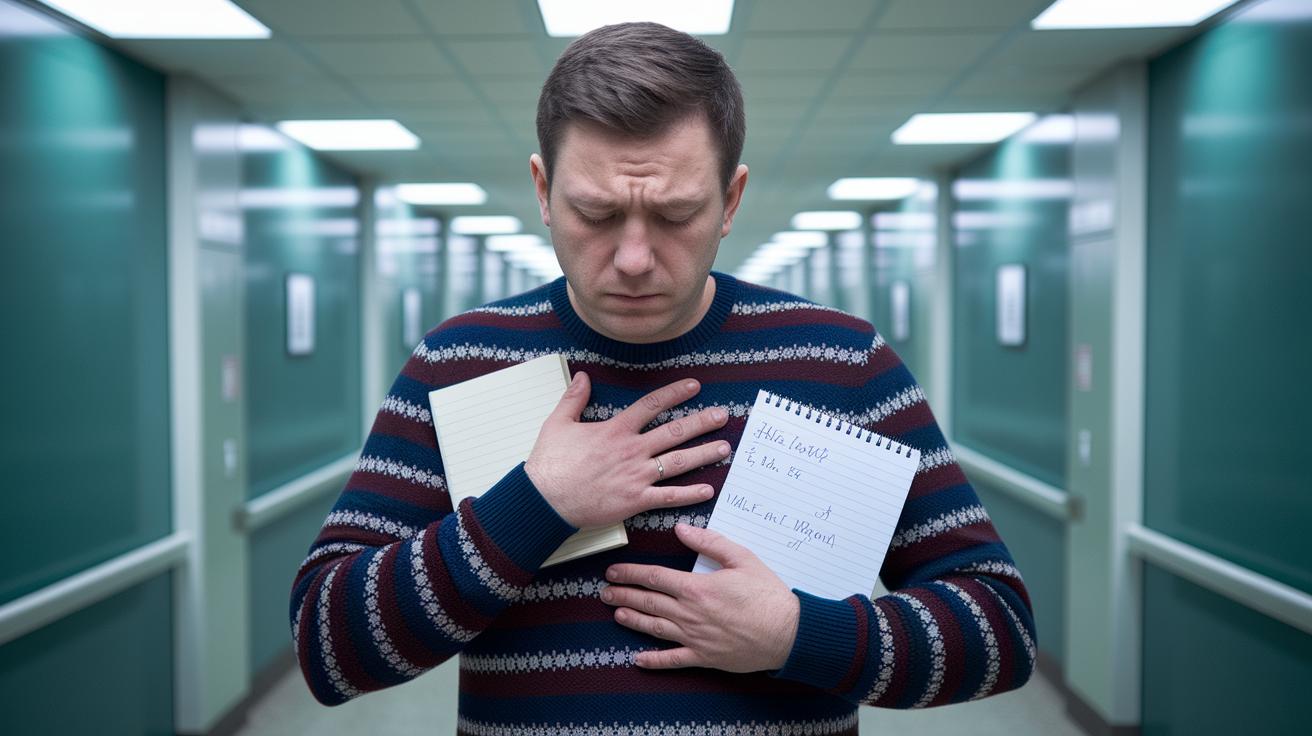
Quick take: If your chest feels tighter after meals and you notice worrisome signs, get checked by a doctor.
If you have any of these problems, act now:
- Severe or lasting chest pressure
- Shortness of breath or a fast heartbeat (racing heart)
- Pain that spreads to your arms, neck, or jaw
Before your visit, keep a diary of your symptoms. Write down what you ate and how you felt afterward. This record helps your doctor understand your situation better.
Final Words
In the action, you learned that chest pressure after eating can stem from common issues like acid reflux, gallbladder problems, and esophageal conditions. You saw how to spot red flags and when to check with a doctor.
You also found practical home remedies and long-term tips to manage discomfort, along with a side-by-side look at reflux versus cardiac pain. Keeping track of your symptoms and sharing clear notes with your clinician can really help. Stay positive and proactive in managing chest pressure after eating.
FAQ
How do I stop chest tightness after eating?
Stopping chest tightness after eating involves adjusting meal size and avoiding trigger foods. Staying upright post-meal and using over-the-counter antacids may help ease the discomfort.
What causes chest pain after eating that isn’t typical heartburn?
Chest pain that isn’t classic heartburn may result from issues like GERD, esophageal spasms, or peptic ulcers. This pain can feel sharp or heavy, differing from the burning sensation usually linked to reflux.
Why do I experience heaviness or pain on the left side and in the middle of my chest after eating?
Experiencing heaviness or left-side chest pain after meals might stem from acid reflux, gallbladder concerns, or esophageal disorders. These conditions can create pressure and discomfort in various chest areas.
How does lying down after eating affect chest pain?
Lying down after eating can exacerbate chest pain by encouraging stomach acid to move upward, worsening reflux symptoms. Staying upright for a couple of hours after eating may lessen discomfort.
What does stabbing pain in the chest after eating indicate?
Stabbing chest pain post-meal may indicate conditions such as GERD, esophageal spasms, or ulcers that irritate the stomach lining. Persistent or severe pain should be evaluated by a clinician.
What does GERD chest pain feel like and where is it usually located?
GERD chest pain typically feels burning or sharp, often occurring in the mid-chest area. It can sometimes radiate upward towards the throat, mimicking the sensations of heartburn.
Can digestive issues cause chest pressure, particularly when accompanied by stomach pain in females?
Digestive issues like acid reflux, gallbladder problems, or ulcers can cause chest pressure and stomach pain. In females, these symptoms may vary, so monitoring and discussing them with a doctor is helpful.