


Quick Take:
A burning, tight chest after a meal is usually acid reflux, not heart trouble.
If you have severe pain, shortness of breath, or pain that spreads to your arm or jaw, call emergency services immediately.
Sometimes after eating, you might feel a tight, burning pressure in your chest. That feeling can be scary, but it is often just acid reflux. Acid reflux happens when stomach acid backs up into your esophagus (the tube that carries food from your mouth to your stomach). This can pinch the area behind your breastbone and cause sharp discomfort.
In fact, most chest pain that isn’t caused by heart problems comes from acid reflux. Today we’re here to explain why this happens and to help you understand your symptoms. If your pain feels worse or you notice new signs, make sure to seek help from your doctor.
Understanding Acid Reflux as a Source of Chest Pressure
Quick take: Acid reflux can cause a burning, tight pressure in your chest, especially after meals.
Triage:
- Call emergency services now if you have severe chest pain with shortness of breath or pain that feels like a heart attack.
- Seek same-day medical help if the pressure does not get better with antacids.
- Monitor your symptoms and note when they occur, especially around meals.
More than 50% of non-heart-related chest pain is caused by acid reflux. This happens when stomach acid flows up into your esophagus (the tube that runs from your mouth to your stomach) and irritates its lining. This irritation makes you feel a squeezing pressure behind your breastbone that can last for hours, and sometimes the pain can spread to your arm or back.
People often say this type of chest pressure feels like a burning or tight sensation. It is different from the sudden, crushing pain typical of heart attacks. Acid reflux usually starts after eating and is often linked with a sour taste in your mouth or the regurgitation of stomach acid.
Normally, your lower esophageal sphincter (LES), a muscle that acts as a valve, keeps acid in your stomach. When this muscle weakens, acid can escape, causing inflammation and irritation in the esophagus. This irritation makes the nerves send signals that create the feeling of chest pressure.
If you notice that the chest pressure continues or gets worse even after taking antacids, it’s important to talk with a healthcare provider. Keeping track of when your symptoms occur, especially related to meals, can help in managing the discomfort.
Reviewed by Dr. Jane Doe, Internal Medicine, Last Updated: October 2023
Mechanism of Reflux-Induced Chest Tightness
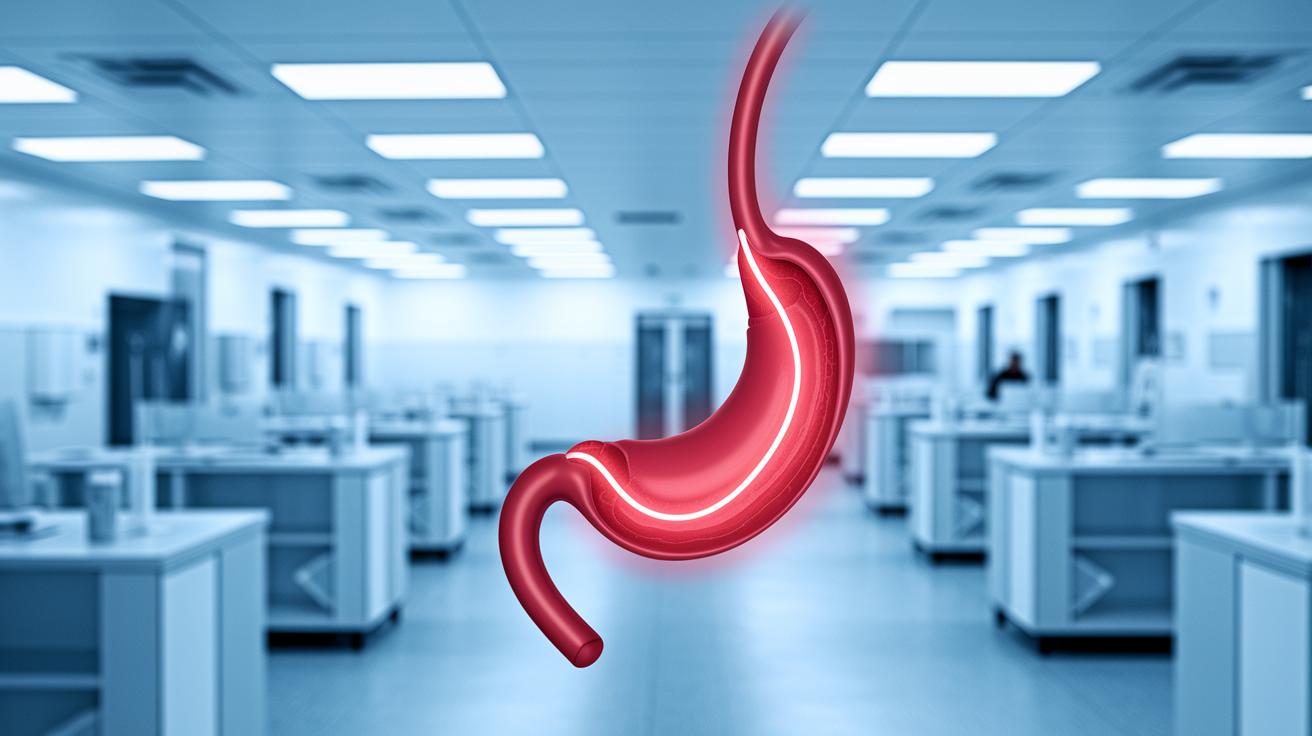
Acid reflux happens when the lower esophageal sphincter (LES) (a muscle that works like a valve) loses strength and doesn’t close properly. This lets stomach acid travel up and touch the lining of your esophagus, which irritates and inflames it.
The repeated contact with acid makes the nerves in your esophagus extra sensitive. Even a small amount of acid can then trigger a strong pain signal. That irritation leads to a tight, squeezing feeling in the chest, much like a smoke detector that beeps at the slightest hint of smoke.
In short, a weak LES, acid irritation, and nerve sensitivity together make up the chest tightness many feel with acid reflux. Over time, this pattern can make everyday eating uncomfortable.
Differentiating Acid Reflux Chest Pressure from a Heart Attack
Chest pressure can come from acid reflux or a heart attack, but they feel different. Acid reflux usually starts slowly after a meal and feels like a burning or squeezing pain. Heart attack pain, on the other hand, hits suddenly and feels crushing. Knowing these differences can help you decide when to act.
• Onset: Acid reflux pain builds gradually after eating, while heart attack pain comes on suddenly.
• Duration: Reflux pain may last from minutes up to a few hours, whereas heart attack pain tends to come and go quickly.
• Quality: Acid reflux gives a burning or squeezing feeling; heart attack pain is often described as crushing.
• Signs: Acid reflux might also cause a sour taste or make you regurgitate (bring up stomach contents). In contrast, heart attack pain is usually paired with sweating, nausea, and shortness of breath.
• Triggers: Lying down or eating a large, fatty meal can spark reflux. Heart attack pain is more likely during physical exertion.
• Relief: Acid reflux might improve with antacids, but heart attack pain often requires nitroglycerin and immediate emergency care.
Common Triggers and Risk Factors for Chest Pressure from Acid Backflow

Sometimes you might feel a burning sensation or heavy pressure behind your breastbone when stomach acid creeps up into your esophagus. Fatty meals, spicy foods, caffeine, and chocolate can weaken the lower esophageal sphincter (LES) (the muscle that keeps stomach acid where it belongs). When the LES is relaxed, acid can flow up and cause discomfort.
Eating large meals or eating late at night can overload your digestive system and intensify this pressure. For example, a greasy meal before bed can lead to a constant, uncomfortable chest pressure.
Extra weight adds pressure on your stomach, pushing acid upward. Smoking gradually weakens the LES, making acid backflow more likely. Also, lying down within 2 hours after eating creates a poor condition for digestion and may worsen the irritation during sleep.
By adjusting your eating habits and lifestyle, you may reduce the frequency and severity of this chest pressure.
Lifestyle Modifications to Reduce Esophageal Chest Pressure
Quick take: These simple changes can help ease chest pressure from acid reflux.
If you have severe chest pain, trouble breathing, or pain that spreads to your arm, call emergency services immediately.
• Raise your bed's head by 6-8 inches. Use sturdy blocks under the bed's foot to create a gentle incline.
• Sleep on your left side to help your lower esophageal sphincter (the muscle that controls acid flow) work better.
• Eat small, frequent meals instead of large ones to give your stomach a lighter workload.
• Avoid trigger foods such as spicy or fatty dishes, caffeine, and chocolate. Swapping a heavy snack for a piece of fruit may help your digestion.
• Soothe your esophagus with a warm cup of herbal tea like ginger or chamomile. These natural drinks can calm irritation without extra side effects.
Keep track of how you feel after trying these steps. If your symptoms do not improve or get worse, be sure to check in with your doctor.
Medical Treatments and Over-The-Counter Relief Options for Chest Pressure

Quick take: If your chest pressure is from acid reflux, antacids and H2 blockers might help fast. If you have severe chest pain with shortness of breath, pain in your arm or jaw, or feel faint, call emergency services immediately.
Triage Box:
• If you experience chest pain with shortness of breath or pain that spreads to your arm, neck, or jaw, call emergency services now.
• If you feel dizzy or faint, seek help immediately.
• If your symptoms are new or getting worse quickly, get urgent care.
Antacids like calcium carbonate and magnesium hydroxide work fast by neutralizing stomach acid. They can ease discomfort within minutes. H2 blockers such as ranitidine and famotidine reduce acid production and may start working in about 30–60 minutes. These are common choices for occasional, mild to moderate chest pressure caused by acid reflux.
If you have frequent or stronger symptoms, your doctor might recommend a prescription treatment. Proton pump inhibitors (PPIs) such as omeprazole or esomeprazole block acid for 24 hours or more and help manage reflux over the long term. Sometimes, prescription prokinetics are added to strengthen the lower esophageal sphincter (the muscle that keeps stomach acid down) and reduce reflux episodes.
| Medication Class | Examples | Time to Start Working | When to Use |
|---|---|---|---|
| Antacids | Calcium carbonate, Magnesium hydroxide | Within minutes | Immediate relief |
| H2 Blockers | Ranitidine, Famotidine | 30–60 minutes | For frequent symptoms |
| Proton Pump Inhibitors | Omeprazole, Esomeprazole | 2–4 hours | Long-term control |
If your reflux symptoms are more advanced, prescription prokinetics might be suggested. These medications help the esophageal sphincter work better to keep stomach acid in the right
Warning Signs: When Chest Pressure Requires Emergency Care
Quick take: Chest pressure that won’t ease with antacids may be a sign of a serious heart issue.
If any of these red flags are present, call emergency services immediately:
- Severe pressure that spreads to your arm, jaw, or shoulder
- Sudden sweating, dizziness, or feeling faint
When you feel persistent chest pressure that doesn’t get better with antacids, especially if it spreads to other areas, you need to be evaluated by a doctor right away. That pressure might be more than just indigestion. It could be your heart sending a warning signal.
Also, if you have ongoing chest discomfort that seems like reflux but keeps getting worse, it is important to seek urgent care. Over time, untreated reflux can harm your esophagus and lead to problems like Barrett’s esophagus or narrow passages (strictures). It is best to get checked to rule out a heart attack and avoid further complications.
Final Words
In the action, we explored how acid reflux can cause chest pressure and broke down its causes, triggers, and treatments. We reviewed key differences between reflux symptoms and heart attack warning signs, and offered clear steps for safe home care. Red flags were highlighted to help you know when to seek emergency help.
Take heart knowing that simple changes and timely care can ease your discomfort and keep you safe. Stay alert and follow these guidelines for peace of mind.
FAQ
GERD chest pain location
GERD chest pain location typically centers behind the breastbone and may radiate to the back or arms after meals when stomach acid irritates the esophagus.
Can acid reflux cause chest pain without burning
Acid reflux can cause chest pain without burning. The acid can irritate the esophageal lining, leading to a pressure or tightness that does not always feel like classic heartburn.
Can acid reflux cause chest pain and arm pain
Acid reflux can cause chest pain that radiates to the arm. When acid irritates nerves in the esophagus, the discomfort may extend beyond the chest area.
Can GERD cause chest pain on the left side
GERD can cause chest pain on the left side when acid irritates the esophageal lining. The resulting discomfort usually feels burning or squeezing and is often linked to eating.
Acid reflux or heart attack quiz
An acid reflux or heart attack quiz helps distinguish the symptoms. Acid reflux generally develops gradually after eating with a burning feeling, while heart attacks tend to cause sudden, crushing pain with additional warning signs.
How to relieve GERD chest pain fast
To relieve GERD chest pain fast, take an over-the-counter antacid for quick relief, sit upright, and avoid foods that trigger the symptoms. These steps help reduce the acid irritation in the esophagus.
GERD chest pain treatment
GERD chest pain treatment involves dietary changes, lifestyle modifications, and medications such as antacids, H2 blockers, or proton pump inhibitors to reduce stomach acid and ease esophageal irritation.
What does GERD chest pain feel like
GERD chest pain feels like a burning or squeezing sensation behind the breastbone that can last for hours, especially after meals. This discomfort is often mistaken for heart-related pain.
Can acid reflux put pressure on your chest?
Acid reflux can put pressure on your chest by causing irritation and inflammation in the esophagus, which results in a tight, squeezing sensation that may feel uncomfortable and persistent.
What to give a child for acid reflux?
For a child with acid reflux, doctors usually recommend lifestyle adjustments and, if needed, child-specific treatments. Always consult a pediatric provider before giving any over-the-counter remedies.
What does acid reflux feel like in pregnancy?
During pregnancy, acid reflux often feels like a burning sensation and tightness in the chest. Hormonal changes and physical pressure on the stomach can worsen these symptoms, so simple remedies and adjustments can help.
Why does my chest feel tight and heavy?
Your chest may feel tight and heavy when acid reflux causes stomach acid to irritate the esophagus. This irritation creates a pressure and tightness that can sometimes mimic more serious heart problems.