


Wondering if belly pain with fever could mean something more serious? Your body might be sending urgent signals that need quick attention. This guide explains which signs call for immediate help and which ones allow you to safely monitor your symptoms at home. You’ll learn what to watch for and the possible causes behind these signals. Follow these clear steps to help keep you safe.
Recognizing urgent belly pain with fever
Quick take: Belly pain with fever might signal a serious problem that needs fast action.
If you have any of these emergency signs, call emergency services now or go directly to the emergency room:
- A fever over 102°F (38.9°C) lasting more than 24 hours.
- Sharp, heavy pain on the lower right side.
- Blood in your vomit or stool.
- Signs of dehydration, like a dry mouth or very little urine.
- Confusion or a stiff neck.
- Vomiting or diarrhea that lasts longer than 72 hours.
- A hard belly or pain when you press it.
If you notice these symptoms, contact your doctor immediately. Acting quickly can make a big difference.
Common causes of belly pain with fever
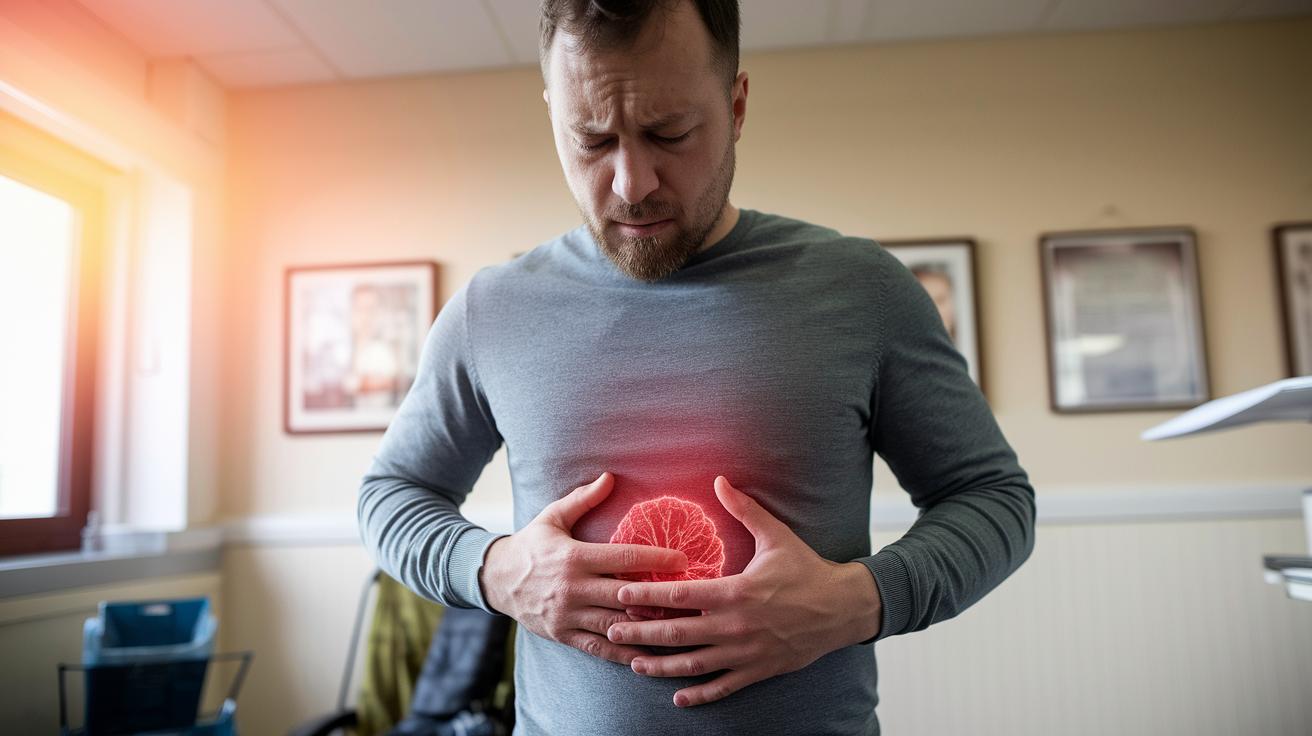
Quick take: Belly pain with fever can be caused by several conditions. Check for red flags below and seek help if your symptoms worsen.
Triage Checklist:
- Call emergency services now if you have very high fever (over 102°F), severe pain that keeps getting worse, or feel faint.
- Seek urgent care if you experience repeated vomiting, bloody urine, or sharp pain in the lower right part of your belly.
- If symptoms are mild, monitor them and follow up with your clinician if they do not improve in 1–2 days.
Viral Gastroenteritis
This is a common infection known as the stomach flu. It causes fever along with nausea, vomiting, and diarrhea. The virus is very contagious and can spread for up to 2 weeks.
Food Poisoning
Eating contaminated food can lead to food poisoning. It usually starts 2–6 hours after the meal and brings sudden cramps, vomiting, and fever. The pain can feel more intense than usual stomach upset.
Appendicitis
This condition causes pain in the lower right part of your belly and often comes with a fever over 100.4°F. The pain usually gets worse over time. Most of the time, surgery is needed to remove the swollen appendix.
Urinary and Kidney Infections
Infections in the urinary or kidney areas can cause pain near the pelvis or on the side of your back (flank pain). These infections are often paired with fever. You might also notice pain when you pee or see blood and bacteria in your urine.
Autoimmune Conditions (IBD)
Conditions like Crohn’s disease or ulcerative colitis can cause long-term belly pain with a low-grade fever. These conditions lead to recurring discomfort and can also show signs of inflammation in your blood tests.
Symptoms analysis for belly pain with fever
Quick take: Your belly pain and fever may signal different infections. Check for danger signs and act accordingly.
If you have any of these emergency signs, call emergency services now:
• Severe, constant abdominal pain that makes you feel weak or confused
• A high fever (above 102 F) or rapid heart rate
• Signs of dehydration such as dizziness or fainting
• New breathing problems or chest tightness
If your symptoms worsen or you develop new issues like vomiting or difficulty breathing, seek same-day medical help. Otherwise, monitor your symptoms and follow supportive care at home.
Many people notice similar stomach symptoms like cramps, fever, and loose stools. This overlap makes it hard to pin down the cause. Infections such as viral stomach flu (gastroenteritis), COVID-19, food poisoning, and the flu can cause these signs, but they show up in different ways. For example, viral gastroenteritis usually brings a mild fever and watery diarrhea. On the other hand, food poisoning can cause sharp cramps and vomiting after a bad meal. If you have a mild fever with muscle aches, it might be a light viral infection. But if new stomach issues come with respiratory signs, COVID-19 could be the cause. It can be confusing to decide on your own, so looking at the full picture of your symptoms helps.
| Condition | Typical Fever | Key Belly Signs | Duration |
|---|---|---|---|
| Gastroenteritis | Low to moderate | Nausea, mild cramps, diarrhea | 1-3 days |
| Food Poisoning | Often mild | Sharp cramps, vomiting | Hours to 2 days |
| COVID-19 | Low to moderate | Stomach discomfort, nausea | Varies, days to weeks |
| Influenza | Low-grade | Mild cramps, muscle aches | 3-7 days |
Use this chart as a guide for your initial self-assessment. Compare the fever level you have, the kind of belly pain you feel, and how long your symptoms last. If your signs line up with those for COVID-19 or you notice new respiratory issues along with your belly pain, it’s important to get a medical evaluation right away.
Diagnostic tips for belly pain with fever

Quick Take: Belly pain with fever can be a sign of a mild upset or a more serious infection.
If you have any of these emergency signs, call emergency services now:
- Severe, unrelenting pain or pain that suddenly gets worse
- High fever (102 F or above) accompanied by confusion or fainting
- Signs of shock such as feeling very dizzy, lightheaded, or extremely weak
If your pain or fever continues to worsen or doesn’t improve in 48 hours, seek same‐day medical care. For mild symptoms, monitor your condition and follow your healthcare provider’s advice.
When you have belly pain along with a fever, doctors use tests to find out what’s causing your symptoms. These tests can show whether your illness is likely caused by a virus (an infection from a virus) or bacteria (an infection from bacteria), and help decide if the problem is simple indigestion or something that needs urgent care.
Blood Tests
Doctors often start with blood tests like a complete blood count (CBC, which checks your blood cells) and C-reactive protein (CRP, which spots inflammation). They may also check your electrolyte levels. These tests help tell the difference between a viral and a bacterial infection and decide if you need antibiotics.
Imaging Studies
An ultrasound is usually the first step. It looks at your gallbladder, liver, and even checks for signs of appendicitis (inflammation of the appendix), especially in children. If you’re an adult with ongoing pain in the lower right area of your belly and the ultrasound isn’t clear, a CT scan can give a better picture and help confirm the cause.
Specialized Tests
Sometimes, a stool culture is done to find bacteria or other germs that may cause gut infections. If you also have breathing issues along with stomach symptoms, a COVID-19 PCR test might be recommended. These tests make sure your doctor has all the details needed to choose the right treatment for you.
Home remedies and treatments for belly pain with fever
Quick take: Use these home steps to lower fever and ease belly pain, but seek help if symptoms worsen.
If you notice any of these signs, call emergency services now:
• Severe, constant pain or a fever above 102 F
• Vomiting, dehydration, or blood in your stool
If your pain or fever does not get better in 1-2 days, seek same-day medical care.
At home, you can help ease your pain and fever while your body works to heal. The goal is to lower your fever and comfort your belly until symptoms improve or you see a healthcare provider.
Medications such as acetaminophen (Tylenol) and ibuprofen (Advil) lower both fever and pain. For adults, you can take acetaminophen at 650 mg every 4-6 hours. Ibuprofen is usually taken in doses of 200-400 mg every 6-8 hours. If your stomach feels very sensitive or the pain increases, it is best to avoid ibuprofen because it might upset your stomach more. Always follow the dose on the label and watch for any allergies.
You can also try non-drug methods for relief. A gentle warm compress on your belly might help reduce cramps and pain. Make sure to rest and keep physical activity to a minimum so your body can heal. Sipping small amounts of an oral rehydration solution throughout the day helps you stay hydrated, hydration is important when your body is fighting an infection.
Follow these steps and monitor your symptoms closely. If you see any red flags or your condition doesn't improve, don't wait to contact a healthcare provider.
Diet and hydration for belly pain with fever
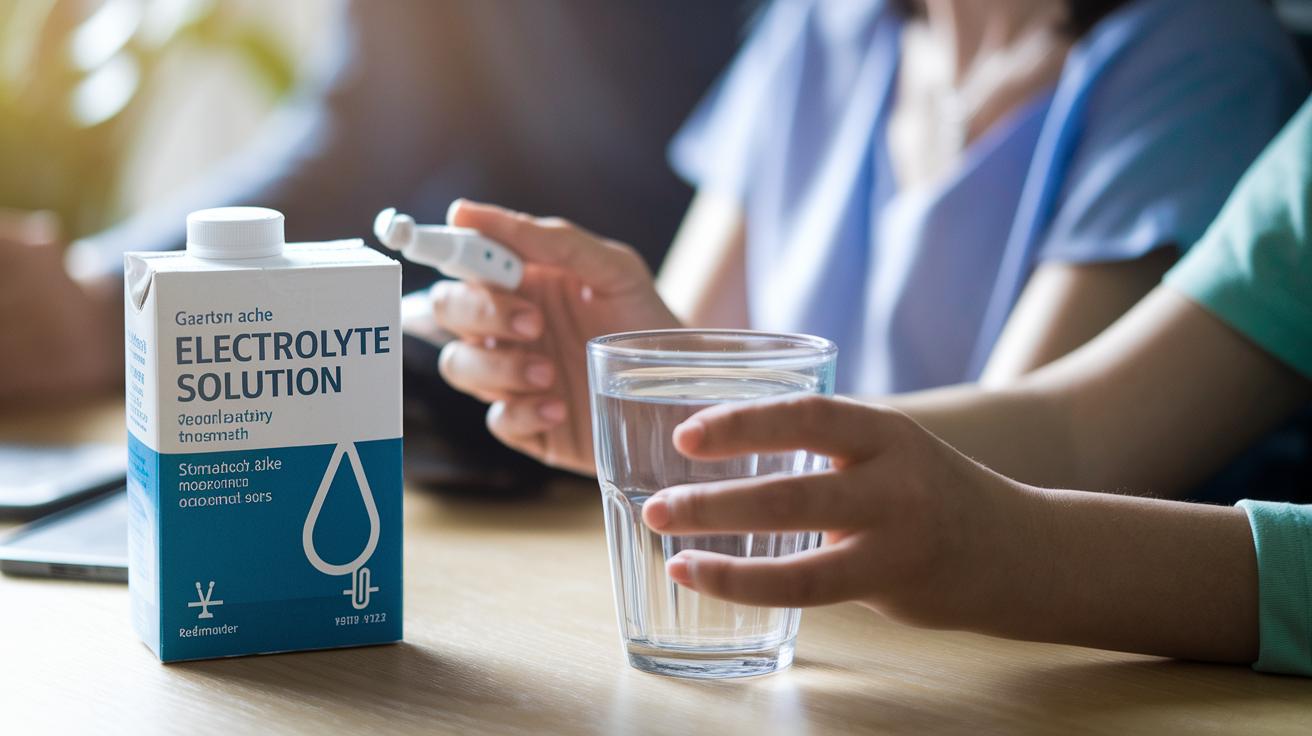
Quick take: Hydrating well and slowly easing back into bland foods can help you feel better.
If you have any of these emergency signs, call emergency services now:
- Confusion or fainting
- Severe dehydration (dizzy, rapid heartbeat)
- Fever above 103 F
- Ongoing vomiting or diarrhea that stops you from keeping fluids down
Staying well-hydrated is important when you have belly pain with fever. Drinking clear broths and electrolyte solutions (drinks that replace lost salts and minerals) helps keep your stomach calm and your body supplied with fluids. Sip small amounts often, about 8 to 10 sips every hour, especially if you are vomiting or having diarrhea. This routine helps prevent dehydration and can ease your discomfort.
Once you can keep fluids down steadily, start adding in simple, gentle foods. Begin with clear liquids and then move on to bland choices like bananas, rice, applesauce, and toast (often called the BRAT diet). These foods provide needed energy without upsetting your stomach. You can also try warm ginger or peppermint tea to help ease cramps. Avoid dairy and high-fiber foods for now, as they may be too hard on your digestion. This gradual approach lets your body focus on healing while you slowly regain strength.
Recovery and post-infection care after belly pain with fever
Quick take: Recovering from belly pain and fever takes time and step-by-step care.
Triage Box:
If you have any of these emergency signs, call emergency services now:
- Severe, worsening belly pain
- Confusion or extreme dizziness
- Inability to keep fluids down
- A high fever (over 103°F)
If your symptoms get worse or you show signs of dehydration (extreme thirst, dry mouth, rapid heartbeat), seek same-day medical attention.
After your illness, be gentle with your body. Viral gastroenteritis (stomach flu) can be spread for up to 2 weeks. This means you need to take it slow and build your strength gradually.
Adequate Rest and Sleep
Good sleep is key. Rest helps your immune system and gut repair themselves. It gives your body time to reduce inflammation and regain strength.
Probiotics and Gut Flora
Once your fever is gone, try adding probiotics like Lactobacillus (helpful good bacteria). These supplements can support a balanced gut and help you avoid further tummy troubles.
Gradual Food Reintroduction
Start with easy-to-digest foods such as the BRAT diet (bananas, rice, applesauce, toast). As you feel ready, slowly introduce other bland foods so you don’t overwhelm your recovering stomach.
Follow-Up and Monitoring
If your symptoms stick around for more than 72 hours or come back, reach out to your healthcare provider. Keeping track of what you feel helps ensure any problems get noticed early.
Final Words
In the action, we reviewed key signs and steps to take when dealing with belly pain with fever. We highlighted when to seek emergency care and how to track critical symptoms like prolonged high fever and severe abdominal pain.
We broke down common causes and self-care steps, including clear home treatments and diet adjustments. Remember, staying alert to your symptoms empowers you to act safely and prepare focused information for your healthcare provider, ensuring you get the care you need while keeping a positive outlook.
FAQ
Frequently Asked Questions
What does having stomach pain with fever but no diarrhea or vomiting indicate?
Having stomach pain with fever without diarrhea or vomiting suggests a localized inflammation or infection. It is important to monitor your symptoms and seek medical advice if the pain worsens or new signs develop.
What does fever with stomach pain in a child mean?
Fever with stomach pain in a child can indicate an infection such as gastroenteritis or an early sign of appendicitis. Keeping an eye on their symptoms and hydration is key, and consult a clinician if their discomfort increases.
How does stomach pain and fever in adults differ?
In adults, stomach pain with fever might stem from conditions like appendicitis, food poisoning, or urinary tract infections. The location and intensity of your pain help guide the urgency and type of treatment required.
How should stomach pain with fever but no diarrhea be treated?
Treatment for stomach pain with fever without diarrhea focuses on symptom relief and hydration. Over-the-counter medications like acetaminophen may be used, but it is best to seek care if pain intensifies or additional symptoms occur.
What does lower abdominal pain with fever, especially in females, indicate?
Lower abdominal pain with fever in females may signal pelvic infections, urinary issues, or ovarian conditions. It is important to consult a healthcare provider for a proper evaluation and accurate treatment.
What causes upper stomach pain and fever?
Upper stomach pain and fever might be caused by conditions such as gastritis, pancreatitis, or gallbladder problems. A clear clinical evaluation is needed to pinpoint the exact cause and guide proper treatment.
What causes stomach pain with fever in general?
Stomach pain with fever can result from infections, inflammation, or problems with internal organs. Recognizing patterns like pain location and fever level helps in determining the cause and necessary care.
When should I go to the ER for abdominal pain and fever?
You should go to the ER for abdominal pain and fever if you experience severe, localized pain, blood in vomit or stool, or signs of dehydration. Immediate evaluation is essential when these warning signs are present.
What are three red flags in abdominal pain?
Red flags include a high fever (above 102°F for more than 24 hours), blood in vomit or stool, and severe, localized pain with abdominal rigidity. These signs require prompt medical attention.
What are the three types of abdominal pain?
Abdominal pain is classified as visceral (dull and diffuse), parietal (sharp and localized), or referred pain (felt in a different area from its source). Each type provides clues to the underlying condition.