

Quick Take: Gas pain is common and usually harmless. However, if you experience severe pain, fever, or vomiting, seek help immediately.
Have you ever felt a little gas turn into stubborn belly pain that disrupts your day? It can seem minor at first, yet sometimes it may signal an underlying issue. Studies show that belly discomfort after meals is more common than you might think.
In this post, we explain why your stomach might be acting up. We also share clear, practical steps to help you feel better fast. Keep reading to learn the warning signs and how to get back to feeling like yourself.
Understanding Belly Pain and Gas: Symptoms, Causes & Relief
Quick take: Mild gas pain is common and usually harmless, but persistent belly pain with red flags needs urgent care.
If you have any of these emergency signs, call emergency services now:
- Fever
- Trouble keeping fluids down (risk of dehydration)
- Prolonged vomiting
- Bloody stools
- Difficulty breathing
Your belly pain and gas can feel different depending on the cause. Gas pain is usually light and fades quickly when you pass gas. You might feel brief cramps or discomfort in your midsection after eating. Gas often builds up when you swallow air from eating too fast, chewing gum, or drinking fizzy drinks. Gut bacteria also produce gas as they break down food, which can lead to bloating and mild discomfort.
In contrast, some types of belly pain stick around and feel stronger. This pain can come with other symptoms like nausea, vomiting, fever, diarrhea, or constipation. When your pain stays and stops you from feeling like yourself, it is important to act now and get help.
A survey of 54,000 people in 26 countries found that 1 in 10 experience belly pain after meals. About 13% of women and 9% of men reported symptoms such as bloating, feeling full too quickly, constipation, or diarrhea. Besides causing physical discomfort, these symptoms have been linked to higher anxiety and depression.
Pay attention to your symptoms and check these steps:
- Note when the pain happens and how long it lasts.
- Track any extra symptoms using a simple checklist (date/time, what happened, severity, and any actions that helped).
- Monitor any changes and share this list with your healthcare provider.
Understanding the difference between normal gas pain and more serious belly pain can help you decide whether to stay home or seek urgent care. Remember, early action is key to feeling better fast.
Common Causes of Belly Pain and Gas
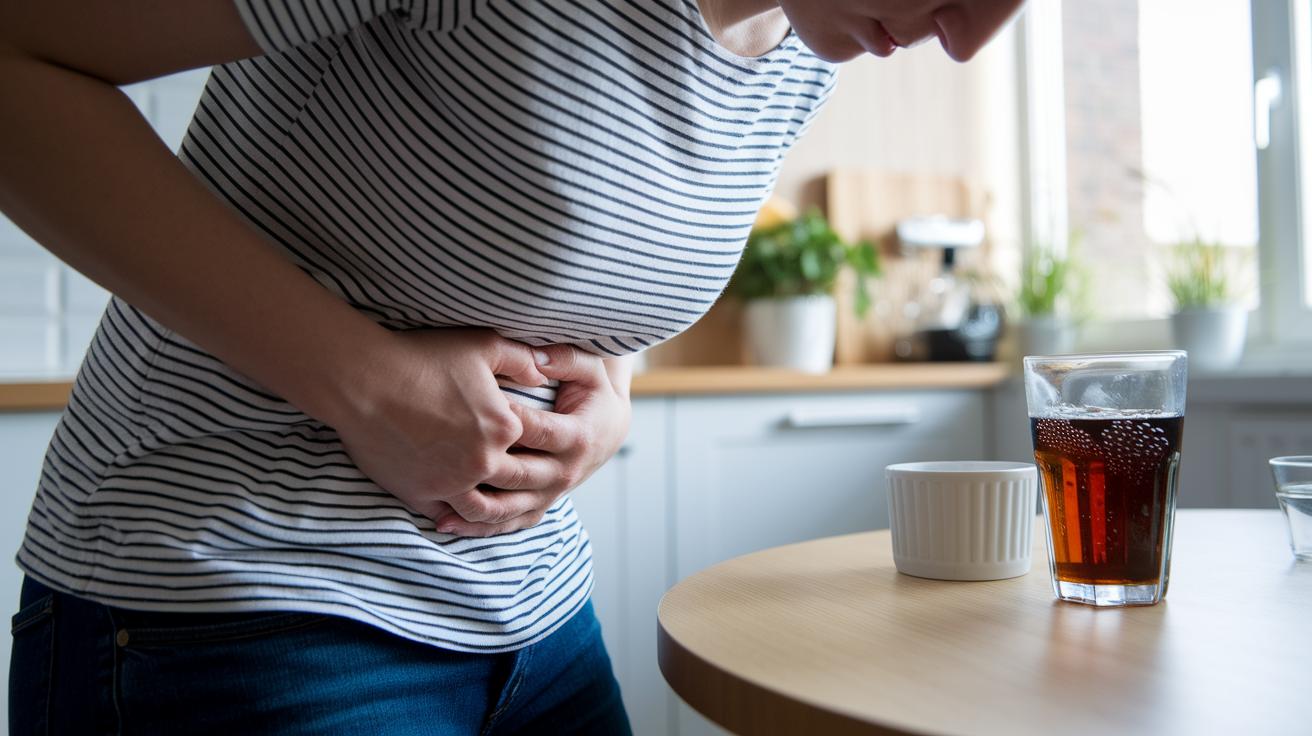
Gas pain usually comes from swallowing extra air. You may swallow air when you eat too quickly, chew gum, or drink fizzy drinks. Bacteria in your gut also break down certain foods (a process called fermentation), which can add to the gas. Imagine chugging a soda at lunch, each bubble may add extra air and cause discomfort.
Some foods often cause gas. Foods like beans, broccoli, cabbage, dairy, wheat, soy, shellfish, and nuts can upset your stomach. When you have trouble digesting these foods, gas builds up and you may feel bloated or get mild cramps.
Sometimes, food allergies or intolerance can lead to ongoing gas. If you are sensitive to eggs, milk, or peanuts, you might experience gas, cramps, and even diarrhea. This can feel like a little storm in your belly after you eat something that irritates your system.
Digestive issues like irritable bowel syndrome (IBS) may also be to blame. IBS often causes belly cramps, changes between constipation and diarrhea, and increases gas. Noting what you eat and how you feel can help you figure out which foods trigger these symptoms.
Belly Pain and Gas: Feel Better Fast
Quick take: A short walk, some warmth, plenty of water, gentle massage, and simple stretches can help ease belly gas.
Triage Box:
If you have any of these emergency signs, call emergency services now:
- Sharp, severe, or unrelenting pain
- High fever or persistent vomiting
- Swollen abdomen or inability to pass gas
For mild symptoms, try the steps below and see if you feel better soon.
Belly pain and gas often come from trapped air or slow digestion after eating. Here are some simple actions you can take at home:
- Walk for 10–15 minutes after meals to help move the air along.
- Apply a warm compress or heating pad on your belly for 15–20 minutes to ease cramps and relax tight muscles.
- Drink water or sip warm herbal tea throughout the day to keep your digestion flowing.
- Gently massage your belly in small circular motions to encourage the air to move.
- Try easy yoga poses like knees-to-chest or a seated twist. These stretches help release trapped air and ease discomfort.
These steps may help you feel better fast. If your pain increases or you notice red flags, please seek medical attention right away.
Top Over-the-Counter Treatments for Belly Pain and Gas
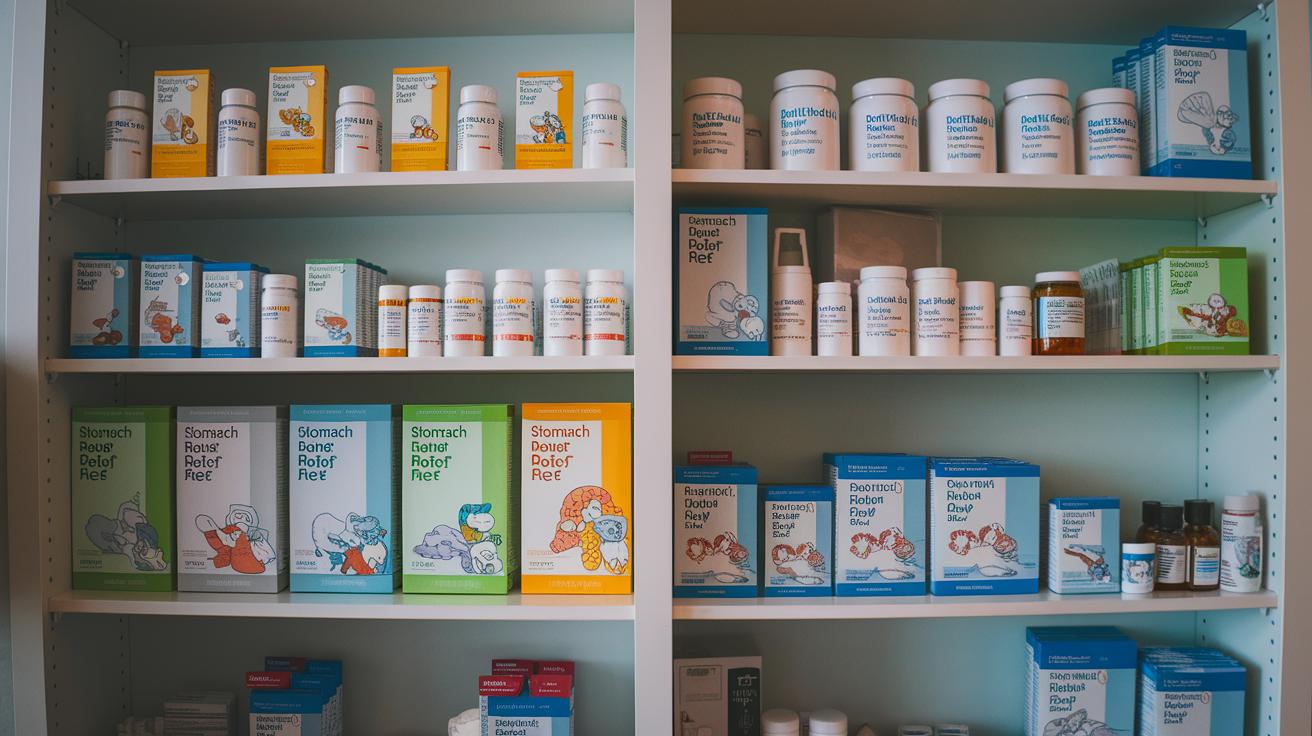
Quick take: Over-the-counter options can ease belly pain and gas quickly.
Triage Box:
- If your pain is severe or you feel very unwell, call emergency services now.
- If your pain gets worse or you have a fever or vomiting, seek urgent care.
- If your symptoms are mild, you can try these remedies and monitor your condition.
When trapped gas causes belly pain, you can often find relief with medicine you get without a prescription. These products work in different ways to help you feel better.
• Simethicone-based products (like Gas-X) work by breaking up tiny gas bubbles. This makes it easier for you to pass gas and reduces the feeling of a bloated stomach. Follow the instructions on the package, and you might notice relief in about 30 minutes.
• Activated charcoal supplements can absorb extra gas in your intestines. This absorption can lower the pressure that causes discomfort when gas builds up.
• Antacids, whether in the form of tablets or liquids (often containing calcium carbonate), neutralize stomach acid that might worsen your pain. They work well if your symptoms are linked to acid indigestion.
• Enzyme supplements, such as alpha-galactosidase, help break down carbohydrates that produce gas. Taking these before meals may cut down the amount of gas formed during digestion.
Always read the dosing guidelines on each product and use them as directed. These over-the-counter choices are a practical way to get fast relief from belly pain and gas.
When Belly Pain and Gas Signal the Need for Medical Care
Quick take: Severe belly pain with gas and these red flags may point to a serious problem.
If you have any of these emergency signs, call emergency services now:
- Intense pain lasting over 48 hours
- High fever
- Inability to keep fluids down or signs of dehydration
- Prolonged vomiting
- Bloody or black stools
- Shortness of breath or chest pain
If you notice these signs, seek medical help immediately. Your doctor might use tests to find the cause. For instance, if your symptoms point to a colon problem, you may need a colonoscopy (a test where a camera examines your colon). If your discomfort seems to come from your upper digestive tract, a gastroscopy (a test that inspects your stomach and esophagus) might be done.
Keep track of how long your symptoms last and note how bad they are. Share these details with your healthcare provider so they can help you quickly.
Lifestyle & Dietary Strategies to Prevent Belly Pain and Gas
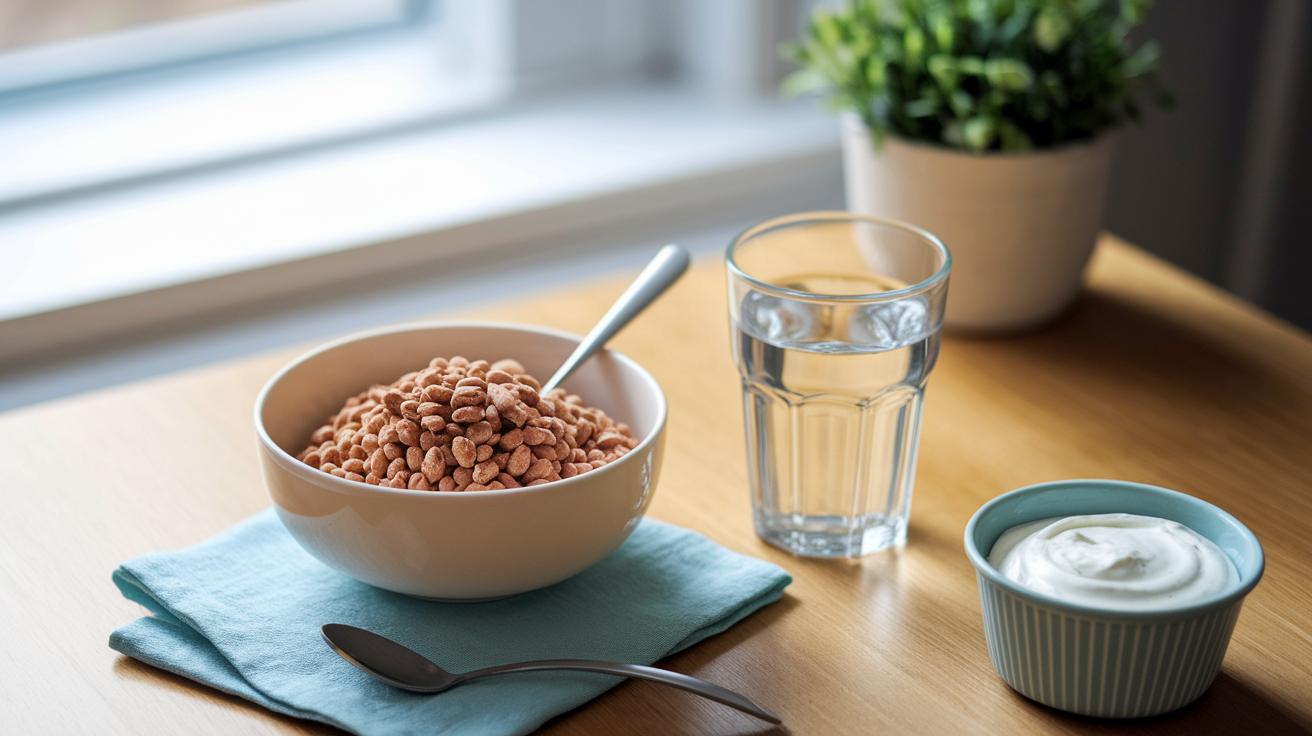
Quick take: Simple changes in your diet and daily habits can help ease belly pain and gas.
If you have any of these emergency signs, call emergency services now:
- Sudden, severe belly pain
- High fever (above 102°F)
- Vomiting blood
If your pain worsens quickly or you feel very unwell, contact your doctor right away.
Most times, mild belly pain and gas come from eating habits and liquid intake. You can take steps to feel better.
What you can do now:
- Eat more fiber. Aim for 25–30 g daily from whole grains, fruits, and vegetables.
- Drink 8–10 glasses of water each day to help your digestion.
- Include probiotic foods like yogurt, kefir, or sauerkraut. These help support healthy gut bacteria which ease digestion.
- Eat slowly and chew your food well. Taking small bites helps reduce swallowed air.
- Skip carbonated drinks that create extra gas.
- Take a 30-minute walk on most days. Light exercise helps move gas through your intestines.
- Try an anti-bloating meal plan. Eat small, frequent meals with lean proteins, cooked vegetables, and whole grains.
Track your progress:
- Write down the time and details of your meals
- Note the level of belly pain or gas (mild, moderate, severe)
- Mention what seems to help or worsen your symptoms
If your symptoms do not improve or get worse after trying these tips, follow up with your doctor.
Final Words
In the action, belly pain and gas can be managed with practical steps. We reviewed common causes, easy home-care tips, over-the-counter solutions, and key warning signs that require prompt care. Check your symptoms closely and record any changes. Simple lifestyle shifts like mindful eating and regular exercise can help prevent discomfort in the long run. Keep these proven strategies in mind to maintain a healthier gut and feel better sooner. Stay safe and proactive in managing your well-being.
FAQ
How to remove gas from stomach instantly
The method to remove gas instantly often involves gentle movement, an abdominal massage, or applying a warm compress to help the trapped gas escape quickly.
How to treat too much gas in the stomach
Treating too much gas starts with recognizing trigger foods and eating slowly. Over-the-counter options like simethicone can help break down gas bubbles for relief.
How to remove gas from stomach instantly home remedies
Home remedies for quick gas relief include taking a short walk, applying a warm compress, massaging the belly, and sipping warm herbal tea to encourage gas movement.
What is excessive gas a sign of
Excessive gas is often a sign of a dietary sensitivity or digestive condition like irritable bowel syndrome, which may cause bloating, cramping, and irregular bowel habits.
Trapped gas pain locations
Trapped gas pain usually appears in the upper and central abdomen around the belly button, but it may occasionally radiate toward the chest or back as the gas moves.
Causes of excessive gas in females
In females, excessive gas can result from hormonal changes, dietary factors, or conditions like irritable bowel syndrome, which may lead to bloating and discomfort during certain times.
How to remove gas from stomach instantly medicine
Medicines like simethicone work by breaking up gas bubbles in the stomach, providing fast relief. Always follow the recommended dosage instructions on the label.
How to relieve gas pain in stomach
Gas pain relief can be achieved by gentle steps such as walking, using a warm heating pad, drinking water, and considering over-the-counter gas relief options for added comfort.
How to get rid of stomach pain due to gas
Getting rid of stomach pain from gas involves self-care measures like light exercise, heat therapy, staying hydrated, and applying a gentle massage to help ease the cramping.
What are the three red flags in abdominal pain
Three red flags in abdominal pain include experiencing a high fever, noticing blood in stools, and having prolonged episodes of vomiting, all of which warrant immediate medical evaluation.
How to relieve gas when pregnant
For pregnant individuals, relieving gas safely means taking gentle walks, using warm compresses, and avoiding foods that create extra gas, while always consulting with your healthcare provider.
What can be mistaken for trapped gas
Symptoms of trapped gas may resemble issues like gallbladder or appendicitis pain. Persistent discomfort or severe symptoms should prompt a medical evaluation to rule out serious conditions.