


Quick Take: Belly pain in men may be a sign that your body needs a check-up.
If you experience any of these emergency signs, call emergency services now:
• Intense pain that comes on suddenly
• Vomiting that won’t stop
• A high fever (102 F or higher)
• Confusion or trouble breathing
Belly pain can show up as a dull ache or a tight, pressing feeling. Sometimes it appears after a heavy meal or during a stressful day. This pain might be due to something simple like digestion issues or stress, but it can also signal something that needs attention.
Here’s what you can do:
- Take note of when the pain begins and how strong it feels (mild, moderate, or severe).
- Rest and keep track of other symptoms like nausea or fever.
- If the pain gets worse or you notice any red flags, seek medical care right away.
We know it can be worrying when you feel this kind of discomfort. Keep monitoring your symptoms, and don’t hesitate to get help if you’re unsure. Your well-being matters, so take action if something doesn’t feel right.
Assessing Belly Pain in Men: Initial Evaluation and Pain Scale
Quick take: Belly pain in men can be mild or moderate, and if it lasts longer than 2 hours or comes with other symptoms, you should contact a healthcare provider immediately.
If you have any of these emergency signs, call emergency services now:
- Severe, constant pain that does not fade
- Sudden nausea or vomiting
- Noticeable changes in bowel habits
Likewise, if you find that the pain makes it hard to go about your day as usual, seek same-day medical advice.
Men may feel pain in the belly area (the space between the bottom of the rib cage and your upper thighs). It might come off as a dull ache, slight pressure, or mild cramping. You might notice this discomfort after a large meal or on a stressful day at work.
Mild pain does not stop you from working or enjoying your hobbies. It acts as a gentle reminder from your body. Moderate pain, however, may slow you down, much like a nagging ache that hinders you from sitting comfortably for a long time.
Keep an eye on your symptoms for about 2 hours. Write down when the pain starts, how strong it feels (on a scale or in simple terms), and any extra signs like nausea or bowel changes. If the pain stays the same or worsens after 2 hours, reach out to a healthcare provider immediately to rule out any serious issues.
Common Causes of Belly Pain in Men

Quick take: Belly pain can be from a minor problem or a sign of something more serious.
If you have any of these emergency signs, call emergency services now:
• Severe, sharp pain that lasts over 2 hours
• Pain with vomiting, fever, or a tender, hard lump in your belly
Belly pain can come for many reasons. Sometimes it is caused by simple problems such as indigestion and gas, acid from your stomach coming back up (acid reflux or GERD), or small sores in your stomach lining (peptic ulcers). Other times, you might have a gut condition like irritable bowel syndrome (IBS) or inflammatory bowel disease (IBD) that makes your stomach hurt.
In some cases, the cause is more serious. For example, if you have appendicitis, you might feel a sharp pain in the lower right side. Testicular torsion, where a twist cuts off blood flow in your testicles, is another emergency that needs fast treatment. Other causes include bowel blockage, gallstones, kidney stones, and infections from viruses or bacteria.
Mild pain after a heavy meal or during stress might go away with rest, plenty of water, and a light diet. But if your pain is strong or lasts too long, make sure to see a healthcare professional to check your symptoms. Monitor your pain and other signs closely so you can decide when to get help.
Location-Specific Belly Pain Patterns in Men: Boost Your Well-being
Noticing exactly where your belly hurts can help you figure out what might be wrong. Different areas of your belly are linked to different issues. For example, pain at the top of your belly is often due to stomach irritation from conditions like gastritis or acid reflux (when stomach acid flows back into the esophagus). If you feel pain around your belly button, it could be from trapped gas or irritable bowel syndrome (IBS, a condition that affects how your intestines work). By marking the spot of your pain, you can decide whether to keep an eye on it or seek advice from a doctor.
| Location | Possible Causes |
|---|---|
| Top of belly | Gastritis, acid reflux (GERD) |
| Around belly button | Gas buildup, IBS |
| Lower right | Appendicitis |
| Lower left | Colitis, diverticular disease |
Remember that some symptoms can mix together. When pain spans more than one area, it might be best to have a doctor check it out to ensure you get the proper care.
Risk Factors and Male-Specific Triggers for Belly Pain
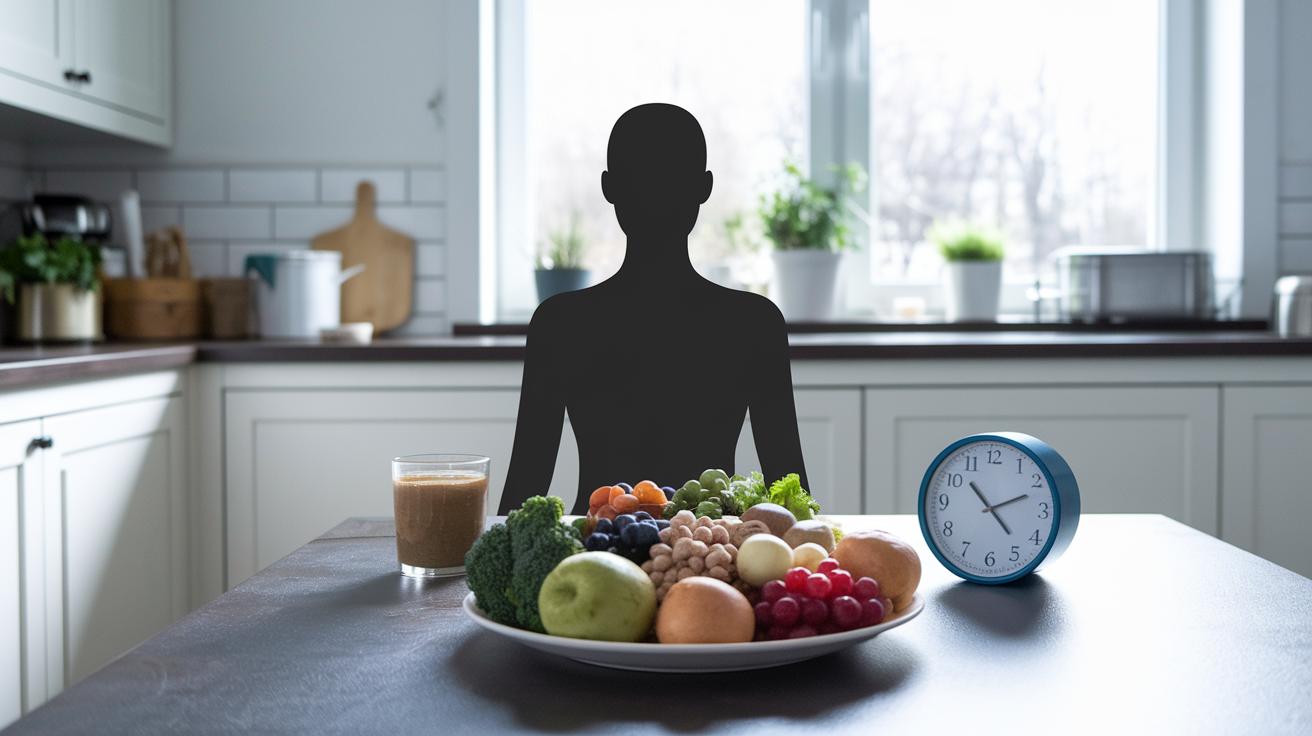
Quick take: Daily choices like your diet, habits, and stress levels can trigger belly pain.
Triage: If you have any of these signs, call emergency services now:
- Severe, sharp pain that does not stop
- Vomiting blood
- Black or tarry stools
- High fever
Everyday habits can play a big role in how your belly feels. What you eat and drink, and how you organize your day, can make pain worse even when there is no serious illness.
Certain foods and habits can upset your stomach. Fatty or spicy foods may cause cramps, and too many pain relievers like ibuprofen (a common non-steroidal anti-inflammatory drug) may irritate your stomach lining. Drinking too much alcohol or not having a planned, balanced meal schedule can also trigger pain. Eating regular, healthy meals might ease the discomfort.
Stress and anxiety can also lead to belly pain. When you feel overwhelmed or worried, it might show up as stomach aches or cramps. Managing stress can help reduce these painful episodes.
Home Care and Over-the-Counter Relief for Belly Pain in Men
Quick take: For mild belly pain, try resting and hydrating with clear liquids.
If you notice your pain worsening after 2 hours, seek medical help.
When your belly pain is light, start with plenty of fluids. Drink water, flat soft drinks, or half-strength sports drinks to soothe your stomach and keep dehydration at bay. Resting gives your body time to heal. If you feel nauseous, find a quiet spot to relax and let your stomach settle.
For extra relief, you can try over-the-counter antacids to lower stomach acid. Simethicone may also help if you feel gas-related discomfort. Avoid pain relievers like ibuprofen because they can irritate your stomach lining. Also, take it easy during bowel movements so you do not worsen the pain.
Monitor your symptoms closely. If the pain gets stronger or lasts more than a few hours, contact a healthcare provider right away.
When to Seek Medical Attention for Belly Pain in Men

Quick take: If your belly pain lasts more than 2 hours or gets worse fast, act now. Note when it started, how strong it is, and any other symptoms. This helps your clinician check your case more quickly. If you also get sudden pain in your testicles, it could be testicular torsion. That is a serious problem that needs urgent care.
Red Flag Symptoms
Watch out for any of these signs:
- Very strong pain in the lower right part of your belly.
- A painful swelling or a lump.
- A fever above 101°F.
- Blood in your vomit or stool.
These signs may point to a serious problem. They need to be checked right away.
Emergency Response Steps
If you notice any red flag symptoms or you think you may have testicular torsion, call 911 immediately or go to the emergency room. Quick action can help keep you safe and stop further complications.
Diagnostic and Treatment Options for Belly Pain in Men
Quick take: Belly pain in men can come from many causes. It’s important to act on red flags and seek help if needed.
If you have any of these signs, call emergency services now:
- Severe pain with a high fever
- Vomiting that prevents you from keeping fluids down
- Pain that quickly worsens or spreads
Doctors start by asking you about your symptoms and doing a physical exam. This helps them understand what might be causing your pain and decide if you need lab tests, scans, or other studies.
Diagnostic Tests
Doctors often begin by checking your blood with tests like a complete blood count (CBC) or amylase. These tests look for signs of infection or swelling (inflammation). They may also order imaging tests such as an ultrasound or CT scan to get a clear picture of your internal organs. These tools help tell apart common issues like GERD (heartburn/acid reflux) or IBS (irritable bowel syndrome) from more serious problems such as appendicitis or kidney stones.
Treatment Modalities
Once the cause is clear, your treatment is personalized. If the issue is mild, like GERD or IBS, adjusting your diet and using medications might be enough. For more serious problems, procedures may be needed. For example, appendicitis might require an appendectomy (surgical removal of the appendix) or testicular torsion may need surgery. Kidney stones can sometimes be treated with lithotripsy, a procedure that breaks them into smaller pieces. The right plan depends on your overall health and how you responded to early treatment.
Final Words
In the action, we reviewed how to assess and safely handle belly pain in men. We broke down the pain scale, pinpointed common causes, and showed when to watch and when to seek help. We also discussed lifestyle factors and home care steps, making it easier for you to track symptoms and prepare for a visit with a clinician.
Stay positive and proactive. Taking these steps can help you confidently address belly pain in men and move toward better health.
FAQ
What causes lower abdominal pain in males and what does it indicate?
The lower abdominal pain in males often comes from indigestion, gas, IBS, or conditions like appendicitis. Its location and nature help guide the proper evaluation of its cause.
What are the types of stomach pain and how are they classified in both males and females?
The types of stomach pain generally include sharp, dull, and crampy pain. These classifications help indicate if the pain is due to mild gas, muscle strain, or more serious issues needing further assessment.
What home remedies can relieve lower abdominal pain quickly?
The kitchen remedies include resting with clear fluids, using a heat pack, and taking OTC antacids or simethicone when gas is the culprit. These approaches may ease the pain promptly in many cases.
What does constant stomach pain for days mean and what should I do?
Constant stomach pain over several days suggests that an underlying condition may be lingering. This kind of persistent discomfort should prompt a consultation with your healthcare provider.
When should I worry about tummy pain and which pain types are alarming?
Tummy pain becomes concerning with signs like intense pain, high fever, or sudden swelling. Such alarming symptoms require prompt evaluation by a medical professional.
What are the symptoms of gas pains?
Gas pains are typically felt as sharp or crampy discomfort along with bloating and a feeling of fullness. This discomfort is often intermittent and usually eases with movement or the release of gas.