
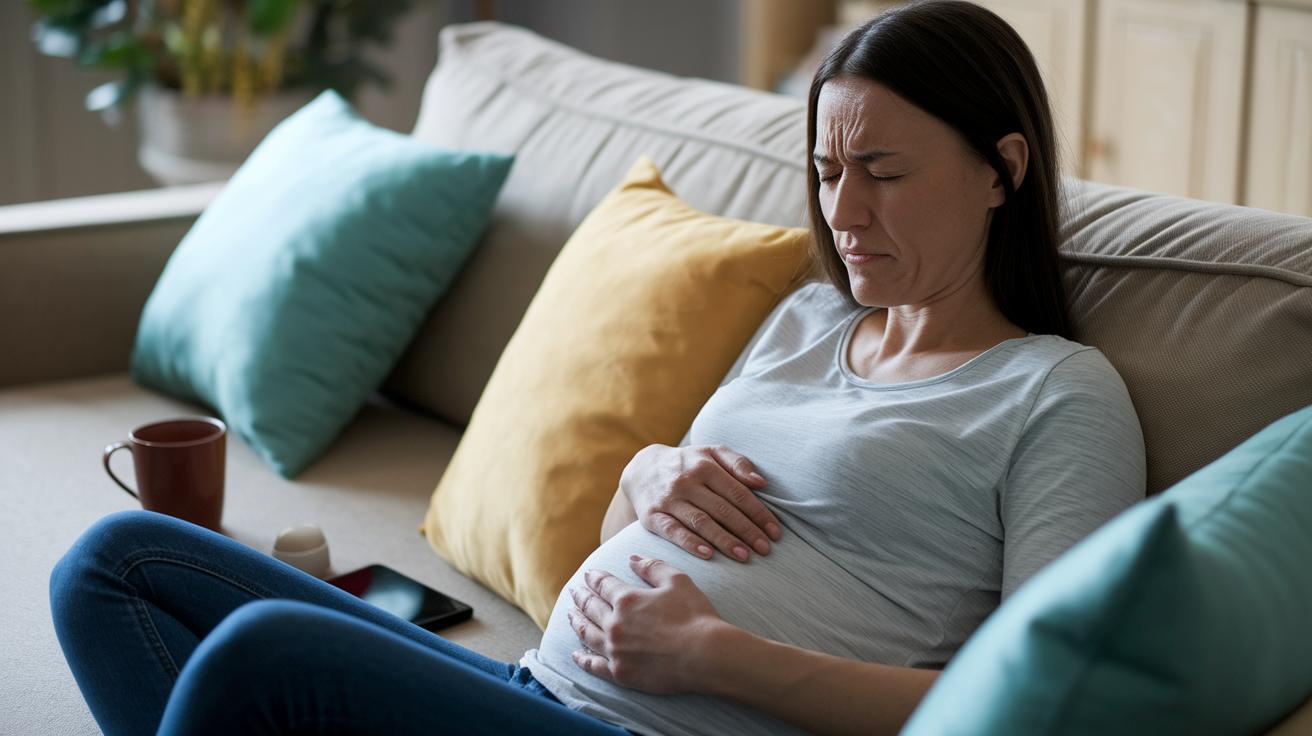

Quick take: Period belly pain is common, but know when to act.
If you have any of these emergency signs, call emergency services now:
• Severe, worsening pain
• High fever (over 102°F) or chills
• Heavy bleeding or fainting
Your stomach may hurt during your period because of normal cramps. Most cramps are common and go away on their own. This guide explains what might be causing your belly pain and offers simple steps to ease it fast. You’ll also learn which symptoms need extra care and when to reach out to a doctor. Keep an eye on your symptoms and note any changes in intensity or duration.
Belly Pain During Period: Typical Patterns, Warning Signs, and Relief Overview
Quick take: Belly pain during your period is common and usually not dangerous. But if you have very sharp, constant pain or other worrisome symptoms, act now.
If you have any of these emergency signs, call emergency services immediately:
- Extremely sharp pain that does not go away
- Pain lasting more than 2 days
- Pain with heavy bleeding or clotting
- Fever or significant tummy upset
Many women feel belly pain during their period because the uterus contracts to shed its lining. This cramping usually starts 1 to 2 days before the period and continues into the first couple of days of bleeding. Mild to moderate cramps can often be eased with over-the-counter pain relievers like ibuprofen.
Normal cramps are steady and manageable. But if your pain becomes very sharp or worsens over time, it might be a sign that something is not right. Think of it like a small headache that suddenly brings new, concerning symptoms. That type of pain is a warning sign.
It is a good idea to monitor your pain during each period. Keep a simple journal noting when the pain starts, how long it lasts, and note any extra symptoms, such as heavy bleeding, fever, or tummy problems. This record can be very useful when you speak with your doctor if your pain does not improve.
Key Causes of Belly Pain During Period: From Common Cramps to Underlying Conditions
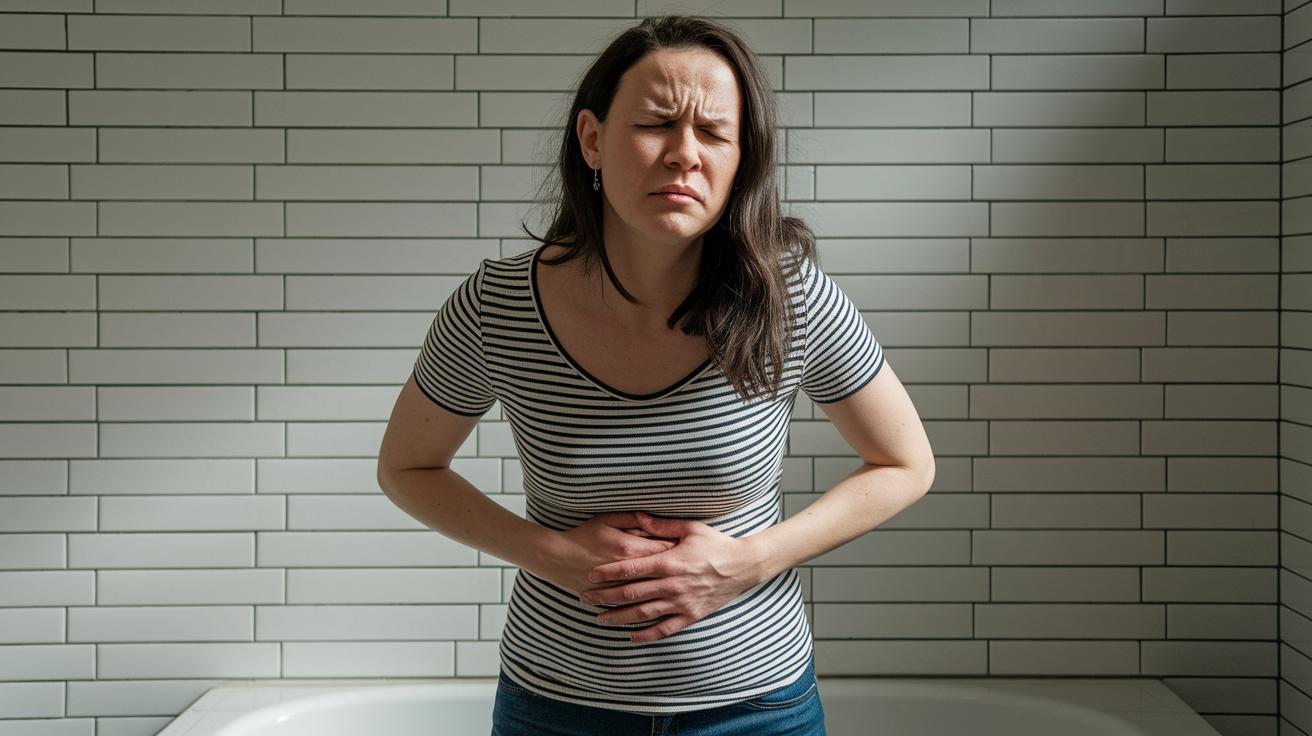
Quick take: Most period belly pain is due to common cramps, but if your pain is very severe, lasts too long, or comes with other red flags like heavy bleeding or fever, you should get medical help right away.
Triage Checklist:
- Call emergency services if you have sudden, intense pain that spreads or comes with fever.
- Seek same-day care if heavy bleeding or pain stops you from daily activities.
- Monitor your pain and reach out to your provider if it gets worse.
Belly pain during your period is usually caused by your uterus contracting as it sheds its lining. These cramps are often natural and linked to the hormones in your body. However, if the pain is very strong or doesn’t go away, it may point to a deeper problem. Knowing the different causes can help you decide when to talk to a healthcare provider.
Primary Dysmenorrhea (common menstrual cramps)
Primary dysmenorrhea is the most common reason for period pain. It happens when prostaglandins (hormones that make your uterus contract) cause the uterus to spasm. You may feel crampy pain in your lower belly that starts just before your period and eases up after a few days.
Endometriosis (uterine tissue growing outside the uterus)
Endometriosis occurs when tissue like your uterine lining grows outside the uterus. This condition affects about 5% of women and can lead to swelling and serious pain. The pain from endometriosis is often more severe and lasts longer. It might not go away with the usual pain medicines.
Uterine Fibroids, Ovarian Cysts, and Pelvic Inflammatory Disease (PID)
Some women experience period pain because of issues like uterine fibroids (noncancerous growths in the uterus), ovarian cysts (small, fluid-filled sacs on the ovary), or pelvic inflammatory disease (an infection in the reproductive organs). These conditions can add extra pressure and swelling in your pelvis, making your cramps feel worse than normal.
Adenomyosis (lining growing into the muscle)
Adenomyosis happens when the
Effective Home and OTC Remedies for Belly Pain During Period
Quick take: You can ease most period pain at home, but call your doctor if the pain becomes very severe, you notice heavy bleeding, or you feel faint.
If you have any of these emergency signs, call emergency services now:
- Pain so strong it stops you from moving normally.
- Heavy bleeding or large blood clots.
- Faintness, dizziness, or confusion.
If you have urgent concerns, seek same-day medical care. Otherwise, try these self-care tips to help ease your cramps.
Many women find that simple home remedies work quickly to lower belly pain. A heating pad on your abdomen can help relax tense muscles and reduce discomfort. Staying active with gentle exercises, like walking or yoga, can also boost your body’s natural pain relief (endorphins).
A regular care routine is key. Drinking plenty of water can ease bloating, and a balanced diet may lower inflammation that worsens cramps. Foods such as berries, tomatoes, pineapple, leafy greens, almonds, walnuts, and salmon can be especially helpful. You might also talk to your healthcare provider about using supplements like vitamin D, omega-3, vitamin E, or magnesium.
Here are some practical steps you can try:
- Drink water often to reduce bloating.
- Eat anti-inflammatory foods like berries, tomatoes, leafy greens, and nuts.
- Consider supplements after consulting your healthcare provider.
- Apply heat with a heating pad, hot shower, or bath to help your muscles relax.
- Use OTC pain relievers like ibuprofen (follow the label for the correct dose).
- Engage in gentle exercise such as yoga or walking to boost natural endorphins.
- Try massage or acupressure to ease muscle tension.
Combine these methods to ease your menstrual pain. Monitor your symptoms and adjust your approach if needed. And if your pain persists or worsens, talk to your healthcare provider.
Long-term Lifestyle and Dietary Tips to Reduce Belly Pain During Period
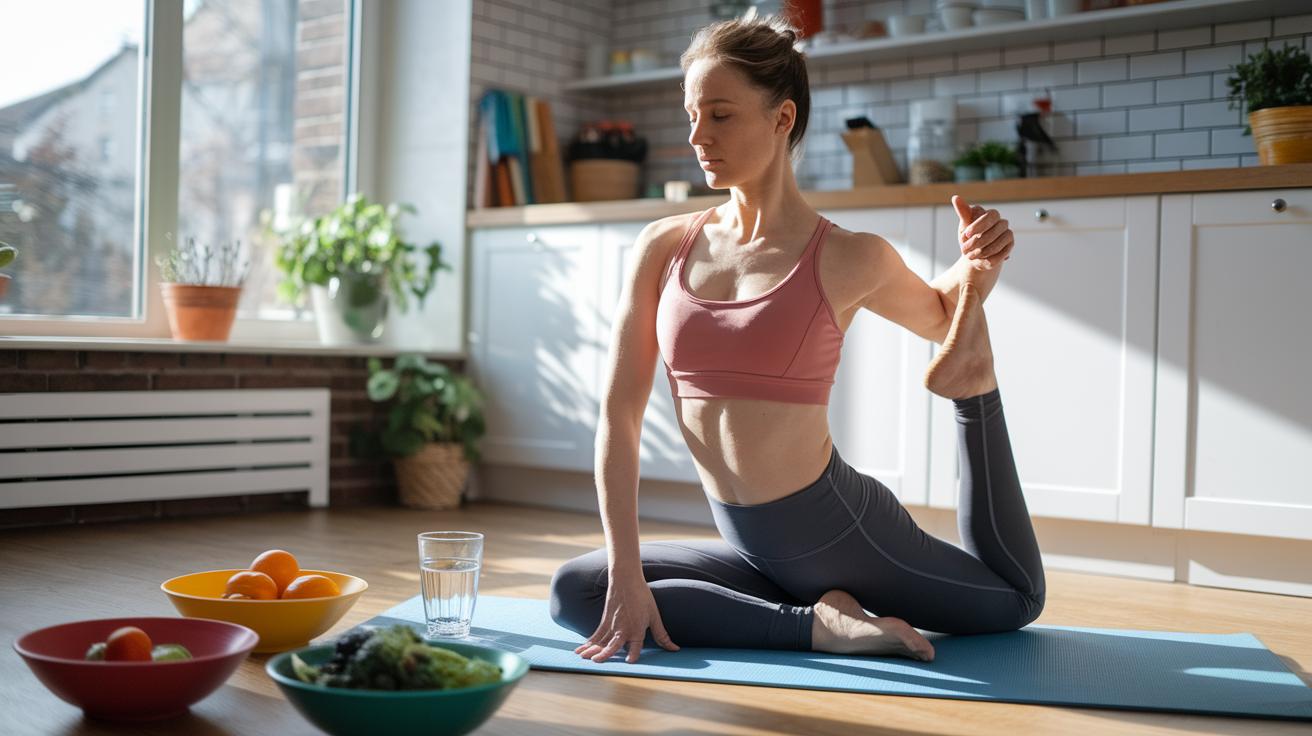
When you have belly pain during your period, small, steady changes can help ease your discomfort and build your strength over time.
Anti-Inflammatory Diet Choices
Choose foods that fight inflammation. Eat berries, leafy greens, and fatty fish. For example, a berry smoothie with spinach and yogurt is a great way to start your day.
Hydration and Balanced Nutrition
Keep your body well-hydrated and choose meals full of good nutrients. Drinking water throughout the day can help reduce bloating. A colorful plate with fruits, vegetables, and lean protein gives you the energy you need.
Gentle Exercise and Yoga Poses
Move in ways that feel kind to your body. A 10-minute walk or a few simple yoga stretches can boost natural pain relievers in your body and ease abdominal tension.
Stress Reduction Strategies
Practice deep breathing and simple mindfulness daily. When you feel tension, try taking 3 slow, deep breaths. These moments can help you manage stress and lower your pain over time.
When Belly Pain During Period Warrants Medical Attention
Quick take: If your period pain lasts over 2 days and pain relievers like NSAIDs (medications that reduce pain and inflammation) aren’t helping, it could signal a deeper problem.
If you have any of these emergency signs, call emergency services now:
- Heavy bleeding
- Fever
- Severe stomach discomfort
If your pain continues for more than 2 days without much relief, you might be dealing with secondary dysmenorrhea. This type of pain can be linked to issues such as endometriosis (when tissue similar to the uterus lining grows outside the uterus), fibroids (non-cancerous growths in your uterus), or pelvic inflammatory disease (an infection in your reproductive organs). When the pain is so bad that everyday tasks become unbearable, it’s time to see a doctor.
At your appointment, your doctor will ask about your pain history and perform a physical exam. They may also use an ultrasound (a scan that shows images of your internal organs) to check for conditions like endometriosis. Your details about when the pain starts, how long it lasts, and its intensity will help guide further tests and treatment choices.
Belly Pain During Period: Soothe with Ease
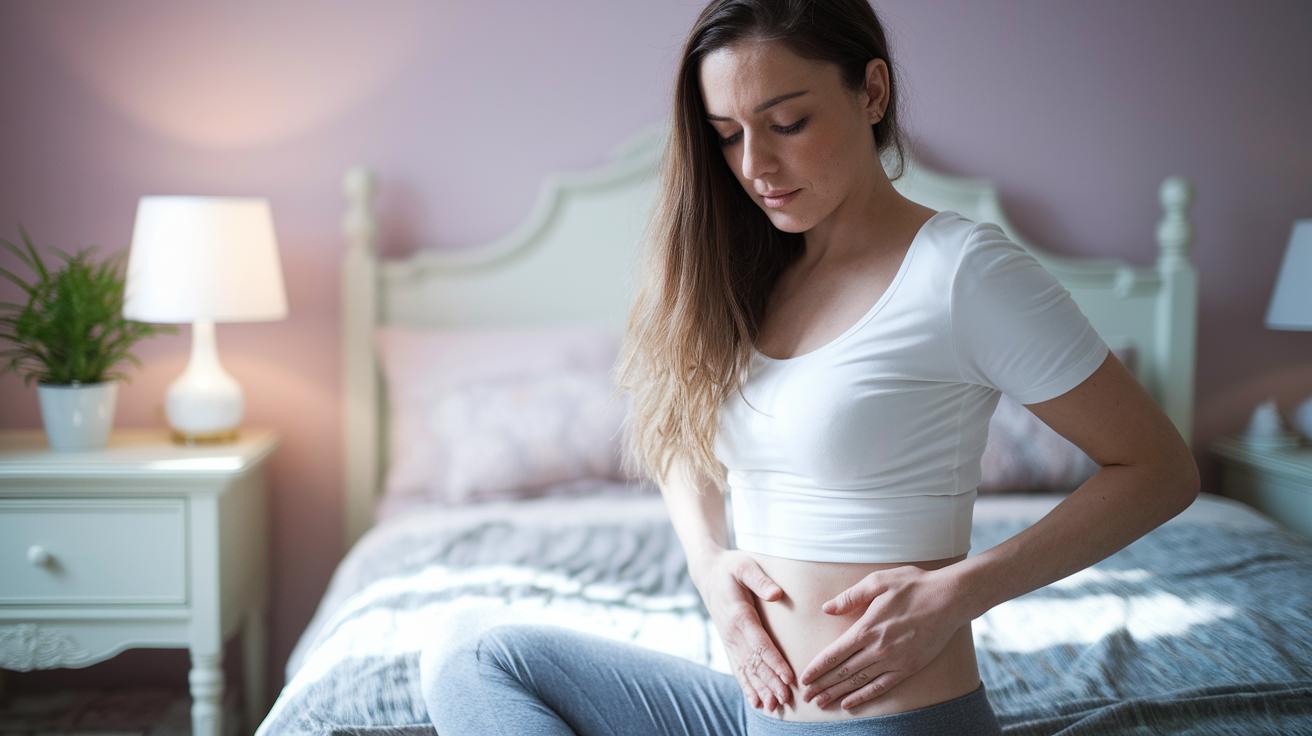
Quick take: Natural therapies may ease your cramps, but always watch for worsening pain.
Triage Box:
• If you have severe, sudden pain or heavy bleeding, call emergency services now.
• If you feel dizzy or faint along with the pain, seek same-day medical attention.
• Otherwise, try home care like natural therapies and rest.
When your cramps feel too strong, natural treatments might help you feel better. These simple methods boost blood flow, ease muscle tension, and work well with your usual at-home steps.
Acupuncture and Acupressure
Acupuncture uses thin needles at key points. Acupressure applies steady pressure to the same areas. Both techniques encourage better blood flow and reduce tight muscles. For example, gently pressing a point near your wrist may lower cramp signals in your body. Studies suggest these methods help lower pain and help you relax during your period.
Abdominal Massage Techniques
A focused massage on your lower belly can relax the deep uterine muscles. Use a gentle, circular motion on your tummy to lower stress hormones and help your uterus relax. This natural approach may ease discomfort during your cycle.
Herbal Supplements and Essential Oils
Herbal choices like ginger or chamomile and essential oils mixed with a carrier oil may help lessen cramp intensity by reducing muscle spasms. Always talk with your doctor before starting any new supplement to ensure it won’t interfere with your medications.
Final Words
In the action, this guide breaks down belly pain during period and shows you how to spot warning signs. It covers normal menstrual cramps, potential red flags, home remedies, lifestyle tips, and when you should seek help. Here's what to watch for:
- Pain lasting more than 2 days
- Extremely sharp or worsening pain
- Heavy bleeding or fever
- Digestive distress
Keep tracking your symptoms and making safe choices. With clear steps and practical advice, you're empowered to take charge and work toward feeling better.
FAQ
Upper stomach pain during period
Upper stomach pain during your period can arise from gastrointestinal upset or referred pain from uterine contractions, making it a signal to monitor your symptoms closely.
How to stop period pain immediately
How to stop period pain immediately involves applying heat, taking over-the-counter pain relievers like ibuprofen, and resting while trying gentle movement to ease discomfort.
Are painful periods a sign of good fertility
Are painful periods a sign of good fertility is a common misconception; severe pain may indicate underlying issues rather than being a sign of enhanced reproductive health.
Pain during periods is good or bad
Pain during periods is good or bad is determined by its severity; mild cramps are normal, but intense pain may suggest conditions that need medical evaluation.
Types of period pain
Types of period pain include lower abdominal cramps, back pain, and sometimes upper stomach discomfort, each varying in intensity and duration based on individual hormonal and bodily factors.
Why do I have lower cramps but no period
Why you have lower cramps without a period may be due to ovulation or hormonal fluctuations, though persistent pain should be evaluated to rule out other health concerns.
Period cramps vs early pregnancy cramps
Period cramps vs early pregnancy cramps differ in that menstrual cramps are typically linked to uterine contractions, while early pregnancy cramps are often milder and related to implantation changes.
Upper abdominal pain during menstrual cycle reddit
Upper abdominal pain during your menstrual cycle, as noted on Reddit, may stem from gastrointestinal factors or referred pain, so it is wise to seek a clinician’s advice if the pain worsens.
Why does my belly hurt so much during my period
Why your belly hurts so much during your period could be due to high prostaglandin levels leading to intense uterine contractions, particularly if the pain is accompanied by other concerning symptoms.