


Quick Take: A nagging ache under your left ribs can be a sign of a pulled muscle or mild digestive upset.
If you have any of these signs, call emergency services now:
• Sharp or worsening pain
• Trouble breathing or fever
• Pain that spreads to other areas
Sometimes, a dull pain under your left ribs is nothing more than a muscle strain or digestive issue after eating. It might start as a small ache that grows a bit after moving or eating a meal. That said, even slight discomfort can be worrisome if it keeps coming back or gets stronger.
Here’s what you can do:
- Note when the pain occurs and what you were doing at the time.
- Write down any other symptoms, like nausea or fever.
- Keep an eye on the pain over the next few days.
If the pain worsens or new symptoms develop, call your doctor right away. Tracking your symptoms can help you and your clinician decide if you just need to monitor the pain or if it’s time to get care.
Key Causes and Immediate Steps for Discomfort Under Left Ribs
Quick take: Discomfort under your left ribs can come from either digestive issues or muscle strains.
Triage Box
If you have any of these emergency signs, call emergency services now:
- Severe, worsening pain
- Pain that spreads to other areas
- High fever or difficulty breathing
- Sudden lightheadedness or fainting
Digestive issues may irritate organs like your stomach, pancreas, or spleen. The pain might feel dull at first and then become sharp, especially after eating fatty foods or during times of stress. You may also feel nauseous, bloated, or develop a fever.
Muscle strains, such as a pulled rib muscle or costochondritis (inflammation where your ribs meet your breastbone), can also cause discomfort. This type of pain usually gets worse with movement or deep breaths, especially after heavy physical activity. Sometimes, the pain from a muscle strain can seem similar to digestive pain, but it tends to be more localized and sensitive to touch.
Here is what you can do now:
- Start a symptom diary. Write down the time of pain, its intensity, and any triggers like specific foods or activities.
- Track any other symptoms such as nausea, bloating, or fever.
- If your symptoms worsen or you see new warning signs, contact your doctor right away for further evaluation.
Keeping a symptom diary can help you and your doctor determine if the pain is from a simple strain or a more serious condition that may require immediate care.
Common Gastrointestinal Causes of Left Upper Abdominal Ache
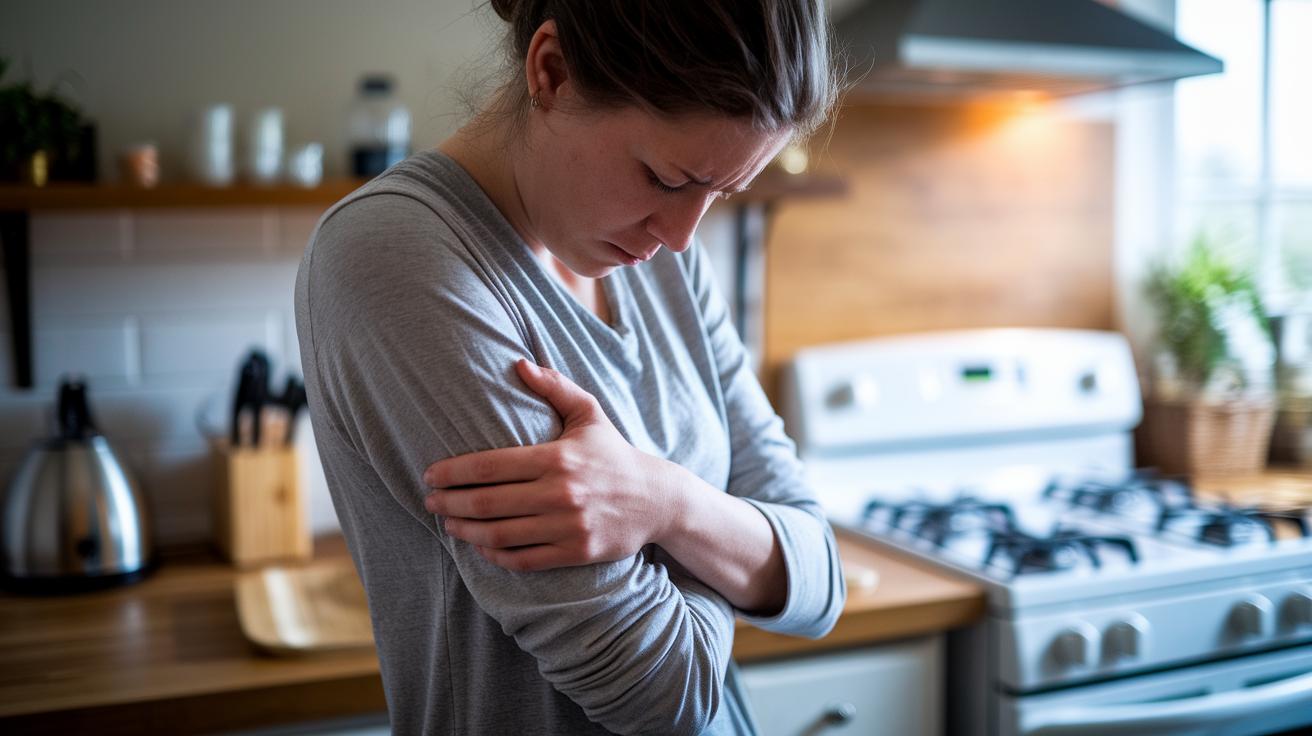
Quick Take: Pain under your left ribs might mean your digestive system is acting up.
If you have any of these emergency signs, severe pain that worsens, a high fever (above 102 F), repeated vomiting, or pain that spreads to your back, call emergency services now.
Every meal can change how your stomach feels. Sometimes, you might notice an ache under your left ribs soon after eating. The pain may come and go depending on what and how much you eat. Pay attention to whether the discomfort is stronger when your stomach is full or when it is empty.
Several common digestive issues can cause these symptoms. For example:
• Pancreatitis – This is when your pancreas gets inflamed. You may feel very strong pain that spreads to your back, usually after eating fatty foods. You might also feel sick, throw up, or develop a fever.
• Gastritis – Your stomach lining may get irritated by certain medicines, alcohol, or an infection called H. pylori (a common stomach bug). This can cause sharp pain whether or not you have eaten.
• Splenic Inflammation – This happens when your spleen becomes inflamed. You might feel tenderness in the upper left part of your stomach, especially if you cough or press on the area.
• Irritable Bowel Syndrome (IBS) – IBS often brings cramping, bloating, and pain that can ease up after you go to the bathroom.
• Diverticulitis – This condition can cause pain that shifts in intensity along your left side, often during changes in your diet or bowel habits.
Keep track of your pain: note when it happens, what seems to trigger it, and how long it lasts. These details help you and your clinician understand if the discomfort is part of a bigger digestive problem.
Musculoskeletal and Rib-Related Triggers of Discomfort Beneath Left Ribs
Quick take: Pain under your left ribs may come from muscle strain or joint issues. If you have severe pain or difficulty breathing, seek help right away.
If you have any of these emergency signs, call emergency services now:
- Severe pain that spreads or feels crushing
- Trouble breathing or shortness of breath
- Pain that comes on suddenly and does not go away
- Fever with worsening discomfort
Muscle injuries near your rib cage can cause a sharp, focused pain. You might feel this after heavy lifting or an awkward movement. The pain can get worse when you move or take deep breaths, which often means your muscles are strained from overuse.
Costochondritis is another usual cause. This condition gives you a pressure-like pain where the rib meets the cartilage (the firm, flexible tissue around your bones). You may notice the pain when you take a deep breath or press on the area. Activities like carrying heavy bags or repeating the same motions can make the pain steady and more intense.
Sometimes, the pain may come from an irritated lung lining called pleuritis (inflammation around the lungs). Coughing or deep breaths can make this irritation feel a lot like muscle pain. Noting what brings on your pain, whether it is movement, coughing, or deep breathing, can help you decide when to rest and when to seek further care.
Serious Medical Conditions Behind Acute Discomfort Under Left Ribs

Quick take: Sudden, severe pain under your left ribs can signal a serious condition. Please act fast if you notice any red-flag symptoms.
If you have any of these emergency signs, call emergency services now (911 if in the US):
- Pain that comes on very quickly or feels worse than expected
- Pain spreading to your back or other areas
- Nausea, vomiting, or fever along with the pain
- Chest pain that changes with your body position
Pancreatitis
Pancreatitis is when your pancreas (a gland near your stomach) gets inflamed. This condition causes strong pain under your left ribs that can spread into your back, especially after a fatty meal. You may feel sick, vomit, or develop a fever. Doctors usually find high pancreatic enzyme levels in your blood. Treatment often involves giving fluids through a vein, pain relief, and sometimes surgery if it gets very serious.
Pericarditis
Pericarditis is the swelling of the sac around your heart. It makes you feel a sharp pain on the left side of your chest that worsens when you lie down and eases when you sit up. This clear change with body position is a key clue for doctors. Treatment usually means taking anti-inflammatory medications, like colchicine or corticosteroids, and sometimes performing a procedure to remove extra fluid from around the heart.
Pleurisy
Pleurisy occurs when the lining of your lungs becomes inflamed, which makes breathing, coughing, or sneezing painful. This pain often gets worse when you take a deep breath. Anti-inflammatory drugs, including NSAIDs (nonsteroidal anti-inflammatory drugs), often help. Depending on what causes the inflammation, your doctor might also suggest antibiotics,
Red Flag Symptoms of Left Side Under-Rib Discomfort
If you experience sharp, severe pain, a very high fever, persistent vomiting, constant ache under your left ribs, shortness of breath, or repeated dizziness or fainting, these are red flags that need urgent attention. If you notice any of these signs, call emergency services immediately.
These warning symptoms are part of our overall guidelines, which include key causes and clear steps for handling discomfort under the left ribs. For an easy-to-follow guide, check the triage flowchart for abdominal pain here: https://thequickesttips.com?p=1459.
Diagnostic Approaches to Upper Left Quadrant Pain
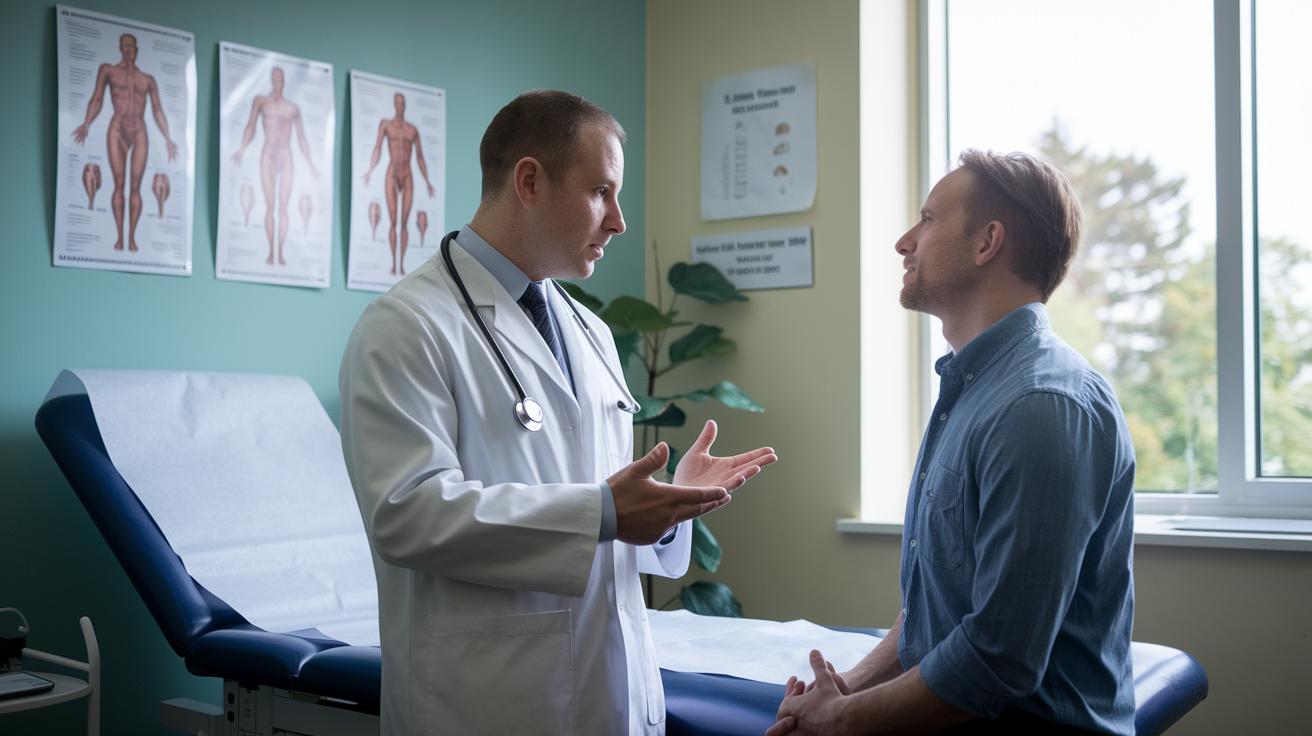
Doctors start by asking you simple questions about your pain. They want to know if it is sharp, dull, or burning, when it starts, and if certain movements or meals make it worse. They then gently press on your belly to check for tender spots or swelling. This basic check helps guide the next steps.
Next, your doctor may order blood tests. These tests might include a complete blood count (CBC, a check of your blood cells), pancreatic enzymes like amylase and lipase (which help check your pancreas), liver tests, and markers for inflammation. These tests can uncover problems you might not notice. Often, an ultrasound is the first imaging test to look at your spleen, gallbladder, and pancreas. If your situation is more complex or if an infection is suspected, a CT scan might be used for a closer look.
If the first tests raise more questions, additional tests like an endoscopy (a camera exam of your digestive tract) or an MRI (a detailed imaging test) may be recommended. This step-by-step approach helps your doctor match your symptoms with lab and imaging findings to get a clearer picture of what might be causing your pain.
Home Care and Lifestyle Remedies for Discomfort Under Left Ribs
When you feel discomfort under your left ribs, it helps to slow down and rest. Take breaks from activities that strain your muscles. A warm compress (a cloth dipped in warm water) placed on your ribs may ease tension. Over-the-counter pain relievers like NSAIDs can also offer temporary relief while you look after yourself.
Simple changes in your daily routine can reduce your discomfort. Try gentle stretching to keep your body moving without making the pain worse. You might also find that switching between heat and cold packs helps relax tight muscles around your ribs. Consider exploring natural remedies for inflammation if you want to avoid extra medications.
Adjusting what you eat can also ease stomach upset. Stick to light, low-fat meals that are easier on your digestive system. Avoid alcohol and spicy foods that can irritate your tummy. These diet changes may help lower inflammation and keep pain episodes from getting worse.
Keeping a small diary of your symptoms is a great way to learn what triggers your pain. Jot down the time you feel discomfort, what you ate, and the activities you did before the pain started. Over time, these notes can reveal patterns so you know what to avoid. Check out our step-by-step guide on keeping a symptom diary for more help.
When to Seek Professional Evaluation for Left Side Rib Cage Ache

Quick take: If you have left side rib pain with fever, vomiting, or trouble breathing, act now.
If you feel sudden or constant pain under your left ribs and it lasts for hours, especially when it comes with fever, vomiting, shortness of breath, dizziness, or fainting, call emergency services immediately. For example, if you suddenly feel sharp pain and also get lightheaded, treat it as urgent.
If the pain keeps coming back or lasts long enough to affect your daily routine, make an appointment with your primary care provider. They might send you to a heart doctor (cardiologist) if they think it’s heart-related, to a lung doctor (pulmonologist) if they suspect lung issues, or to a digestive expert (gastroenterologist) for stomach problems. Even if you’ve tried treating it at home, you still need a professional evaluation for ongoing pain.
Final Words
In the action of addressing your symptoms, we covered common causes, red flags, and when to seek urgent care. You learned how factors like gastrointestinal issues, musculoskeletal strain, and serious conditions can trigger abdominal discomfort left side under ribs.
We also shared practical home care steps and advised keeping a symptom diary for better evaluations. Stay proactive with self-care and reach out to a clinician if your symptoms worsen. Keep moving forward with confidence and careful monitoring.
FAQ
Left side pain under ribs female
The left side pain under the ribs in females can result from gastrointestinal issues, muscle strains, or organ inflammation. Tracking when and how the pain occurs helps determine if medical evaluation is needed.
Left side pain under ribs female when sitting
The left side pain under the ribs when sitting in females may be due to posture-related muscle strain or internal pressure changes. Monitoring pain triggers and duration is key to deciding if further assessment is necessary.
Left side pain under ribs female when lying down
The left side pain under the ribs when lying down in females might point to musculoskeletal irritation or internal organ pressure changes. Observing how the pain shifts with positions helps guide whether to seek further evaluation.
Woman pain in upper left side of stomach
The woman’s pain in the upper left stomach area may be linked to conditions affecting the stomach, pancreas, or spleen. Keeping a record of pain patterns and any related symptoms is useful for proper evaluation.
Female pain under left rib cage back
The pain under the left rib cage at the back in females can involve muscle strain or organ issues like spleen irritation. Noting additional signs such as fever or increased pain on movement is important to decide on seeking care.
Sudden sharp pain left side under ribs
The sudden sharp pain on the left side under the ribs may signal a muscle strain, organ irritation, or a more serious condition like pancreatitis. It is crucial to watch for worsening symptoms or additional red flags.
Pain in lower left side of abdomen female
The pain in the lower left abdomen for females can stem from digestive, reproductive, or urinary issues. Tracking the pain’s onset, intensity, and any accompanying symptoms aids in determining if professional evaluation is necessary.
Left side pain under ribs Male
The left side pain under the ribs in males can arise from gastrointestinal conditions, muscle strains, or organ-related issues similar to females. Recording the pain’s characteristics and related symptoms is important for further assessment.
What causes discomfort under the left rib cage?
The discomfort under the left rib cage can be caused by gastrointestinal issues, musculoskeletal strains, or inflammation in nearby organs like the spleen. Recognizing symptom patterns helps identify if urgent care is needed.
What can cause a dull ache in your left side?
The dull ache on your left side may arise from ongoing muscle strain, minor inflammation of organs, or digestive upset. Noting the intensity and any other symptoms assists in deciding whether medical consultation is warranted.
What are the three red flags in abdominal pain?
The three red flags in abdominal pain include severe pain, persistent vomiting, and accompanying fever with dizziness or shortness of breath. These signs demand immediate medical attention to rule out serious conditions.
What does pancreatitis belly pain feel like?
The pain from pancreatitis in the belly feels intense and severe in the upper left area, often radiating to the back, and worsens after eating fatty meals. It is usually accompanied by nausea, vomiting, and sometimes a fever.