


Quick Take: Mild stomach pain after eating is common, but watch for signs that you need care.
If you have any of these emergency signs, call emergency services now:
• Sharp, sudden pain
• Trouble breathing
• Blood in vomit or stool
If your pain lasts more than a few hours or gets worse, seek same-day medical help. For mild discomfort, track your symptoms and try simple home care like a light diet and plenty of water.
Have you ever noticed your stomach hurting after a meal? You’re not alone. Many people feel a bloated or achy belly and wonder if their food triggered it. In fact, surveys show about 10% of people in many countries share this experience. Often, rich or heavy meals and certain foods can cause your tummy to react.
This guide helps you understand why your stomach might hurt after eating and what you can do to feel better fast. Stay alert, track your symptoms, and use these steps to guide you until you can talk with your clinician.
What Is Post-Meal Abdominal Pain and Why It Happens
Post-meal abdominal pain means your stomach is reacting to something you ate. It can show up as bloating, a swollen belly, feeling full too fast, constipation, or even diarrhea. A survey across 26 countries with 54,000 people found that about 10% experience discomfort after eating (13% of women and 9% of men). This often means your stomach is struggling to break down or handle certain foods or portion sizes.
Sometimes a big or rich meal can stretch your stomach too much, which leads to pain. Other times, certain foods may trigger discomfort. For instance, if you’re sensitive to dairy (foods made from milk) or wheat, you might feel pain after eating them. If the pain is mild and new, simple home measures like sipping water, taking a gentle walk, or eating smaller meals might help.
However, if your pain keeps happening or gets worse over time, check your symptoms against a triage flowchart for abdominal pain to see if you need to see a doctor. Ask yourself: Does the pain interfere with your daily activities? Is it more severe than usual? Tracking when the pain occurs, its intensity, and any other symptoms can help you decide if it’s time to get professional advice.
Differentiating Upper and Lower Abdominal Pain After Meals

Quick take: Where you feel pain after eating can help reveal what might be wrong.
Triage box:
- Call emergency services now if you have severe pain, high fever, or you vomit blood.
- Seek same-day care if your pain worsens or you feel very unwell.
- If symptoms are mild, monitor them and note any changes.
Your upper belly (the area just below your breastbone and above your navel) often points to stomach problems. A burning or aching pain here may mean your stomach is working hard after a heavy meal, like it is stretched too thin. This kind of pain can come from indigestion (upset stomach) or acid reflux (acid rising up).
On the other hand, pain in your lower belly might signal issues with the bowels, colon, or urinary tract. If you feel a sharp or cramping pain in this area along with gas, nausea, or changes in bowel habits, it needs careful attention. For example, a sharp pain on your lower right side could be a sign of bowel inflammation or even appendicitis.
Record the pain’s location and how it feels, whether it is sharp, dull, or cramping. This helps you decide if self-care might work or if it is time to get medical help.
Common Culprits Behind Abdominal Discomfort After Eating
Quick Take: Your stomach pain after meals may come from heavy foods, gas, acid, or food allergies. Check for serious signs and act fast if needed.
If you have any of these emergency signs, call emergency services immediately:
- Severe, unrelenting pain
- Sharp, worsening pain in the lower right side (could indicate appendicitis)
- Persistent vomiting or inability to keep fluids down
- Intense bloating that stops you from passing gas or stool
- High fever along with pain
Sometimes, eating a large, fatty meal (like a heavy, greasy burger) forces your stomach to work too hard. This extra work can lead to aching or cramping soon after you eat.
Excess gas and bloating are other common causes. Foods such as beans or fizzy drinks can trap air in your belly. This often leads to a sharp or cramping feeling that starts right after your meal.
Acid reflux happens when stomach acid (the sour liquid in your stomach) flows back into your esophagus (the tube that connects your mouth to your stomach). This can cause a burning sensation in your chest and upper stomach, much like indigestion.
Food intolerances and allergies also play a role. Many people react to common foods like eggs, nuts, shellfish, milk, soy, or wheat. If your body struggles with these foods, you may notice bloating, stomach pain, or even diarrhea.
Gallstones can be another culprit. These are hard deposits that form in the gallbladder (a small organ in the upper right belly) when bile (the fluid that helps digest fats) isn’t balanced. Gallstones can block ducts and cause sharp pain after eating.
Finally, pain on the lower right side might signal appendicitis, an infection of a small pouch on your intestine. If you have this pain, it’s important to get medical care quickly.
Bowel obstructions are another serious issue. When gas, fluids, and waste cannot travel through the intestines, you may experience severe bloating, constipation, and even vomiting. This blockage needs prompt medical attention.
Home Remedies and Fast Cures for Post-Meal Stomach Pain
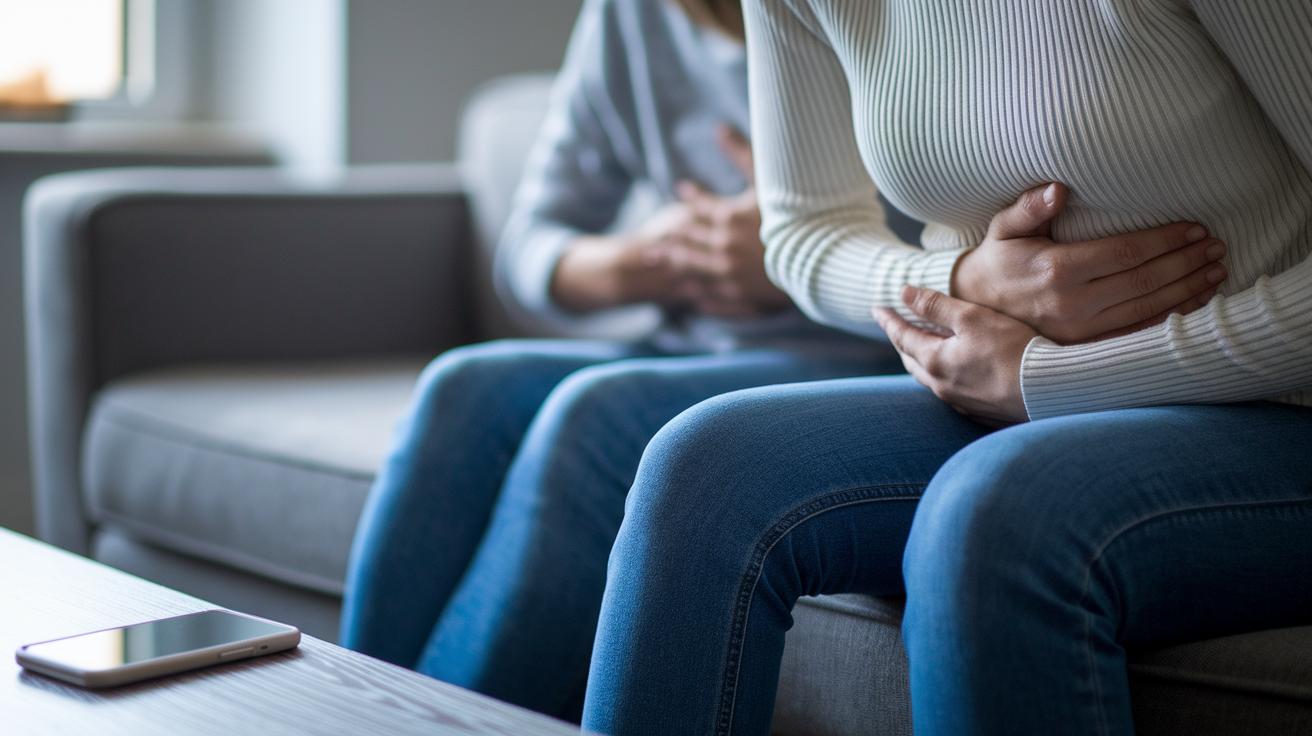
Quick Take: Overeating can stretch your stomach and cause pain. Simple at-home steps may help, but call emergency services if you have severe symptoms.
If you have any of these emergency signs, call emergency services now:
- Very sharp pain that does not go away.
- Vomiting blood, severe vomiting, or bloody stools.
- Trouble breathing or chest discomfort.
If your pain gets worse or lasts more than 2 to 3 hours, seek urgent medical help.
Otherwise, use the tips below to ease your discomfort.
When you eat too much, your stomach can feel stretched and sore. You may have doubled your usual portion size in one meal. Start by slowly sipping water. Small amounts help calm your stomach without adding extra pressure.
After a heavy meal, stay upright for at least 30 minutes. Sitting or standing helps your body digest food better. A gentle walk around your home can also ease the feeling of fullness.
A warm compress on your upper stomach (the area just below your chest) can relax tight muscles and lessen pain. Try placing a warm towel on your belly for about 10 minutes.
Over-the-counter antacids (medications that decrease stomach acid) or digestive enzyme supplements can also be useful. These can help break down food and neutralize acids that irritate your stomach. Some herbal anti-inflammatory remedies may offer relief as well.
Self-care steps:
- Sip water slowly.
- Stay upright for at least 30 minutes.
- Take a gentle walk.
- Apply a warm towel on your upper stomach.
- Use OTC antacids or enzyme supplements if needed.
Monitor your symptoms, and if you notice any new or worsening signs, check in with your doctor.
When to Seek Medical Evaluation for Meal-Triggered Abdominal Discomfort
If you experience severe red-flag signs after eating, such as pain lasting more than 2 hours, a high fever, blood in your stool or vomit, repeated vomiting, unexplained weight loss, trouble passing gas or stool, or very focused, tender pain, call emergency services right away. These symptoms could mean you have a blockage, appendicitis, or another serious problem.
Once you are safe, talk with your doctor as soon as possible. Tell them when you first noticed the symptoms, how bad the pain was, and what might have set it off. For example, you might say, "I had strong pain 3 hours after dinner and saw blood in my vomit." This helps your doctor quickly understand your situation.
Make sure you note these details before your appointment:
- Date and time when the symptoms started
- How intense the pain was
- Any changes after getting emergency care
- Other issues, like difficulty passing gas or stool
| Step | Description |
|---|---|
| Record details | Write down the timing, intensity, and triggers of your symptoms. |
| Communicate clearly | Explain exactly what happened and what you noticed. |
| Discuss follow-up care | Ask if you need tests or referrals to find the cause. |
- Write a summary of your symptoms before your appointment.
- Ask which signs you should watch for at home after your initial treatment.
Dietary and Lifestyle Strategies to Prevent Abdominal Discomfort After Eating

Quick take: Stick to light, balanced meals and simple habits to keep discomfort at bay.
Triage checklist:
• Call emergency services now if you experience severe pain, vomiting blood, or sudden unexplained weight loss.
• Seek same-day care if your symptoms get worse or new alarming signs appear.
• Otherwise, follow these easy steps for relief.
Plan light meals and eat often. Try smaller, balanced meals so you don’t overload your stomach. This helps your digestive system work steadily and reduces discomfort.
Chew your food slowly. Enjoy each bite and chew thoroughly. This simple habit helps you notice when you’re full and prevents overeating.
Consider a low FODMAP or exclusion diet to spot trigger foods. A low FODMAP diet cuts back on gas-producing foods, which can lessen bloating. Add fiber-rich foods like leafy greens, berries, and whole grains to support smooth digestion and calm gut irritation.
Drink water throughout the day. Sipping water helps move food along and keeps your digestive flow steady. After meals, take a short walk to gently aid digestion without stressing your body.
Include probiotics or fermented foods such as yogurt or kefir to boost gut health. These foods support a balanced digestive system and improve comfort.
Plan your meals with simple ingredients for lasting digestive well-being.
Final Words
In the action we broke down causes of abdominal discomfort after eating, compared pain locations, and shared real steps for home care. We watched for key signs that need urgent attention and explored simple diet and lifestyle shifts to prevent discomfort. Each section aimed to guide you swiftly toward safe decisions. Remember, the tips provided can help you manage symptoms at home until you consult a clinician if needed. Stay calm, focus on recovery, and use this advice to support better gut health.
FAQ
Upper middle stomach pain after eating
Upper middle stomach pain after eating often signals issues like indigestion or acid reflux. It may result from overeating or consuming fatty, spicy foods, so monitor your symptoms and consult a professional if the pain persists.
Lower stomach pain after eating
Lower stomach pain after eating may arise from bowel sensitivities, gas build-up, or food intolerances. It could also suggest colon or urinary tract issues, so tracking symptoms and seeking guidance is recommended.
Every time I eat my stomach hurts and I have to poop
Experiencing pain and needing to poop after meals may indicate an upset digestive system or food sensitivity. Tracking your meals and symptoms can help clarify triggers; professional advice is wise if this happens often.
Why does my stomach hurt after I eat and I feel like throwing up
Stomach pain paired with the urge to vomit after eating often points to indigestion, acid reflux, or food irritation. Monitoring severity and frequency is essential, and you should consult a professional if symptoms worsen.
Stomach pain after eating food remedy
A remedy for post-meal stomach pain includes sipping water slowly, taking a gentle walk, and possibly using over-the-counter antacids. Avoiding large meals and trigger foods can also quickly ease discomfort.
Hungry but stomach hurts when I eat
Feeling hungry yet experiencing stomach pain when eating may stem from an irritated digestive system or acid imbalance. Trying smaller portions and bland foods can help reduce discomfort during meals.
Dull stomach pain after eating
Dull stomach pain after eating is often tied to mild indigestion or bloating from overeating. Adjusting portion sizes or avoiding heavy foods may alleviate the discomfort effectively.
Upper middle stomach pain after eating and diarrhea
Upper middle pain with diarrhea after eating might be linked to food intolerances or an infection. Stay hydrated and monitor your symptoms closely; if the condition persists or worsens, seek medical care.
Why do I have abdominal pain after eating anything?
Abdominal pain following any meal can be due to indigestion, food allergies, or intolerances. Keeping a food diary and consulting a clinician can assist in identifying the specific triggers behind the pain.
What does pancreatitis feel like after eating?
Pancreatitis after eating typically causes intense upper abdominal pain that may spread to the back, along with nausea and vomiting. This condition is serious, requiring prompt medical evaluation for proper care.
What are the three red flags in abdominal pain?
The three red flags include pain lasting over 2 hours, blood in stool or vomit, and severe pain with fever or repeated vomiting. These signs indicate serious issues that need immediate professional attention.
What causes uncomfortable feelings in the stomach after eating?
Uncomfortable stomach feelings after eating are usually due to indigestion, acid reflux, or food intolerances. Overeating and specific irritating foods can also trigger mild to moderate discomfort.