
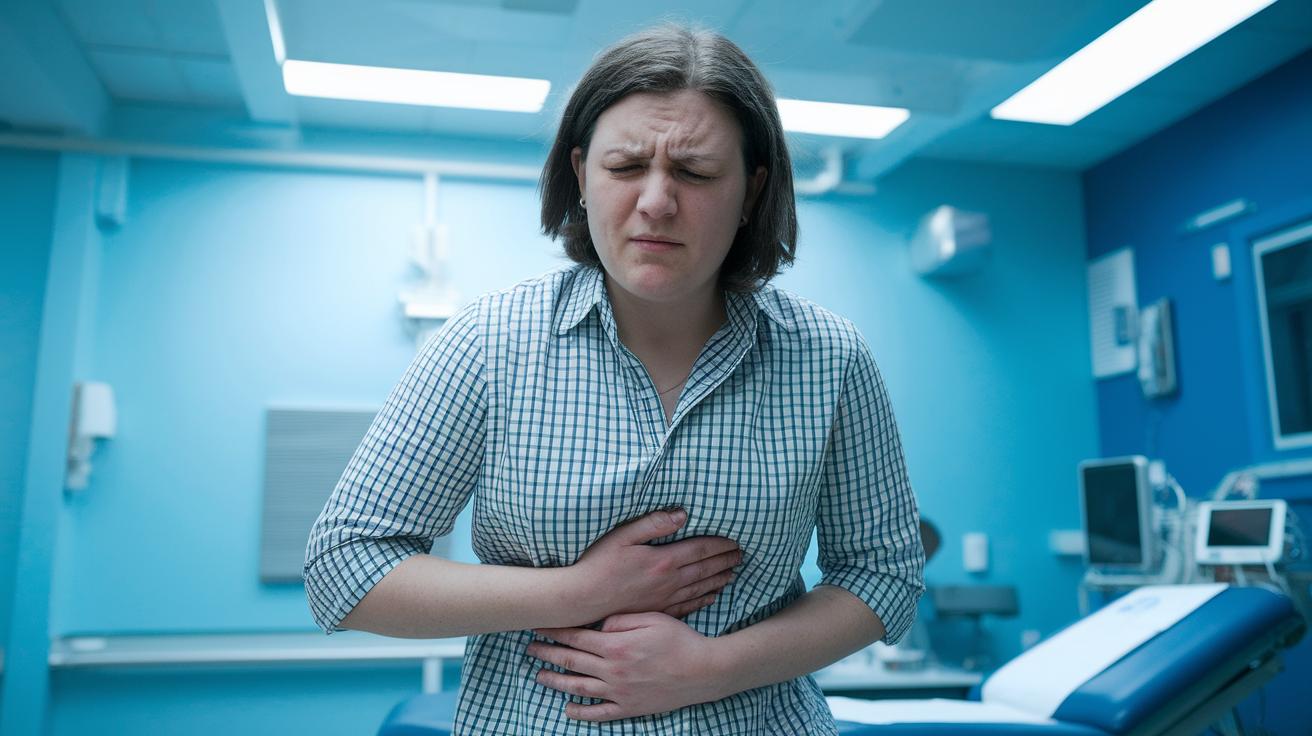

Quick take: Stomach pain with diarrhea is often due to a virus, a food reaction, or stress, watch for serious signs and act fast if they occur.
If you have any of these emergency signs, call emergency services now:
• Severe or worsening pain
• A fever over 102°F (39°C)
• Blood in your stool
• Signs of dehydration (dizzy, very thirsty, little or dark urine)
Your belly hurting and sudden stomach upset can be unsettling. Common reasons include a viral stomach bug, a reaction to something you ate, or stress affecting your body. This guide gives you simple self-care steps and lists when it’s important to get help. We want you to understand what might be going on so you can feel better and keep calm.
Understanding Abdominal Discomfort and Diarrhea Together
Quick take: Belly pain with loose stools is often due to a mild upset from a virus, food, or stress.
Triage Box:
• Call emergency services now if you have:
- Extremely severe belly pain
- A high fever (above 102°F)
- Blood in your stool
- Signs of dehydration (very little urination, dizziness)
• Urgent: If your symptoms get much worse or last over 3 days, seek same-day medical care.
• Watch and Self-manage: If symptoms are mild and short-lived, rest, drink fluids, and follow a bland diet.
Abdominal discomfort is an uneasy feeling or pain in your belly. It might feel like a cramp or pressure. Diarrhea means your stools are loose or watery, happening more often than usual.
These signs often occur together because many causes upset your whole digestive system. A common virus, like the stomach flu, or a reaction to a food can upset your gut, leading to both cramps and diarrhea.
Most cases clear up on their own with the right care. Stay hydrated by drinking water or clear fluids and stick to easy-to-digest foods. Keep track of your symptoms and how long they last. If you notice any red flag signs or your discomfort doesn’t improve after a few days, call your clinician for help.
Common Causes of Abdominal Discomfort and Diarrhea

Quick Take: Abdominal pain and diarrhea can happen for many reasons. Most causes are not dangerous, but if you have severe pain, high fever, blood in your stool, or feel very weak, call emergency services right away.
Here are some common triggers:
Viral Gastroenteritis
Often called the stomach flu, viral gastroenteritis is caused by viruses like norovirus or rotavirus. It usually starts 1–3 days after you are exposed. You may have vomiting, fever, and become dehydrated quickly. This illness spreads fast and can leave you feeling very unwell.
Food Poisoning
Food poisoning happens when bacteria like Salmonella or E. coli, or toxins in bad food upset your stomach. Symptoms start within 6–48 hours after eating contaminated food. You might feel crampy, weak, and experience watery stools.
Dietary Intolerances
Some people react to foods like lactose (milk sugar) or gluten. These reactions can lead to belly pain, gas, and diarrhea soon after eating. While these issues do not harm your gut permanently, they can cause repeated discomfort if you eat the trigger foods.
Irritable Bowel Syndrome (IBS)
IBS is a long-term condition that causes cramping, gas, and diarrhea. It can be very uncomfortable but does not permanently damage your digestive system. Flare-ups may be linked to stress or certain foods and tend to follow a predictable pattern.
Stress-Related Gut Disturbances
Sometimes stress and anxiety can speed up your digestion. This can cause your belly to cramp and lead to diarrhea. When you are under stress, these symptoms might get worse, so finding ways to relax can help.
Remember, if your symptoms worsen or you see warning signs like severe pain or high fever, seek medical help immediately.
Warning Signs in Abdominal Discomfort with Diarrhea
If you have stomach pain and diarrhea, pay close attention to how your body reacts. Watch for a fever higher than 102°F, confusion or blurry vision, and signs of dehydration like extreme thirst, a dry mouth, little urine, or a fast heart rate. Also, notice if your stool becomes bloody or turns black. If diarrhea lasts more than 72 hours, it could mean you have an infection or electrolyte problems. For example, if you barely pass urine and your heart suddenly races, it's time to seek urgent help.
| Warning Sign | Recommended Action |
|---|---|
| Fever above 102°F | Call for immediate help |
| Bloody or black stool | See a doctor within 24 hours |
| Signs of dehydration | Start rehydration and call your doctor |
| Diarrhea lasting over 72 hours | Visit a healthcare provider |
Home Care Strategies for Diarrhea and Abdominal Discomfort
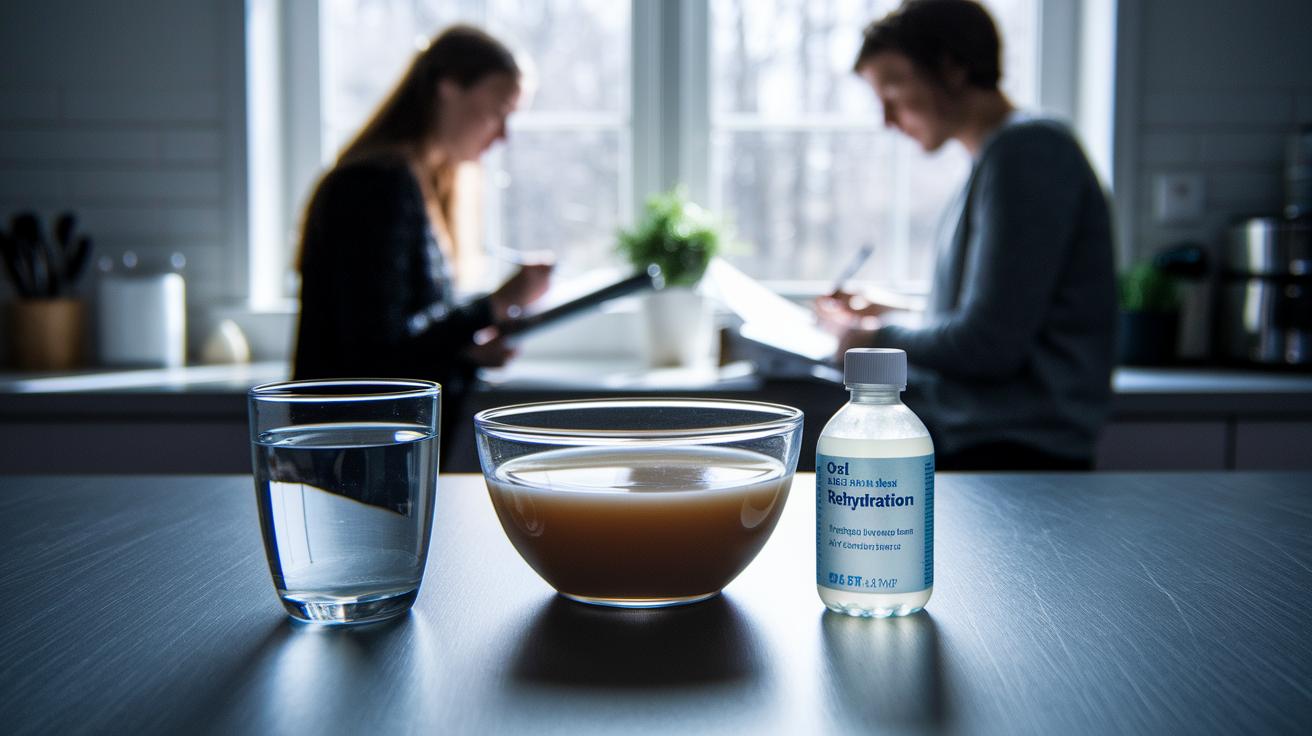
Quick take: Simple home care steps can ease mild diarrhea and belly pain while your body heals.
If you have any of these emergency signs, call emergency services now:
- Blood in your stool
- Very high fever (102 F or above) or severe chills
- Inability to keep liquids down
- Extreme weakness or confusion
If you notice signs of dehydration, such as a very dry mouth, dizziness, or dark urine, seek same-day medical care.
For mild symptoms, try these steps:
Fluid Replacement
Stick with clear liquids like water, broth, or diluted juice. Oral rehydration solutions (special drinks that replace lost salt and potassium) can help restore balance. Take small, frequent sips to ease your stomach and steadily replace lost fluids.
Gentle Diet Choices
Eat easy-to-digest foods. The BRAT diet, bananas, rice, applesauce, and toast, can calm your stomach and firm up loose stools. As you start feeling better, slowly add in other bland foods. Hold off on spicy or fatty items until you’re fully recovered.
Over-the-Counter Options
Medications like loperamide or bismuth subsalicylate can help slow diarrhea and reduce discomfort. Follow the dosing instructions on the package and check for allergies. If you’re unsure, ask a pharmacist or doctor for advice.
Rest and Recovery
Rest is a key part of healing. Cut back on physical activities and get plenty of sleep to give your digestive system a break. Take some time to relax and avoid stressful tasks until your symptoms improve.
Monitor your symptoms closely and don't hesitate to contact a clinician if things worsen.
Preventing Recurrent Abdominal Discomfort and Diarrhea
Quick take: Avoid foods that upset your stomach, plan your meals with care, add probiotics, and lower stress for lasting relief.
If you notice that spicy or fatty foods cause discomfort, stop eating them. Instead, choose milder meals. For example, swap a spicy chipotle dish for a less seasoned option.
Keep a regular meal schedule and slowly increase your fiber. Start with a bit of whole-grain cereal rather than heavily processed foods. This gentle change helps your body adjust and reduces gut irritation.
Add a daily serving of probiotics to support a balanced gut (good bacteria). A serving of yogurt with live cultures works well to help keep your digestion on track.
Take a few minutes each day for deep breathing or a short meditation. Just 5 minutes of slow, mindful breathing can help lower stress, which in turn soothes your colon.
Follow these steps together, avoid trigger foods, plan your meals carefully, support your gut with probiotics, and manage stress, to help keep your digestive system calm and comfortable.
When to Seek Medical Help for Abdominal Discomfort and Diarrhea

If your diarrhea lasts more than 3 days or suddenly worsens, call your doctor. Start by noting when your symptoms began and any changes you notice in your pain or discomfort.
Call emergency services right away if you have a very high fever (above 102°F), blood in your stool, or very severe cramps. These signs could mean a serious infection or dehydration.
When you visit your doctor, they will ask when your symptoms started, how bad they are, and what changes you’ve seen. They may do blood tests or examine your stool to check for infection or inflammation. You might also be sent to a gastroenterologist (stomach specialist) for further care.
Diagnostic Tests for Chronic or Severe Abdominal Discomfort and Diarrhea
Quick take: These tests find infections, inflammation, or blockages in your gut.
If you experience signs like blood in your stool, a high fever, or very severe pain along with your discomfort, call emergency services now.
When you have long-lasting or severe stomach pain and diarrhea, your doctor may order several tests to get to the root of the problem. These tests check for infections, hidden blood, or any damage inside your gut.
• Stool tests can find germs (bacteria, viruses, or parasites) and hidden blood that might not show up during a regular exam.
• Blood tests, like the complete blood count (CBC) and C-reactive protein (CRP), help spot signs of inflammation and check for low red blood cell counts (anemia).
• Endoscopies, including colonoscopy and upper GI exams, let your doctor look directly at the inside lining of your stomach and colon to see any damage.
• Imaging tests such as CT scans and ultrasounds can show blockages or other structural problems inside your abdomen.
These tests work together to create a clear picture of your gut health. They are especially important when symptoms keep coming back or get worse, helping your doctor choose the best treatment for you.
Final Words
In the action: we walked through what causes abdominal discomfort diarrhea and when to act. We explained signs that need urgent care and offered clear home-care steps like staying hydrated and following a gentle diet. You learned how to spot red flags and which tests might guide your provider. Keeping track of symptoms can help you and your clinician decide on the next best steps. Stay mindful, take practical actions, and trust that small, careful choices now can lead to healthier days ahead.
FAQ
How can I relieve stomach pain and diarrhea?
The relief for stomach pain and diarrhea involves staying hydrated with clear fluids, trying the BRAT diet (bananas, rice, applesauce, toast), and resting. Over-the-counter remedies may help, but contact your provider if symptoms worsen.
Why does my stomach feel uncomfortable and have diarrhea?
The sensation of an uncomfortable stomach with diarrhea indicates your gut may be reacting to an infection, food intolerance, or stress. Monitoring symptoms and noting any triggers can guide when to seek further medical advice.
When should I worry about diarrhea during pregnancy?
Diarrhea during pregnancy is concerning if it lasts more than 72 hours, causes dehydration, or includes blood. These signs may affect you and your baby, so reach out to your healthcare provider promptly.
What is a red flag for abdominal pain?
A red flag for abdominal pain can include severe, persistent pain accompanied by high fever (above 102°F) or blood in your stool. These warning signs warrant immediate medical evaluation.
What are four signs and symptoms of gastroenteritis?
Gastroenteritis typically presents with watery diarrhea, abdominal cramps, vomiting, and fever. These signs point to a common gut infection that usually resolves with rest, fluid intake, and simple care measures.