
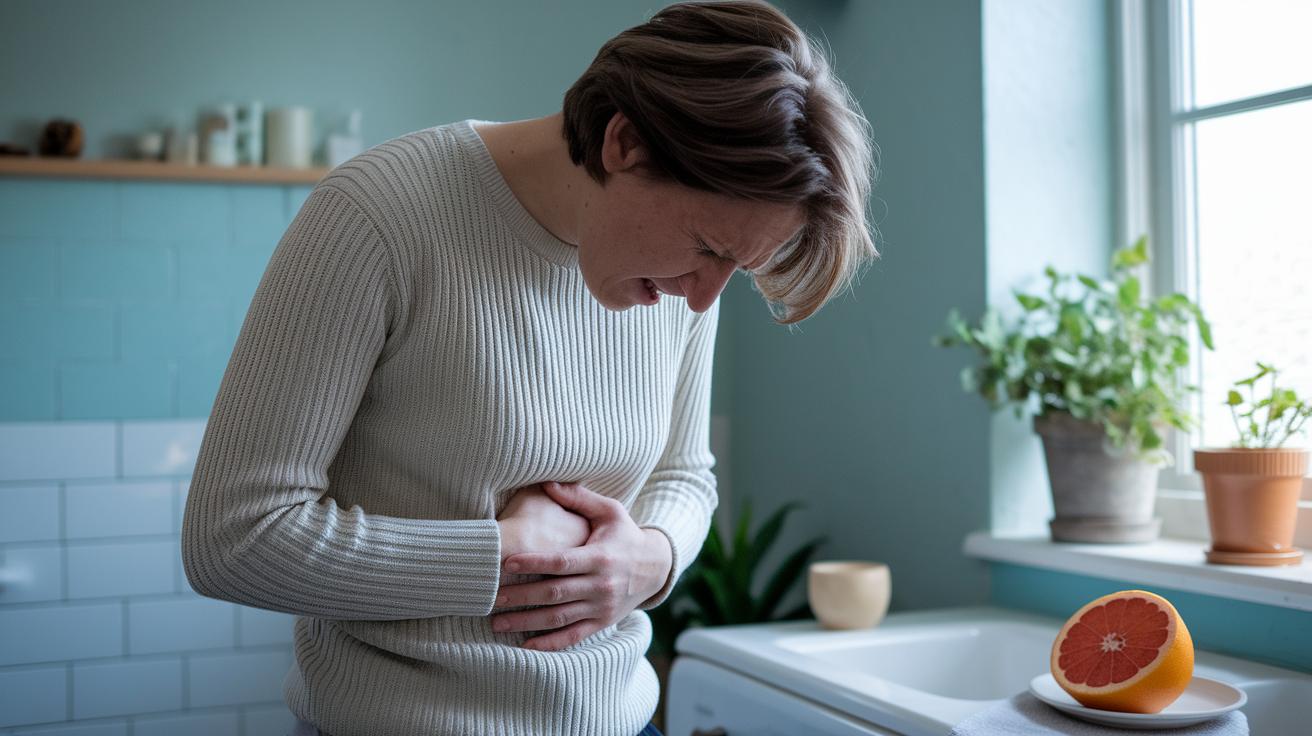

Quick take: Your belly pain may be a sign of constipation, act now if you have severe symptoms.
If you notice any of these, call emergency services immediately:
• Severe pain or cramping
• Blood in your stool or fever
• Sudden vomiting
If your pain is mild:
• Drink water and add fiber to your meals.
• Relax and try simple stretching.
• Keep an eye on your symptoms.
Ever wonder if that nagging belly pain is trying to tell you something? When you're constipated, your body sends signals that it needs help. This may be due to low fiber, not enough water, or stress that stresses your gut. In this post, you’ll discover what might be behind your discomfort and learn practical steps to ease the pain. Stick with us for quick, clear tips to help you feel better soon.
Understanding Abdominal Discomfort with Constipation
Quick take: Abdominal pain with constipation happens often, but if you have major warning signs, act now.
| If you have any of these warning signs, call emergency services now: |
|---|
| Very severe or worsening belly pain |
| Fever or vomiting |
| Blood in your stool |
| Sudden inability to pass gas or new, severe symptoms |
Abdominal pain is common when you are constipated. When your stool moves slowly, you might feel a nagging ache or pressure in your belly. Your digestive system may work harder than usual, which can cause cramping. For example, one person noticed sharp pain when her bowel habits changed.
Many things can slow down your bowel movements. A low-fiber diet, not drinking enough water, and little physical activity are common factors. Stress can also disturb the signals between your brain and your gut. When these factors add up, you might feel abdominal pain once or more each week along with fewer bowel movements. This pattern can point to a condition called irritable bowel syndrome (IBS), where your gut, brain, and nerves interact. IBS cannot be cured, but you can manage its symptoms.
It is helpful to track your symptoms. Write down when your pain starts, how strong it feels, and how often you go to the bathroom. This record can help you and your doctor figure out if your symptoms are tied to lifestyle choices or if you need more care. Occasional discomfort is normal, but if the pain gets worse or lasts a long time, be sure to see a healthcare professional.
Dietary and Lifestyle Drivers of Constipation-Linked Abdominal Pain
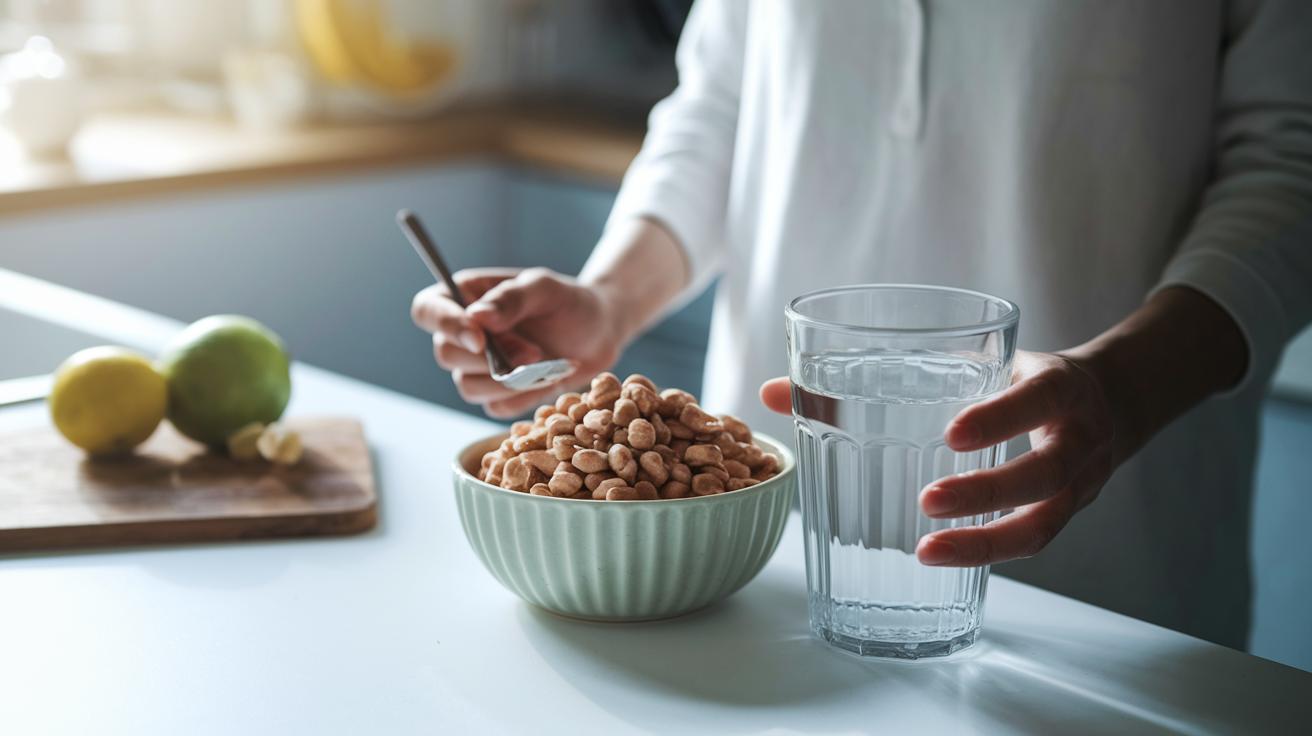
Quick take: Low fiber, dehydration, and inactivity slow your digestion, causing abdominal pain.
When you eat a low-fiber diet, your stool lacks bulk. This makes it harder for food and waste to pass through your colon smoothly. Not drinking enough water makes your stool dry and hard, leading to extra strain and pain during bowel movements.
Being less active makes matters worse. A lack of movement means your colon contracts less, so food and waste sit too long. Even a short, daily walk can boost your colon’s natural motion and ease discomfort.
Regular meal timing with fluids helps too. Eating steadily while pairing meals with water encourages your colon to work smoothly. High-fiber foods like vegetables, fruits, beans, and whole grains build up stool bulk and support gentle digestion. One person even found relief by adding leafy greens and a glass of water with every meal.
Steps to ease discomfort:
- Add more fiber-rich foods to your diet.
- Drink plenty of water.
- Incorporate light exercise daily.
- Eat meals at regular times and include fluids with each meal.
These simple changes can help your digestion work better and reduce belly pain. If your pain continues or worsens, please talk to your doctor right away.
Health Conditions and Medications That Slow Passage and Trigger Tummy Soreness
Quick take: Recurring constipation and weekly tummy pain may point to conditions like IBS, diverticulitis, or side effects from medications. Monitor your symptoms closely and seek help if they worsen.
Triage Box:
• If you have severe abdominal pain, high fever, or noticeable blood in your stool, call emergency services now.
• If your symptoms suddenly worsen or you can’t pass gas or stool, seek same-day medical care.
• Otherwise, track your symptoms and speak with your healthcare provider if they persist.
When you deal with ongoing constipation and regular tummy pain, you might have irritable bowel syndrome (IBS). IBS happens when the signals between your gut and brain do not work right. It usually causes long-term constipation and recurring pain. If you don’t address it, you may develop issues such as hemorrhoids, rectal prolapse (when tissue slips out of place), or even bleeding. Sometimes, these complications could raise your risk for ulcerative colitis (inflammation in the colon).
Diverticulitis is another condition that can slow your digestion. When you have a diverticulitis flare-up, your colon gets inflamed. This leads to cramping and slow bowel movements. Adjusting your diet during these flare-ups can help ease the pain.
Some medications can also slow your bowels. Pain relievers like opioids often decrease the natural movements of your colon. Certain antidepressants may change the signals that move waste through your system. And thyroid medications, used for low thyroid function, can slow down your body’s ability to clear waste if your thyroid levels are off. These drugs can all delay your bowel movements.
Probiotics, which help balance the bacteria in your gut, may ease chronic constipation. If you think your medications are making your constipation or pain worse, keep an eye on your symptoms and talk to your healthcare provider.
Checklist for Tracking Your Symptoms:
- Track the number of bowel movements each day.
- Record how strong your tummy pain is.
- Note any changes in the look of your stool.
Keeping a symptom diary can help guide future changes in your treatment.
Critical Red Flags in Abdominal Discomfort Accompanying Constipation
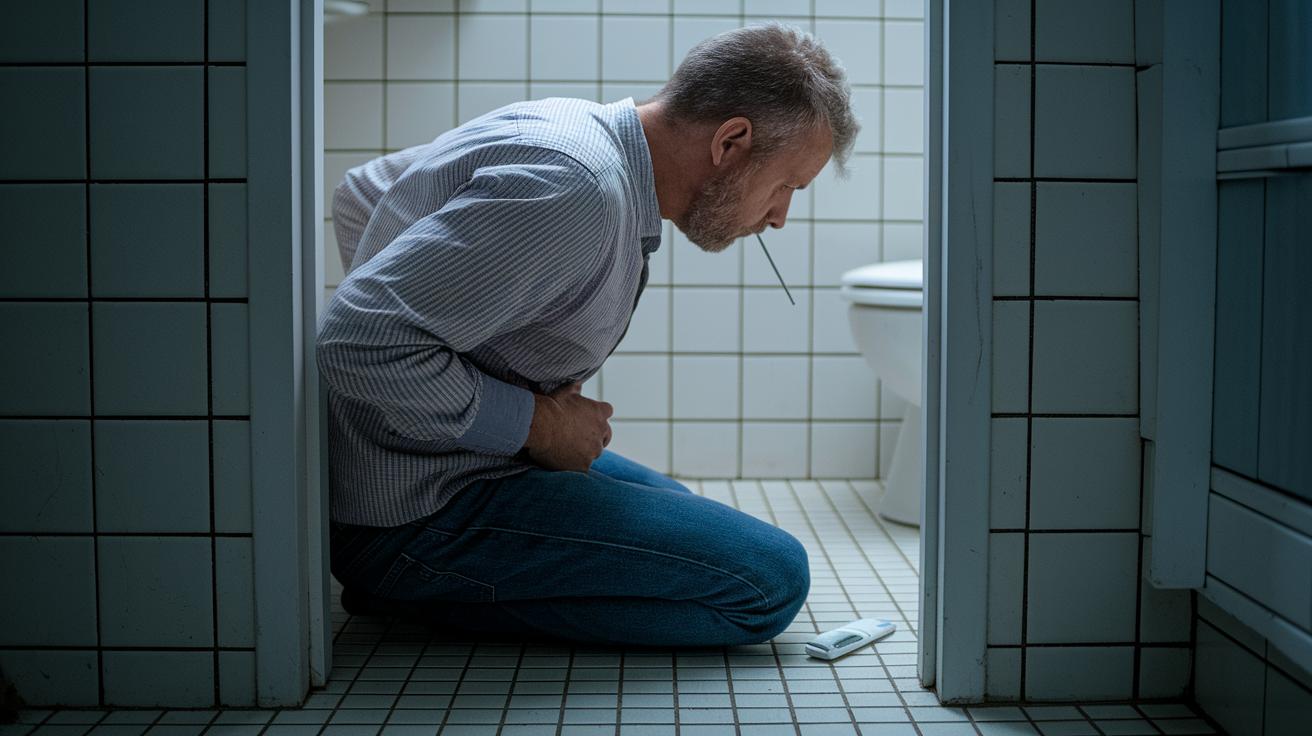
If your belly pain grows worse or stays strong while you’re constipated, it could mean a blockage or another serious problem. These signs are important, so act quickly if you notice any of them.
| Warning Sign | What to Do |
|---|---|
| Severe, unrelenting belly pain | Get medical help right away |
| Frequent vomiting or nausea | Get medical help right away |
| Blood in your stool or black, tar-like stools | Call emergency services now |
| Unexpected weight loss or fever | Seek same-day care |
| Belly swelling with a failure to pass gas | Get evaluated immediately |
| Sudden symptoms in those over 50 or with past cancer | Talk to your doctor immediately |
For example, one person shared that their steady, intense pain did not improve at home, so they called for help immediately. Keeping a symptom diary with dates, times, and details can help your doctor better understand what’s happening.
Effective Home Remedies for Constipation-Induced Abdominal Cramps
Quick take: Eating fiber-rich foods, staying well hydrated, and doing light exercise can ease cramps from constipation.
Triage: If you have any of these emergency signs, call emergency services now:
- Severe, unrelenting abdominal pain
- High fever or constant vomiting
- Blood in your stool or inability to pass gas
Making simple changes in your diet and daily habits can help. Boost your fiber intake by eating more fruits, vegetables, whole grains, and beans. For example, enjoy a bowl of oatmeal with apple slices. Drinking at least 8 cups (about 2 liters) of water each day and taking a short walk after meals will help keep your digestion moving.
Add foods high in magnesium, such as nuts, seeds, or leafy greens. Magnesium helps relax your gut muscles and softens your stool. Try a small handful of almonds in the morning to ease cramps.
Incorporate probiotic foods like plain yogurt, kefir, or sauerkraut into your meals to support a healthy gut. A serving of plain yogurt at breakfast can help maintain regularity.
Keep a simple daily log of what you eat and any symptoms you experience. This can help you see what works best and when you might need to check in with your doctor.
Over-the-Counter Relief and Lifestyle Habits for Abdominal Discomfort and Constipation

Quick take: Mild changes like regular walks and a steady meal routine, combined with simple over-the-counter aids, can help ease tummy discomfort and get you back on track.
Triage Box:
• If you have severe, sharp pain, notice blood in your stool, or develop a high fever, call emergency services now.
• If discomfort lasts more than 3 days or your symptoms get worse, seek same-day care.
• For mild symptoms, follow these home-care steps and monitor how you feel.
For many with light constipation, simple lifestyle habits can make a big difference. Moving your body, even a brisk 10- to 15-minute walk after meals, can boost the muscle movements in your colon (the large intestine). Keeping regular mealtimes and sleep routines tells your body to work in a predictable way. Creating this rhythm may help ease abdominal discomfort and reduce the need for stronger medications.
Over-the-counter laxatives come in several types, each helping in a different way. Bulk-forming options add fiber (plant material that helps add bulk) to your stool, making it easier to pass. Stimulant laxatives encourage your intestinal muscles to contract and push stool forward. Osmotic treatments draw water into your intestines, which softens the stool and makes movement smoother.
If you notice irregular bowel movements along with moderate discomfort, try setting a fixed schedule. Eat at the same times each day and take a short walk after eating. Keep a daily log noting the time of meals, your discomfort level (mild, moderate, or severe), and how well the over-the-counter aid works. This simple log can help you track your progress and share useful details with your clinician if needed.
| Type | Example | How It Works |
|---|---|---|
| Bulk-forming | Metamucil | Adds fiber to create more bulk in stool for easier passage |
| Stimulant | Dulcolax | Encourages colon muscles to contract and move stool along |
| Osmotic | MiraLAX | Pulls water into the intestines to soften stool |
When to Seek Professional Care for Persistent Abdominal Discomfort and Constipation
If your belly pain and constipation still bother you after a few days of home care, contact your doctor. Severe pain or repeated symptoms that do not improve with better eating and more fluids mean you should speak with a clinician right away.
A quick check by a professional can rule out problems such as irritable bowel syndrome (a condition that affects the gut) and other issues with your bowel movement. Often, careful testing helps catch conditions that might otherwise be missed.
When your usual self-care does not help in a few days, it is important to get professional help.
Final Words
In the action, we explored how diet, lifestyle, and health conditions affect your gut. We broke down causes, home-care tips, and red flags to watch for when dealing with abdominal discomfort constipation. The article explained practical steps like boosting fiber intake, staying hydrated, and recognizing when to call for help. Tracking symptoms can guide professional care, too. Keep these strategies in mind for managing your symptoms and feel confident in taking swift, safe steps towards better digestive health. Stay positive and proactive.
FAQ
How to relieve stomach pain from constipation immediately
The methods to relieve stomach pain from constipation include hydrating, eating fiber-rich foods, and using over‐the‐counter mild laxatives. Gentle exercise can also help move stool quickly, but see a clinician if the pain worsens.
What are the danger signs of constipation
The danger signs of constipation include intense, unrelenting pain; repeated vomiting or nausea; blood or black, tar‐like stools; unexplained weight loss or fever; abdominal swelling with inability to pass gas; and sudden onset in older individuals or those with a cancer history.
Where is constipation pain felt and what does a constipated abdomen feel like
Constipation pain is typically felt in the lower abdomen as a dull, crampy ache or pressure that can increase with bloating. This discomfort signals delayed bowel movements and stool buildup.
What types of stomach pain do females experience and what are IBS symptoms in females
Females may experience various stomach pains—from sharp cramps to deep aches. In IBS, symptoms often include cramping, bloating, and irregular bowel habits that can be worsened by trigger foods.
How does lower abdominal pain occur before a bowel movement
Lower abdominal pain before a bowel movement usually presents as a cramp or pressure buildup from stool accumulation. This discomfort often eases once gas is released or the bowel is emptied.
Which foods should be avoided with IBS symptoms
Foods high in fat, dairy products, and fermentable carbohydrates (FODMAPs) can trigger IBS symptoms. Avoiding these may help lessen bloating, cramping, and abdominal discomfort.
What does constipation pain feel like in pregnancy
In pregnancy, constipation pain often feels like a persistent crampy ache in the lower abdomen due to slowed digestion from hormonal changes. Drinking water, exercising lightly, and eating fiber-rich foods can help reduce the discomfort.
When should I go to the ER for toddler constipation
For toddler constipation, seek emergency care if the child experiences severe abdominal pain, constant vomiting, blood in the stool, significant swelling, or signs of dehydration, especially if symptoms worsen or cause major distress.