

Quick Take: Burning belly pain when urinating can mean an infection or blockage.
If you have any of these emergency signs, call emergency services now:
• High fever (above 102 F)
• Blood in your urine
• Severe, worsening pain
If you notice these signs, seek urgent care right away.
Often, burning pain with urination is due to a urinary tract infection (UTI) or a blockage. This pain isn’t just an annoyance, it may point to a problem that needs treatment.
Here’s what you can do:
- Note your pain details: where it hurts, how strong it is, and how often it happens.
- Watch for extra signs like fever, chills, or unusual urine.
- Share your notes with your clinician so they can help you feel better fast.
Keep track of your symptoms, and don’t hesitate to seek help if things get worse. Stay safe and take control of your health.
Key Causes of Belly Pain When Urinating
Quick take: Pain while urinating can come from an infection, blockage, or inflammation. Check for red flags and act if needed.
If you have any of these signs, call emergency services now:
- Severe pain that does not ease
- Fever over 101°F with chills
- Blood in your urine
- Pain that spreads to your back
Otherwise, make an appointment with your clinician today.
You might feel burning when you pee, have a strong urge to go often, or notice tenderness in your lower belly. These symptoms can result from different issues.
Finding the cause is important. It helps you and your clinician decide if your pain is from bacteria, a blockage, or swelling. This careful check can stop complications and help you recover more quickly.
Common causes include:
- Urinary Tract Infection: Bacteria such as E. coli get into your urinary system. This can cause burning and a constant need to pee.
- Bladder Infection (Cystitis): Inflammation of the bladder lining can lead to discomfort, cloudy urine, and sometimes a strong odor.
- Kidney Stones: Hard mineral deposits can create sharp, stabbing pain as they move through your urinary tract. The pain may even reach your back.
- Interstitial Cystitis: Long-term swelling of the bladder walls can put pressure on your pelvis and make urination painful.
- Urethritis: This is swelling in the tube that carries urine, bringing burning pain and irritation without a high fever.
- Pelvic Floor Dysfunction: Tight or strained muscles in your pelvic area can make peeing hurt.
- Endometriosis (in women): Extra tissue in the pelvic area may cause swelling and pain linked to urination.
Remember to note when your pain starts, how long it lasts, and any other changes you experience. Sharing these details with your clinician can guide you toward the right treatment.
Reviewed on 2023-10 by Dr. [Name], Urgent Care Specialist.
Infectious Bladder and Urethral Conditions Linked to Lower Abdominal Pain
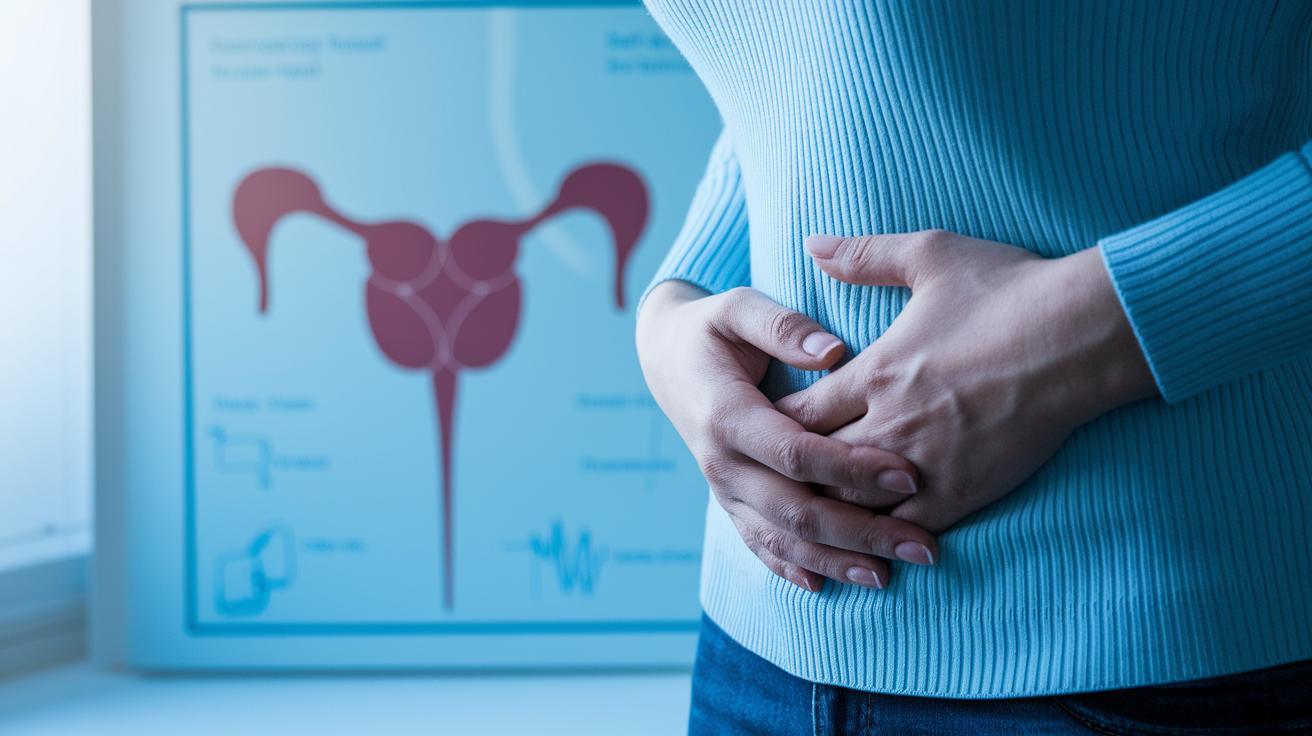
Quick Take: Burning while peeing and frequent trips to the toilet can be signs of a urinary problem. Check your symptoms and act quickly if you also have fever or back pain.
Triage Box:
• If you have severe lower back pain, high fever (102 F or above), or shaking chills, call emergency services now.
• If you are pregnant and have burning or pain when urinating, seek care right away.
• Otherwise, monitor your symptoms and follow up with your doctor if they do not improve.
Urinary Tract Infections (UTIs)
UTIs are usually caused by bacteria like E. coli (a common germ). You might feel a burning sensation when you pee and have a strong urge to go, even if only a little urine comes out. Your urine could look cloudy, have blood, or smell like ammonia. Pregnant women are more at risk, so any discomfort during pregnancy should be checked quickly. Sometimes, the infection may spread to your kidneys and cause fever, chills, and pain that reaches your lower back.
These infections often make your lower belly feel sore or heavy. You might also feel pain when sitting or standing for a long time. Noticing these signs early is important so you can get the right treatment and avoid more serious problems.
Urethritis: When the Urethra Is Inflamed
Urethritis means the tube that carries urine out of your body gets inflamed. It can be caused by bacteria that aren’t from sexual contact or by germs spread through sexual activity. Like UTIs, you may feel a burning sensation when you pee and pain in the urethra. Unlike more serious infections, you usually won’t have a high fever with urethritis.
Treatment usually involves a course of antibiotics from your doctor. It’s important to finish all your medication, even if you start feeling better. If the cause is a sexually transmitted germ, your partner might also need to be checked. Knowing the differences between urethritis and UTIs helps you and your doctor decide the best way to treat your symptoms.
Non-Infectious Sources of Abdominal Pain During Urination
Kidney stones can hit you hard and fast. They trigger a sudden, sharp pain that moves down the tube (ureter) and can cause blood to appear in your urine. Dehydration and certain diets can raise your risk. Often, your doctor will use a scan to find the stone and then treat you with pain medicine and extra fluids. In short, kidney stones may strike suddenly with sharp pain and blood in your urine.
Interstitial cystitis and pelvic floor dysfunction both lead to a steady, nagging pressure in your bladder along with pelvic pain. Interstitial cystitis (long-term bladder pain) causes a constant low-level ache and frequent urges to go, while pelvic floor dysfunction leads to cramps that can get worse when you move or sit too long. Since these problems can look like a bladder infection, your doctor may recommend pelvic physical therapy or a change in your diet. Simply put, these conditions create ongoing discomfort that may build up over everyday activities.
For some women, urinary pain links to their period. Conditions like endometriosis or inflammation from menstruation can pressure the bladder and cause lower belly pain. In men, heavy exercise or physical strain can stretch the pelvic muscles, leading to pain when peeing. Because the causes differ, your doctor might suggest anti-inflammatory measures or muscle-relaxing exercises depending on your case. In short, women might feel more pain during their period, and men can experience similar pain after strenuous activity.
Diagnostic Tests for Identifying the Cause of Belly Pain with Urination

Quick take: These tests help find why you have belly pain when you pee.
Triage Box:
• If you have a high fever (over 102°F), severe pain, blood in your urine, or you feel faint, call emergency services now.
• If your symptoms get worse or you feel very unwell, seek same-day care.
• Otherwise, keep track of your symptoms and discuss them with your doctor.
When you experience belly pain while urinating, your doctor may order a few tests to pinpoint the cause. These tests check for signs like infection, kidney issues, or stones that may be behind your discomfort.
Your doctor usually begins with a test called urinalysis. This quick test looks for white blood cells, red blood cells, bacteria, and nitrites (substances made when bacteria break down natural chemicals in urine). If the urinalysis shows signs of an infection, your doctor might ask for a urine culture to find the exact bacteria causing the problem.
Sometimes blood tests are done too. They check your white blood cell count and kidney function (how well your kidneys are working) to see if an infection has spread or if another issue is present. An ultrasound scan provides a visual look at your bladder and kidneys. It can show stones or changes in the bladder wall that may be causing your pain.
Your doctor will review all these results with you. Together, you can choose the best treatment plan while keeping an eye on your symptoms.
| Test | Purpose | Detects |
|---|---|---|
| Urinalysis | Basic check | Bacteria, blood, white blood cells, nitrites |
| Urine Culture | Identify infection | Specific bacteria |
| Blood Tests | Assess overall impact | White blood cell count, kidney markers |
| Ultrasound | Visual exam | Stones, bladder wall changes |
Reviewing these test results with your doctor helps ensure that any hidden issues are dealt with right away. Keeping a record of your symptoms can also show if your treatment is working or if you need to adjust your care.
Home Remedies and Over-the-Counter Options for Bladder and Belly Pain Relief
Drinking plenty of water helps ease bladder pain and reduce discomfort during urination by flushing out irritants from your body. When you drink 8–10 glasses of water each day, your urine stays diluted, which lowers irritation and helps clear out bacteria that can cause pain. Using a warm heating pad on your lower belly can relax muscles, boost blood flow, and gently ease inflammation, much like a hot water bottle soothes tired muscles.
• Drink 8–10 glasses of water daily to keep your urine diluted.
• Apply a warm heating pad to your lower belly for 15–20 minutes to relax muscle tension.
• Take over-the-counter pain relievers like ibuprofen (follow the label instructions) to reduce inflammation and pain.
• Sip unsweetened cranberry juice or use cranberry supplements, which may help stop bacteria from clinging to your urinary tract.
• Avoid spicy foods, caffeine, and alcohol as they can irritate your bladder.
• Do gentle pelvic floor stretches to relax tight muscles and improve blood flow.
These steps can help relieve your discomfort at home. They are meant to support you along the way and do not replace a visit to your doctor if your pain gets worse or lasts longer than a few days. If your symptoms continue or worsen, be sure to check with your doctor right away.
Warning Signs and Red Flags: When Belly Pain During Urination Requires Medical Attention
If you have belly pain when you pee and also see other serious signs, get help right away. This could mean the problem is urgent. It may come with a high fever, back or side pain, visible blood in your urine, strong stomach cramps, trouble emptying your bladder, or pain that doesn't get better with self-care.
• High fever over 101°F
• Pain in the back or side
• Visible blood in the urine
• Intense, cramping stomach pain
• Trouble starting or emptying your bladder
• Pain that worsens or keeps returning despite self-care
Preventive Measures to Avoid Future Urinary-Related Belly Pain
Drinking about 2–3 L (8–10 glasses) of water every day helps flush out bacteria and keep your urine dilute. Make sure you go to the bathroom regularly, especially after sex, so you clear any bacteria that may cause irritation.
Wear loose, breathable underwear and clothes to keep air flowing and reduce moisture. This helps stop bacteria from growing. Also, wipe from front to back each time. That simple step prevents any bacteria from reaching your urinary tract.
Try doing pelvic floor exercises, often called Kegels, to strengthen your muscles. Tighten these muscles for 5 seconds, then relax for 5 seconds, and repeat this cycle 10 times every day. Doing this improves muscle control and can help reduce discomfort when you urinate.
Final Words
In the action, we broke down the most common causes of belly pain when urinating, from infections and kidney stones to non-infectious factors. We explored ways to pinpoint the cause and offered clear steps for home care, including hydration and OTC options. You now have a handy checklist to spot red flags and ideas for preventing future issues. Use this guide as a tool to help decide if you need urgent care or simply need to manage belly pain when urinating at home. Stay alert and care for yourself.
FAQ
Q: Why does my stomach hurt when I pee (in females)?
A: The experience of stomach pain during urination in females can stem from infections like UTIs or bladder irritation. It may also be linked to pelvic issues, so seek medical advice if the pain worsens.
Q: Why do I feel pain in my lower abdomen when urinating and pooping as a female?
A: Feeling lower abdominal pain during both urination and bowel movements in females may indicate pelvic inflammation or an infection such as a UTI. It is wise to consult your clinician to pinpoint the cause.
Q: Why does my stomach hurt when I pee in males?
A: Stomach pain during urination in males might result from infections, kidney stones, or inflammation of the urethra (the tube that carries urine). If the pain persists, follow up with your provider for evaluation.
Q: Why do I experience pain in the abdomen when peeing without a burning sensation?
A: Abdominal pain during urination without burning can be related to noninfectious causes like kidney stones or pelvic muscle strain. Observing additional symptoms can help guide whether further testing is needed.
Q: Why do I have lower abdominal pain when peeing during early pregnancy?
A: Lower abdominal pain during urination in early pregnancy can occur due to increased UTI risk or hormonal changes affecting the bladder. Monitoring your symptoms and discussing them with your healthcare professional is essential.
Q: Why do I feel upper abdominal pain after urinating?
A: Upper abdominal pain after urination is unusual and may signal referred pain from kidney issues or another underlying condition. Prompt evaluation is key to ruling out any serious problems.