

Quick take: Belly pain during intimacy is common, but you should act if your pain gets worse.
If you have any of these emergency signs, call emergency services now:
• Severe, unrelenting pain
• Heavy bleeding
• Pain that suddenly gets much worse
Many women feel belly pain during intimacy. It can be a mild ache or a sharp, cramping pain. About 40 out of every 100 women experience this at some point, and a few have pain that lasts.
In this post, we explain common reasons for the pain and share simple tips to help you feel better today. Try these steps at home, but work with your clinician if your pain does not improve.
Understanding Belly Pain With Intimacy: Definition, Frequency, and Symptoms
Quick take: Belly pain during intimacy can mean different things. Act quickly if your pain is severe or lasts too long.
Triage Box:
• Call emergency services now if you have severe, sudden sharp pain or heavy bleeding.
• Seek same-day care if you experience painful urination with fever, unusual vaginal discharge, or if the pain lasts longer than 6 months.
• Monitor symptoms and contact your clinician if they worsen.
In women, belly pain during or after sex is a common complaint. About 40% experience this discomfort at some point, and nearly 7.5% have pain that lasts 6 months or more. The pain can feel like a mild, dull ache, a sharp deep pain, or cramps that come on during sex. Sometimes, the pain may occur after penetration and can come with other symptoms like vaginal discharge, painful urination, or heavy, irregular bleeding.
In men, abdominal pain during sex is less common. When it happens, it may be due to conditions such as prostatitis (inflammation of the prostate), pelvic floor dysfunction (muscle tightness or weakness), infections, or pelvic injuries that cause discomfort during ejaculation or urination.
This pain might point to an underlying condition. For example, endometriosis (tissue like the uterine lining growing outside the uterus), ovarian cysts (fluid-filled sacs on the ovaries), fibroids (noncancerous growths in the uterus), or pelvic congestion syndrome (varicose veins in the pelvis) can cause or worsen the pain.
When you talk to your clinician, note whether your pain is a slow-building ache or a sharp pain that hits suddenly. This can help them understand your symptoms better.
Gynecological Causes of Belly Pain During Intercourse
Pain during sex can feel worrying, but there are a few common gynecological issues that might be behind your discomfort. Knowing these causes can help you decide your next steps and talk to your clinician if needed.
If you have any of these emergency signs, call emergency services now:
- Severe pain that starts suddenly and is very intense.
- Bleeding or fever with your pain.
- Feeling lightheaded or faint.
Here are some common causes and what you can do:
• Endometriosis
This happens when tissue similar to your uterus lining grows outside the uterus. It can start as a dull ache that turns into a sharp pain during or after sex. You might feel constant pelvic pain that suddenly worsens.
• Ovarian Cysts
Ovarian cysts are fluid-filled sacs on your ovaries. Small cysts may not hurt, but larger ones can press on nearby nerves and organs. This extra pressure can make your lower belly hurt during intimacy.
• Uterine Fibroids
Fibroids are noncancerous lumps in your uterus. They are common and can cause cramps and pain with sex. When fibroids grow, your uterus might work harder during sex, leading to discomfort.
• Pelvic Inflammatory Disease (PID)
PID is an infection in your reproductive organs. It causes inflammation and can make sex very painful. You might also feel a burning sensation or extra pain when you move.
Keep track of your symptoms, note any changes, and share these details with your clinician. This way, you can get the right care and feel better soon.
Non-gynecological Causes of Belly Pain During Intercourse
Quick take: Pain during sex can come from non-gynecological issues. If your pain is very intense, you experience unusual bleeding, or feel dizzy or faint, seek help now.
• Call emergency services now if you have any of these signs:
- Severe pain that does not go away
- Heavy bleeding or lightheadedness
- Fainting or sudden weakness
Sometimes, pain during sex stems from conditions outside the reproductive organs. Varicose veins in the pelvic area may cause what is known as pelvic congestion syndrome. This means you might feel a steady, dull pain that can get worse during sex or menstruation, especially when your pelvic veins are under pressure.
Another factor is a tilted uterus, which occurs in about 1 in 4 people with a uterus. The uterus might lean slightly and be pushed into an odd angle during certain positions, leading to sudden, sharp pain.
Past injury or surgery may lead to scar tissue and muscle spasms. This pelvic floor dysfunction can cause abrupt, sharp pain during intimacy, especially with deep penetration. Your muscles might tighten unexpectedly, adding to the discomfort.
Irritable bowel syndrome (IBS) can also play a role. With IBS, your gut muscles may spasm, and that pain can refer to the pelvic area during sex.
Surgical adhesions, which are bands of scar tissue from earlier operations, may restrict the normal movement of your pelvic organs. This structural change can also add to your discomfort.
Key points to remember:
| Cause | Type of Pain |
|---|---|
| Pelvic congestion syndrome | Dull, steady pain that can worsen during sex or menstruation |
| Tilted uterus | Sharp, positional pain in certain intercourse positions |
| Pelvic floor dysfunction | Sudden, sharp pain from muscle spasms or scar tissue |
| Irritable bowel syndrome (IBS) | Gut spasms that refer pain to the pelvis |
| Surgical adhesions | Structural discomfort from scar tissue restricting pelvic organ movement |
Diagnosing Belly Pain During Intercourse: Tests and Techniques
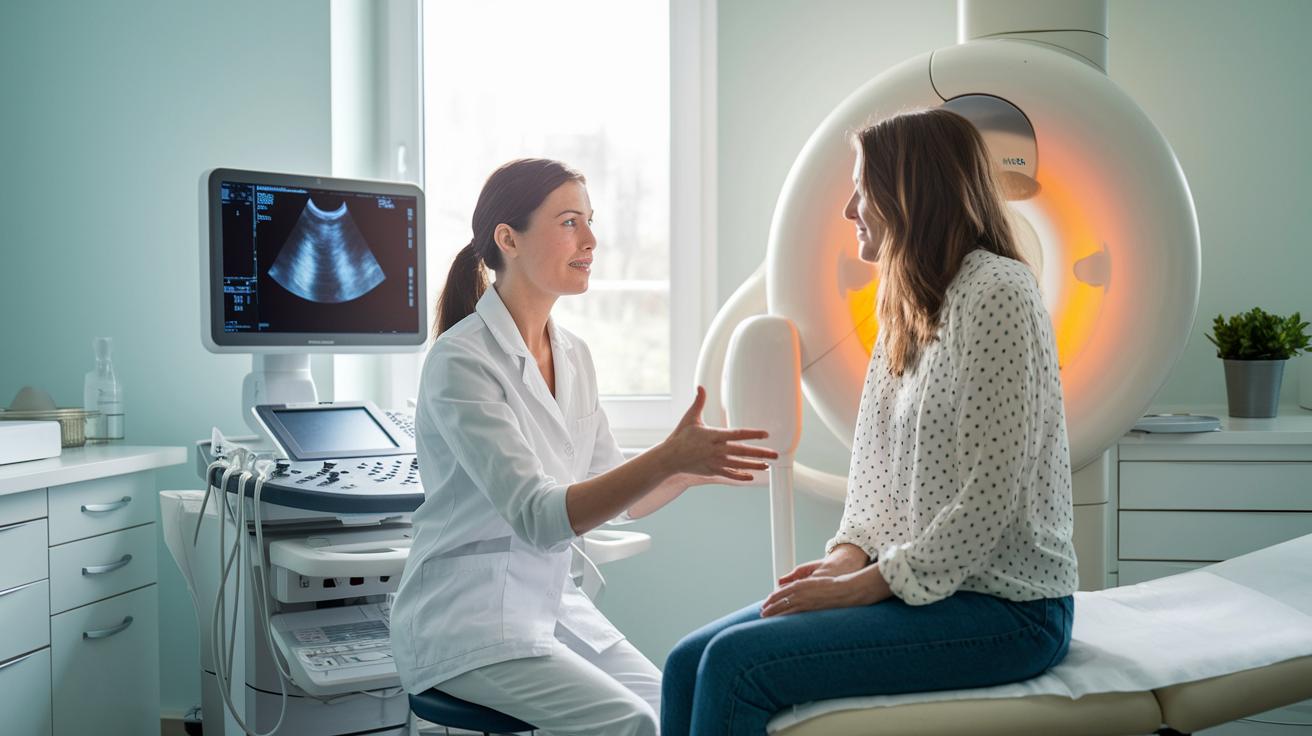
Quick take: Belly pain during intimacy can come from several causes, so your doctor uses a mix of tests to find the problem.
If you experience any of these signs, seek help immediately:
- Severe, persistent pain
- Heavy bleeding or dizziness
- Fever or chills
Your doctor will start by asking about your health history and doing a pelvic exam. This exam helps spot any tender spots or lumps that need more attention.
Next, imaging tests play a big role. An ultrasound uses sound waves to create pictures of your organs and can show cysts or fibroids. An MRI (a scan that uses magnets and radio waves) gives a close look at soft tissues and can spot endometriosis lesions (tissue growing outside the uterus). Sometimes a laparoscopy is done. This small procedure uses a camera to look directly at your pelvic organs for adhesions or abnormal implants.
Blood tests are also used. They check for signs of infection, like a high white blood cell count, and look for hormone imbalances that might be causing your pain. Altogether, these tests help your doctor get a clear picture and make sure nothing is missed.
| Test | Purpose | Findings |
|---|---|---|
| Pelvic Exam | Check for tender spots and lumps | Tender areas, palpable masses |
| Ultrasound | View internal structures | Cysts, fibroids |
| MRI | Scan soft tissues | Endometriosis lesions |
| Laparoscopy | Direct view of pelvic organs | Adhesions, implants |
| Blood Tests | Detect infection and hormonal issues | High WBC, hormone imbalances |
Quick take: You have several practical steps you can take at home, but if your pain gets worse or you see red flags, act now.
If you have any of these emergency signs, call emergency services now:
- Severe, sharp pain with sudden, heavy bleeding
- Fainting or feeling like you might pass out
- Extreme pain that stops you from breathing normally
If your discomfort continues or worsens, reach out to your doctor today.
Self-care and Home Remedies
• Lubricants – Use store-bought or natural lubricants to lessen friction during intercourse.
• Extended foreplay – Spend more time on arousal to boost natural lubrication and help your body get ready.
• Heat – Try a warm bath or a heating pad on your lower abdomen after sex. Heat can soothe tight muscles and ease cramps.
• Position adjustments – Change positions to control how deep penetration goes. This can help stop overstretching.
• Pelvic floor exercises – Gentle exercises can strengthen muscles around your lower abdomen and help reduce pain.
• Diet – If you have IBS (irritable bowel syndrome), small changes in your diet may lessen gut spasms that cause discomfort.
Medical and Therapeutic Options
• NSAIDs – Over-the-counter anti-inflammatory drugs, like ibuprofen, may relieve pain and swelling from issues such as fibroids or endometriosis (painful tissue growth).
• Antibiotics – If an infection (for example, pelvic inflammatory disease or a urinary tract infection) is behind the pain, a short antibiotic course might be needed.
• Hormones – Hormonal treatments may help manage conditions like endometriosis or fibroids, thus reducing pain.
• Surgery – Laparoscopic surgery can remove problematic tissues like fibroids or endometrial implants, which may lessen pain during intercourse.
• Physical therapy – Specialized pelvic floor therapy can ease muscle tension or help with conditions like vaginismus (involuntary muscle tightening).
• Alternative therapies – Some find relief with acupuncture, yoga, or pelvic-health supplements as extra support to improve pelvic comfort and function.
Mixing these self-care tips with medical treatments can help you feel better. Keep track of your symptoms and what helps so you can work with your doctor on the best plan for you.
Preventing Belly Pain With Intimacy: Strategies and Lifestyle Tips

This guide adds lifestyle changes to the self-care tips we already discussed to help prevent belly pain during intimacy.
• Keep using the self-care tips from before, such as adding lubrication, extending foreplay, adjusting positions, and doing pelvic floor exercises (exercises to strengthen your muscles). These tricks lower friction and strain.
• Try mindfulness and deep breathing to ease anxiety and tension. Take slow, deep breaths before intimacy to calm your body and mind.
• Stick with regular exercise and a healthy diet. A fit, active body helps your muscles stay flexible and reduces tension overall.
• Talk openly with your partner about your comfort. For example, saying "Let's take it slower tonight" can help adjust the pace to what feels best for both of you.
• Keep an eye on your daily stress and note any links to discomfort. Write down these observations and share them with your clinician when needed.
Red Flags and When to Seek Help for Belly Pain During Intercourse
Please note: We have combined this information with the sections on Triage, Diagnosis, and Treatment. This change helps keep the guide clear and avoids repeating the same details.
Final Words
In the action, we broke down belly pain during intercourse by defining its signs, common causes, and risk factors. We reviewed gynecological and non-gynecological issues, clear diagnostic tests, and practical tips to manage and prevent discomfort. The guide explained when to self-care and when to reach out for help. Track your symptoms and share details with your clinician to get targeted care. Keep these practical steps in mind, and remember that understanding your body is the first step to feeling better.
FAQ
What does lower abdominal pain during or after intercourse mean for females?
Lower abdominal pain during or after sex can indicate conditions such as endometriosis, ovarian cysts, fibroids, or infections. It can also stem from muscle strain. Persistent pain warrants a clinical evaluation.
Can sperm cause abdominal pain in females?
Sperm itself rarely causes abdominal pain. Instead, pain may result from an allergic reaction or irritation possibly linked to infection. A doctor can help determine the specific cause of your symptoms.
Why might pain occur suddenly during intercourse or afterward?
Sudden pain during or after sex may be due to muscle spasms, inadequate lubrication, or minor injury. Adjusting positions and using more lubrication can help, but consult a clinician if the pain is severe or recurs.
What if I experience lower abdominal pain two days after intercourse?
Experiencing pain two days after sex may point to an infection or irritation that needs attention. Tracking the pain and consulting a healthcare provider is advised if the discomfort continues or worsens.
How can I reduce pain during intercourse using home remedies?
Reducing sex-related pain at home can involve using lubricants, extending foreplay, applying heat, trying different positions, doing pelvic floor exercises, and modifying your diet to help ease discomfort.
What causes entry pain during intercourse?
Entry pain during sex can result from insufficient lubrication, vaginal tightness, or irritation. Using extra lubricants and gentle techniques can alleviate the pain, but persistent discomfort should be checked by a clinician.
Why do males experience lower abdominal pain during or after sex?
Lower abdominal pain in males may arise from conditions such as prostatitis, pelvic floor dysfunction, or infections. If the pain persists, seeking a medical evaluation is important for proper diagnosis and treatment.