

Quick take: Blood in your stool can be from a minor issue or something more serious.
Triage Box:
• If you see heavy bleeding, black/tarry stool, or have sharp stomach pain, call emergency services now.
• If you feel dizzy, lightheaded, or faint, seek urgent medical care.
• If symptoms are mild but persist for more than 3 days, contact your doctor.
Seeing blood in your stool can be scary, especially if you also feel abdominal pain. Often, this happens because of small tears or hemorrhoids (swollen veins in the rectum). But sometimes, blood in the stool may signal a more serious problem.
It’s important to keep a record of what you experience. Write down when you see blood, any pain you feel, and other symptoms. Sharing these notes with your doctor can help decide the best next steps.
Stay alert to what your body is telling you. Your notes and how you feel are key in deciding whether you need to act quickly or simply monitor your symptoms for changes.
Identifying Abdominal Discomfort and Blood in Stool Symptoms
If you notice bright red blood in your stool, on the toilet water, or on the toilet paper, your digestive system is sending you a clear signal that something is happening. Bright red blood usually means the bleeding is coming from the lower part of your gut.
Keep track of these details about your symptoms:
- Write down how the pain feels (is it dull, burning, or sharp?).
- Note how often you see blood, whether it happens during or after bowel movements.
- Record the amount of blood, from small specks on toilet paper to noticeable traces in the water.
This information helps you and your doctor decide if you are likely dealing with a common issue, such as hemorrhoids or a small tear near the anus, or if it might be a sign of a more serious problem. Keeping a diary can be very useful. For example, you might write: “Today at 3:00 pm, I had mild stomach cramps and noticed a few drops of red blood on the toilet paper.”
Common Causes of Abdominal Discomfort and Rectal Hemorrhage
Quick take: Mild belly pain with a bit of blood is usually linked to common, non-severe issues. But if you experience heavy bleeding, sharp pain, or feel lightheaded, act now.
If you have any of these emergency signs, call emergency services immediately:
- Large blood clots
- Severe, worsening pain
- Fainting or feeling very dizzy
If your symptoms get worse or the bleeding increases, seek same-day medical care. Otherwise, keep an eye on your symptoms and note when they happen and what the blood looks like.
Common reasons for these symptoms include:
- Dietary irritants (foods like spicy dishes or low-fiber meals)
- NSAID-related gut damage (pain relievers that can irritate the stomach lining)
- Hemorrhoid bleeding
- Fissures from hard stools due to constipation
- Irritation from chronic diarrhea
- Small tears in the anal area
Often, everyday factors lead to these signs. For example, certain foods or medications may upset your digestive tract, and straining on the toilet can cause swollen veins or tiny tears. Hard stools or the repeated irritation of loose stools can also create bleeding spots.
Write down when your pain starts, how long it lasts, and what the blood looks like. This simple record helps you and your doctor decide if your symptoms are easy to manage at home or if you need further care.
Abdominal Discomfort and Blood in Stool: Stay Informed
Quick take: Persistent cramps with blood in your stool may be a sign of a serious gut issue.
If you notice heavy bleeding, sharp pain, dizziness, or a rapid heart beat (over 100 beats per minute), call emergency services now. Check your red flag list immediately.
Common causes include:
• Inflammatory bowel disease: This is long-term gut inflammation causing pain, bleeding, weight loss, and tiredness. It comes in flare-ups that need regular check-ups.
• Diverticulitis: This happens when tiny pouches in the colon become inflamed. It often causes fever, tenderness in the left lower belly, vomiting, and sometimes bleeding. Quick medical care is necessary.
• Colorectal polyps and cancer: These can lead to intermittent, often painless bleeding. Over time, unnoticed blood loss may cause anemia (low red blood cell count) and weakness. Regular screening is very important.
• Anal abscesses and fistulas: These infections occur in the anal glands and cause intense pain, swelling, and sometimes discharge or bleeding. They can become worse quickly and need immediate treatment.
What to do now:
- Record your symptoms clearly. Note when the pain and bleeding happen and how much blood you notice.
- If red flags appear, call emergency services immediately.
- Follow up with your healthcare provider to decide on necessary tests or treatments.
Keep your notes handy. This will help your doctor decide on the best treatment options and tests.
Diagnostic Approach for Intestinal Discomfort with Bloody Excretion
Quick take: If you notice belly pain with blood in your stool, get checked promptly.
If you have any of these emergency signs, call emergency services now:
- Severe, sudden pain
- Heavy bleeding that soaks through clothes or pads
- Fainting or feeling very lightheaded
- Confusion or extreme dizziness
Your doctor will start by asking when the blood first appeared, how much you see, and what color it is. Bright red blood often means the bleeding is coming from the lower part of your digestive tract. In that case, a colonoscopy (a camera test that checks your colon) may be needed. If the blood is darker, it could come from the upper tract, and your doctor might choose an upper endoscopy (a test that uses a camera to view your throat and stomach) to look for ulcers or erosions.
They might use a stool guaiac test (FOBT) to check for small amounts of hidden blood. In some cases, imaging tests such as CT scans or MRIs are ordered. These tests help pinpoint where the bleeding is coming from and show details of nearby tissues. If the bleeding continues, a biopsy (removing a small piece of tissue for exam under a microscope) may be done.
Many clinicians use a step-by-step flowchart for abdominal pain to guide them in choosing the right tests.
| Test | Purpose |
|---|---|
| Stool Guaiac Test (FOBT) | Checks for small amounts of blood in your stool |
| Colonoscopy | Looks for lesions and bleeding in the lower digestive tract |
| Upper Endoscopy | Views the upper digestive tract for ulcers or erosions |
| CT Scan | Detects internal bleeding and masses |
| MRI | Produces detailed images of soft tissues |
| Biopsy | Examines a tissue sample for ongoing or suspicious bleeding |
Based on these findings, your doctor will choose the best tests to guide your treatment and manage your condition.
Emergency Red Flag Warnings
This section has been removed because it repeats critical emergency warnings found in other parts of the article.
Home Care and Nutritional Support for Midsection Pain with Red Fecal Matter
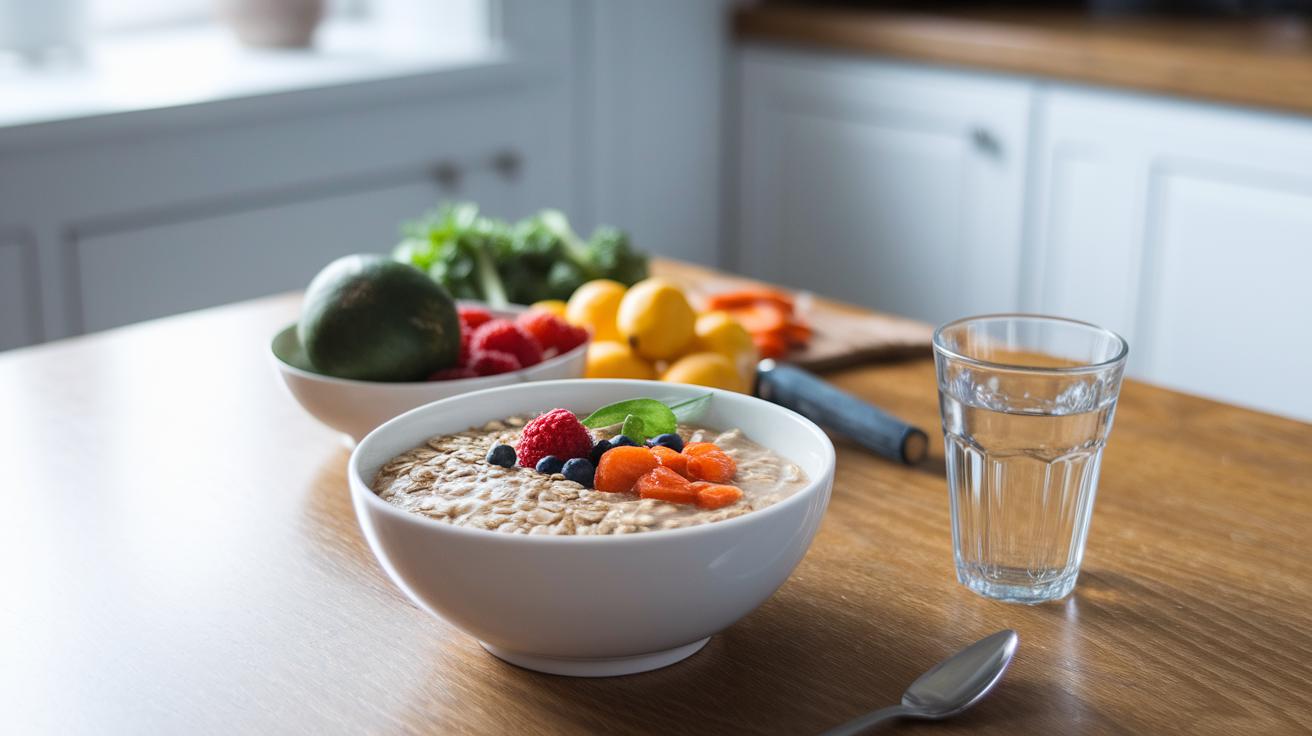
Quick take: Simple changes to your diet and fluids may ease mild midsection pain with a little red in your stool.
Triage:
- Call emergency services now if you have heavy bleeding, sharp pain that gets worse, dizziness, or fainting.
- Seek same-day care if symptoms quickly worsen.
- Otherwise, follow these home-care steps and monitor your progress.
First, add more fiber to your meals. Try eating oats, beans, fruits, and vegetables. Fiber helps soften your stool and can ease the strain that might lead to irritation and bleeding.
Next, drink plenty of water. Aim for 8–10 cups each day. Staying well hydrated helps your digestion and may prevent hard stools that can hurt your gut.
You can also try gentle natural remedies. Ginger (a root known to soothe the stomach) and turmeric (a spice with calming properties) may reduce mild gut inflammation. For example, drink a warm cup of ginger tea after meals or add a pinch of turmeric to your food.
Lastly, be mindful of what might worsen your pain. Avoid spicy foods and overusing pain relievers like NSAIDs (medications such as ibuprofen). Keeping a food diary can help you track which foods make your symptoms worse. Share this diary with your healthcare provider to build a care plan that works best for you.
Monitoring Persistent Gut Discomfort with Blood Evidence
We've combined this advice with our symptom diary tips. To track your symptoms, note the date, time, stool appearance, when pain starts, and any possible triggers. For example, you might record: "On 07/13 at 3:00 PM, I experienced moderate pain and noticed bright red blood after a spicy meal."
Keep a daily diary as described in our guidelines. This record helps your doctor spot patterns and decide if further testing or changes in care are needed.
Medical Treatments for Abdominal Discomfort and Blood in Stool
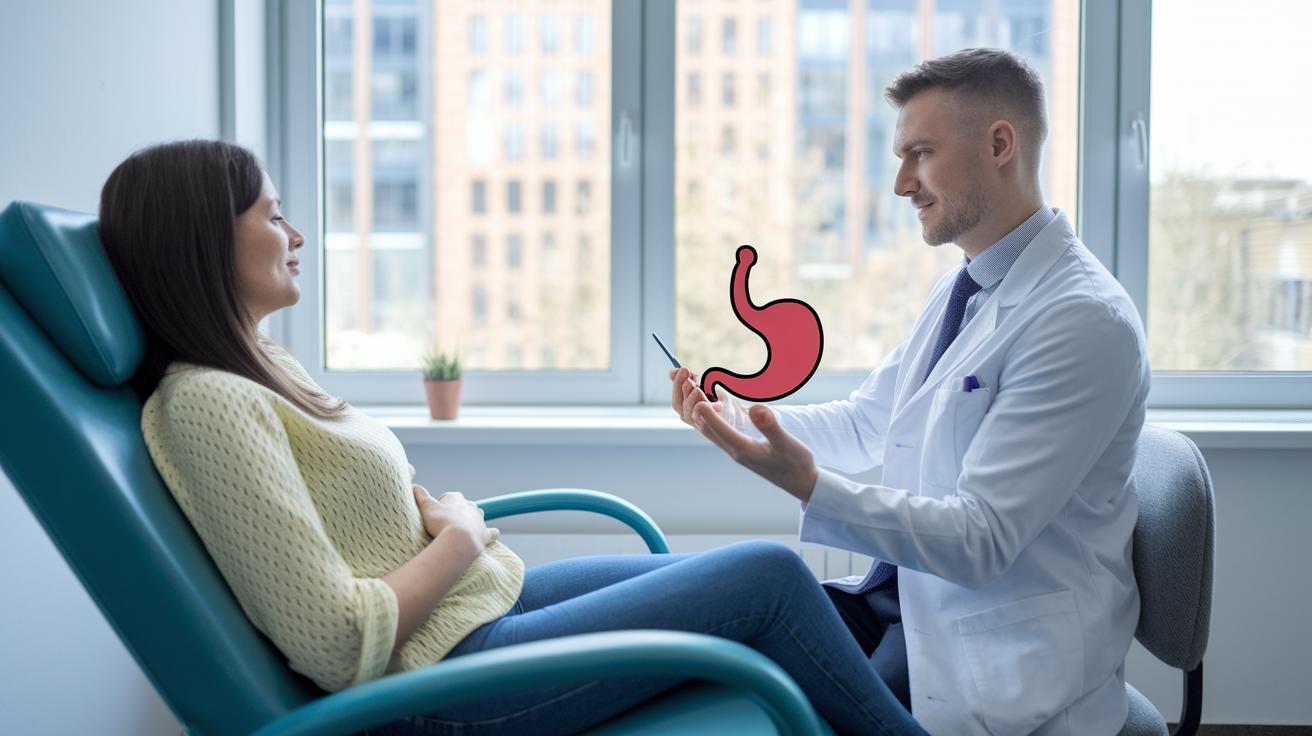
If your pain or bleeding does not improve with home care, your doctor may suggest medicine-based treatments that match your needs. For pain from swollen veins (hemorrhoids) in the rectum, creams or suppositories can ease irritation and help stop bleeding. Using a stool softener like docusate can make bowel movements gentler, allowing small tears or fissures to heal.
For ulcers that cause pain in the upper stomach, your doctor might prescribe proton pump inhibitors (PPIs) or H2 blockers to lower stomach acid and give your gut a chance to mend. If your discomfort comes from cramping, an antispasmodic can ease the muscle tightness.
When you have long-lasting inflammation, such as with inflammatory bowel disease, your doctor may use immune-modifying drugs like biologics or immunosuppressives to calm the immune response and reduce both pain and bleeding.
Sometimes, if a large polyp is found during screening, it may be removed with surgery to stop ongoing bleeding and lower the risk of future problems. Your treatment plan is built around your specific symptoms, test results, and overall health. Regular follow-ups help adjust your care as your condition changes.
Final Words
In the action of addressing abdominal discomfort and blood in stool, this article breaks down what to watch for and when to act. It covers common causes, outlines red flags requiring prompt attention, and suggests practical home care steps like dietary tweaks and hydration. It also highlights the value of tracking symptoms to share with your clinician. Keeping a detailed record and following these guidelines helps you decide whether it's time for emergency care, a same-day evaluation, or just a careful watch. Stay safe and take heart in your path toward better health.
FAQ
When should you worry about blood in stool, especially when it’s bright red?
Blood that appears bright red in your stool may signal a lower digestive tract issue. If it is frequent, heavy, or accompanied by dizziness or severe pain, it is time to seek medical help.
What does abdominal pain with blood in stool mean for women?
Women with abdominal pain and blood in stool may have conditions ranging from hemorrhoids to more serious gastrointestinal issues. Persistent or worsening symptoms warrant evaluation by a healthcare professional.
How do mucus and blood in stool with abdominal pain affect health?
Mucus combined with blood in stool and abdominal pain can be a sign of inflammatory conditions or infection. Timely consultation with a clinician is advised for proper evaluation and care.
What treatment options are available for blood in stool?
Treatment for blood in stool depends on the underlying cause. Options may include dietary improvements, stool softeners, or specific medications prescribed by a healthcare provider after a full assessment.
What are the early warning signs of internal bleeding related to these symptoms?
Early signs of internal bleeding include dizziness, a rapid heartbeat, sharp pain, and heavy rectal bleeding. These symptoms suggest that urgent medical evaluation is needed.
What does bleeding associated with Crohn’s disease look like?
Bleeding from Crohn’s disease often shows as intermittent red blood in the stool along with abdominal pain and weight loss. A proper diagnosis and treatment plan from a clinician are essential.
What does blood in stool combined with abdominal pain indicate?
The combination of blood in stool and abdominal pain can indicate various conditions, from minor issues like fissures to serious problems such as diverticulitis or colorectal disorders. A timely medical assessment is important.