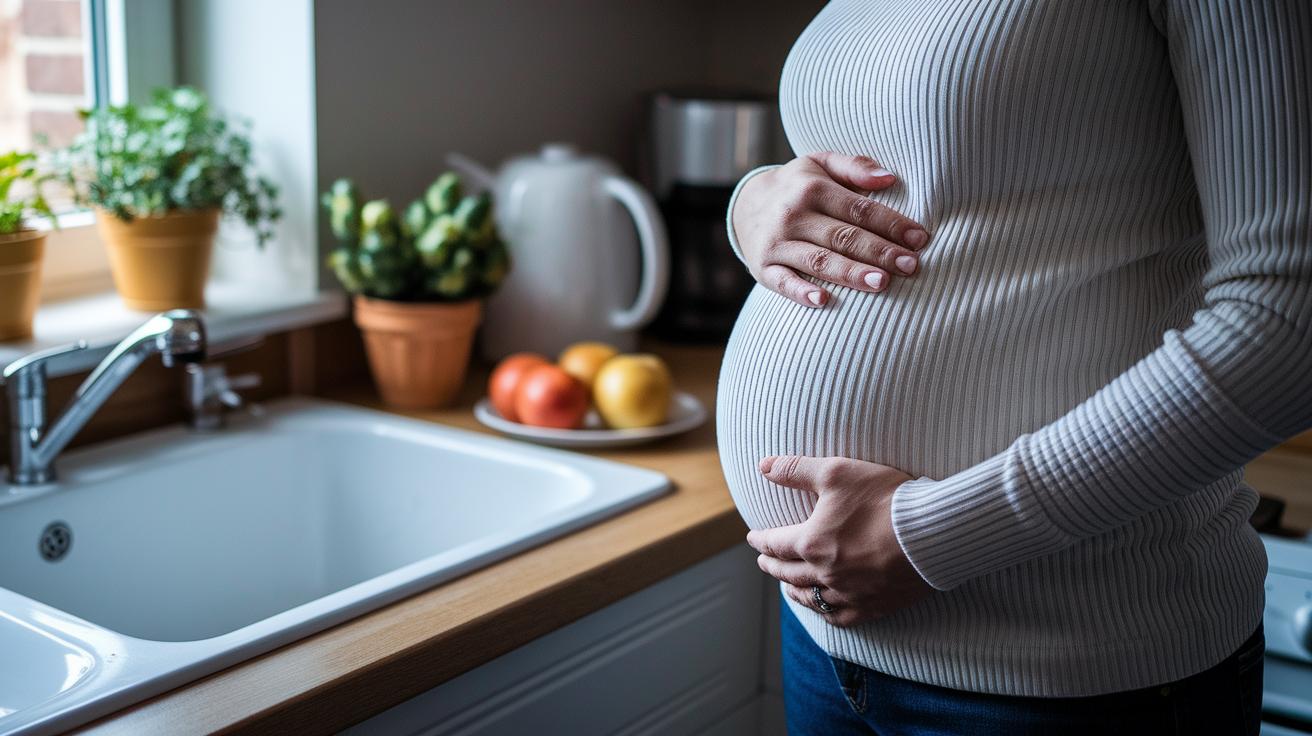
Quick Take: Bloating can be a simple build-up of gas in your colon, but certain signs mean you need to seek help right away.
If you have any of these emergency signs, call emergency services now:
• Severe belly pain
• Fever above 101°F
• Blood in your stool
• Uncontrolled vomiting
Nearly 18% of people feel an overly full belly after eating. This bloating can make you feel uneasy and confused. Extra gas builds up when food doesn’t digest well, and this extra gas can cause a tight, uncomfortable feeling.
Here are some simple steps you can try:
- Eat slowly and chew well.
- Enjoy smaller, more frequent meals.
- Avoid foods that tend to cause gas, like beans and fizzy drinks.
- Drink plenty of water.
Keep track of your symptoms in a simple diary:
• Note when you start feeling bloated.
• Record what you eat and any pain or discomfort.
• Mark if the problem lasts more than 3 days.
If your symptoms get worse or you notice any red-flag signs, make sure to call your healthcare provider. Your doctor can help decide if you need more treatment or tests.
This guidance is based on trusted medical reviews to help you understand and manage your symptoms safely.
Understanding Abdominal Discomfort: What Is Bloating?
Quick take: Bloating is common but watch for severe signs that need medical care.
Triage Box:
- Call a doctor if you have severe belly pain, fever, or constant vomiting.
- Seek help if the bloating lasts for weeks or comes with serious discomfort.
- Monitor your symptoms and note any changes.
Bloating happens when extra gas builds up in your colon (the large part of your intestine). You might notice your stomach feels full, tight, or hard. This extra gas is made during digestion, with gases like methane and hydrogen causing a swollen feeling. About 18% of people get bloating at least once a week, often after eating.
When you have bloating, you may feel some discomfort or a little nausea. You might also find relief after burping or passing gas. Usually, simple habits like drinking water, taking a slow walk, or eating more slowly can help ease the feeling.
Most of the time, bloating is nothing serious and clears up on its own. However, if your bloating keeps coming back, gets worse, or you notice other unusual symptoms, it might be a sign to contact your healthcare provider. Tracking your meals and symptoms can help you understand what is normal for you and decide when to seek more help.
Common Causes of Abdominal Discomfort and Bloating
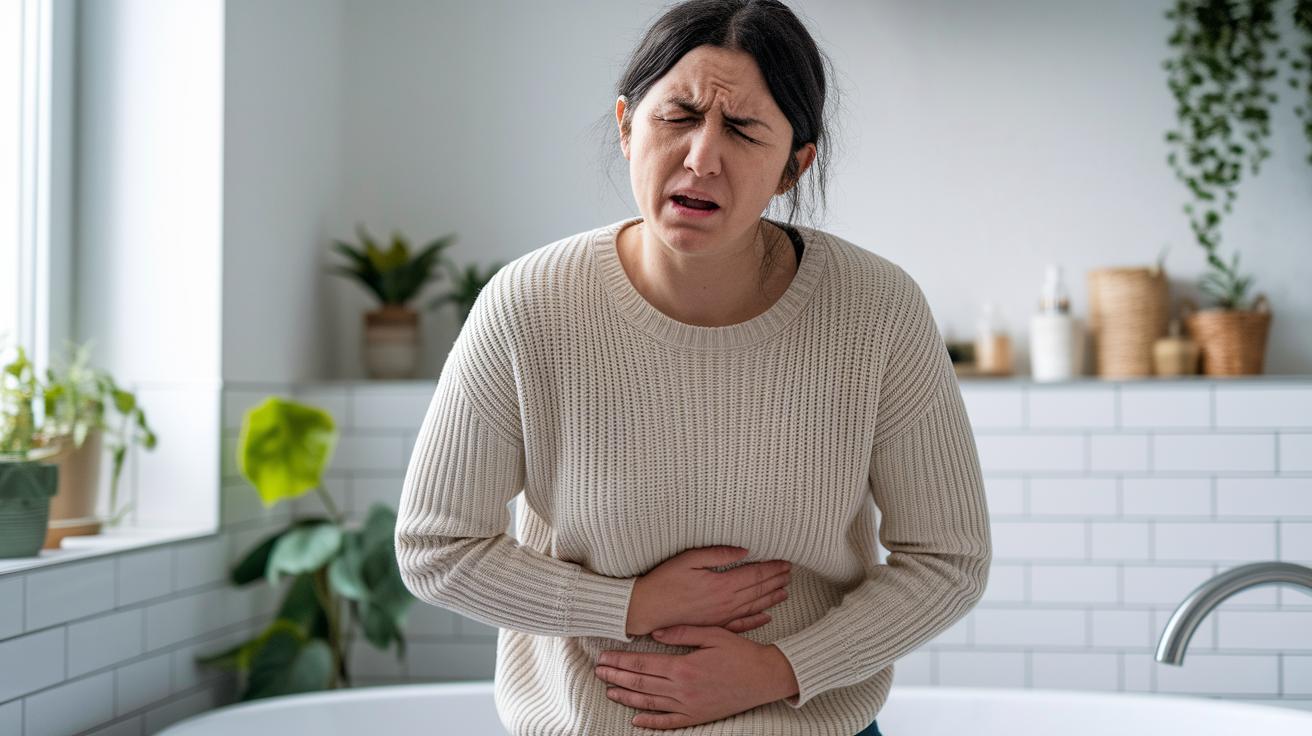
Quick Take: Bloating is often from trapped gas and simple digestion issues. If you experience severe pain or sudden changes, get help right away.
If you have any of the following emergency signs, call emergency services now:
• Severe abdominal pain
• High fever
• Persistent vomiting
• Inability to pass gas or stool
Bloating usually happens when extra gas builds up in your colon. This can start with common issues like constipation. When you don’t drink enough water or eat enough fiber, your stools can get hard. This makes it harder for your body to move gas along, trapping it inside.
Other reasons you might feel bloated include:
- Hormonal changes. Many notice more bloating before or during their period due to your body holding onto extra water.
- Extra gas from digestion. Sometimes your body can’t break down certain carbs well. This creates more gas after eating and you may feel relief after burping.
- Overeating or eating rich foods. Large meals or too many processed foods can slow down digestion and make your stomach feel overly full.
- Digestive conditions. Problems like irritable bowel syndrome (IBS), GERD (acid reflux), Crohn’s disease, ulcerative colitis, and diverticulitis can upset your normal digestion and add to the bloating.
- Food intolerances. If you have trouble with dairy, gluten, or other specific foods, your body might react with bloating and discomfort.
Remember, while bloating is usually not dangerous, changes in your body can be upsetting. Track your symptoms and if they worsen or come with severe signs, reach out to your clinician for care.
Warning Signs of Serious Abdominal Discomfort Bloating
Quick Take: If you have ongoing bloating for more than 2 weeks along with other warning signs, get medical care right away.
If you notice bloating that doesn't get better after 2 weeks of self-care, this can be a sign to see a doctor quickly. Watch out for these warning signs:
- Bloating that lasts over 2 weeks
- Unexplained weight loss
- Pale skin or yellowing skin (jaundice)
- Loss of appetite
- Severe, constant stomach pain
These signs might mean you have issues like a bowel blockage from scar tissue, a tumor, a hernia, problems with food absorption (malabsorption), or even cancers in the colon, pancreas, stomach, ovary, or uterus. If you notice any of these, seek same-day medical attention.
For help deciding what to do next, you can use a triage flowchart for abdominal pain. Check it out here: https://thequickesttips.com?p=1459
Also, keep a record of your symptoms. Note the start time, how bad the bloating is, other signs you see, and anything that makes it better or worse. This information will help your healthcare provider figure out the best care for you.
Home Remedies for Abdominal Gas and Bloating Relief
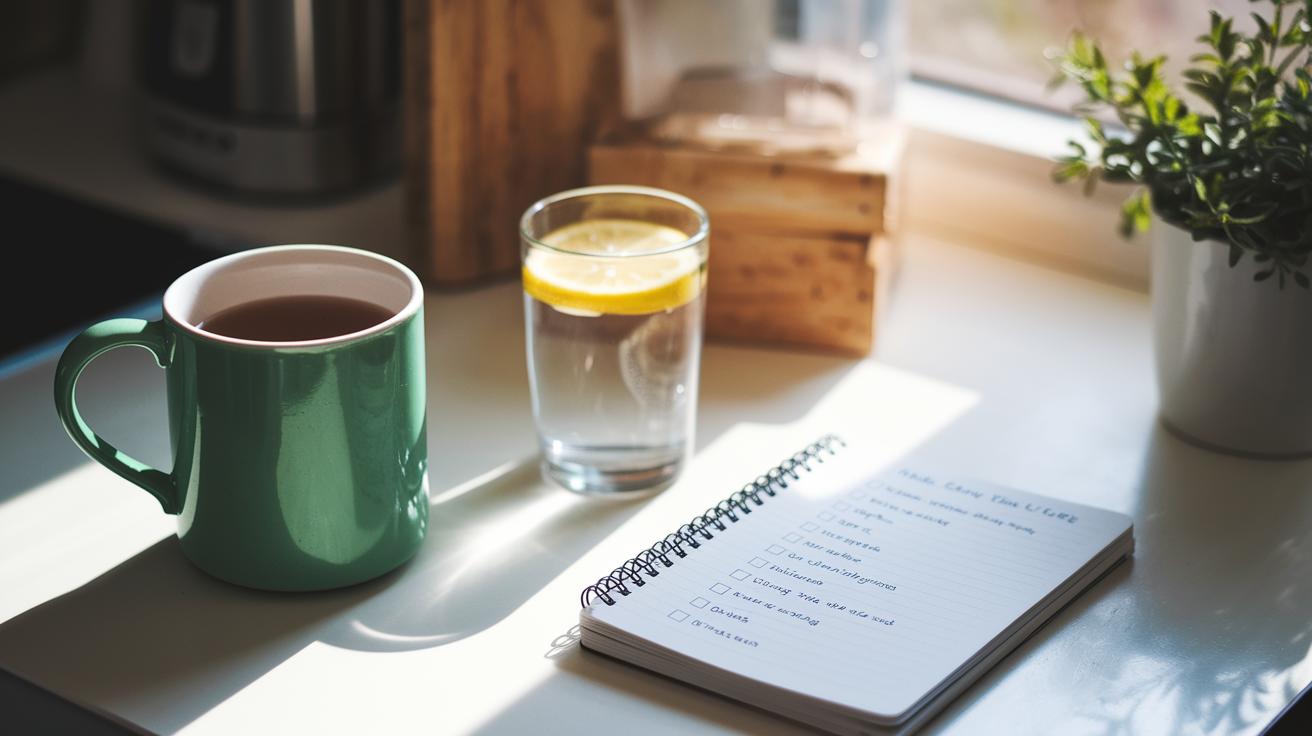
Quick take: Mild gas and bloating can often be eased with simple home steps.
If you have any of these emergency signs, call emergency services now:
• Severe, sharp abdominal pain
• High fever or persistent vomiting
• Blood in your stool
If your symptoms worsen quickly or last over a few days, seek same-day medical attention. Otherwise, try these self-care steps to help relieve your discomfort:
- Sip a warm cup of peppermint tea or ginger infusion as soon as you notice bloating. Peppermint tea soothes muscle spasms in your stomach.
- Mix 1 tablespoon of apple cider vinegar with water before meals. This may jumpstart your digestion and help reduce gas buildup.
- Gently massage your belly in circular motions with your fingertips around your navel. This can help move trapped gas through your intestines.
- Apply a heating pad to your stomach or take a warm bath for 10-15 minutes. Warmth relaxes tight muscles and boosts blood flow.
- Lie on your back, bring your knees toward your chest, and hold for about 1 minute. This position can ease abdominal pressure and encourage gas to pass.
- Walk or do light yoga within 30 minutes after eating. Light movement helps digestion and can alleviate discomfort.
- Use over-the-counter options like simethicone or activated charcoal if natural remedies need extra support. These can help break up gas bubbles for faster relief.
- Consider adding digestive enzymes to your routine. They help break down food more completely, lowering the chances of gas buildup.
Keep track of your symptoms and try these steps to see what works best for you. If your discomfort continues or worsens, don’t hesitate to consult your clinician.
Lifestyle and Dietary Strategies to Prevent Abdominal Bloating
Quick take: Small changes to your daily habits can help ease bloating. If you experience severe pain, constant discomfort, or other worrisome signs, call your doctor right away.
• Red flag: Severe pain or very uncomfortable bloating
• Urgent: New or worsening symptoms that disrupt your daily routine
• Self-care: Adjust your diet and daily habits to prevent and ease bloating
Changing your daily habits can ease bloating. Try adding more soluble fiber from whole grains, fruits (with skin), vegetables, and beans. This extra fiber helps your digestion along and softens stools. For example, a handful of nuts or a bowl of oatmeal at breakfast can boost fiber and ease bloating after meals.
Cutting back on high-FODMAP foods (foods that are hard to digest and can cause extra gas) might also reduce discomfort. Swap these for low-FODMAP fruits and vegetables. Likewise, lowering saturated fats by choosing lean proteins and steamed vegetables rather than heavy, fatty meals can help your digestion.
Staying well hydrated is key. Drinking 48-64 ounces of water each day keeps your intestines moving smoothly and helps prevent constipation. Replace fizzy, carbonated drinks with water or herbal tea since bubbles can create extra gas.
Daily gentle exercise, like a 30-minute walk or some light yoga, can also improve digestion. Simple yoga moves, such as bringing your knees to your chest, help move trapped gas out of your system. Eating smaller meals at regular intervals can stop your digestive system from feeling overloaded and also keeps your energy steady.
Watch your salt intake, too. Keeping it below 2,300 mg per day can reduce water retention and lessen bloating. These combined diet and lifestyle changes may boost your long-term gut health and help you act before discomfort sets in.
| Trigger | Recommended Change | |||||
|---|---|---|---|---|---|---|
| High-FODMAP foods | Swap for low-FODMAP fruits and veggies | |||||
| High-fat meals | Choose lean proteins and steamed vegetables | |||||
| Carbonated drinks | Drink water or herbal tea instead | |||||
| Irregular meals | Eat smaller, evenly spaced portions | |||||
| Dehydration | Drink water regularly; aim for 8 glasses/day | |||||
| Prolonged sittingWhen to Seek Medical Help for Abdominal Discomfort Bloating
If your bloating lasts more than 2 weeks or you see signs like severe belly pain, sudden weight loss, a big change in appetite, or skin that looks pale or yellow, call your doctor right away. Your doctor will ask about your health history and check your belly. They may use tests like an abdominal ultrasound (a scan to see your organs), an endoscopy (a small camera to view the stomach), or blood tests to check for problems with food absorption or liver function. Start a symptom diary. Write down the date, time, what you ate, how bad the pain is (mild, moderate, or severe), and any changes after taking over-the-counter gas medicine. This diary helps your doctor see patterns and decide on the next steps. If a gut issue is suspected, your doctor may give you medicine like laxatives or drugs that help move food through your stomach, or they might refer you to a specialist for more care.
Final WordsIn the action, you explored how gas buildup causes abdominal discomfort bloating and what signs to watch for. You reviewed common causes like dietary triggers and IBS, plus red flags that require prompt medical care. We highlighted practical home remedies and smart lifestyle tips for managing symptoms. Tracking how you feel can help guide future steps and discussions with your clinician. Stay positive and take these actionable steps to ease discomfort while remaining alert to any changes. FAQMy stomach feels heavy and bloated; why is my tummy so bloated and uncomfortable?Feeling heavy and bloated often means excess gas is building up due to overeating, constipation, or digestive issues. Self-care steps like light movement or a warm compress may ease the discomfort. Why am I so bloated I look pregnant and experience upper stomach bloating?A bloated, swollen appearance can result from trapped gas and fluid retention, which may make you look distended. It is usually benign but consult a clinician if the symptoms worsen or persist. How can I relieve stomach pain and bloating, and what relieves bloating fast or removes gas instantly?Quick relief may come from gentle abdominal massage, sipping peppermint tea or ginger infusion, and using over-the-counter options like simethicone. Light movement or yoga poses can also help release trapped gas. What can be mistaken for bloating, and how do I know if it’s a sign of something serious like abdominal swelling due to cancer?While common bloating involves gas buildup, persistent swelling with weight loss, dark stools, or severe pain may signal a serious issue. If red flags appear, seek prompt medical evaluation. What are female bloated stomach remedies?For women, remedies include balanced, low-salt meals, adequate hydration, and herbal teas to ease menstrual or diet-related bloating. Lifestyle adjustments and gentle exercise can also help manage symptoms. When should I worry about abdominal bloating?Bloating lasting more than two weeks, especially with red flags such as weight loss, jaundice, or unrelenting pain, warrants a prompt medical evaluation to rule out serious conditions. Subscribe Today GET EXCLUSIVE FULL ACCESS TO PREMIUM CONTENT SUPPORT NONPROFIT JOURNALISM EXPERT ANALYSIS OF AND EMERGING TRENDS IN CHILD WELFARE AND JUVENILE JUSTICE TOPICAL VIDEO WEBINARS Get unlimited access to our EXCLUSIVE Content and our archive of subscriber stories. Latest article |