


Quick take: Stress can make your chest feel very tight, sometimes causing heavy pressure or sharp pain.
When you’re stressed, your body releases hormones that tighten your chest muscles. This change can lead to a squeezing or aching feeling.
In this article, we break down five common ways stress triggers chest discomfort. You’ll also find practical tips to help ease the tension. Learning these signs is the first step to feeling better and knowing when to act.
How Stress Causes Chest Discomfort
Quick Take: Stress can make your chest feel tight or painful because your body releases hormones and causes muscles to tense.
If you feel chest pain with cold sweat, pain that spreads to your jaw, neck, or arms, or nausea, call emergency services immediately.
When you're stressed, your body releases hormones like adrenaline and cortisol. These chemicals kickstart your fight or flight response (your natural way to get ready for a challenge). Your heart beats faster and your blood pressure goes up. This sudden reaction can make your chest feel tight as if a band is squeezing it.
Stress also makes your chest muscles contract and tighten. That tension can create feelings of heaviness, sharp pain, or even a stabbing feeling. It’s similar to holding your breath when you’re nervous. For example, if you’re stressed about a deadline, you might notice your chest feeling squeezed or unusually tight.
Sometimes the pain from stress can seem like a heart problem. Unlike heart pain, which often spreads to your jaw, neck, or arms and comes with signs like cold sweat or nausea, stress pain usually stays in one spot and fades within a few minutes. That’s why it’s important to have chest pain checked by a healthcare professional. They can tell if your pain is from stress or a sign of something more serious.
Embrace Relief: Managing Stress-Induced Chest Discomfort
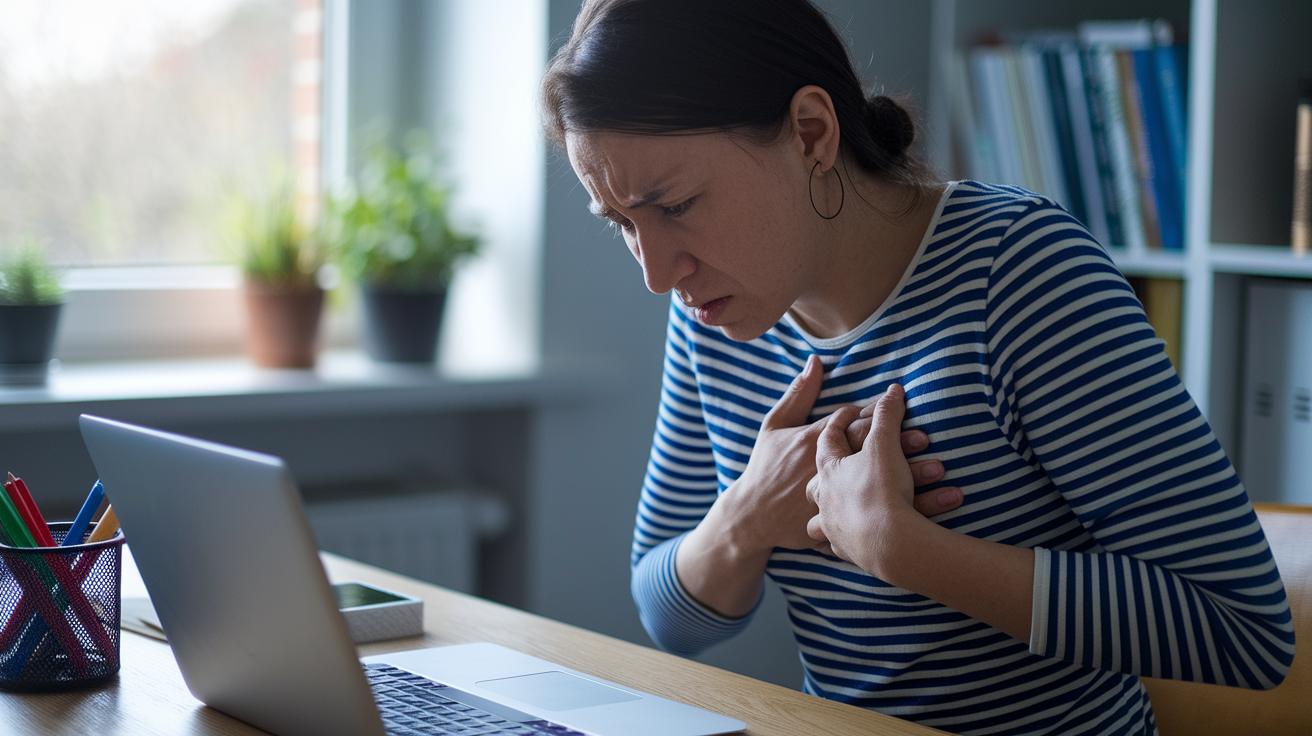
Quick take: Stress can tighten your chest quickly and it usually fades fast. However, if your symptoms worsen, act now.
Triage Box:
If you have any of these signs, call emergency services now:
- Chest pain lasting more than 10 minutes
- Pain that spreads to your arm or jaw
- Severe shortness of breath or feeling faint
When you feel stressed, your body releases hormones that make your chest muscles tighten. This can lead to a pressing weight, sharp pain, or tightness that usually goes away in about 10 minutes.
Watch for these signs:
- A sudden tight feeling that peaks fast
- Sharp or stabbing pain that starts without warning
- Steady pressure or an ache right over your breastbone
- A heavy sensation that fades in roughly 10 minutes
- A rapid heartbeat when stress hits
- Shallow breathing along with the discomfort
To help ease these symptoms:
- Breathe slowly by inhaling through your nose and exhaling through your mouth.
- Try muscle relaxation by tensing each group of muscles for a few seconds, then relaxing.
- Do some gentle stretching or take a short walk.
These stress-related symptoms are different from muscle soreness after exercise, which builds slowly and rarely comes with a fast heartbeat or shallow breathing.
Distinguishing Anxiety-Induced Chest Strain from Heart Symptoms
Quick take: Chest pain may be caused by anxiety or a heart condition. If the pain spreads, lasts long, or comes with cold sweats or trouble breathing, call emergency services now.
If you have any of these emergency signs, call emergency services now:
• Chest pain that spreads to your jaw, neck, or arms
• Pain lasting more than 10 minutes
• Cold sweat, nausea, or shortness of breath
Anxiety-related chest pain is usually sharp and brief. It stays in one spot and often ends in less than 10 minutes. It tends to come on with stress and may feel like a sudden, stabbing pain.
Heart pain, in contrast, often sticks around longer and can spread to other parts of your body. You may feel pressure or discomfort that moves to your jaw, arms, or neck. Along with the pain, you might notice cold sweats, nausea, or trouble catching your breath.
It is important to get checked by a doctor because some signs may require urgent care. Only a clinician can be sure if your symptoms are due to a heart problem or anxiety. Trust your feelings, if the pain worsens or changes, seek help immediately.
| Feature | Anxiety vs. Heart Pain |
|---|---|
| Location | Anxiety pain stays in the chest; heart pain spreads to the jaw, neck, shoulders, or arms. |
| Duration | Anxiety pain usually ends in under 10 minutes; heart pain often lasts longer. |
| Spread | Anxiety pain is localized; heart pain may radiate to other parts of the upper body. |
| Triggers | Anxiety pain is linked to stress; heart pain may occur with physical exertion. |
| Other Signs | Anxiety may cause a fast heartbeat and shallow breathing; heart pain can include cold sweat, nausea, and shortness of breath. |
| Response to Rest | Anxiety pain often eases with relaxation; heart pain may not get better with rest. |
Keep a close eye on your symptoms. If you notice any worsening or new, severe signs, contact a healthcare professional right away.
Home Techniques to Ease Stress-Related Chest Pressure

Box breathing is a quick method to calm your body. Try inhaling deeply for 4 seconds, holding your breath for 4 seconds, exhaling for 4 seconds, and holding again for 4 seconds. This simple practice resets your heart rate and relaxes the muscles in your chest. Picture pausing during a busy day to slowly count each breath.
Mind-body techniques can help you break the stress loop. Try mindfulness meditation to focus on the present or progressive muscle relaxation to let go of tension slowly. For example, sit quietly and work through each muscle group: clench, then relax. You might feel your chest loosen as the stress fades. These methods can lower stress hormones and help you feel more at ease.
Gentle exercise may also ease tightness in your chest. Try simple yoga that opens your chest or take a brisk walk to improve blood flow and relax chest muscles. Imagine doing a gentle chest stretch at home that helps your body find its rhythm and release built-up pressure.
Cutting back on stimulants can add to your relief. Reducing caffeine and alcohol may lessen the number of stress-related chest episodes and keep your body calm. These lifestyle tweaks work well with your breathing and movement practices for a full approach to easing stress-related chest pressure.
When to Seek Medical Help for Stress-Related Chest Strain
Quick Take: If your chest pain lasts too long, spreads to other areas, or comes with extra symptoms, act quickly.
Triage:
• Red Flags:
- Chest pain lasting over 5 minutes
- Pain spreading to the jaw, neck, arms, or back
- Shortness of breath, cold sweats, nausea, or vomiting
If you have any of these signs, call emergency services now.
If you notice chest pain that sticks around longer than a few minutes, it might not be just stress. This kind of pain can mean your heart is working too hard, so it is best to get checked by a professional.
Watch closely if your pain moves beyond your chest to areas like your jaw, neck, arms, or back. Stress usually stays in one spot. When pain spreads like this, it could be a sign of a heart issue that needs fast care.
Also, pay attention if your chest pain comes with signs like shortness of breath, cold sweats, nausea, or vomiting. If trying deep breaths or meditation does not help, these symptoms together need a quick check by a healthcare provider.
Long-Term Strategies to Prevent Stress-Induced Chest Tension
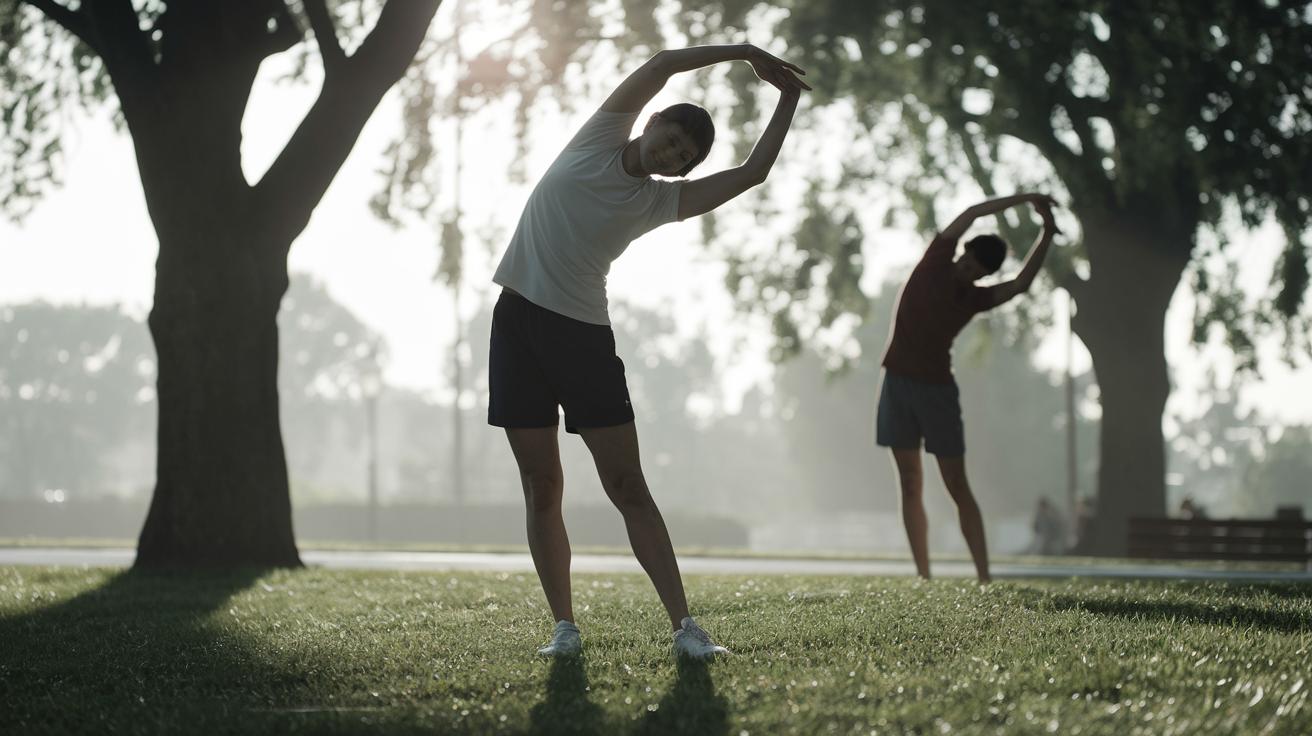
Regular aerobic exercise like walking or cycling helps keep your stress hormones balanced and strengthens your chest muscles. Getting 7 to 9 hours of sleep each night lets your body recover from daily stress, which can ease overall tension. Eating a balanced diet rich in magnesium and B-vitamins (nutrients that help relax muscles and calm your nerves) adds extra support to reduce tightness.
Techniques such as progressive muscle relaxation and biofeedback help train your mind and body to handle stress better. Cognitive-behavioral therapy (CBT) works by changing negative thoughts that add to long-term tension. These methods not only improve your mood but also build your body’s resilience, reducing how often you feel chest discomfort.
Improving your posture can also ease upper body strain. Simple changes like doing chest-opening stretches, raising your monitor, or using a supportive chair can relieve pressure on your chest, shoulders, and neck. Adjusting your workspace for better ergonomics is a practical way to reduce discomfort over time.
Keeping a daily log of your symptoms and habits can help you spot triggers for chest tension. Write down the time, duration, and severity of discomfort along with any activities or foods that might be involved. This simple tracking makes it easier to pinpoint stressors and change your routine before issues become more serious.
Final Words
In the action, we explored how stress triggers hormone spikes that lead to chest discomfort from stress. We broke down the signs of stress-triggered tightness, compared these symptoms with heart-related pain, and outlined safe home techniques to ease tension. We also shared clear warning signals for when to get professional help and long-term habits to lower stress. Stay calm, track your symptoms, and use these steps to keep stress in check. Keep your outlook positive and know that effective relief and prevention strategies are within reach.
FAQ
How to relieve chest tightness and pain from anxiety or stress?
The approach for relieving chest tightness and pain from anxiety or stress includes deep breathing, mindfulness exercises, muscle relaxation, light physical activity, and reducing caffeine. These steps ease symptoms quickly, though persistent pain needs professional evaluation.
What does chest pain from stress or anxiety feel like?
Chest pain from stress or anxiety feels like tightness, heaviness, or a sharp, stabbing sensation near the breastbone. It usually occurs with rapid heartbeat and shallow breathing but does not typically radiate to the jaw, shoulders, or arms.
Can anxiety cause chest pain every day or prolonged chest pain?
Anxiety can trigger chest pain daily or for several days since chronic stress leads to persistent muscle tension. If the pain continues despite self-care measures, it is wise to seek medical advice to rule out other conditions.
Is chest pain from anxiety dangerous?
Chest pain from anxiety is usually not dangerous when it occurs on its own. Nonetheless, any chest pain should be evaluated by a healthcare professional to ensure it is not a sign of a more serious condition.
Why does anxiety cause chest tightness?
Anxiety causes chest tightness by releasing stress hormones like adrenaline that raise heart rate and muscle tension. This hormone surge prepares the body for action and can lead to tight, heavy feelings in the chest.
Where is anxiety chest pain typically located and how long does it last?
Anxiety chest pain is mostly felt across the breastbone and can last from a few minutes up to around 10 minutes. Other anxiety symptoms, such as a rapid heartbeat, might continue for a bit longer.
What is musculoskeletal chest pain related to anxiety?
Musculoskeletal chest pain from anxiety comes from muscle strain and tension around the chest. It feels like a localized ache or sharp pain that often improves with relaxation and gentle movement.