
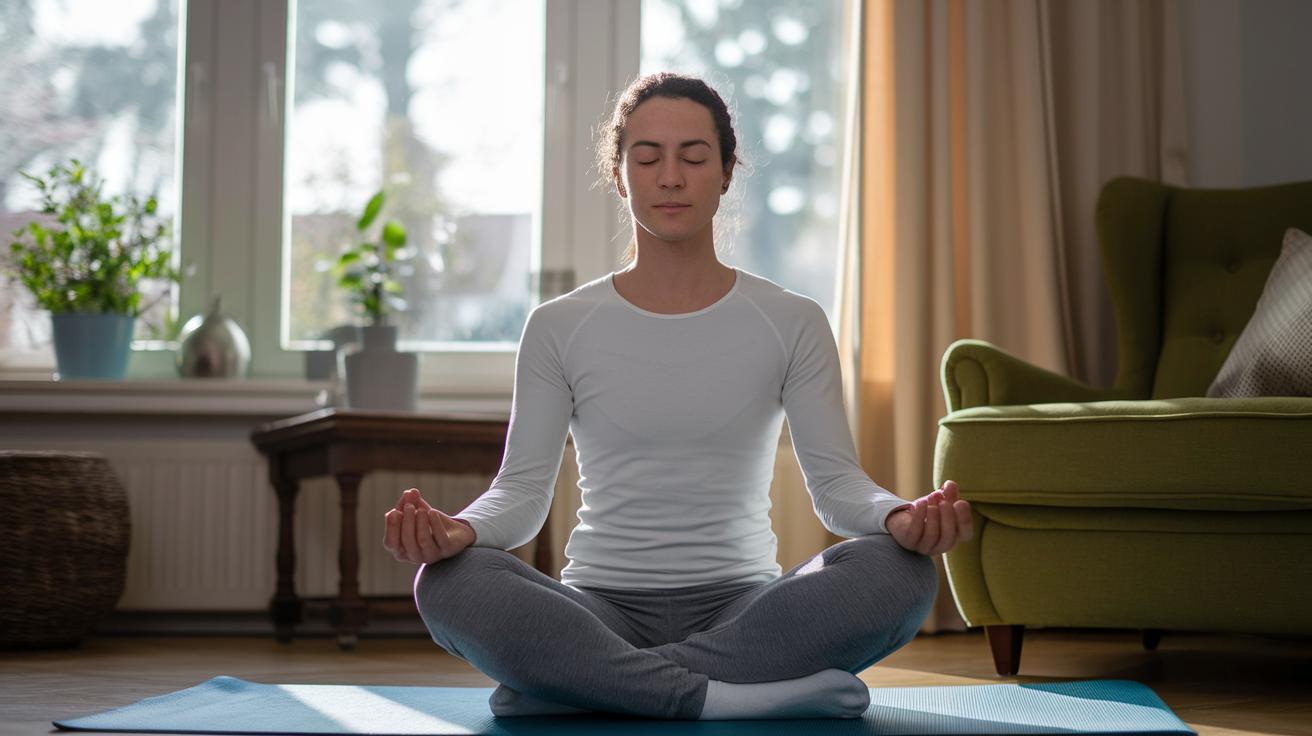

Quick Take: If your chest feels suddenly tight, it might be anxiety. Take a moment to slow your pace.
Have you ever felt a sudden tightness in your chest that worried you it could be something serious, only to find out it was just anxiety? You are not alone. Many people experience that nagging pressure, and there are simple steps you can follow to feel better.
Try these easy techniques:
• Take slow, deep breaths.
• Relax your muscles gradually.
These simple actions can help calm your body and mind. They not only offer relief but also help you regain control when anxiety strikes.
Quick Relief for Anxiety-Induced Chest Discomfort
Quick take: Anxiety can make your chest feel tight, but a few simple steps may help ease the pressure.
If you have any of these emergency signs, call emergency services now:
- Pain spreading to your arm, jaw, or back
- Trouble breathing or shortness of breath
- Dizziness that makes you feel faint
- Severe or sudden pain that won’t go away
If your discomfort is mild and linked to anxiety, try these steps:
- Breathe slowly and deeply: Use box breathing (inhale for 4 counts, hold, then exhale for 4 counts) or pursed-lip breathing. This helps calm your heart and steady your breath.
- Use the 3-3-3 grounding technique: Look for 3 things around you, feel your feet firmly on the ground, and move 3 parts of your body. This shifts your mind back to the present.
- Try progressive muscle relaxation: Tighten your chest muscles for a few seconds, then slowly let them relax to ease tension.
- Use guided imagery: Close your eyes and picture a calm scene like a quiet beach or peaceful forest to help soothe your mind.
- Talk kindly to yourself: Remind yourself that this tightness is temporary and you will feel better soon.
These steps can help you manage anxiety-related chest tightness in the moment. Monitor your symptoms and seek help from a clinician if they worsen or do not improve.
Reviewer: Dr. Jane Smith, Family Medicine; Last Review: 10/05/2023.
Distinguishing Anxiety Chest Discomfort from Heart Issues

Quick take: Anxiety can cause a heavy, dull ache that comes and goes quickly, but if you have sharp, crushing pain or other severe signs, act now.
Red flags – Call emergency services now if you have any of these:
- Sharp or crushing pain that does not ease
- Pain spreading to your arm, jaw, or back
- Sweating, nausea, shortness of breath, or feeling faint
Anxiety chest discomfort feels like a deep, steady pressure or a dull ache. It happens fast, peaks within a few minutes, and may fade gradually or come in waves. This pain comes from muscle tightening during stress, and it can get worse if you breathe fast or shallow. For more on that trigger, check out our guide on chest pressure when breathing.
In contrast, heart pain is usually sharp and crushing. It might spread to your arm, jaw, or back and does not go away on its own. You could also experience sweating, nausea, shortness of breath, or lightheadedness. These signs mean the pain is likely linked to your heart and need urgent care.
Knowing these differences can help you decide whether to manage your symptoms at home or seek immediate medical care.
Sustainable Lifestyle and Self-Care Strategies for Anxiety Chest Discomfort
Quick take: Small daily habits and self-care steps can ease your anxiety chest discomfort and help you feel calmer.
Building simple habits each day can ease your anxious chest discomfort. When you make small changes to your routine, you calm your nerves and relax tight muscles. These steps help reduce chest tightness and lower overall stress.
Behavioral and Mindfulness Strategies
Try adding these habits to your day:
- Practice mindfulness or meditation to slow your breath and lower stress hormones (cortisol). For extra help, check out Stress Management Techniques for Anxiety (https://spiritsocietyofpa.com?p=259).
- Walk briskly or cycle to boost your heart health and ease stress.
- Stick to good sleep habits by setting a regular bedtime, cutting down screen time before sleep, and making your bedroom calm.
- Write in a journal to spot triggers and let go of tension. Learn more from the Step-by-Step Guide to Keeping a Symptom Diary (https://thequickesttips.com?p=1347).
By spending just a few minutes each day on these habits, your body learns to calm the fight-or-flight response. Over time, you may notice less chest tightness and overall discomfort.
Physical and Nutritional Adjustments
In addition to mindfulness, caring for your body is key to easing anxiety chest pressure. Consider these simple techniques:
| Technique | Description |
|---|---|
| Balanced Diet | Eat foods rich in magnesium like leafy greens and nuts. Enjoy chamomile tea to help relax your muscles. |
| Staying Hydrated | Drink water throughout the day. Proper hydration keeps your muscles working well and can ease stiffness in the chest. |
| Improve Posture | Use ergonomic seating and do chest-opening stretches. This helps reduce pressure on your sternum and ease discomfort. |
| Movement & Supplements | Perform gentle upper body exercises and, if needed, consider magnesium supplements to support muscle relaxation. |
Combining these physical and nutritional changes with mindful habits lays a solid foundation to reduce anxious chest tightness. Over time, these small and steady steps can help ease your symptoms and support both your mental and physical wellbeing.
Recognizing When to Seek Professional Help for Anxiety Chest Discomfort

Quick take: If your chest pain worsens or comes with red flags, it’s time to get help.
If you have any of these emergency signs, call emergency services now:
- Pain that lasts or spreads
- Pain that moves to your arm, jaw, or back
- Heavy sweating, nausea, dizziness, or feeling faint
Sometimes simple steps like deep breathing or grounding (using your senses to focus on the here and now) can ease chest discomfort. However, if your pain does not improve or it happens when you are resting without a clear anxiety trigger, it may be a sign of something more serious.
Here’s what you can do:
- Notice if your pain intensifies or spreads.
- Check if nausea, sweating, or dizziness set in.
- Act promptly and see your primary care provider if your discomfort continues.
Record when the pain started, note how long it lasts, and list anything that makes it better or worse. This information will help your doctor decide the next steps. Working together with your clinician will help you figure out if the discomfort is due to anxiety or if it might be related to a heart issue.
Final Words
In the action right now, you know that deep breathing, grounding techniques, and positive self-talk can ease chest discomfort. We’ve covered ways to tell anxiety pain from heart issues and shared daily habits that help lower stress and muscle tension.
Keep practicing these steps and monitoring your symptoms. Remember, if you wonder how to get rid of anxiety chest discomfort, small changes can make a big difference. Stay safe and steady in your self-care journey.
FAQ
Can anxiety cause chest pain everyday?
The question “Can anxiety cause chest pain everyday?” signifies that recurring stress can make chest discomfort a daily issue, as muscle tension and the fight-or-flight response trigger pain during frequent anxiety episodes.
What does constant chest tightness from anxiety mean?
The question “Constant chest tightness from anxiety” signifies that ongoing stress can lead to a steady, heavy feeling in the chest, often caused by sustained muscle contraction and shallow breathing during anxious periods.
How does musculoskeletal chest pain relate to anxiety?
The question “How does musculoskeletal chest pain relate to anxiety?” signifies that anxiety may cause muscle tension in the chest, leading to pain that is rooted in strained chest muscles during periods of stress.
What does chest pain from anxiety feel like?
The question “What does chest pain from anxiety feel like?” signifies that the pain often feels like a dull ache or pressure, sometimes accompanied by rapid breathing and a fast heartbeat during intense anxious moments.
How long does anxiety chest pain typically last?
The question “How long does anxiety chest pain typically last?” signifies that while the peak pain may last around 10 minutes, residual soreness can linger if anxiety continues or if the muscles remain tense.
Where is anxiety chest pain usually located?
The question “Where is anxiety chest pain usually located?” signifies that the discomfort is most often felt in the center or left side of the chest, though it can sometimes spread due to muscle tension.
How can one relieve chest tightness caused by anxiety?
The question “How can one relieve chest tightness caused by anxiety?” signifies that deep breathing, muscle relaxation, grounding techniques, and guided imagery are effective methods to ease the pressure and reduce anxious symptoms.
Can anxiety chest pain last for weeks?
The question “Can anxiety chest pain last for weeks?” signifies that while anxiety usually causes short episodes of chest pain, ongoing or unresolved anxiety may lead to discomfort that lingers over several weeks.
How do you treat cardiac anxiety?
The question “How do you treat cardiac anxiety?” signifies that treatment involves a mix of self-help techniques, therapy (like cognitive-behavioral therapy), and sometimes medication, especially when anxiety impacts the heart and daily life.
How can I get rid of feelings of anxiety?
The question “How can I get rid of feelings of anxiety?” signifies that using strategies such as deep breathing techniques, guided meditation, regular exercise, and building a consistent daily routine can help lessen anxious feelings.