


Quick Take: Mild chest tightness can come from muscle strain, stress, or acid reflux (a burning feeling in your chest). Follow these steps and watch for warning signs.
If you have severe pain, trouble breathing, or feel faint, call emergency services now. If your chest gets tighter or you experience other worrying symptoms, seek care today.
Your chest might feel tight from simple causes like muscle strain, stress, or even acid reflux. This guide gives you easy home remedies for light chest pressure.
• Rest when you feel tightness.
• Use a warm cloth on your chest for comfort.
• Try slow, deep breaths to help you relax.
• Stay well hydrated.
Keep a simple log of your symptoms: note the date/time, what you felt, and any actions that helped. This can be useful if you need to see a doctor later.
Follow these tips, and if your symptoms worsen, get help right away.
Proven Home Remedies for Chest Tightness That Work Fast
Quick take: Mild chest tightness can come from muscle strain, stress, or acid reflux, but watch for warning signs that need immediate care.
If you have any of these emergency signs, call emergency services now:
• Severe chest pain that does not go away
• Pain spreading to your jaw or arms
• Very shortness of breath or trouble breathing
• Heavy sweating or feeling faint
If your chest tightness lasts more than a few minutes or gets worse, seek urgent care. For milder symptoms, you can use home remedies and keep a close eye on your condition.
Chest tightness feels like pressure, squeezing, or fullness in your chest. It may be a mild tightness or a dull ache that can feel like a heavy weight pressing on you. This common feeling may result from everyday stress, tense muscles, or mild acid reflux (a burning feeling in your chest).
Here are some steps you can try for quick relief:
• Apply a warm compress on your chest to help relax tight muscles.
• Sit or stand up straight to reduce pressure on your chest.
• Try an over-the-counter antacid if you think acid reflux is the cause.
• Do gentle stretching to ease muscle tension.
• Take slow, deep breaths to calm your mind and reduce chest pressure.
• Rest in a comfortable position to help relieve the tightness.
Keep track of your symptoms. If the chest tightness worsens, lasts longer than a few minutes, or comes with signs like pain in the jaw or arms, severe shortness of breath, or profuse sweating, get medical help right away and share your notes with your doctor.
Identifying Causes of Chest Tightness to Choose the Right Home Treatment
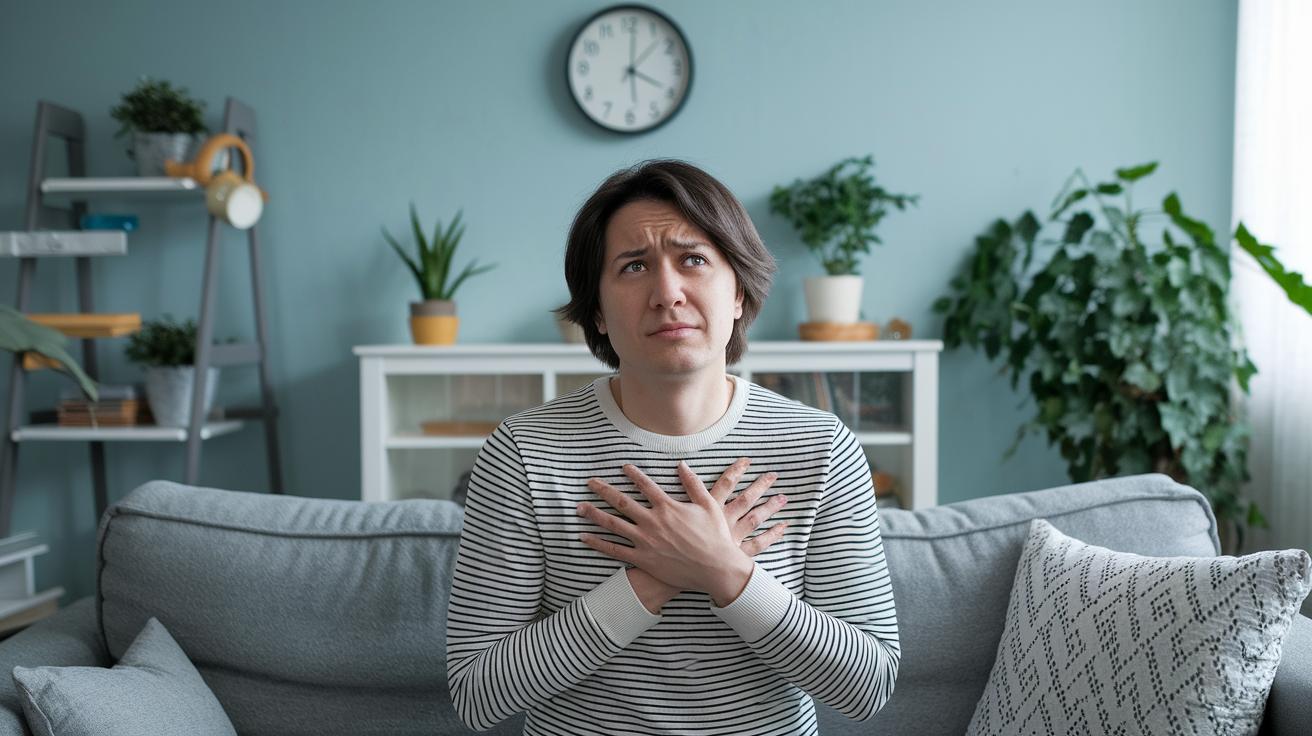
Quick take: Chest tightness can come from stress, acid reflux, breathing issues, or muscle strain. Check for warning signs and act fast if they occur.
If you have any of these emergency signs, call emergency services now:
- Pain that spreads to your arm, neck, or jaw.
- Severe shortness of breath or feeling faint.
- Sudden, intense pain that does not get better.
Stress and anxiety can make your heart beat fast and your breathing shallow. This may lead to a tight, fluttery, or squeezed feeling in your chest. Sometimes, these feelings come when your emotions run high.
Acid reflux (a condition where stomach acid flows back into the esophagus) can also create chest tightness. After you eat, you might feel a burning or squeezing pain that often eases with antacids or changes in your diet.
Breathing problems like asthma or COPD (chronic obstructive pulmonary disease, a lung condition) may cause chest tightness along with wheezing. Also, poor posture can strain the muscles in your chest. This muscle strain can lead to soreness that gets worse with movement.
Matching the right home care to the cause is key. Whether your chest tightness comes from stress, acid reflux, a breathing problem, or muscle strain, knowing the cause helps you choose the best treatment.
| Cause | Key Symptom | Suggested Home Treatment |
|---|---|---|
| Stress/Anxiety | Fast heartbeat, shallow breathing | Deep breaths, mindfulness exercises |
| Acid Reflux (GERD) | Burning pain, chest pressure after meals | Antacids, dietary changes |
| Asthma | Wheezing, tight chest | Use inhalers as prescribed, slow breathing exercises |
| Muscle Strain | Sore spot, pain with movement | Stretching, good posture, warm compress |
Breathing and Relaxation Techniques for Chest Tightness Relief
If your chest feels tight and heavy, try mindful breathing techniques to help ease the discomfort and calm your mind. These exercises lower stress and can lessen the pressure or squeezing in your chest, especially when anxiety is involved.
-
Diaphragmatic Breathing
Sit or lie down in a relaxed position. Put one hand on your chest and the other on your belly. Breathe in slowly through your nose for 4 counts until your belly rises. Hold for 2 counts, then gently exhale through your mouth for 6 counts. Do this cycle for 5 minutes. -
Pursed-Lip Breathing
Breathe in slowly through your nose for 2 counts. Then, purse your lips as if you are about to whistle. Exhale steadily for 4 counts. This helps slow your breathing and eases chest tightness. -
Box Breathing
Breathe in through your nose for 4 seconds, hold your breath for 4 seconds, then exhale through your mouth for 4 seconds. Pause for another 4 seconds before starting again. -
Progressive Muscle Relaxation
With a deep breath, tense your chest muscles for 5 seconds. Then slowly let them relax. Try this exercise twice a day.
By adding these exercises into your daily routine, you can gradually feel more comfortable. Start slowly and adjust the counts as needed. If your symptoms do not improve or get worse, please check in with a health professional.
Herbal and Dietary Solutions for Chest Tightness Relief

Quick take: Simple herbs and smart food choices can help ease mild chest tightness.
Triage Box:
If you have any of these emergency signs, call emergency services now: severe, crushing pain, shortness of breath, fainting, or a very fast heartbeat. If the tightness gets worse quickly, seek urgent care. For mild symptoms, try these home tips and keep track of how you feel.
Herbal remedies and careful diet choices may help ease chest pressure caused by acid reflux (stomach acid coming up) or muscle tension. For instance, a warm cup of ginger tea can calm your digestive tract and reduce that heavy pressure in your chest. Chamomile tea is also a good choice because it relaxes cramped muscles and helps settle any anxiety you might feel.
Changing your eating habits can also reduce chest discomfort. Eating smaller, more frequent meals prevents a big acid surge after large meals. Avoiding spicy and fatty foods can lower the chance of triggering tightness later. Drinking enough water supports muscle relaxation and helps your body perform better overall.
Tips to try:
- Drink ginger tea after meals to ease acid reflux.
- Sip chamomile tea to relax chest muscles and calm anxiety.
- Use a drop or two of peppermint oil in a diffuser to help with gas-related discomfort.
- Eat small, balanced meals and avoid foods that trigger symptoms.
- Increase your water intake to support muscle function.
Combining these herbal and dietary tips with simple home steps like improving your posture and doing gentle stretches may give you a well-rounded way to manage chest tightness. If the discomfort continues or worsens, contact your health professional for more advice.
DIY Chest Relaxation Techniques and Self-Care for Persistent Tightness
Quick take: Mild chest tightness can often be eased with self-care, but if you experience serious symptoms, please seek help immediately.
Triage Box:
• If you have severe chest pain, trouble breathing, or feel faint, call emergency services now.
• If your tightness worsens quickly or you develop new symptoms like shortness of breath, seek urgent care.
• For mild, ongoing tightness with no other worrying signs, you can try these self-care steps and monitor your progress.
Self-care routines that include gentle movement and touch can lessen the feeling of chest tightness. Massaging your chest with small, circular motions helps relax tight muscles and improves blood flow while lowering stress. Over time, these movements can ease muscle spasms and build a sense of relief.
Using warmth along with light stretches adds to the soothing effect. A warm heat pack or a hot shower can help relax muscle spasms and calm your chest. Simple yoga poses like baby cobra and chest opener work to boost flexibility and promote good posture, which may ease the tension. You can also try pressing gently on areas near your sternum (the center of your chest) and your shoulders to help relieve tightness caused by stress.
- Gentle Self-Massage: Rub your chest with your fingertips in small circular motions for 5 minutes, twice daily.
- Warm Heat Pack: Place a warm pack on your chest for 10 minutes, ideally in the morning and evening.
- Hot Shower Focus: Let warm water flow over your chest during a hot shower for about 10 minutes.
- Yoga Stretches: Practice baby cobra and chest opener poses for 5 minutes each day.
- Acupressure Technique: Apply firm pressure on the areas near your sternum and shoulders for 1 minute on each side, repeating twice daily.
Warning Signs and When to Seek Medical Help for Chest Tightness
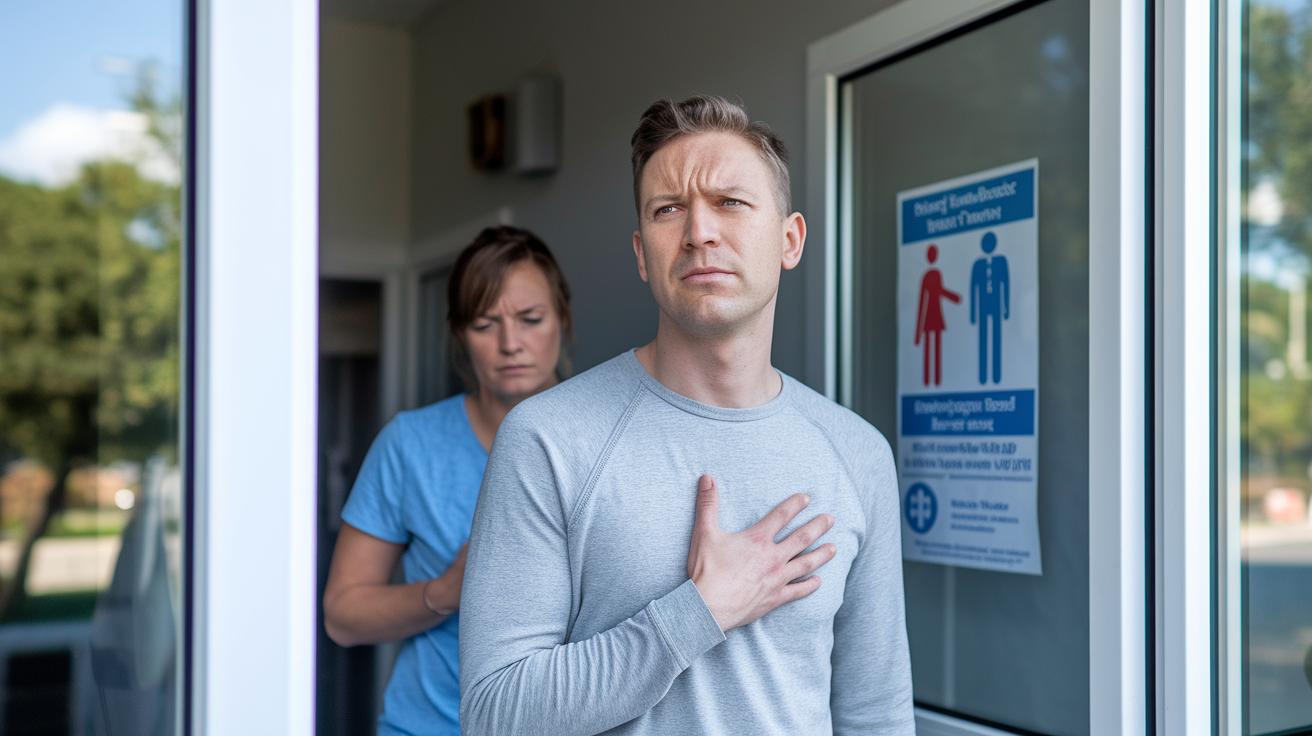
Quick take: Chest tightness can be mild, but if you notice certain warning signs, it is important to get checked right away.
If you have any of these emergency signs, call emergency services now:
- Pain that spreads to your arm, jaw, or back
- Severe shortness of breath or feeling faint
- Heavy sweating or clamminess
- Nausea or vomiting along with chest tightness
- Dizziness or an irregular heartbeat
- Discomfort that lasts several minutes or happens during physical activity
These signs mean your body might be under serious stress. They are not just one-time issues and need prompt attention, especially if you have a history of heart problems or risk factors. Do not wait if these symptoms appear, get professional help immediately.
Final Words
In the action, you’ve seen how different strategies, from quick self-care and breathing exercises to herbal tips and DIY techniques, can ease chest tightness. The blog guided you through spotting warning signs and knowing when to seek help, all while keeping your comfort and safety in focus.
Remember, combining simple home remedies for chest tightness with careful monitoring can provide relief. Stay calm, keep track of your symptoms, and take charge of your well-being step by step.
FAQ
Frequently Asked Questions
Q: How can I relieve chest tightness at home?
A: The methods to relieve chest tightness include applying a warm compress, adjusting your posture, and performing gentle stretches. These actions help ease muscle tension and reduce the feeling of pressure.
Q: How can I quickly relieve chest pain without medication?
A: The approach to quickly relieve chest pain without medication involves resting, using a warm compress, and practicing deep breathing to relax tight muscles and ease stress-induced discomfort.
Q: How do I relieve chest pain caused by gas?
A: The steps to relieve chest pain caused by gas include sipping peppermint or ginger tea, taking a warm shower, and using over-the-counter antacids. These remedies help ease digestive discomfort and reduce gas-related pressure.
Q: What can I do for chest pain linked with breathing difficulty and stress?
A: The way to address chest pain with breathing difficulty and stress is to use calm, deep breathing and gentle movement techniques. If breathing worsens or severe pain occurs, seek medical help immediately.
Q: What can I drink to relieve a tight chest?
A: The solution to relieving a tight chest by drinking lies in warm herbal teas like ginger or chamomile tea. These drinks help relax chest muscles and soothe mild acid reflux discomfort.