
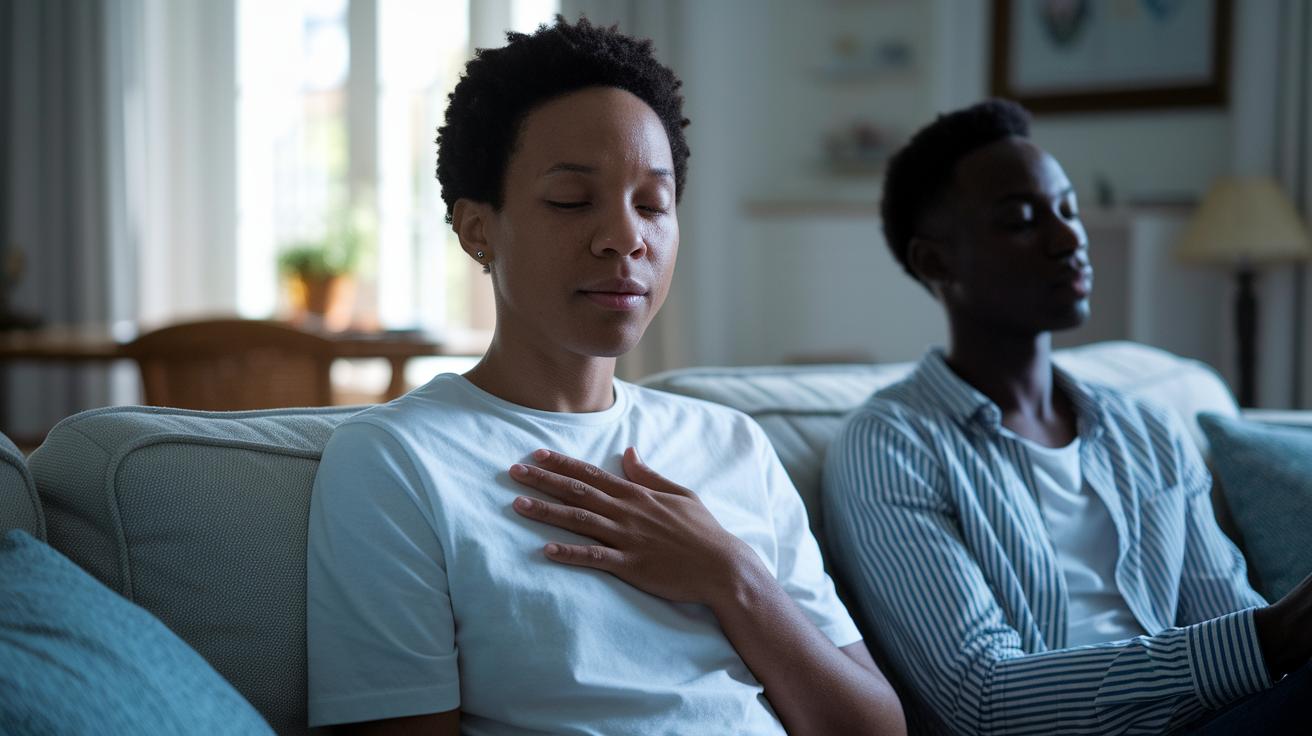

Quick take: Tight chest muscles can be simple strain, but sometimes they signal something more serious.
Imagine your chest feeling squeezed like a tight grip. Your chest muscles might feel stiff or knotted, and while this can be harmless, it might also hide worrisome signs. Overworked muscles can feel like knots that make it hard to breathe or move. This guide breaks down how to tell a normal muscle strain from a sign that needs urgent care.
Follow these steps:
• Ease your muscles with gentle stretches.
• Rest and avoid heavy lifting.
• Track your pain, note when it starts and if it gets worse.
If you have trouble breathing, feel like you might faint, or your pain suddenly worsens, seek help right away. You deserve to feel calm, safe, and in control.
chest muscle tightness: Feel serene and relieved
Quick take: Your chest tightness is often from overworked muscles, but be alert for signs of a heart or lung problem.
If you have any of these emergency signs, call emergency services now:
- Sudden, crushing chest pressure
- Pain spreading to your arms, neck, jaw, or back
- Severe shortness of breath while at rest
- Heavy sweating, nausea, or feeling lightheaded
- A rapid or irregular heartbeat with pain
- Constant tightness that does not improve with rest
Chest muscle tightness happens when the muscles in your chest (called the pectoralis major and minor) get tight. This often occurs because your rib cage isn’t moving freely. When your chest moves less than usual, these muscles work harder, which can make them sore. You might notice the pain gets worse if you move, take a deep breath, or cough. Simple muscle strain can happen after heavy lifting or repeated actions.
It’s important to know that heart problems feel different. For example, a heart attack usually causes a pressure or squeezing feeling that can spread to your arms, neck, jaw or back. Angina (chest pain due to heart issues) often happens during exercise or stress and tends to ease with rest. Other conditions, like a blood clot in the lung (pulmonary embolism), cause sudden, sharp pain with a fast heartbeat and trouble breathing. Even acid reflux (burning from stomach acid) can create a burning chest feeling.
Keep a close watch on your symptoms. If things change or become more worrisome, seek medical care right away.
Common Causes of Chest Tightness from Muscle and Posture

Exercise-Related Strain
Heavy lifting and repetitive arm movements can put extra stress on your chest muscle (pectoralis major). This stress may cause small tears (microtears) that lead to soreness or stiffness, especially when you move or take a deep breath. Many people feel chest tightness after a hard workout, particularly if their form isn’t right or they don’t allow enough recovery time. For instance, if you continuously lift without sufficient rest, you might experience chest tightness that lingers until your next session.
Posture and Emotional Factors
Poor posture, like a forward head or rounded shoulders, limits how your rib cage moves. This forces your chest muscles to work too hard, creating constant tightness and discomfort. Stress and anxiety can also trigger muscle spasms in your chest area. Long hours at a desk in a stressful environment or a busy day can lead to ongoing chest tension. Noticing these triggers can help you make simple changes. Try adjusting your posture during work and finding effective ways to relieve stress.
Recognizing Symptoms of Pectoral Strain and Chest Muscle Tightness
Quick take: Overdoing activity or poor posture can strain your chest muscle, causing pain that worsens with movement or deep breaths.
If you overexert yourself or sit with bad posture, you might pull your chest muscle. You feel pain right over your chest wall. The hurt usually grows when you move your arms or take a deep breath. It can feel like a burning or tiring ache.
Watch for these signs:
| Sign | Description |
|---|---|
| Sore Spot | Tenderness on your chest wall |
| Stiffness | Shoulder tightness or reduced movement |
| Pain with Activity | Worse when moving, coughing, or breathing deeply |
| Swelling or Bruising | Mild swelling or bruising over the chest muscle |
| Burning Sensation | A burning or fatigued feeling in the muscle |
| Warmth | The area feels warm when touched |
These clues suggest a muscle strain, not a heart problem. If the pain grows severe or other unusual signs appear, call for help right away.
Diagnosis and Differentiation of Chest Muscle Tightness Versus Cardiac or Lung Pain

Quick take: Muscle strain in your chest feels sharp and local, while heart or lung pain is more serious and often comes with extra signs like pressure, sweating, or trouble breathing.
If you have any of these emergency signs, call emergency services now:
• Pain that feels like heavy pressure or squeezing and spreads to your arms, neck, or jaw
• Sweating, nausea, or shortness of breath along with the pain
• Sharp pain with a fast heartbeat or other sudden trouble breathing
Chest muscle tightness usually shows up in one small spot. The pain increases when you move or press on it. This is often from overusing or straining the chest muscles. If you feel pain when you take a deep breath or press on a specific spot, it likely means the muscles are tight.
Cardiac pain (heart pain) feels different. You might feel a heavy or squeezing pressure. The pain can spread to your arms, neck, or jaw. It can also come with sweating, nausea, or shortness of breath. These signs mean you need to get help right away.
Respiratory pain (lung pain) is usually sharp. It often happens when you breathe in deeply. This pain is linked to coughing or other breathing troubles. With lung problems like a blood clot, the pain can start suddenly and come with a fast heartbeat.
Doctors use specific tests to tell these pains apart. They check your history and do a focused exam. They might use a heart monitor like a Holter or take images of your heart with an echocardiogram. This clear approach helps them know if the pain comes from a muscle or a more dangerous problem.
| Cause | Key Features | Diagnostic Steps |
|---|---|---|
| Muscle Tightness | Local pain; hurts when you move or press | Touch test, range of motion exam |
| Cardiac Pain | Heavy pressure; radiates to arms/neck; sweating, nausea | ECG, echocardiogram, blood tests |
| Respiratory Pain | Sharp with deep breath; linked to cough; fast heartbeat | Chest X-ray, blood clot markers, CT scan |
At-Home Remedies and Relief Techniques for Chest Muscle Tightness
Quick take: If your chest muscles feel tight, try these home remedies.
If you notice any of these red flags, call emergency services now:
• Severe chest pain that spreads
• Shortness of breath or trouble breathing
• Pain that lasts more than 30 minutes or gets worse
If your symptoms are less severe, these steps may help you feel better.
Stretching and Mobility Exercises
Begin with simple stretches to loosen your chest. For example, try the doorframe pec stretch. Stand in a doorway, place your arm against the frame, and lean forward gently until you feel a stretch in your chest. Hold this position for 30 seconds, then switch sides. Another good move is the prone chest opener. Lie on your stomach with your arms extended out to the sides. Slowly lift your upper body while keeping your hips on the floor. This stretch helps relieve tension and keeps your neck, upper back, and shoulders in good alignment.
Self-Massage and Myofascial Release
Self-massage can help ease tight spots. Use a foam roller or a lacrosse ball to gently press the tender areas along your chest muscles. Roll slowly over each spot for 1 to 2 minutes. This method helps soften knots and boost blood flow in your muscles.
Heat and Cold Therapy
A mix of heat and cold can give you quick relief. Use a moist heat pack for 15 to 20 minutes to improve circulation and relax your muscles. Then, try a cold pack for 10 to 15 minutes to lessen any swelling. This balanced approach can help reduce pain and stiffness so you feel more comfortable during the day.
Strategies to Prevent Chest Muscle Tightness and Support Pectoral Health
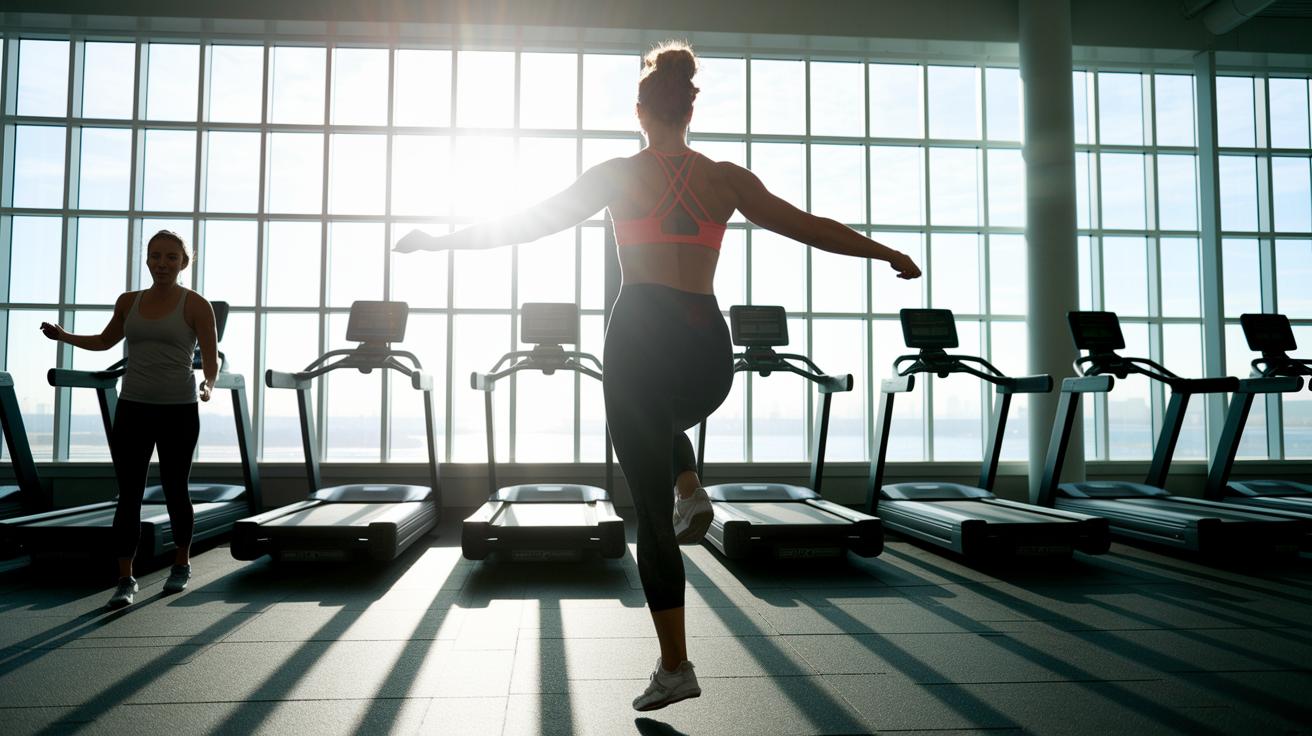
Quick take: Regular movement and proper form can keep your chest relaxed and strong.
If you feel sudden, sharp pain or severe discomfort, stop any activity and seek urgent care.
Most causes of chest tightness come from overworked muscles or poor posture. Poor blood flow and muscle imbalance can make your chest feel stiff.
What you can do:
- Warm up with simple movements like arm circles, band pull-aparts, or push-ups with a pause. These actions boost blood flow and reduce stiffness.
- Strengthen both your chest and the muscles in your shoulders and upper back. Focusing on proper form helps prevent extra strain.
- Adjust your daily setup. Keep your computer monitor at eye level and relax your shoulders. Set a timer for a posture check every 30 minutes.
- End your workouts with static chest stretches. This cool-down helps maintain flexibility.
- Plan regular mobility sessions for your upper back (often called the thoracic spine) for extra support.
Track your progress by noting the date, any discomfort levels (mild, moderate, severe), and what helped relieve the tightness. Share these notes with your clinician if the pain does not improve.
Reviewed by: [Clinician Name, Specialty] Last reviewed: [Date]
Sources: [1] American College of Sports Medicine guidelines.
When to Consult a Healthcare Professional About Chest Muscle Tightness
Quick take: If your chest stays tight for 2 weeks despite home care, you may need a professional evaluation.
If you see any of these emergency signs, call emergency services now:
- Sudden, severe chest pain that gets worse
- Pain spreading to your arms, neck, or jaw
- Shortness of breath, heavy sweating, or nausea
If you notice swelling, bruising, or signs of infection near your chest, seek urgent care as soon as possible.
When you visit your clinician, they will press on and examine the tight area (this is called palpation, which means feeling for tenderness). They will also check your strength and range of motion. If they suspect a serious muscle tear or strain, they might order an imaging test like an ultrasound or MRI.
If your pain radiates along with extra symptoms like shortness of breath or heavy sweating, get urgent care now.
Final Words
In the action, we broke down chest muscle tightness and its key warning signs to help you decide whether to act fast or manage symptoms at home. We covered muscle strain triggers, tips for relief, and ways to prevent future discomfort. We also outlined clear steps to distinguish chest pain from more serious conditions. Stay alert to red flags like radiating pain or shortness of breath with chest muscle tightness, and take steps to support your health every day. Keep focusing on your well-being and take charge of your health with confidence.
FAQ
What are the symptoms of a pulled chest muscle in females?
The symptoms of a pulled chest muscle in females include localized pain, tenderness, and stiffness in the chest that worsens with movement or deep breaths, often accompanied by muscle spasms.
How do I relieve chest tightness?
The methods to relieve chest tightness include targeted stretching, mobility exercises, self-massage with a foam roller or ball, and applying heat or cold therapy to ease muscle tension.
What is the treatment for a pulled chest muscle in females?
The treatment involves rest, gentle stretching, and self-care such as heat application or over-the-counter pain relievers if needed; persistent pain should prompt a professional evaluation.
What exercises help with chest muscle pain relief?
Chest muscle pain relief exercises include doorframe pec stretches and prone chest openers, along with upper-back mobility drills that help reduce tension and improve posture.
How can I tell if chest pain is muscular or linked to lung issues?
Chest pain from muscles is usually localized, tender to touch, and worsens with movement, while lung-related pain is sharper with breathing, often linked to cough, and may include shortness of breath.
How do I stop muscle spasms in the chest?
Stopping chest muscle spasms involves practicing focused stretching, self-massage techniques, and using heat or cold therapy while also addressing poor posture; persistent spasms require medical advice.
What causes chest pain in a woman?
Chest pain in women may result from muscle strain, stress-induced spasms, poor posture, or conditions like costochondritis; each cause comes with unique symptoms that require appropriate treatment.
How do I relieve tight chest muscles?
Tight chest muscles can be relieved through targeted stretching, posture correction, self-massage with a foam roller, and applying moist heat for 15–20 minutes to improve blood flow and reduce tension.
How can I tell if chest pain is muscular in nature?
Muscular chest pain is usually characterized by sharp, localized tenderness that worsens with movement or pressure, unlike cardiac pain which tends to radiate and is accompanied by symptoms like shortness of breath.
How do you treat costochondritis in children?
Treating costochondritis in children involves gentle rest, applying heat to reduce pain, and keeping activities light; it’s important to consult a healthcare professional if symptoms worsen or persist.
What causes chest muscles to be tight?
Chest muscles can become tight due to overuse, repetitive movements, poor posture, or stress, which all contribute to muscle strain and localized discomfort in the pectoral area.