
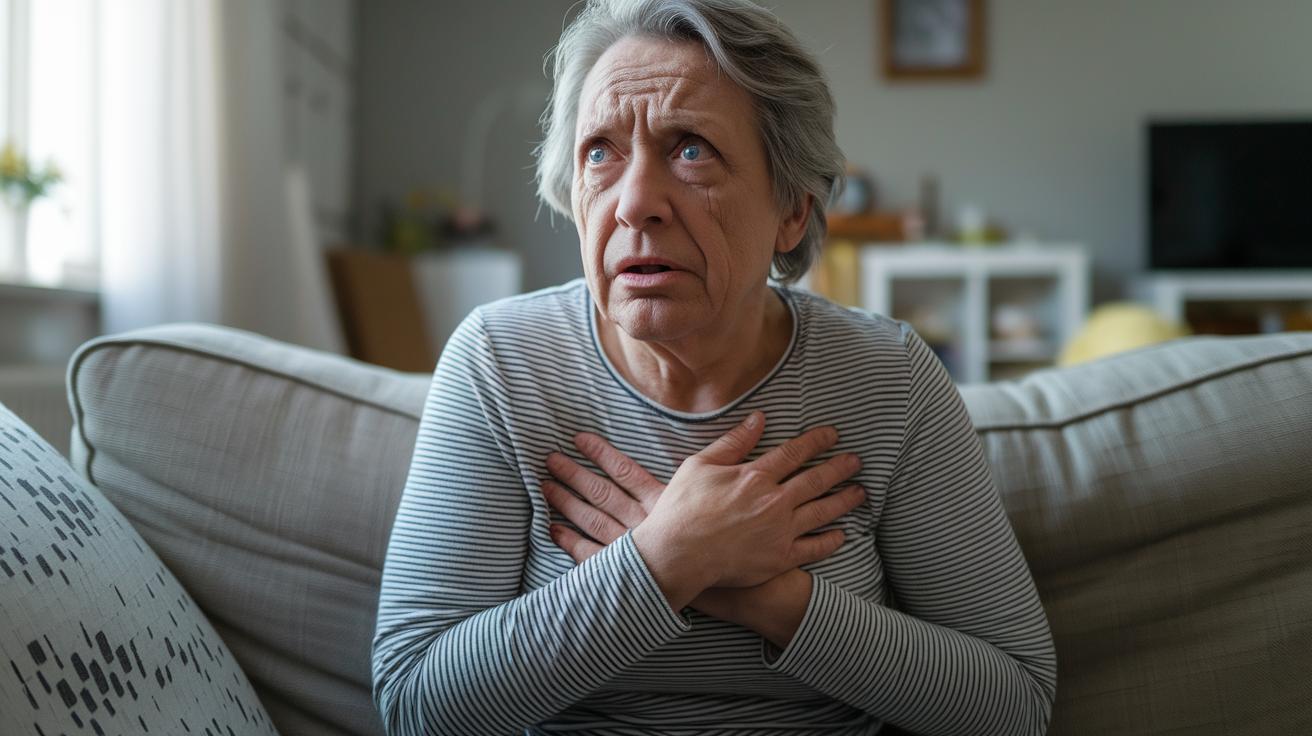

Quick Take: If your breathing changes, it may be a sign something isn’t right. Look for red flags and act fast if needed.
If you experience any of these, call emergency services now:
• Severe difficulty breathing at rest
• Sharp chest pain
• Blue lips or nails
Have you ever felt like you couldn’t catch your breath during normal activities? This isn’t just annoying, your body might be signaling a heart, lung, or allergy issue. Sometimes, even simple tasks can trigger this change in breathing. In the next few lines, we explain common reasons behind shortness of breath and help you decide when to seek help.
Keep these tips in mind:
• Note when the symptom started and if it’s getting worse.
• Record any other signs, such as chest discomfort or dizziness.
• Share this information with a trusted healthcare provider if you’re unsure.
By understanding your symptoms, you’re one step closer to getting the right care.
Definition & Common Triggers of Shortness of Breath
Quick take: Shortness of breath can have several causes. If you experience chest pain, blue lips, or confusion along with this feeling, call emergency services right away.
Shortness of breath (dyspnea) means you feel like you aren’t getting enough air. It happens when your body does not receive enough oxygen, which can make your organs work less well over time. You might feel the need to breathe harder, faster, or deeper.
Common triggers include:
- Hard physical activity that pushes your body to its limit.
- High altitude where the air has less oxygen.
- Allergens that cause your airways to swell.
- Respiratory infections that block or narrow your breathing passages.
- Anxiety that speeds up your breathing.
- Heart problems that lower blood flow and oxygen delivery.
Noting what brings on your shortness of breath helps you decide when to monitor your condition or seek advice from a doctor. For example, if you notice your breathing worsens during exercise or at high altitudes, try to adjust your activity and let your doctor know at your next visit.
Common and Chronic Causes in Shortness of Breath Symptom Snapshot
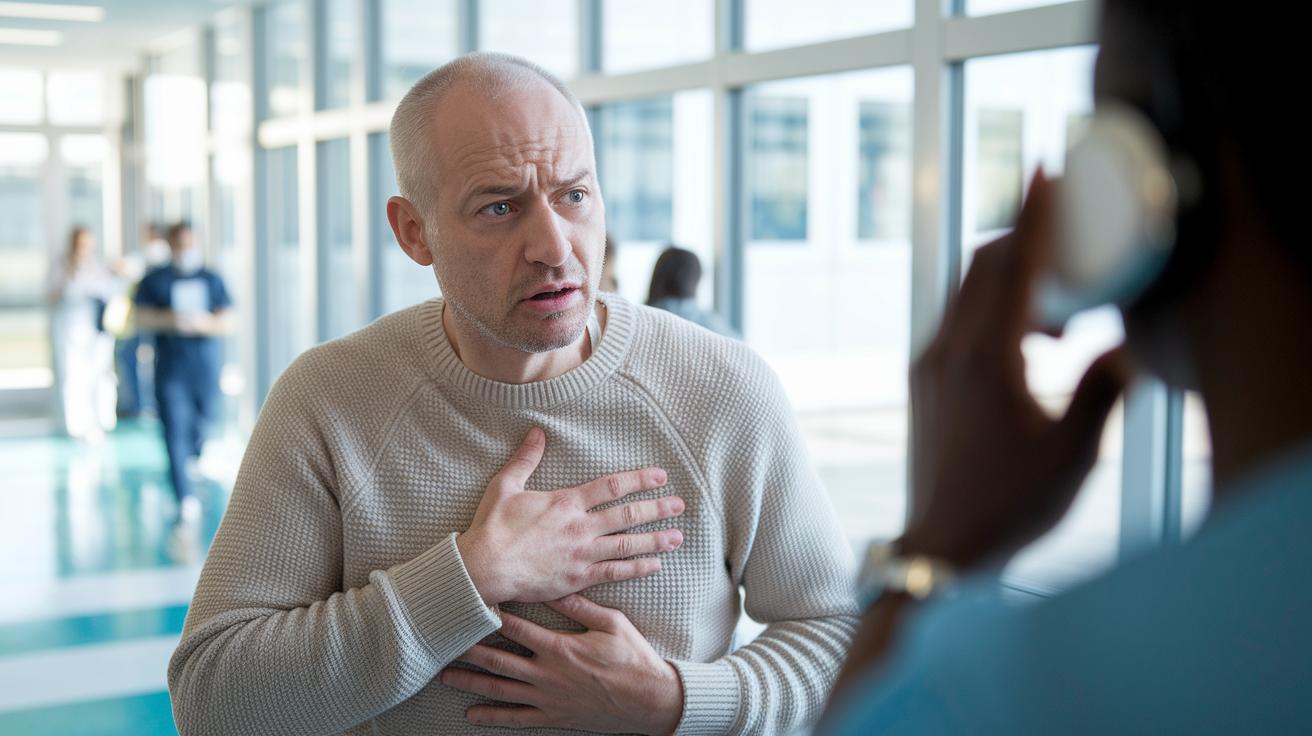
Quick take: Breathing problems can come on suddenly or slowly, and they may require urgent care or ongoing management.
If you have any emergency signs, call emergency services now:
- Severe chest pain or pressure
- Struggling to breathe or speak in full sentences
- Noticeable confusion or extreme weakness
Shortness of breath may appear fast or build up over time. Many different issues can make breathing hard. Some causes show up quickly and need fast evaluation, while others develop gradually, hinting at long-term health challenges.
Acute Causes
• Asthma attack: Your airways can tighten suddenly, making it hard to breathe.
• Pulmonary embolism: A blood clot in the lungs may block oxygen flow.
• Pneumothorax: A lung can collapse unexpectedly, which is an urgent problem.
• Anaphylaxis: A strong allergic reaction can tighten your airway fast.
• Pulmonary edema: Fluid buildup in the lungs can quickly reduce normal air exchange.
Chronic Conditions
• COPD: Long-term lung damage may lower airflow and make every breath feel tough.
• Heart failure: A weak heart might not pump blood well, lowering oxygen flow.
• Interstitial lung disease: Scarring in your lungs can limit the oxygen you get.
• Anemia: A low red blood cell count means less oxygen in your blood.
• Obesity-related deconditioning: Extra weight and low
Warning Signs & Urgent Indicators of Shortness of Breath
Quick take: Some symptoms of shortness of breath may signal a life-threatening problem. Act quickly if you notice these signs.
Call emergency services immediately if you have any of these conditions:
• Blood clot in the lungs (pulmonary embolism)
• Heart attack (myocardial infarction)
• Collapsed lung (pneumothorax)
• Severe allergic reaction (anaphylaxis)
• Inhaling harmful substances (aspiration)
• Fluid build-up in the lungs (acute pulmonary edema)
Get urgent medical care if you experience:
• Severe chest pain or pressure
• Blue-tinted lips or face
• Fainting or extreme weakness
• More than 30 breaths per minute or trouble speaking full sentences
Surprisingly, before modern emergency care, missing a sign like a fast breathing rate often delayed treatment and made outcomes worse.
Diagnostic Snapshot for Shortness of Breath Symptom Snapshot
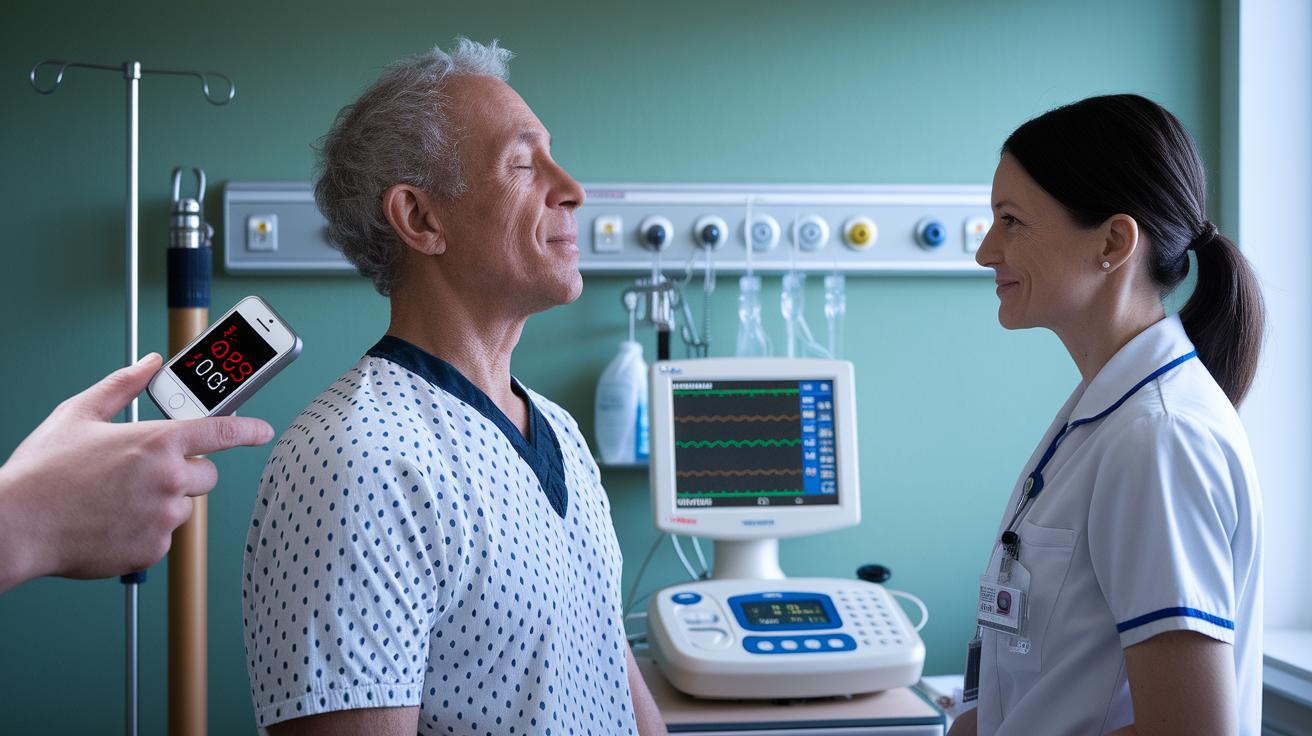
Quick Take: Noninvasive tests like pulse oximetry, spirometry, and imaging can quickly show why you feel short of breath.
Red Flags – Call emergency services now if you experience:
- Severe trouble catching your breath
- Chest pain or blue lips
- Confusion or difficulty staying awake
Urgent – Seek same-day care if:
- Your breathing worsens or you feel lightheaded
Monitor – If none of these occur, these tests help guide next steps in your care.
Pulse Oximetry
Pulse oximetry checks the oxygen in your blood. A normal result is between 95% and 100%. This simple test shows if your organs are getting enough oxygen. Remember, factors like poor circulation or nail polish can affect the reading.
Spirometry & Lung Function
Spirometry measures how well you breathe in and out. It looks at forced expiratory volume (FEV1, the air you breathe out in 1 second) and forced vital capacity (FVC, the total air you can exhale). Low numbers or signs of blockage can point to issues like COPD or asthma. This test is key for checking and managing long-term breathing problems.
Imaging Studies
Imaging tests like chest X-rays and CT scans offer a view of your lungs. Chest X-rays can show signs of pneumonia or fluid buildup (edema), while CT scans give a more detailed picture that might reveal a lung blood clot (pulmonary embolism) or scarring (interstitial disease). These studies help your clinician plan the best next steps.
Home Management & Immediate Measures for Shortness of Breath Symptom Snapshot
If you are having trouble breathing, try these simple at-home steps to help you breathe easier and build strength. One method is pursed-lip breathing. To do this, gently press your lips together as if you were whistling, then slowly push the air out. This helps slow your breath and makes your breathing muscles stronger.
Another tip is diaphragmatic breathing. Breathe in slowly and let your belly expand. This brings more air into your lungs and helps you get the oxygen you need.
Keep your body moving with light exercise. For example, walk for 10 minutes at a steady pace. After your walk, do a few arm and leg stretches. These activities can boost your strength over time and help prevent muscle weakness.
If your oxygen levels stay below 88-90%, use your home oxygen device as your clinician prescribed. Check the flow rate on the label and follow your clinician’s instructions to keep your oxygen at a safe level.
Stress can make breathing feel harder. When you feel anxious, try slow, deep breathing or take a brief mindfulness break to calm your mind and steady your breathing.
Monitoring & Prevention in Shortness of Breath Symptom Snapshot
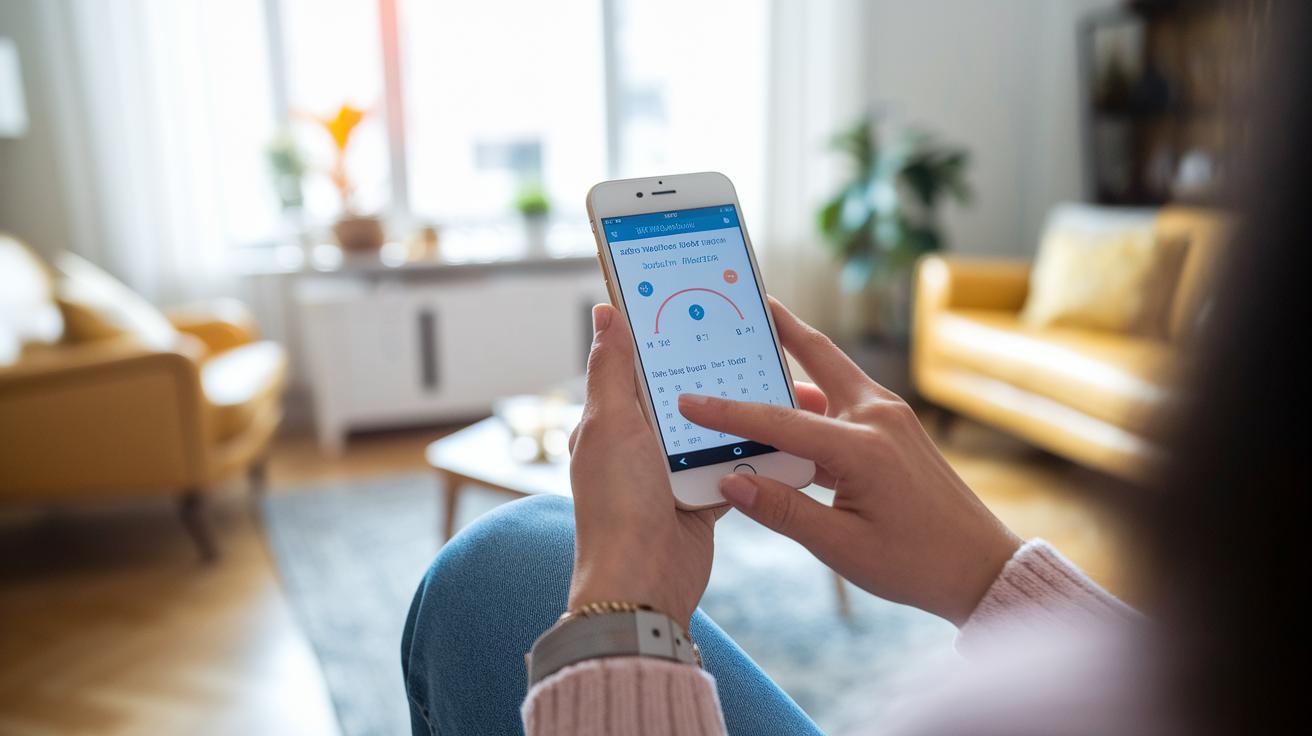
Quick take: Track your breathing every day and make smart choices to keep your lungs and heart healthy.
Keep a daily diary of your breathing. Write down the date, time, what you were doing, how long the episode lasted, and how severe it felt. You can also check your oxygen level at home with an oximeter or a phone app. This simple record helps you see patterns over days or weeks and tells you when to cut back on activities or reach out to your doctor.
Make lifestyle choices that protect your lungs and heart:
- Stop smoking and avoid polluted areas.
- Manage your weight with healthy food and exercise.
- Control allergies with good diet choices and proper medications.
These steps lower the risk of sudden shortness of breath. Keeping an eye on your habits and surroundings helps you spot triggers and keep your breathing steady. If your breathing gets worse or you notice new symptoms, contact your healthcare provider.
Final Words
In the action, we broke down what shortness of breath really means and its most common triggers. We highlighted both quick warning signs and what chronic issues to watch for. We also reviewed basic diagnosis tools, practical tips for home care, and ways to track your symptoms. This shortness of breath symptom snapshot gives you a clear starting point for safe steps and focused discussion with your clinician. Stay positive and take each step confidently toward better breathing.
FAQ
How to tell if shortness of breath is from anxiety?
This question explains that anxiety-related breathlessness often occurs with stress, rapid breathing, and no chest pain. Look for situational triggers and relief when you relax; always check with a clinician.
Shortness of breath that comes and goes
This question indicates that intermittent breathlessness may link to triggers like exercise, allergies, or stress; tracking the timing and severity of episodes helps clinicians determine the cause.
How can you tell if shortness of breath is from heart or lungs?
This question explains that distinguishing heart from lung causes involves noting symptoms; lung issues often include wheezing or cough while heart problems may cause chest discomfort or swelling. Medical tests are needed.
Shortness of breath and tiredness
This question on breathlessness with fatigue suggests that reduced oxygen levels can lead to both symptoms. Monitoring changes and consulting a professional helps address the underlying cause.
How to treat shortness of breath in elderly
This question suggests that treating shortness of breath in seniors involves gentle breathing exercises, light physical activity, and a careful review of medications. Personalized care from a clinician is essential.
Dyspnea symptoms
This question clarifies that dyspnea symptoms include difficulty breathing, rapid breaths, and a feeling of not getting enough air. Recognizing these signs supports prompt medical evaluation.
What is the most common cause of shortness of breath?
This question indicates that common causes of breathlessness include respiratory infections, asthma, and chronic lung diseases like COPD. Anxiety and physical exertion also frequently trigger these symptoms.
Unexplained shortness of breath
This question about unexplained breathlessness suggests that persistent symptoms without clear triggers warrant further evaluation to rule out heart or lung conditions; professional advice is essential.
What can shortness of breath be a symptom of?
This question clarifies that shortness of breath can signal conditions such as asthma, pneumonia, heart failure, anxiety, or other lung disorders. Identifying related signs aids diagnostic accuracy.
What can shortness of breath be mistaken for?
This question explains that breathlessness can be confused with panic attacks, mild asthma, or exercise-related fatigue when symptoms appear subtle, emphasizing the need for professional assessment.
What causes shortness of breath in children?
This question indicates that in children, shortness of breath may stem from asthma, respiratory infections, allergies, or rare heart issues. Timely evaluation by a pediatric clinician is recommended.
What are the red flags for shortness of breath?
This question outlines red flags such as sudden severe breathlessness, chest pain, blue lips, or fainting. Recognizing these signs should prompt immediate medical care.