


Quick take: Dizziness can feel sudden and vary in how it shows up. If you feel like you’re about to faint, have trouble talking, or experience a severe spinning sensation, seek help immediately.
Sometimes you may notice a lightheaded feeling that lasts only a few seconds or a full-on spin that makes you unsteady. Dizziness can hit from different causes, like a drop in blood pressure or a change in body position. This guide explains the many ways you might feel dizzy and helps you decide if it’s time to call your doctor or take extra care at home.
We’re here to give you clear, simple steps so you know exactly what to do when these unsettling moments occur.
dizziness symptom snapshot: Simple, Clear Insight
Quick take: Dizziness comes in different forms. Some types are common and can be managed at home, but you should call emergency services now if you have severe symptoms such as chest pain, fainting, or trouble speaking.
If you have any of these emergency signs, call emergency services immediately:
- Chest pain or pressure
- Sudden severe headache or confusion
- Fainting or trouble waking up
- Trouble speaking or walking
If your dizziness comes on suddenly or feels very strong, seek same-day medical care. Otherwise, track your symptoms and let your healthcare provider know what you experience.
Dizziness can feel very different from one person to the next. You might feel as if the room is spinning (this is called vertigo), experience a quick burst of lightheadedness (presyncope), feel off balance when you stand or walk, or sense a general unsteadiness. It is like a short moment of confusion that makes you grab onto something sturdy because you sense that something is not right.
Each type of dizziness has its own common causes. A spinning feeling often means an inner ear problem. Lightheadedness can be linked to a drop in blood flow. General unsteadiness might come from a mix of factors that confuse your balance.
There is also a type called Persistent Postural-Perceptual Dizziness (PPPD). This is when you feel non-spinning dizziness or unsteadiness for 3 months or more. About 15-20% of patients in balance clinics are diagnosed with PPPD. It usually happens in adults between 30 and 50, and it is seen more in women. The strength of the symptoms may change during the day. For example, you might notice you feel more unsteady during busy visual tasks or in crowded places.
Types of Dizziness Sensations and Their Features
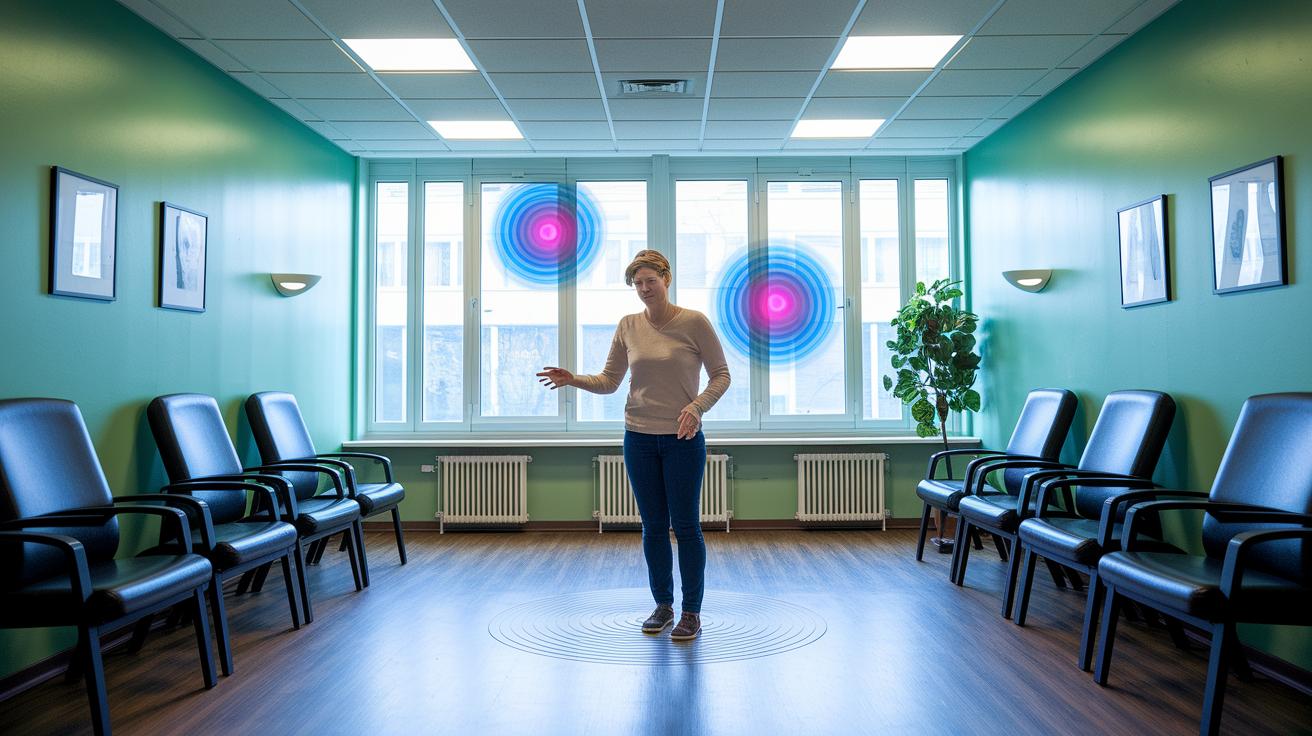
Vertigo feels like the room is spinning or moving around you. This usually happens because of inner ear problems, such as benign paroxysmal positional vertigo (BPPV) or vestibular migraine (a type of migraine that affects balance).
Presyncope is the lightheaded feeling you get when blood flow to the brain drops for a short time. It can make you feel like you might faint.
Disequilibrium is when you feel off balance while standing or walking. It is often a sign your body is having a hard time keeping up with everyday movements.
Non-specific dizziness, seen in conditions like Persistent Postural-Perceptual Dizziness (PPPD), can feel like gentle rocking or swaying.
Quick head turns, sudden changes in posture, or busy visual scenes (like crowded spaces) may trigger these sensations. In every case, a mix-up in the signals from your eyes, inner ear, and muscles leads to these unsettling feelings.
Key Triggers for Dizziness Episodes
Dizziness can occur for many reasons. Your inner ear helps you keep balance, and even a small drop in body fluids can make you feel lightheaded. For example, not drinking enough water or having low blood pressure (when blood flow is reduced) means your brain doesn’t get enough blood, and you might feel faint. Certain medicines, like those used for lowering blood pressure or sedatives (calming drugs), can change how your body manages pressure and lead to dizziness. Vestibular migraines (migraines that affect your inner ear) may cause sudden spinning along with a headache. If you feel dizzy after treatment for inner ear problems like BPPV (a common balance issue), it could signal a risk for longer-lasting dizziness.
| Trigger | Description |
|---|---|
| Benign Paroxysmal Positional Vertigo | Short, strong spinning when you move your head |
| Postural Hypotension | Feeling lightheaded when you stand up |
| Dehydration | Faint feelings from having low water or blood volume |
| Medication Side Effects | Drowsiness or changes in blood pressure |
| Vestibular Migraine | Repeated dizziness with headache |
| Visual Motion | Feeling unstable in busy scenes or when scrolling |
| Complex Visual Environments | Dizziness that worsens in busy, patterned settings |
Noting these triggers can help you adjust your daily routine. If your dizziness continues or worsens, seek care right away.
Associated Symptoms and Red Flags

Quick take: If your dizziness comes with these signs, act fast and seek immediate care.
If you notice any of the following red flags, call emergency services now:
- Severe, sudden-onset vertigo lasting more than 24 hours
- A thunderclap headache or a recent head injury
- Chest pain or irregular heartbeats
- New weakness, facial droop, or trouble with speech
- Fainting or near-fainting spells
- New vision changes or double vision
Dizziness can sometimes signal more than just a lost balance. It may point to an issue with your brain or heart that needs quick medical attention. Watch for these signs and don’t wait, if they appear, get help right away.
Self-Screening Procedures and When to Seek Care
Quick take: Keep a symptom diary and act early if severe dizziness occurs.
If you have any of these red flags, call emergency services now:
• Severe or long-lasting dizziness
• Frequent dizzy spells that get worse
If you notice any of these urgent signs, reach out to your clinician today:
• Dizziness with other worrisome symptoms
For milder cases, track your symptoms closely and discuss changes with your healthcare provider.
Keeping a diary helps you capture important details as soon as they happen. Write down when your dizziness starts, how long it lasts, and what you were doing. For example, note, "At 3:00 PM, I felt a spinning sensation after a light snack." This record can show patterns and help you understand your symptoms better over time.
Jot down key details right away. Record the time of onset, duration, and how strong the dizziness feels. Also note activities you were doing. Track any medications you take (both prescription and over-the-counter), your water intake, meals, sleep quality, and stress levels. If you follow your menstrual cycle, include that information too.
Review your diary often to spot trends. Look for links between your dizziness and things like changes in your diet or sleep. These patterns can help you and your healthcare provider figure out what might be triggering your symptoms.
If your dizziness becomes frequent, lasts a long time, or shows red flags like severe, prolonged episodes, seek medical evaluation right away. Acting now can prevent more serious issues and lead to better treatment.
Professional Evaluation and Treatment Options

Diagnostic Assessments
Your clinician begins by asking about your history and doing a physical exam to learn about your dizziness. They may use the Dix-Hallpike maneuver (a test that triggers dizziness with head movements) to check for benign paroxysmal positional vertigo. They also check your blood pressure and heart rate when you change positions to look for drops in blood pressure. A neurologic screening (examining speech, vision, and strength) helps rule out brain-related causes. In some cases, they use a hearing test (audiometry) or measure eye movements (videonystagmography) to see how your balance system is working. Sometimes, an MRI or CT scan is done to rule out other issues in your brain.
Management Strategies
Treatment usually uses more than one method to ease both physical and emotional symptoms. Vestibular rehabilitation therapy (VRT) helps your brain learn to handle conflicting signals from your eyes and inner ear. Cognitive-behavioral therapy (CBT) may also be used if anxiety is making your dizziness worse. In some cases, medications like SSRIs or SNRIs (types of antidepressants) are added to help manage your symptoms. Regular follow-up visits let your clinician track your progress and adjust your care plan if your symptoms change.
Final Words
In the action, we covered how dizziness can show in different ways. We broke down types like spinning, lightheadedness, and imbalance so you can get a clear dizziness symptom snapshot. We reviewed common triggers, warning signs, and steps you can take at home. We also explained when to seek a professional evaluation. Use these simple tips to monitor your symptoms and share clear details with your doctor. Stay calm and take care, you’re on the right track.
FAQ
How does dizziness symptom profile scoring work?
Dizziness symptom profile scoring works by rating features like spinning, lightheadedness, and imbalance to help clinicians quickly assess severity, frequency, and potential causes.
What are common causes of dizziness in adults?
Common causes of dizziness in adults are inner ear issues (such as BPPV), low blood pressure from sudden position changes, dehydration, and medication side effects, with occasional variations between genders.
What causes sudden dizziness when sitting or lying down?
Sudden dizziness when sitting or lying down may result from inner ear disturbances, blood pressure shifts during position changes, or other positional triggers that affect balance.
Why do I feel lightheaded and dizzy?
Feeling lightheaded and dizzy usually indicates a temporary drop in blood flow to the brain, often due to dehydration, low blood pressure, or rapid position changes that require monitoring.
What are the top 3 causes of dizziness?
The top 3 causes of dizziness are inner ear disturbances (like BPPV), low blood pressure (often from changing positions), and dehydration, all of which can reduce balance and brain blood flow.
What are the 5 d’s of dizziness?
The term “5 d’s of dizziness” isn’t widely standardized. Some sources add a category like depersonalization to the four main types, but clinicians typically focus on key categories of dizziness.
What are the 4 types of dizziness?
The four types of dizziness are vertigo (a spinning sensation), presyncope (lightheadedness), disequilibrium (imbalance), and non-specific unsteadiness, each pointing to different causes.
Can photosensitivity cause dizziness?
Photosensitivity, or sensitivity to bright or flashing lights, can trigger dizziness by overwhelming the senses in visually complex environments, affecting balance in some people.
How do I know if dizziness is serious?
Dizziness is considered serious if it comes with red flags such as prolonged severe episodes, sudden headache, chest pain, or neurological signs like weakness or double vision, which warrant urgent care.