


Quick take: Extreme tiredness may mean your body is low on fuel. Act now if you experience serious warns.
If you have any of these signs, call emergency services immediately:
- Chest pain or tightness
- Trouble breathing or severe dizziness
- Confusion or sudden weakness
Ever feel completely drained even after a good night’s sleep? That kind of tiredness can sap your strength and cloud your mind. When you feel weak or slow, it might be a sign that your body needs more energy.
This article explains common signs of fatigue and offers easy steps to help when daily tasks feel overwhelming. By paying close attention to your symptoms, you can decide when to rest, when to change your routine, and when you might need extra help.
Stick with us and learn how to boost your day with a bit of renewed energy.
fatigue symptom snapshot: Embrace a Brighter Day
Fatigue is more than just being tired. It can come from changes in your body, physical overuse, daily habits, and even stress. When you're fatigued, your muscles can feel weak, your steps can slow down, and your limbs might seem extra heavy. This drop in energy can make everyday activities feel tougher than usual.
Your mind can feel just as tired as your body. You might struggle to focus, notice small memory lapses, or go through quick mood changes. Doctors sometimes use a simple 10-question survey where you answer from "never" to "always" to see how much your fatigue is affecting you. A higher score tells us that your tiredness is getting in the way of your day.
Here are some common signs of fatigue:
- General muscle weakness
- Heavy eyelids or feeling drowsy
- Slower reaction time
- Feeling worse after physical activity
- Brain fog (a state of mental cloudiness)
- Trouble staying focused on tasks
- Short attention span
- Irritability or mood swings
- Low motivation or apathy
- Frequent yawning or nodding off
- Slower speech or thought process
- Feeling that every task takes extra effort
Recognizing Physical Fatigue Manifestations
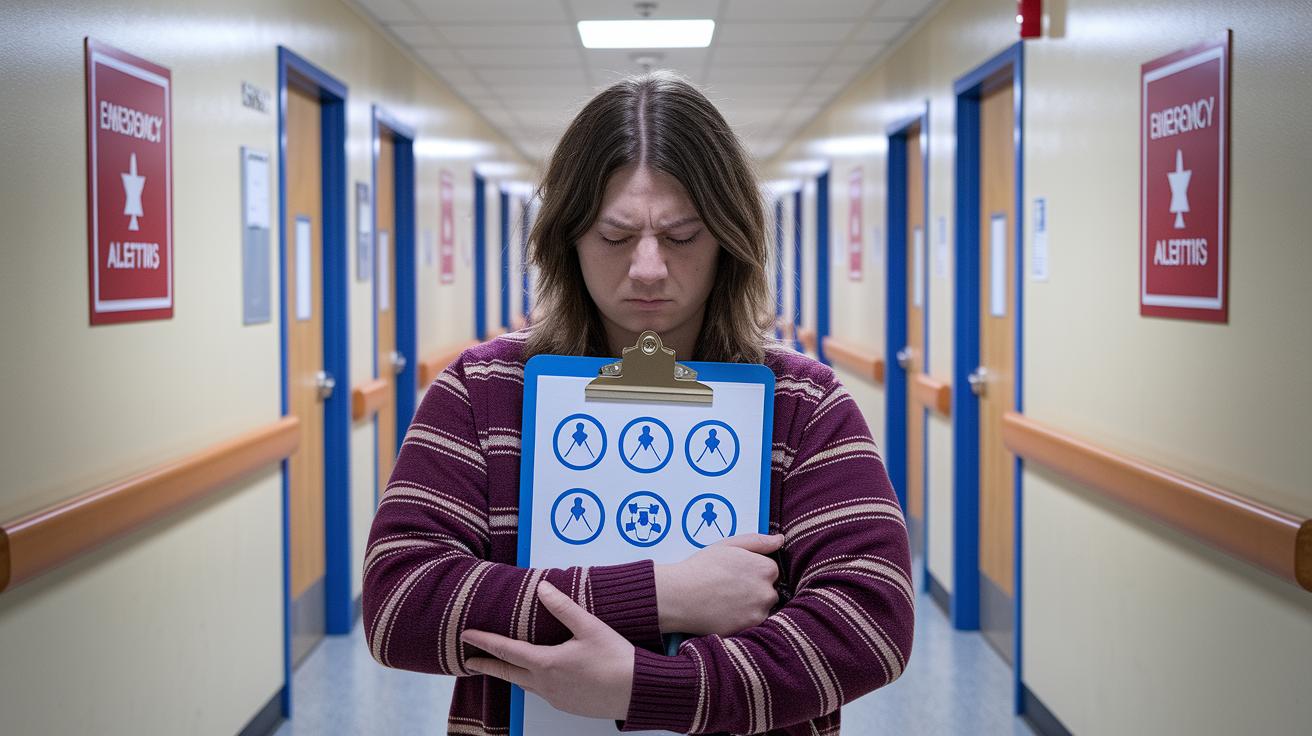
Quick take: Feeling very tired, even after light activity, may mean your body is running low on energy.
If you have any of these emergency signs, call emergency services now:
- Sudden, severe fatigue that stops you from doing simple tasks
- Chest pain or shortness of breath
- Dizziness with confusion
Urgent steps if these occur:
- Seek same-day care from your clinician
- Explain your symptoms clearly
For self-care and to monitor your condition:
- Track when you feel most tired and note what you were doing
- Rest and limit strenuous activities until you can see a healthcare provider
Your muscles use energy stored in a chemical called ATP (the fuel for your cells) when you do everyday tasks. When you push beyond what your body can supply, a substance called lactic acid builds up in your muscles. This can make even simple actions feel heavy and weak.
Sometimes, you may feel drained hours or even days after a light walk or small activity. This is known as post-exertion malaise, and it shows that your body is having trouble recovering. Everyday movements can drop your stamina when your body’s energy supply struggles to keep up with demand.
Over time, this kind of tiredness can lead you to move less. Less movement can make your muscles work more slowly and become less efficient. As your muscles lose strength, the feeling of fatigue grows and everyday tasks can become even more challenging.
Noticing these warning signs is important. Track your energy levels and activity, and if your fatigue gets worse or you see other concerning symptoms, talk to your clinician right away.
Identifying Mental and Emotional Exhaustion Signals
When your thinking slows and everyday decisions take extra effort, it might be a sign of mental tiredness. You may feel like you are moving through thick fog. Look for these warning signs:
- Slow thinking and taking longer to decide.
- Forgetting things you normally recall.
- Feeling that mental tasks are harder because of stress or anxiety.
Emotional exhaustion can show up as sudden mood changes or irritability. You might react quickly to small problems or feel low even after a good rest. Watch for these signs:
- Fast mood swings and low patience for setbacks.
- Constant, heavy feelings of tiredness.
- Strong emotions that seem too much for simple events.
Common Triggers and Underlying Causes of Fatigue

Metabolic issues can drop your energy quickly. When your blood sugar is low, your body struggles to fuel daily tasks. Conditions like thyroid problems (hypothyroidism, a condition where the thyroid gland doesn't produce enough hormones) and anemia (a shortage of red blood cells) also hinder energy production. Even simple activities can feel exhausting when your body isn’t breaking down food into energy properly.
Nutrient gaps add to the weariness. Many people lack key nutrients such as magnesium (which supports muscle and nerve function), about 30% worldwide do, plus zinc, vitamin C, and B vitamins. Without these building blocks, your body has trouble repairing itself and keeping up with daily demands. Sleep issues, like sleep apnea (pauses in breathing during sleep) or a disrupted sleep-wake cycle, further lower your energy by preventing proper recovery.
Hormone imbalances and ongoing stress can worsen fatigue even more. High stress levels increase cortisol (a stress hormone) and throw off your thyroid hormones, leaving you feeling drained despite a full night's sleep. Over time, constant stress can alter your immune response and make fatigue a regular challenge.
Simple Weariness Diagnostic Steps and Red Flags
Quick take: A high fatigue score on this 10-item scale may mean your tiredness is impacting your daily activities. If you see any of the warning signs below, act now.
Rate your fatigue by answering 10 questions using a scale from 0 (never) to 5 (always). High scores suggest you might be struggling to keep up with your usual day. Keep a simple log of when you feel extra tired and note any new or worsening symptoms.
Watch for these extra warning signs. If you notice any of them, seek help right away:
| Red Flag | Why It Matters |
|---|---|
| Chest pain | May signal serious heart issues that need immediate care |
| Unexplained weight loss | Could point to hidden conditions requiring prompt investigation |
| Severe shortness of breath | May indicate breathing or heart problems needing urgent attention |
| Sudden cognitive changes | May reveal brain-related issues that require quick evaluation |
Quick Self-Care Strategies and Referral Indicators

Quick take: Small, daily habits can help boost your energy, but be alert for signs that you need a clinician's help.
Triage Box:
- If you notice unexplained weight loss.
- If you experience sudden changes in memory or thinking that affect your daily routine.
- If your fatigue continues for several weeks despite self-care steps, contact your clinician right away.
At home, try to build regular habits that lift your energy. For example, aim for 20-30 minutes of moderate exercise three times a week. A steady sleep routine helps your body recover and keep energy levels steady. Stay hydrated and eat a balanced diet with foods rich in B-vitamins and magnesium.
You can also add mindfulness exercises or simple behavioral techniques to change negative views about fatigue. Some people use acupuncture as an extra method to ease tiredness. Remember, if you face obstacles like low motivation or not recognizing tiredness as something to treat, plan ahead with small, achievable goals.
If your fatigue keeps bothering you and interferes with daily tasks, it is time to get a professional evaluation. Watch for new signs, such as unexpected weight loss or changes in how you think. These signals mean your body needs a closer look. Keep track of your symptoms, and if they grow worse over a few weeks, reach out to your clinician so that they can adjust your care plan as needed.
Final Words
In the action, this article broke down how fatigue can show up physically and mentally. It outlined common causes, shared a fatigue symptom snapshot, and listed clear steps for self-care while noting red flags that need urgent attention.
The guide helps you keep track of symptoms and decide if you need to see a clinician or manage fatigue at home. Stay focused and keep a record of any changes. Every step you take matters, keep moving forward with care and confidence.
FAQ
Q: Why am I always tired and have no energy, especially as a female?
A: The question about constant tiredness in women points to factors such as hormonal fluctuations, poor sleep quality, nutritional deficits, or stress. These issues signal that your body may need further evaluation.
Q: What causes sudden crashing fatigue or extreme episodes of tiredness in females?
A: The question regarding sudden fatigue suggests that rapid drops in energy can stem from low blood sugar, thyroid issues, or overexertion. Frequent episodes may indicate an underlying issue that needs attention.
Q: Why does my body feel weak and tired all of a sudden?
A: The query about abrupt weakness highlights that it may result from muscle depletion, electrolyte imbalances, or stress. Monitoring your symptoms and consulting a clinician is wise if this happens often.
Q: What are common symptoms and types of fatigue?
A: The question on fatigue symptoms reveals signs like muscle weakness, heavy eyelids, brain fog, difficulty focusing, and irritability. Fatigue can be categorized into physical, mental, emotional, or chronic types based on its causes.
Q: When should fatigue be considered worrisome?
A: The query about worrisome fatigue indicates that fatigue accompanied by red flags—such as chest pain, unexplained weight loss, severe shortness of breath, or sudden memory changes—requires immediate medical attention.
Q: What are the 5 P’s or 4 P’s of fatigue?
A: The question on the 5 or 4 P’s of fatigue signifies that experts often group factors affecting energy into key areas like sleep quality, physical activity, nutrition, stress levels, and sometimes pain, which guides clinicians in understanding fatigue.