
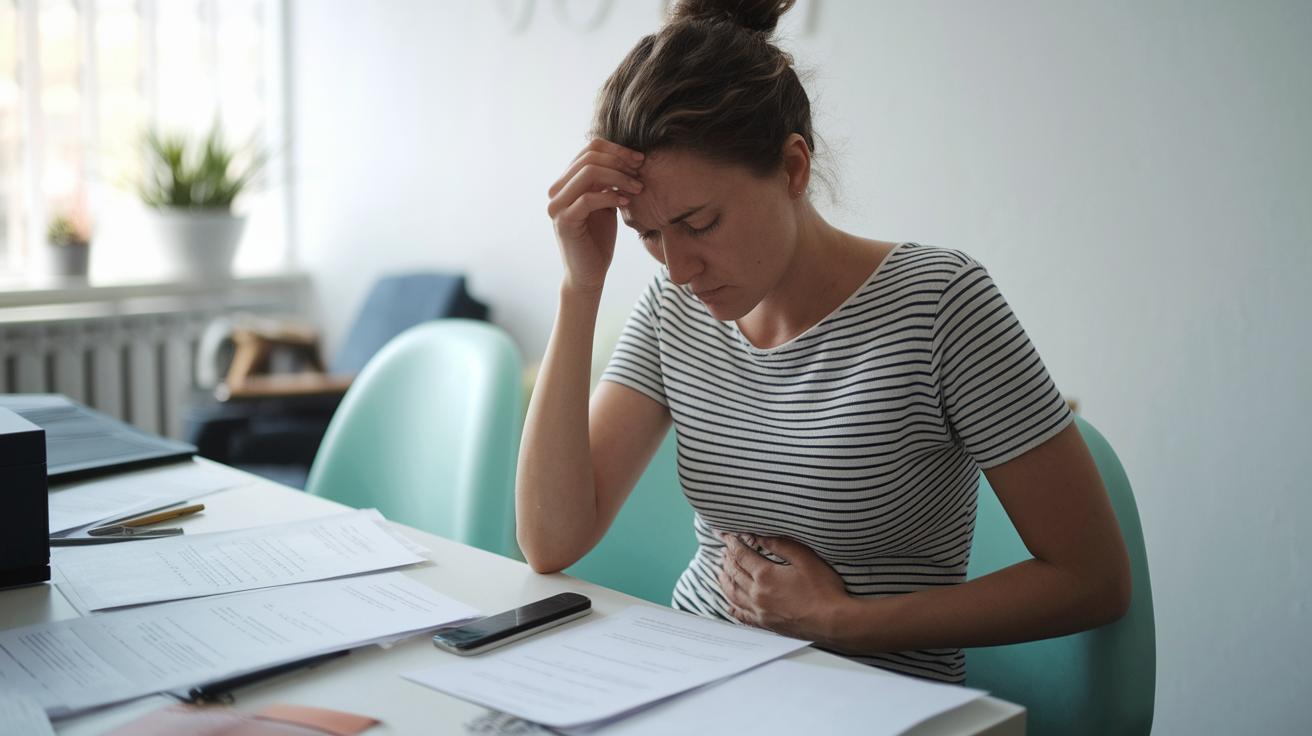

Quick take: Stress can trigger stomach cramps, but you can take simple steps to feel better fast.
If you notice any of these warning signs, seek help immediately:
• Severe, worsening pain
• Fever or vomiting
• Feeling very weak or lightheaded
Sometimes, stress makes your body go into fight-or-flight mode. This means your body tenses up, including your stomach muscles. When your muscles tighten, you may feel sudden cramps that make everyday tasks uncomfortable.
In the following sections, we explain how stress causes these cramps and share easy tips to help ease your pain.
How Stress Directly Causes Stomach Cramps
Quick take: Stress can make your stomach cramp up by tightening your muscles.
If you experience any of these signs, call emergency services now:
- Sudden, very strong stomach pain
- Pain that comes with fever or vomiting
Stress leads your body to tighten up. When you feel under pressure for a long time, your stomach muscles may contract and cause pain. Being nervous or overwhelmed can make these cramps happen more often.
Your body’s fight-or-flight response is a key part of this process. This is when your brain sends signals to your gut (your stomach and intestines) to get ready for action. This reaction turns on your sympathetic nervous system and releases cortisol (a stress hormone) along with other chemicals. Cortisol speeds up your heart and changes how your digestive system moves. These shifts can make your gut more sensitive. Even normal eating or a bit of discomfort might feel like a sharp cramp, almost like a tight band is squeezing your stomach.
It can be worrying to experience this pain. Keep track of your symptoms, and if they worsen or do not improve, please reach out to a trusted healthcare provider.
Physiological Pathways Linking Stress to Stomach Cramps
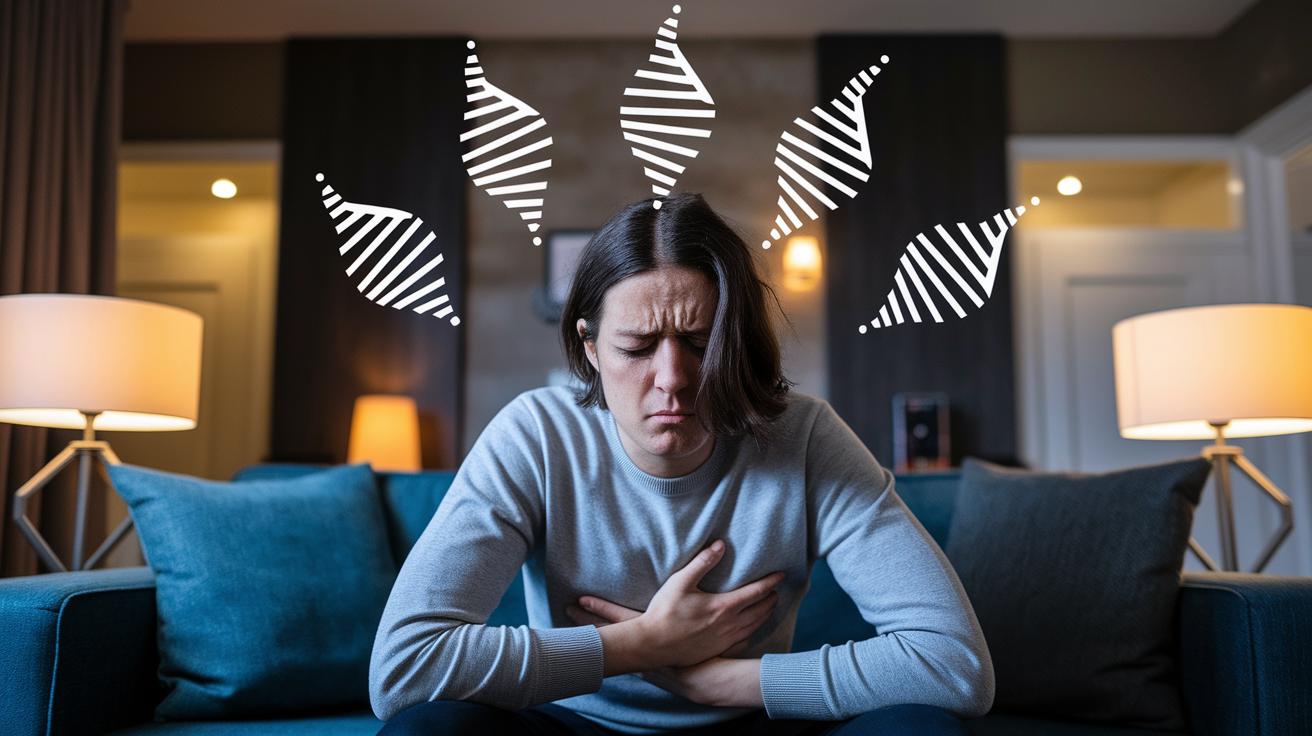
When you feel stressed, your body sets off a chain reaction. Your brain tells the hypothalamus to release CRH (corticotropin-releasing hormone). This hormone then makes the pituitary gland send out ACTH (adrenocorticotropic hormone). Next, your adrenal glands pump out cortisol and epinephrine (adrenaline). These hormones help your body get ready to act, but they can also disturb your stomach.
These stress hormones change how your gut works. Higher levels of cortisol and adrenaline may speed up or slow down digestion. This can lead to sudden spasms or cramps. In addition, they boost stomach acid, which might irritate your stomach lining. The result can be uncomfortable, sharp cramps even during regular meals.
Stress can also wear down the gut’s protective barrier. Without a strong shield, your stomach becomes more sensitive to normal activities. This heightened sensitivity (visceral hypersensitivity) may cause cramps similar to irritable bowel syndrome (IBS). Over time, constant stress hormones can make your gut overreact, leading to painful tummy cramps.
| Hormone | Gland | Effect on Gut |
|---|---|---|
| CRH | Hypothalamus | Starts the stress response |
| ACTH | Pituitary | Triggers cortisol release |
| Cortisol | Adrenal Cortex | Changes digestion and acid secretion |
| Epinephrine | Adrenal Medulla | Affects gut muscle contractions |
does stress cause stomach cramps: Feel Better Now
When stress hits suddenly, like a looming work deadline or an unexpected exam, your stomach may react fast. Long-term stress from worry or unresolved tension builds slowly and can make your muscles tighten. This fight-or-flight response can lead to stomach cramps that feel like knots in your belly.
Here are some common stress triggers:
- Work deadlines
- Relationship conflicts
- Public speaking or performances
- Academic exams
- Unexpected life changes
Knowing what triggers your stress is key to easing stomach cramps. Once you spot the events or situations that set off your symptoms, you can take steps to relax your gut. Try tracking stressful moments to better understand your body’s signals and manage stress more effectively.
Recognizing Symptoms and Red Flags of Stress‐Induced Stomach Cramps

Quick take: Stress can cause sudden stomach cramps, but some signs mean you should get help right away.
If you have any of these emergency signs, call emergency services now:
- A high fever (over 102°F)
- Bloody stools
- Intense pain or pain lasting more than 48 hours
- Unplanned weight loss
Stress can make your stomach hurt in a sharp, stabbing way or feel like a tight band is squeezing it. You might also notice gas, bloating, diarrhea, constipation, or nausea. These symptoms often show up during long periods of stress or anxiety and can start suddenly, maybe after a tough meeting or a big life change. Keeping track of when these pains happen can help you see a pattern and understand how stress is affecting you.
If your symptoms are mild and do not include the red flags above, try to relax and monitor your condition. But if you notice any of the warning signs, please contact a healthcare provider so they can check for more serious issues.
Practical Strategies to Manage Stress‐Related Stomach Cramps
Quick take: Simple daily habits can ease stress-related stomach cramps.
Triage:
• If you have severe, sharp pain, constant vomiting, high fever, or blood in your stool, call emergency services now.
• If cramps persist beyond 3 days or worsen, seek same-day medical attention.
Choose a healthy lifestyle to soothe your gut. Small daily changes can help relax your stomach muscles when stress strikes. Regular activity, quality sleep, staying hydrated, and a balanced diet all support your gut and may ease cramps over time.
Try these simple steps:
-
Regular moderate exercise
Aim for a 30-minute walk or another light activity daily. This helps boost blood flow and ease tight muscles. -
Slow, controlled breathing
Practice deep-breathing exercises to lower stress and calm your body. -
Daily mindfulness or meditation
Spend a few minutes each day focusing on the present. This helps reduce anxiety and soothe your mind. -
Consistent sleep (7–9 hours per night)
Stick to a steady sleep schedule to help your body recover and regulate stomach function. -
Drink enough water
Keep well hydrated to support digestion and ease muscle spasms. -
Eat gut-friendly foods
Include yogurt, fruits, vegetables, whole grains, and other anti-inflammatory options to nurture your gut. -
Enjoy soothing teas and gentle yoga
Sipping peppermint tea or doing light yoga stretches can help relax your core and relieve discomfort.
When to Seek Professional Help for Stress‐Related Stomach Cramps

If your stomach cramps last more than 48 hours, get worse, or start to interfere with daily tasks like work or sleep, it’s time to call your doctor. If you also have a fever, start vomiting, or lose weight without trying, contact a healthcare provider immediately.
When you get checked out, your doctor may run blood tests and use imaging tests (like x-rays or ultrasounds) to rule out conditions such as irritable bowel syndrome (IBS, a type of gut trouble), ulcers, gallstones, or appendicitis. You might be sent to a digestive specialist (gastroenterologist) or a mental health expert if stress seems to be the main cause. Sometimes they recommend therapies like cognitive behavioral therapy (CBT, a talk therapy) or biofeedback (a way to control body reactions) to help ease both the pain and the stress.
Final Words
In the action, this guide shows how stress can cause stomach cramps and what to do when you feel abdominal discomfort. We broke down how the brain‐gut connection and hormone release can trigger painful spasms. You now have clear tips to manage daily stress and know the warning signs needing medical care. Remember, does stress cause stomach cramps? Yes, and your well-being matters. Keep following practical home-care steps and track your symptoms. Stay proactive, and take heart knowing relief and better health are within reach.
FAQ
Frequently Asked Questions
Can stress cause stomach pain for days or even months?
Stress can cause stomach pain that lasts days or even months. Continuous stress activates your fight-or-flight response and increases gut sensitivity, which may lead to ongoing discomfort.
How long can stress or anxiety-related stomach pain last?
Stress-induced stomach pain varies in duration and may continue as long as your stress remains high. Managing stress with relaxation techniques often helps reduce the pain over time.
What does anxiety stomach pain feel like?
Anxiety-related stomach pain feels like tightness or sharp cramps and is sometimes described as a knotted sensation. Many individuals also report a feeling of butterflies or discomfort after eating.
Can stress cause stomach pain with bloating or diarrhea?
Yes, stress can trigger stomach pain along with bloating, gas, and diarrhea. The brain-gut connection means that stress can alter gut movement, leading to these uncomfortable symptoms.
Can emotional stress affect stomach pain after eating?
Emotional stress may cause stomach pain after eating by disturbing gut movement and increasing sensitivity. Such stress-related changes can lead to discomfort during digestion, making it important to monitor stress levels.
How do I know if my stomach pain is from stress?
If your stomach pain appears during stressful times and comes with tension or digestive changes, it is likely stress-related. Recognizing these patterns helps determine that stress may be the underlying cause.
How can I get rid of an anxiety stomach ache?
You can ease an anxiety stomach ache by practicing deep breathing and mindfulness techniques. Regular exercise, a balanced diet, and proper hydration can also help reduce your discomfort.
What are the symptoms of stress in the digestive system?
Stress in the digestive system often produces sharp cramps, bloating, gas, diarrhea, and nausea. These symptoms usually occur alongside feelings of anxiety and physical tension.