


Quick take: Mild stomach cramps after a colonoscopy are normal, but watch for warning signs.
If you have any of these emergency signs, call emergency services now:
- Severe pain
- Heavy bleeding
- High fever
If your pain gets worse or lasts more than a couple of days, seek medical advice.
After a colonoscopy, your colon can feel crampy. The air used during the test fills your colon and stretches it like a balloon, which may cause a few spasms. This reaction is expected and usually fades with time.
To help ease the discomfort:
- Rest until you feel better.
- Use a heating pad on your stomach if it helps.
- Drink plenty of water.
Remember, your body is healing. If you notice red flags or your pain continues, don’t hesitate to reach out to your doctor.
What to Expect: Stomach Cramps After a Colonoscopy
Quick take: Mild cramps and bloating are normal after a colonoscopy due to air in your colon.
Triage Box:
• If you have any of these emergency signs, call emergency services now: very severe or worsening pain, heavy bleeding, high fever.
• If your pain lasts more than 48 hours or you notice unusual symptoms, contact your healthcare provider.
• For mild discomfort, rest, drink plenty of water, and take a gentle walk.
After your colonoscopy, you might feel mild stomach cramps or a bit of pressure. This happens because air is put into your colon during the test, which can make your colon feel stretched. Most people see these symptoms go away in 24 to 48 hours.
You may also notice some bloating or gas. This is a normal part of the recovery process as your body clears the extra air. A short walk, a gentle tummy massage, and staying well hydrated can help ease these feelings.
Remember, mild cramps and bloating are common after the procedure. But if your discomfort gets worse or does not improve in 2 days, or if you experience any red flag symptoms, please reach out to your healthcare provider.
3 Stomach Cramps After Colonoscopy: Feel Renewed

Air Insufflation
During your colonoscopy, your doctor fills your colon with air so they can see clearly. The air works like a balloon, gently stretching your colon. This stretch can cause cramps and a bloated feeling. These sensations are normal and usually go away as your body slowly releases the air.
Tissue Stretching and Colonic Distension
Inflating the colon also means that the walls stretch a bit. This stretch can make the muscles tighten and cramp. The spasms are usually mild but can be bothersome. The type of sedation and the duration of the procedure can affect how much you feel these cramps.
Biopsy and Polyp Removal
If your doctor removes a small tissue sample or takes out polyps, the procedure can irritate the area. This may result in some light bleeding and extra discomfort. The pain comes from your colon lining reacting to the work done. This type of discomfort is normal and should lessen as you heal.
What to Expect: Stomach Cramps After a Colonoscopy
Quick take: Mild tummy cramps after a colonoscopy are normal due to air stretching the colon.
Triage Box:
• Call emergency services now if you have severe pain, heavy bleeding, or a high fever.
• Seek care today if your pain worsens or does not improve within 48 hours.
• For mild cramps, rest and drink water while your body naturally removes the air.
During your colonoscopy, your doctor uses air to help see your colon clearly. This air pushes your colon walls outward, much like inflating a balloon. That extra stretch can cause a light ache or cramping. Sometimes, if your doctor takes a small tissue sample (biopsy) or removes a growth (polyp), you might feel a bit more discomfort. These feelings usually fade within 24 to 48 hours.
If your pain intensifies or doesn’t improve as expected, please contact your healthcare provider for advice.
Main Triggers of Abdominal Pain Post-Colonoscopy
Understanding what happens during your colonoscopy can help ease your worries. Your doctor fills your colon (large intestine) with air so they can see clearly. This air stretches your colon, which may cause cramps and a bloated feeling as your body works to push out the extra air. The stretch can also pull on nearby tissue, leading to short muscle spasms. If you had a biopsy (a small tissue sample) or a polyp removal, you might notice some mild irritation or a bit of bleeding. Everyone’s experience is different, and factors like the procedure length and sedation type can change how strong your cramps feel.
Here are some steps you can take to ease your discomfort:
- Rest and relax.
- Take gentle walks to help let out trapped air.
- Use a warm pad on your belly for relief.
- Breathe slowly and deeply – try inhaling, holding, then exhaling.
- Track your pain by noting the time, pain level (mild, moderate, or severe), and any other symptoms.
| Date/Time | Pain Level | Comments |
|---|---|---|
| MM/DD/YYYY HH:MM | Mild/Moderate/Severe | Describe any changes or triggers |
If your cramping worsens or continues for more than 24 hours, please call your clinician.
Recovery Timeline and Cramps Severity Post-Colonoscopy
Quick take: After your colonoscopy, expect mild cramps and bloating that usually ease within 24 to 48 hours.
Most patients have mild to moderate cramps, bloating, and changes in their bowel habits. Research shows that these symptoms improve quickly, often within 24 to 48 hours. Severe discomfort is uncommon; only a few people have long-lasting symptoms.
It can be very helpful to track your recovery. Write down your symptoms and note the time they occur. For example, jot down when you feel a slight cramp or when your bloating gets a bit better after a short walk. Keep a simple log with details like the time, your pain level (mild, moderate, or very mild), and anything that helped ease your discomfort. This record can give you a clear picture to share with your healthcare provider if you are worried.
Below is a day-by-day guide to help you understand your recovery and decide what to do:
| Day After Procedure | Common Symptoms | Typical Severity | Suggested Action |
|---|---|---|---|
| Day 0 | Slight cramps, mild bloating | Mild to Moderate | Take short walks and drink plenty of fluids |
| Day 1 | Cramps easing, some gas | Mostly Mild | Follow a gentle diet and rest as needed |
| Day 2 | Minimal gas, occasional cramp | Very Mild | Back to your regular diet |
| Day 3+ | Rare discomfort | None to Very Mild | Resume normal activities |
Remember, your recovery timeline may vary based on factors like the sedation used, your overall health, and any special care during the colonoscopy. Monitoring your progress can help keep you informed and confident as you move toward feeling better.
Effective Home Remedies for Colonoscopy-Related Stomach Cramps

Quick take: Light movement and plenty of water can help ease mild post-colonoscopy cramps and gas.
If you have any of these emergency signs, call emergency services now:
- Severe, unrelenting pain
- Heavy bleeding
- High fever or worsening symptoms
What to do now:
- Take a gentle walk for 10–15 minutes every 1–2 hours to help release trapped air.
- Drink 8–10 cups of water each day to support digestion and help flush out any leftover fluids.
- Apply a warm compress or a heating pad to your lower stomach to help relax tight muscles and ease spasms.
- Consider using an over-the-counter simethicone product (like Gas-X) to reduce gas buildup, after checking with your doctor.
- Use OTC acetaminophen for mild pain relief, following the label instructions carefully.
- Try gently massaging your stomach in a clockwise circle.
- Rest in a comfortable position with your knees bent and supported by a pillow.
These simple steps can help you feel more comfortable after your colonoscopy. Remember, if your symptoms worsen or you notice any red flags, seek medical advice right away.
Best Diet Choices to Reduce Post-Colonoscopy Bloating and Pain
Quick take: Choose gentle, low-fat foods and small, frequent meals to help soothe your gut after a colonoscopy.
Triage Box:
• If you have severe abdominal pain, a fever over 101 F, or heavy bleeding, call emergency services now.
• If pain rapidly worsens, you vomit frequently, or your symptoms do not improve in a couple of days, seek urgent medical care.
• For mild bloating and discomfort, watch your symptoms and stick with simple, easy-to-digest foods.
After your colonoscopy, start with foods that are gentle on your stomach. Think broth-based soups (light and low-fat), plain yogurt, and well-cooked vegetables. These choices help ease discomfort and gently nourish your body without straining your colon.
Keep your meals light and have them often instead of a few big ones. For example, enjoy a small bowl of vegetable broth at lunch and a serving of yogurt with soft steamed carrots for dinner. This gradual approach helps your body return to normal function.
It’s best to avoid heavy fats, spicy dishes, and high-fiber meals until you feel back to normal. These foods can irritate your gut and may increase bloating or pain. Stick with low-fat, mild, and soft food options to support recovery and lower discomfort as your body heals.
Relieving Trapped Gas and Bloating After a Colonoscopy

All the detailed tips for easing trapped gas and bloating after your colonoscopy are now included in the Effective Home Remedies for Colonoscopy-Related Stomach Cramps section. You'll find clear instructions and step-by-step guidance right there.
For example, the guide shows you how to try the knee-to-chest pose: lie on your back, pull your knees close to your chest, and hold for about 1 minute while you take slow, controlled breaths. It also explains deep breathing techniques, slowly breathe in, pause for a few seconds, then breathe out, to help your diaphragm (the muscle that helps you breathe) move air smoothly.
Warning Signs: When Stomach Cramps After Colonoscopy Are Concerning
Most people feel only a bit sore after a colonoscopy. However, some signs can point to serious issues like a tear in the colon or an infection. If you face any of these red flag symptoms, call your healthcare provider right away.
- Fever above 100.4°F
- Pain that gets worse or is very severe
- Bleeding from the rectum that is more than just a little spotting
- Not being able to pass gas or have a bowel movement within 48 hours
- Frequent vomiting or signs of dehydration (dry mouth, less urine)
- Feeling dizzy or faint
Keep a close eye on your symptoms. Noting these changes early helps your doctor act quickly and keep you safe.
Persistent Cramps Beyond 48 Hours: Causes and Next Steps
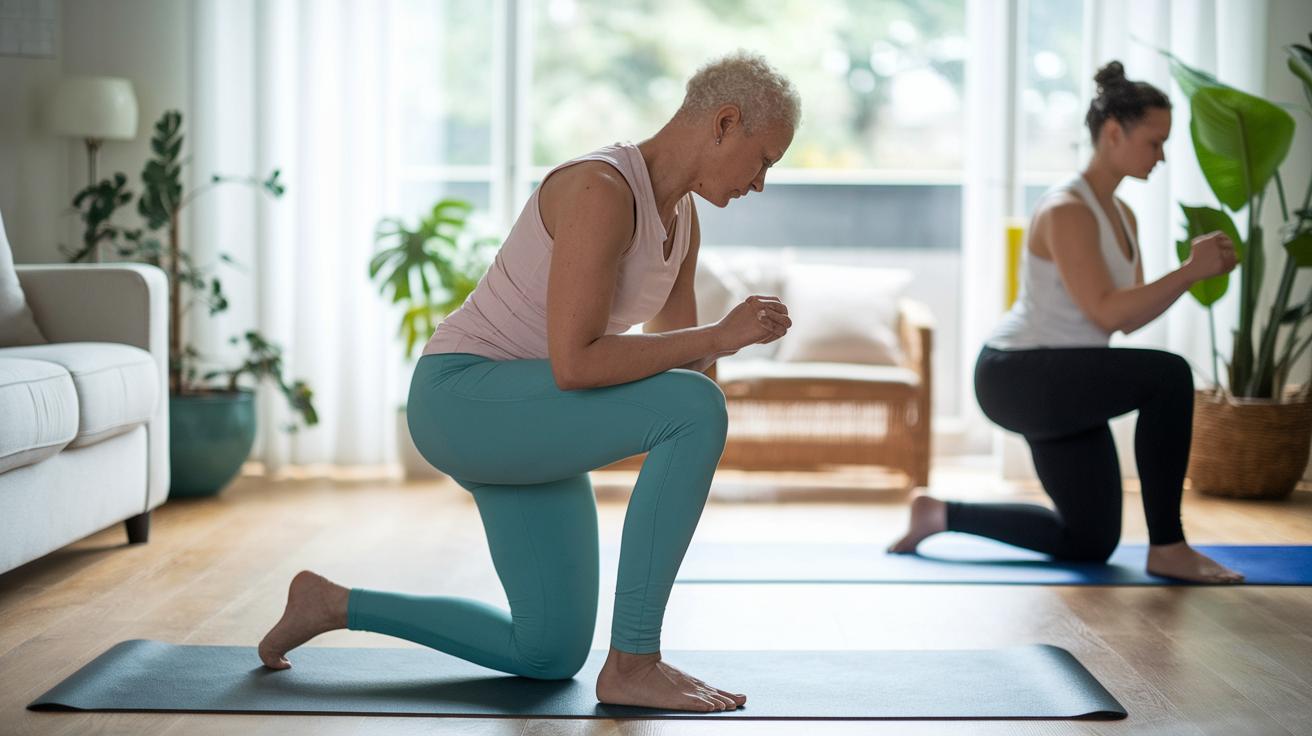
Quick take: If cramps continue past 48 hours after your colonoscopy, you need to check in with your doctor.
If you notice any of these red flags, act now:
- Severe, unrelenting pain
- Blood in your stool
- Dizziness or fainting
Your ongoing cramps can happen for a few reasons. It might be from irritable bowel syndrome (IBS, a common gut issue) or inflammatory bowel disease (IBD, long-term inflammation of the gut). Past abdominal surgeries can also make your stomach feel more sensitive. Some people call these lasting symptoms post-colonoscopy syndrome. This isn’t an official diagnosis, but it means your colon is taking a little longer to recover.
Here’s what you can do:
- Track your symptoms by noting when the cramps started.
- Rate your pain as mild, moderate, or severe.
- Write down any changes in your bowel habits or other signs.
If your cramps or changes in bowel habits stick around for over 48 hours, follow up with your gastroenterology team. They will check if more tests are needed to keep your recovery on track.
Balancing Activity and Rest During Colonoscopy Recovery
If you feel okay, try a gentle walk for 10–15 minutes to help ease gas and boost your circulation. If you’re feeling worn out from the sedation and bowel prep, a short nap can really support your recovery.
Listen to your body. If moving even a little makes you uncomfortable, slow down or take a break. A few minutes of rest might work just as well as a slow walk.
For example, you could walk slowly for a few minutes and then take a quick 10-minute nap when you start to feel tired.
Top FAQs on Stomach Cramps After Colonoscopy
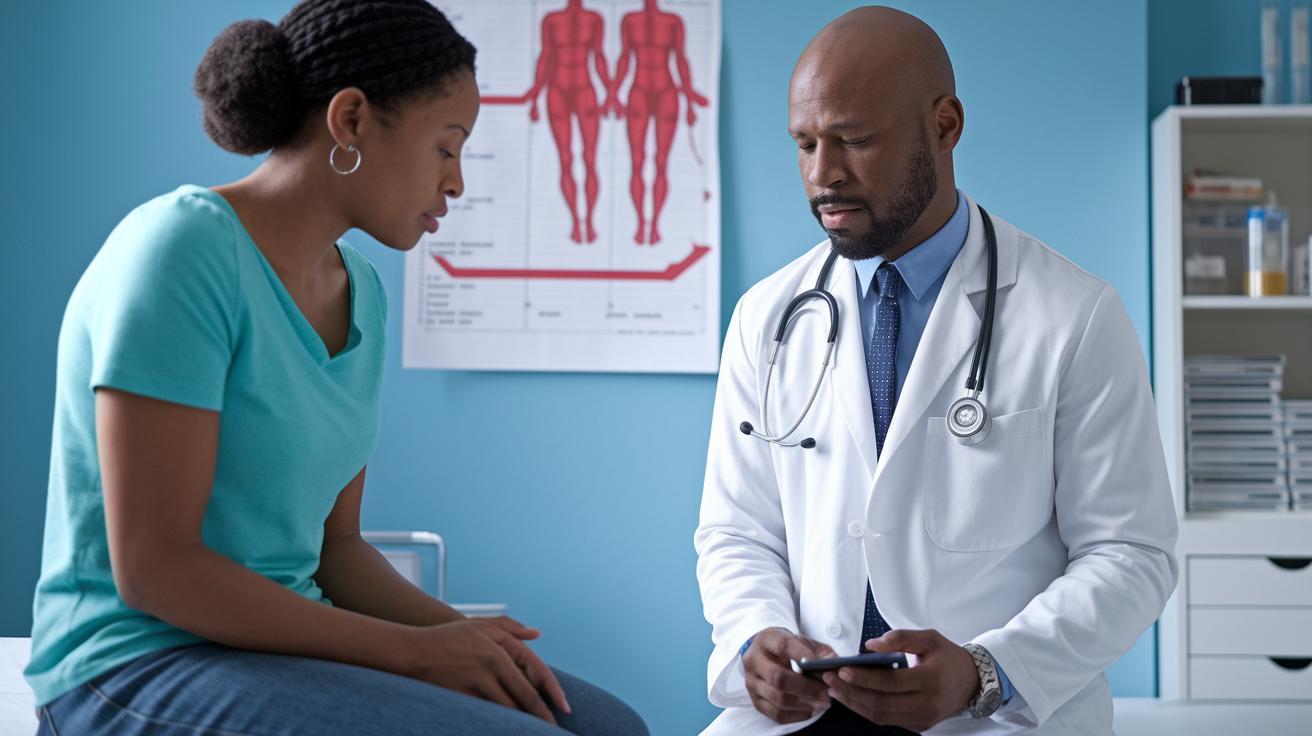
After a colonoscopy, you might feel some stomach cramps or mild discomfort. This guide explains what you can expect and offers clear steps to help you manage your symptoms.
• What to Expect – Learn that a little cramping is common after your procedure. However, if the pain changes or you feel worse, call your clinician.
• Effective Home Remedies – Find safe ways to ease gas and bloating. For instance, simethicone (a medicine that helps trapped gas) may reduce your discomfort when used as directed.
• Best Diet Choices – Get tips on how to slowly return to your regular diet. It is best to start with light, easy-to-digest foods and then add more as your body feels ready.
• Warning Signs – Watch for signs that need urgent care. These include a fever above 100.4°F, severe or worsening pain, or heavy bleeding. If any of these happen, seek help immediately.
For example, if you're wondering about simethicone's safety, check the Effective Home Remedies section. Remember, if your symptoms last more than 48 hours, you should review the Warning Signs and contact your clinician for further advice.
Final Words
In the action of understanding stomach cramps after colonoscopy, you learned what to expect during normal recovery and which steps ease discomfort. The blog post reviewed causes like air insufflation and tissue stretching while pointing out red flags that require prompt help. It shared simple remedies such as gentle walking, hydration, and light diets to help you feel better. Keep monitoring your symptoms, maintain a balanced rest-activity routine, and reach out if things worsen. Recovery moves one step at a time, and you're on the right track.
FAQ
What does abdominal pain in different areas after a colonoscopy indicate?
Abdominal pain after a colonoscopy can occur in the lower area, upper region, left side, or pelvic area. Each spot may result from air used during the procedure, tissue stretching, or minor trauma from biopsy or polyp removal.
How should I manage stomach pain and cramps after a colonoscopy?
Managing post-colonoscopy cramps means using gentle walking, a warm compress on the abdomen, staying well-hydrated, and possibly an OTC pain reliever like acetaminophen to ease discomfort.
How long does it take for the stomach to return to normal after a colonoscopy?
Recovering from a colonoscopy typically occurs within 24 to 48 hours, with most mild cramps and bloating subsiding over that period.
Is it normal to have stomach pains the day after a colonoscopy?
Mild stomach pain the day after a colonoscopy is common because of air in the colon and tissue stretching, but if the pain worsens, it is important to consult a doctor.
How do I know if something is wrong after a colonoscopy?
Signs that something may be wrong include worsening pain, heavy bleeding, fever, or an inability to pass gas or stool. These symptoms signal that you should seek medical attention.
What are the symptoms of a bacterial infection after a colonoscopy?
Signs of a bacterial infection after a colonoscopy include a fever above 100.4°F, severe pain, chills, and prolonged discomfort, and you should call your doctor if you experience these symptoms.