
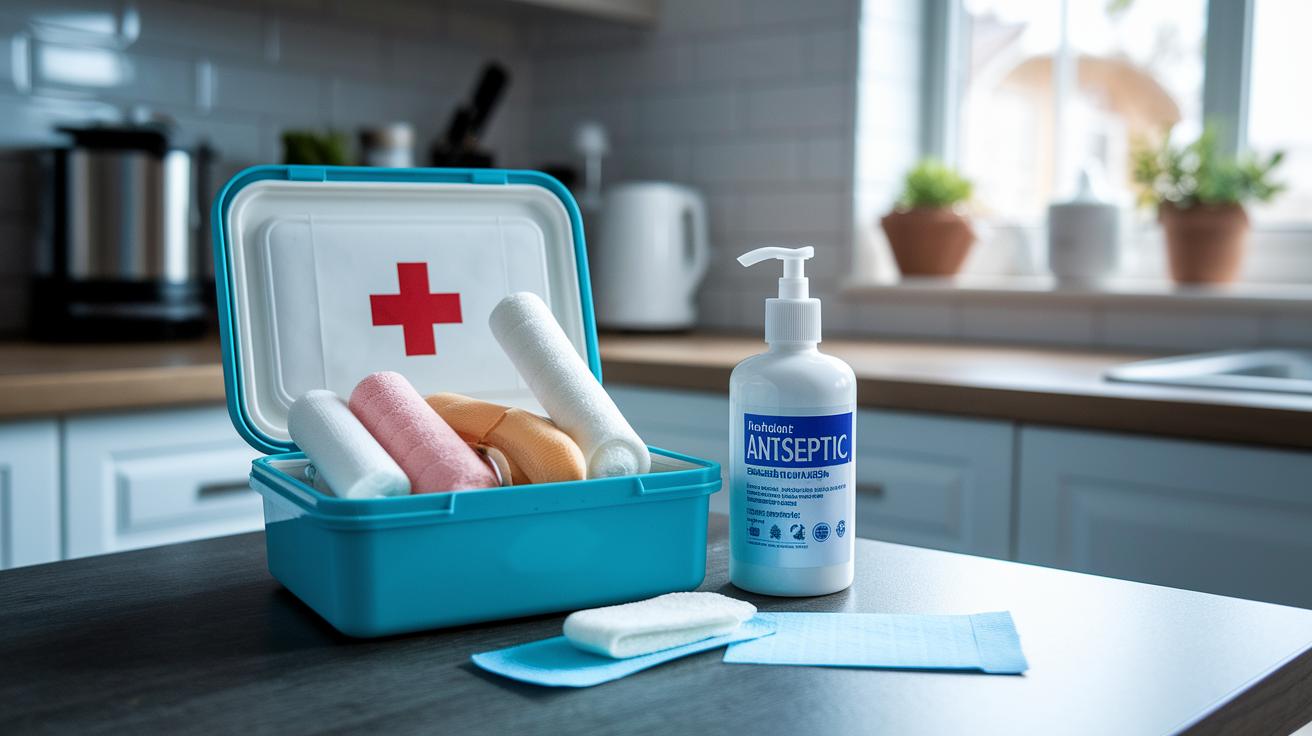

Quick Take: A ready first aid kit can stop a small accident from turning into a big problem.
If you see signs like heavy bleeding, sharp pain, or a wound that won’t stop oozing, call emergency services now.
Here’s why you need a first aid kit:
• It helps you control bleeding and protect against infection.
• It eases pain until more help comes.
• It puts you in charge when every second counts.
Keep your kit stocked with basic items:
• Gloves – to keep your hands clean.
• Bandages – to cover cuts and control bleeding.
• Antiseptic wipes – to clean wounds (kill germs).
• Antibiotic ointment – to fight infection.
Having these essentials on hand gives you a head start during an emergency. Stay safe by being prepared and knowing what to do quickly.
Core Components of First Aid Kit Essentials
When accidents occur, your first aid kit is the first step to help you take care of wounds like cuts, scrapes, burns, or sprains quickly and safely. Having these supplies nearby eases your stress and helps you manage until you can get professional care.
• Two pairs of nitrile gloves – They keep both you and others safe by protecting against germs.
• Assorted adhesive bandages in different sizes – These cover small cuts and scrapes.
• At least 4 sterile gauze pads – They absorb blood and shield wounds.
• A pack of 10 antiseptic wipes – These clean cuts before you dress them.
• One small tube of antibiotic ointment – This helps prevent infection in minor wounds.
• One roll of medical tape – Use it to secure dressings in place.
• One pair of medical scissors – Ideal for trimming tape, bandages, or even clothing if needed.
• One pair of tweezers – Use them to carefully remove debris or splinters.
• One bottle with 20 over-the-counter pain relievers – They help ease pain from injuries.
• Two reusable cold packs – They reduce swelling (wrap in a towel before applying).
• One small bottle of disinfectant solution – Adds extra cleaning power.
• One copy of a first aid instruction manual – A simple guide to help you handle emergencies.
This kit is designed to cover basic needs by controlling bleeding, preventing infection, and easing pain. Each item works together to give you a reliable way to manage injuries until you can get further medical help.
Adapting First Aid Kit Essentials for Travel, Hiking, Camping, and Roadside Use
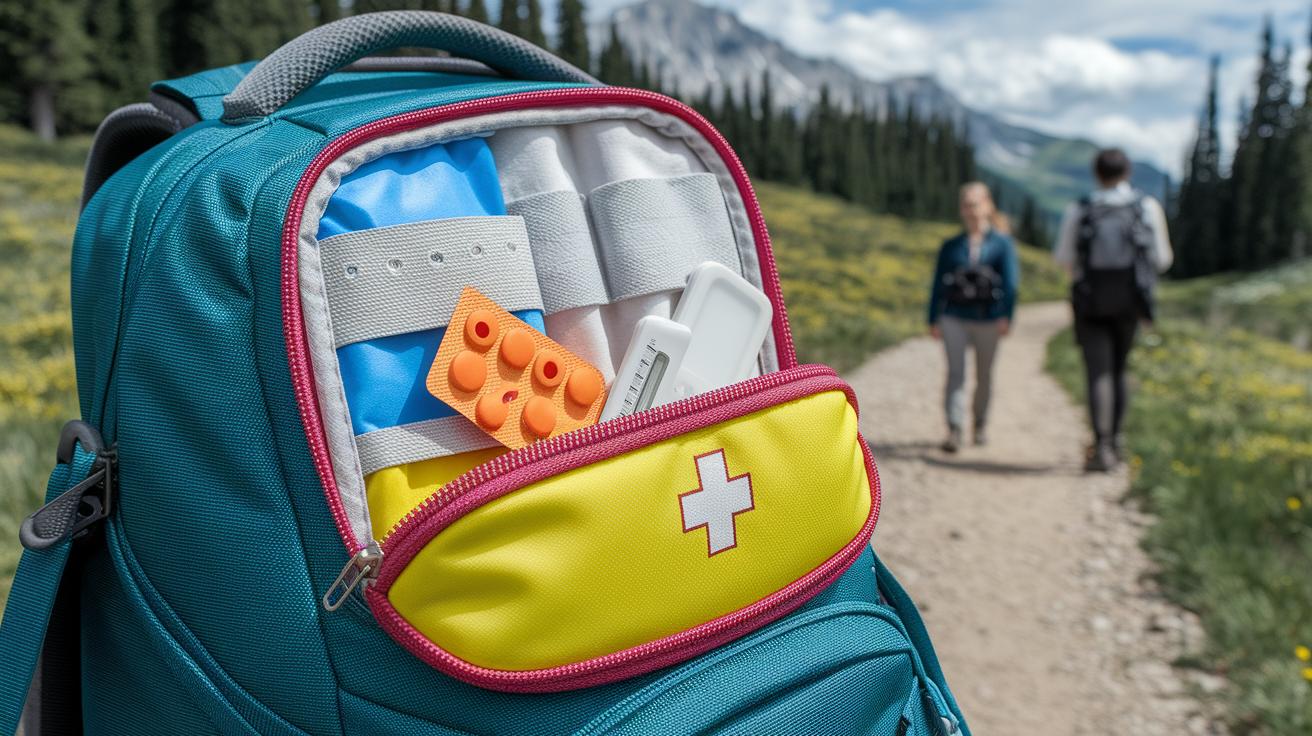
When you are away from home, having the right first aid kit can help you act fast in an emergency. Tailor your kit to your setting so you have what you need for common issues like fevers, allergies, cuts, and sprains.
Travel First Aid Kit Essentials
When you travel, pack simple medicines to ease upset stomachs, lower fevers, and calm minor allergies. Choose compact items and kid-friendly extras like fun bandages and special thermometer covers. Use a bright, zippered pouch to keep your kit safe and easy to reach when surprises happen.
Hiking Survival Treatment Pack
On a hike, keep your kit light and easy to fit in your backpack. Include bandages for cuts, supplies for sprains, and treatments for bug bites. Add items to help with dehydration and minor shocks. Keeping your kit within easy reach means you can act quickly if you twist an ankle or suffer a small cut.
Camping Emergency Set Inventory
If you camp for several days, your kit needs to cover more outdoor challenges. Pack sturdy supplies for burns, scrapes, and insect bites. Bring extra disinfectant wipes, pain relievers, and an emergency blanket in case of sudden weather changes. Your kit should be as durable as your campsite.
Roadside Crisis Response Equipment
When you are on the road, be ready for small collisions or unexpected injuries. Add a reflective vest, items to control bleeding, and supplies for sprains to your kit. Quick access to these essentials can help calm your nerves during roadside emergencies.
| Environment | Key Additions |
|---|---|
| Travel | Fever reducers, allergy meds, kid-friendly extras |
| Hiking | Compact bandages, lightweight pain relievers, hydration aids |
| Camping | Extra disinfectant wipes, pain relievers, emergency blanket |
| Roadside | Reflective vest, bleeding control supplies, sprain support items |
Medications and Treatment Supplies for First Aid Kit Essentials
Keep your first aid kit ready with basic medicines that help you manage sprains, minor injuries, bumps, and bruises. Stock over-the-counter pain relievers like ibuprofen (which eases pain and reduces swelling) or acetaminophen (which lowers pain and fever). A fever reducer is handy when temperatures spike, and quick-response packs can offer fast relief. Each product's label should show clear dosing instructions so you know exactly how to use it safely.
For times when an allergy flares up or your stomach feels upset, add antihistamines (to ease allergy symptoms) and antacids (to soothe stomach discomfort) to your kit. Follow the dosage directions carefully to avoid any unwanted side effects. Choose products that explain how to use them correctly, especially for minor emergencies while you wait for further care.
If you face a burn or scald, use your burn treatment supplies with care. Always wrap cold packs in a towel before applying them to your skin to prevent further damage. Check expiration dates often and store your medications in a cool, dry place. Regularly review your kit and replace anything that has lost its effectiveness, ensuring you always have the right supplies when you need them.
4 first aid kit essentials keep you safe
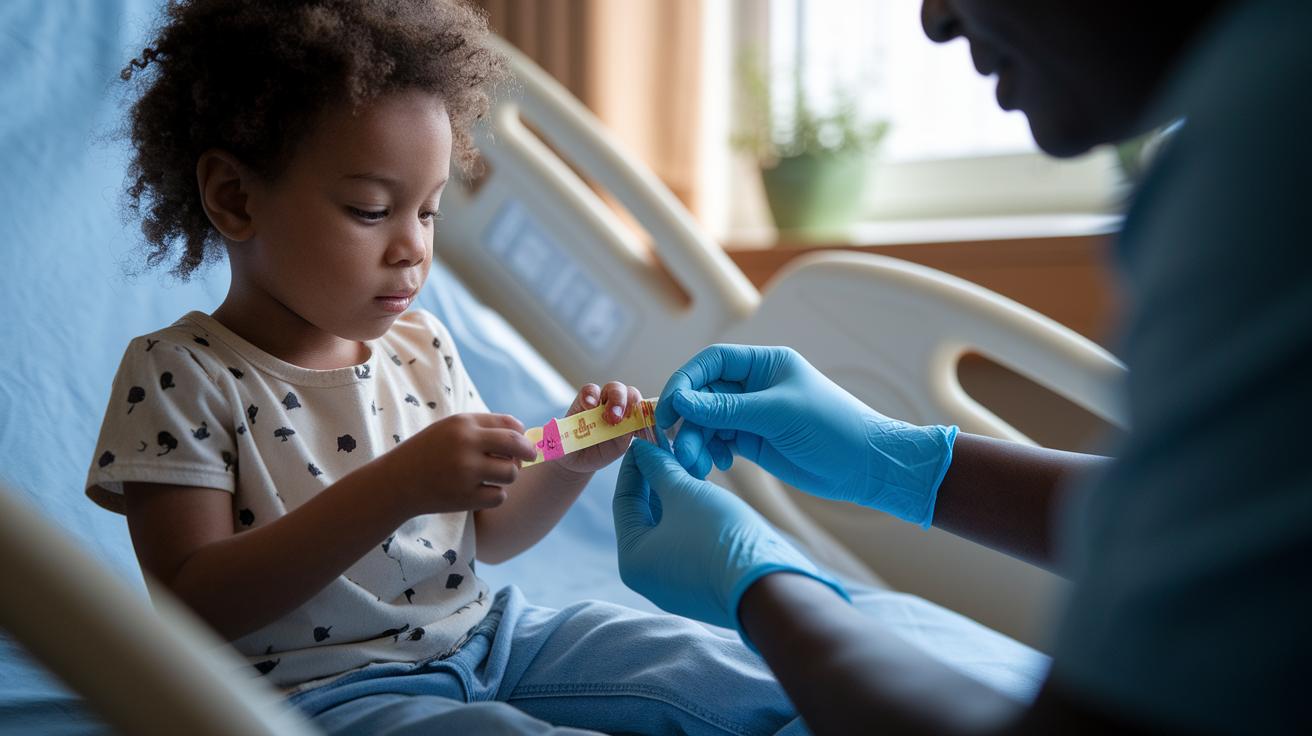
When a child is hurt, having items made for kids can help ease their fears. Fun bandages with popular characters and easy-to-read first aid guides make treatment feel less scary. Using gloves without latex (a common allergen) protects both you and your child when you clean cuts or scrapes. These kid-friendly supplies can help keep everyone calm during a stressful time.
For pet emergencies, include items that work well for your furry friend. Keep pet-safe antiseptic wipes to clean small wounds and special tweezers for removing ticks. These tools help you quickly manage minor injuries and prevent infections without hurting your pet. Adding these items means you’re ready if your pet needs help during outdoor adventures or everyday mishaps.
At work, following safety rules is very important. Safety guides suggest storing CPR barrier devices and supplies approved by OSHA (a safety standard organization). Keeping these items handy means you can respond fast and safely if someone is injured. Check and refresh your kit regularly so it is always ready when you need it.
Maintaining and Auditing Your First Aid Kit Essentials for Long-Term Readiness
Quick take: Keep your kit well maintained so you’re ready when you need it.
If you have a first aid kit, store it in a cool, dry place away from direct sunlight and moisture. This simple step helps protect the medicines and supplies inside. Keep your kit in the same spot so you can grab it quickly during an emergency.
Every 3 months, take a few minutes to inspect your kit. Check that each item is intact and free from damage or signs of contamination. If you find any used or damaged supplies, replace them right away. Acting fast keeps your kit reliable.
Make a simple log to track when you bought new items and note their expiration dates. Write down any changes when supplies are used or replaced. A safety checklist can help you confirm that every part of your kit meets safety rules. By restocking after use and discarding expired products, you ensure that your kit always has safe, up-to-date supplies on hand.
Final Words
In the action, this article highlights first aid kit essentials to help manage cuts, scrapes, burns, and more. It covers a clear list of core components, travel-specific adjustments, necessary medications, and specialty items for kids, pets, and workplaces.
The post offers simple checklists and practical tips on how to build and maintain your kit. It shows you clear steps for staying ready for everyday emergencies.
Keep your kit updated and stay confident in your ability to act fast.
FAQ
What are the 20 items in a first aid kit?
The list of 20 items in a first aid kit refers to essentials like gloves, adhesive bandages, sterile gauze, antiseptic wipes, antibiotic ointment, scissors, tweezers, over-the-counter pain relievers, and cold packs designed to treat cuts, burns, and scrapes.
What should be included in a first aid kit medicine list?
The first aid kit medicine list includes common treatments such as pain relievers, antihistamines, antacids, and antibiotic ointment, along with necessary supplies to handle minor injuries and allergic reactions safely.
Where can I find a first aid kit checklist PDF?
A first aid kit checklist PDF can be found through trusted health and emergency preparedness websites that offer free, printable lists reviewed by medical professionals for home, school, or travel use.
What are the essential items in a travel first aid kit?
The essential items in a travel first aid kit include compact supplies like antiseptic wipes, adhesive bandages, pain relievers, cold packs wrapped in a towel, and extra items to manage fevers or allergies during your journey.
What are 10 items for a school first aid kit?
The 10 items for a school first aid kit should include assorted bandages, antiseptic wipes, sterile gauze pads, adhesive tape, a pair of scissors, gloves, tweezers, a thermometer, a small first aid manual, and basic pain relievers for immediate care.
What should every home first aid kit have?
Every home first aid kit should have basic supplies such as various adhesive bandages, sterile gauze, antiseptic wipes, pain relievers, gloves, scissors, tweezers, and additional items to manage minor accidents effectively.
What are the 10 essential survival kit items?
The 10 essential survival kit items include bottled water, non-perishable food, a multi-tool, a compact first aid kit, fire-starting tools, a flashlight, a whistle, an emergency blanket, a battery-powered radio, and extra batteries.