
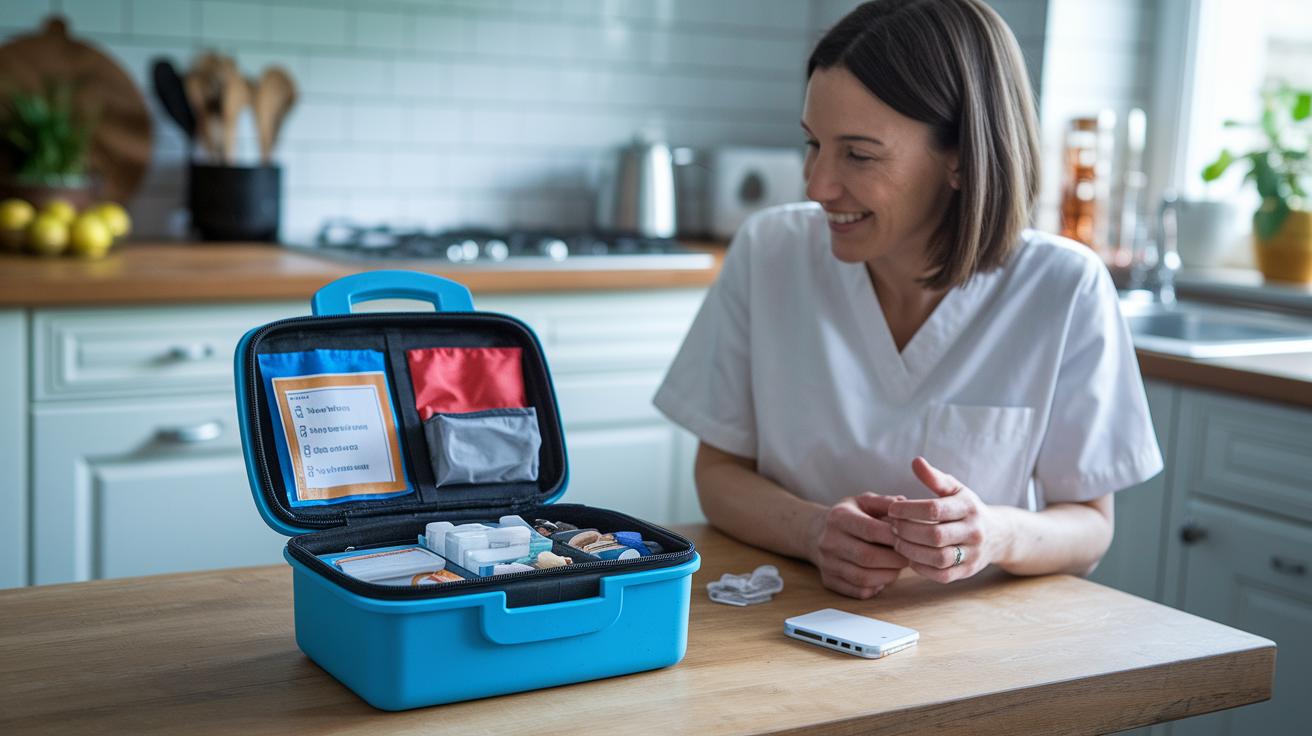

Quick take: A personalized first aid kit means you’re ready when emergencies hit.
Ever worry about handling an unexpected emergency? A custom kit gives you the right supplies without the extra clutter of a bulky box. Picture a small bag with only the items you need for your everyday life. With the right tools at hand, you can feel more confident and act fast when it matters most.
In this guide, we’ll show you how to build your own kit. You’ll learn how to pick a sturdy bag and select essential items that fit your lifestyle. Follow these simple steps to create a kit that works for you.
How to Configure the Perfect custom first aid kit for Your Needs
Your first aid kit is all in your hands. Begin by choosing a sturdy base bag that fits your adventures. You can pick from the Ultralight Explorer, the Lightweight Explorer, or the Galby. Each bag is designed for real-life activities, whether you are on a long hike or enjoying winter sports. Picture a day hike where a small kit comes in handy if you get a scrape.
Follow these simple steps to build your personalized emergency pack:
- Choose a base model that fits your activity. Use a lightweight bag for everyday needs or a more rugged option for outdoor fun.
- Write down the supplies you need. Include items like bandages, antiseptic wipes, and any personal medications.
- Adjust your kit for your planned setting. Decide if you need it for work, travel, or sports.
- Add extra essentials that matter to you, such as emergency phone numbers and first aid cream.
- Check with your doctor to be sure your kit meets your personal needs.
This custom kit lets you build a rescue bag that is organized and ready for your unique adventures. Tailor your kit today to boost your confidence and care wherever you go.
Benefits of a custom first aid kit Compared to Standard Kits
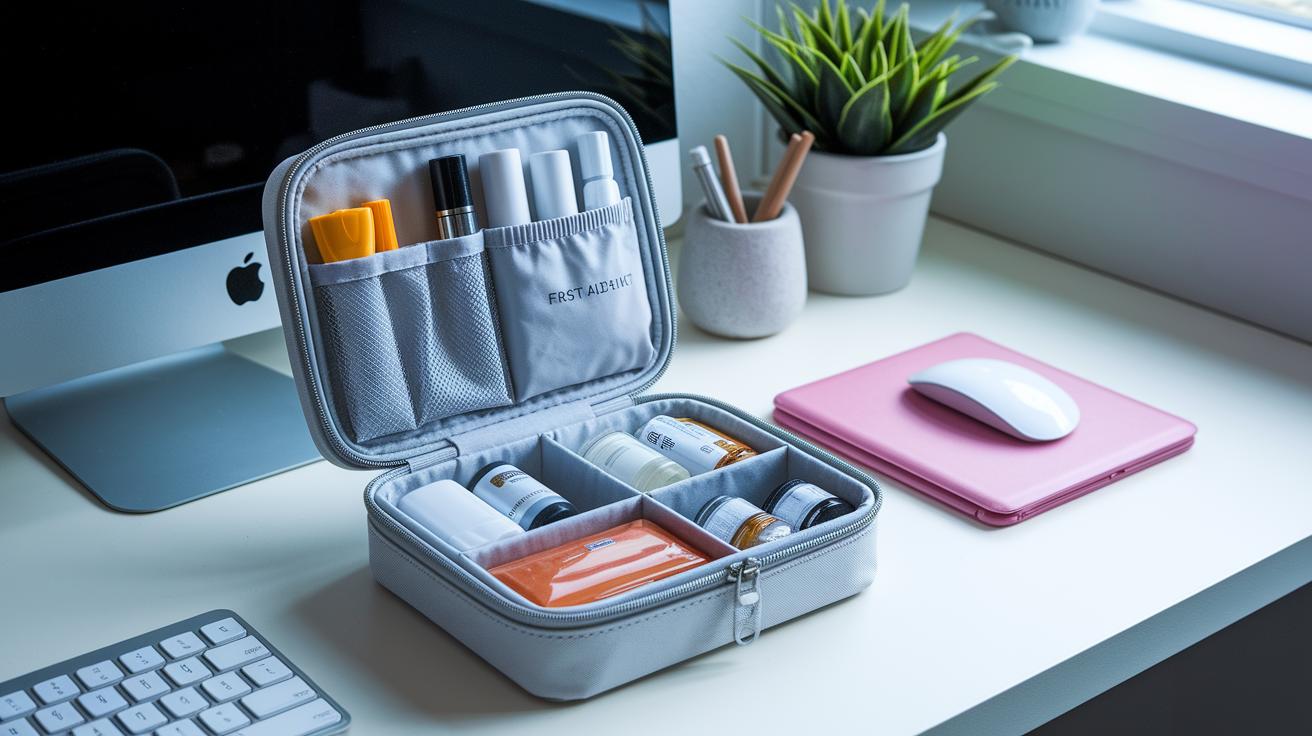
Custom first aid kits give you peace of mind by including only the items you really need. They cut out the extra stuff that weighs down standard kits. Every item is chosen because it has proven its value when it matters most. Users say these kits are strong, compact, and come with thoughtful extras that make them stand out from bulky alternatives.
Key benefits include:
- Tailored Contents: Pick items that fit your daily needs or activities, whether for travel or work mishaps.
- Space Savings: Remove unnecessary gear so your kit stays light and easy to carry.
- Enhanced Organization: Arrange supplies so you can quickly find what you need in an emergency.
- Corporate Branding Options: Add your business logo to create ready-to-use emergency supplies for corporate or community events.
- Scenario-Specific Supplies: Customize your kit to match the situation, ensuring every tool is useful.
- Field-Tested Durability: Rely on supplies that have been proven in real-life situations.
- Optimized Efficiency: Focus on the essentials, avoiding the bulk and extra weight of standard kits.
Essential Components for Your personalized emergency pack
Your emergency kit should start with basic items and grow to suit your needs. It gives you peace of mind and ensures you’re ready when an unexpected event occurs. Remember to pack your personal medications along with a clear list of emergency contacts. If you are preparing a kit for a family-of-four, include 25 different adhesive bandages.
Other essential items are bandages for small cuts, wet wipes for cleaning, hand sanitizer for quick disinfection, first aid cream to soothe wounds, antiseptic wipes for cleaning deeper injuries, ibuprofen to ease pain and fever, and sunscreen to protect your skin outdoors.
Plan your kit in modules. Start with a basic supply set and adjust the amounts based on the number of people using it. For travel or sports, think about how long you need the kit and the chance of injury. You might need extra ibuprofen or more antiseptic wipes in those cases. A modular kit lets you replace used items so that your pack stays light and ready.
Below is a detailed table listing eight essential components and their recommended quantities:
| Item | Quantity | Notes |
|---|---|---|
| Adhesive Bandages | 25 | Assorted sizes for a family-of-four |
| Wet Wipes | 1 pack | For quick cleaning |
| Hand Sanitizer | 1 bottle | Travel size for easy use |
| First Aid Cream | 1 tube | Helps on minor cuts |
| Antiseptic Wipes | 1 pack | For cleaning deeper wounds |
| Ibuprofen | 20 pills | Eases pain and reduces fever |
| Sunscreen | 1 bottle | Keeps skin protected outdoors |
| Emergency Contacts | 1 list | Include local help and doctor info |
Scaling your kit properly helps ensure it fits any situation while keeping you ready and light on your feet.
Budget and Pricing Factors for a custom first aid kit
When you build your custom first aid kit, cost matters. The price depends on the type of bag you choose, how many items you include, and any special branding options you add. A smaller, lightweight bag may cost less and be easier to carry, while a tougher bag might cost more.
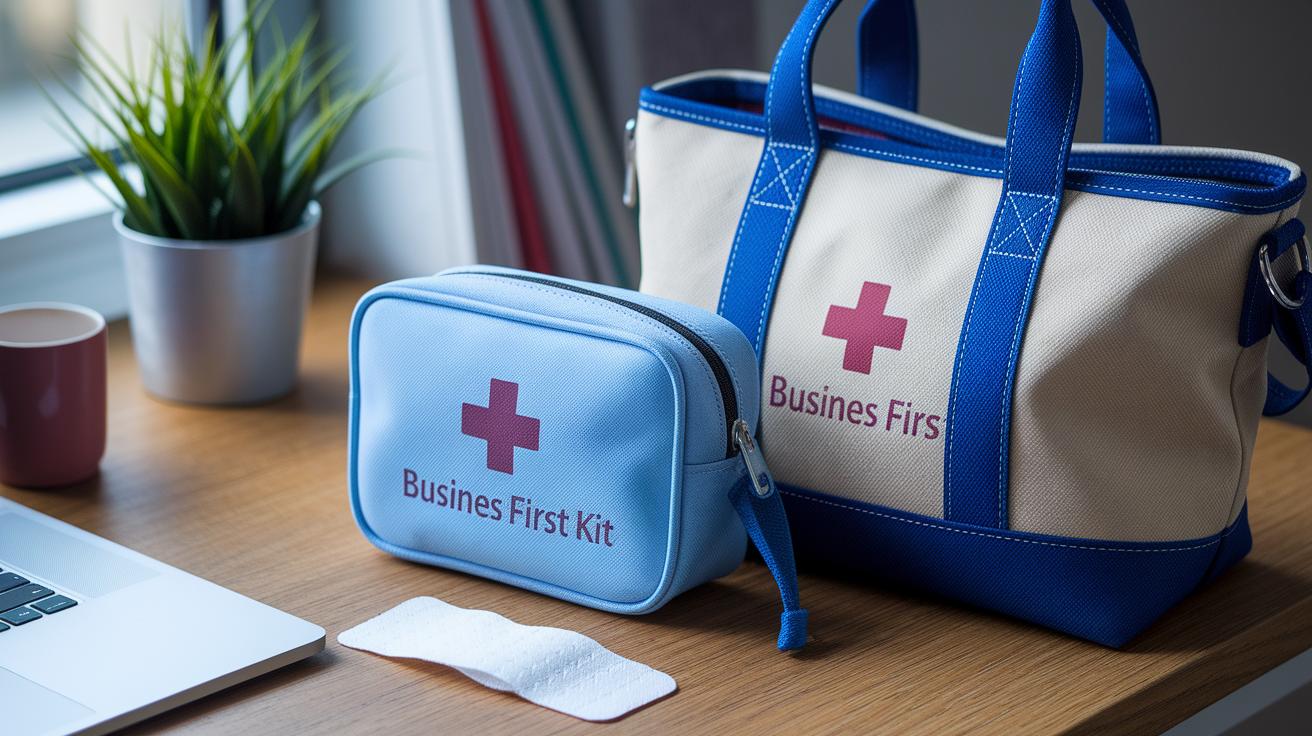
For a business kit, you can add your company logo to items like bandages or hot/cold packs for a more professional look.
Remember, orders over $30 ship free. Smaller kits have a $5 shipping fee. Global tariffs and trade policies can change prices, so your final cost might vary. It’s best to contact the vendor for an accurate quote. This way, you can design a kit that meets your safety needs and budget.
DIY Guide: Build Your Own Custom First Aid Kit from Scratch
-
Choose a sturdy container.
Pick a strong, water-resistant bag or box that can take a few bumps and handle weather changes. Think of it as a secure toolbox for your safety items. -
Select supplies for everyday and outdoor mishaps.
Gather items like adhesive bandages, antiseptic wipes, hand sanitizer, first aid cream, and pain relievers. Match your supplies to common cuts, scrapes, or burns. -
Create a detailed checklist.
List every item you want to include. This helps you keep track of what you have and what you need when it’s time to restock. -
Label sections and organize your kit.
Divide your container into parts like wound care, pain relief, and personal medications. Label one section "Wound Care" so you can quickly get bandages during an emergency. -
Check expiration dates and plan refills.
Regularly inspect your kit for expired supplies and set a schedule to update items. This keeps your kit ready when you need it most. -
Consult with a healthcare provider.
Review your kit with a healthcare provider to ensure it meets your personal health needs, including any specific medications or treatments you might require.
Maintenance and Replenishment of Your custom first aid kit
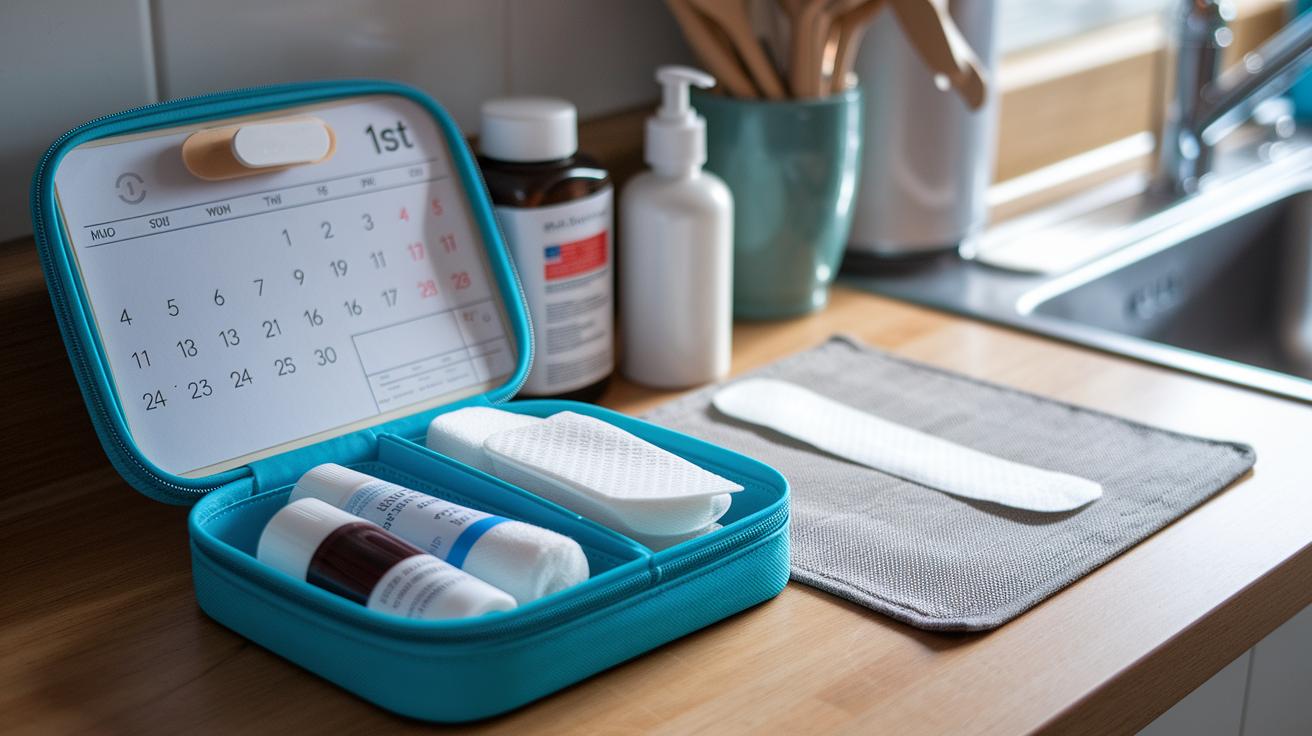
Keep your kit ready for emergencies with a simple monthly check. Each month, inspect your supplies for any damage or items that have expired. Remove anything that’s used or outdated, clean the compartments, and update your emergency contact details.
Follow these steps:
- Set a monthly reminder (for example, “Inspect kit on the 1st of each month”).
- Check supplies like bandages, antiseptic wipes, and pain relievers for damage or expiry.
- Replace single-use items right away.
- Clean and reorganize compartments for quick access.
- Write down any changes, including replacement dates and items that run out often.
This routine from your DIY Guide keeps your first aid kit up-to-date and ready when you need it most.
Branding and Packaging Options for a custom first aid kit
Adding your logo to your first aid kit makes it feel caring and trustworthy. Businesses, schools, and offices can use logos on items like hot/cold packs, bandages, or pouches. This simple change creates a professional look at events like Hospital Week or community gatherings.
Here are some ideas to mix safety with style:
- Print your logo on hot/cold packs.
- Customize bandages with your brand.
- Choose an aid bag design that reflects your company.
- Create a branded trauma response package that looks professional.
Items such as the Sani-Spray Sanitizer Pen and Aqua Pearls™ Hot/Cold Pack show how a printed logo can boost confidence. One reviewer said, "It feels reassuring to know our workplace kit carries our logo." This small detail builds trust and makes a regular kit become a unique resource.
Compliance and Safety Standards for custom first aid kit Design
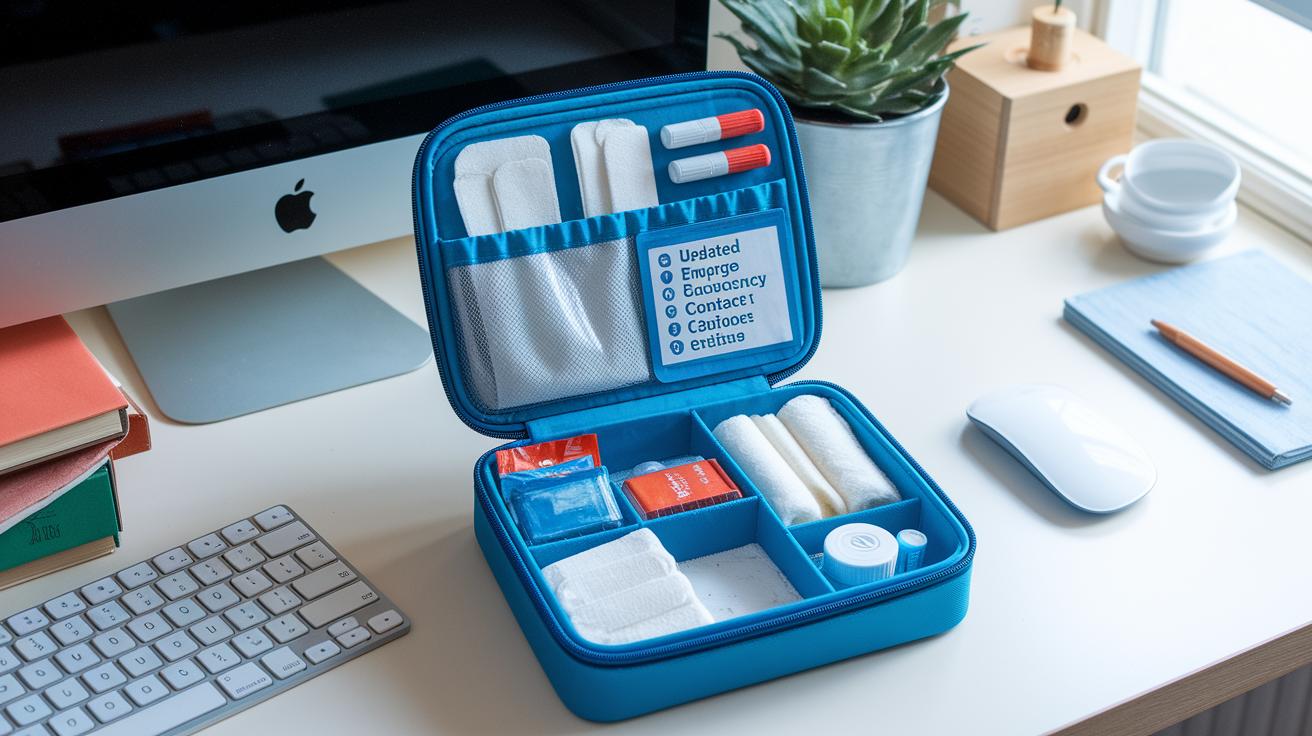
Make sure your kit meets healthcare provider recommendations and workplace standards (ASTM/ANSI). Every item should work well and keep you safe.
Use a kit design that follows local rules. Include must-have items like adhesive bandages, antiseptic wipes (germ cleaners), and pain relievers. Add an updated emergency contact list and local emergency numbers.
Tailor your kit to fit your needs, whether you work in an office, run a school, or enjoy outdoor activities. Check that every item passes quality and safety tests set by your region. Remember to update your kit often by verifying expiration dates and current contacts.
Following these steps helps keep your first aid kit reliable when you need it most, giving you quick care and peace of mind.
Final Words
In the action of creating your kit, you learned how to choose the right bag and fill it with the exact supplies you need. The guide broke down each step, from selecting a base model to DIY assembly, budgeting, and maintenance, to help you stay prepared. It also highlighted the benefits of having a tailored kit that saves space and matches your specific situation. Taking these steps means you’re ready to handle emergencies confidently with your custom first aid kit. Stay safe and prepared.
FAQ
How can I add a custom logo to my first aid kit?
The custom logo feature lets you personalize your first aid kit for corporate branding or events. It adds a professional touch and makes your kit easily recognizable.
How do I build my own first aid kit or kit bag?
Building your own first aid kit means selecting a base bag and tailoring its contents to your needs. This method creates a compact, organized kit perfect for home, travel, or sports emergencies.
What is the best first aid kit for survival situations?
The ideal first aid kit for survival includes durable, field-tested supplies. It is designed to cover common injuries and ensure you are prepared for emergencies in outdoor or rugged conditions.
What are the best military first aid kit options and their contents?
The best military first aid kits are compact and rugged, featuring essentials like bandages, tourniquets, and disinfectants. They are built to meet rapid response needs during critical field situations.
What is the best first aid kit for home use?
The best first aid kit for home is organized, compact, and stocked with key items such as adhesive bandages, antiseptic wipes, and pain relievers to handle everyday emergencies efficiently.
What features make a first aid kit with a tourniquet beneficial?
A first aid kit with a tourniquet includes this critical tool alongside essential supplies, boosting its ability to manage severe bleeding emergencies promptly when time is of the essence.