
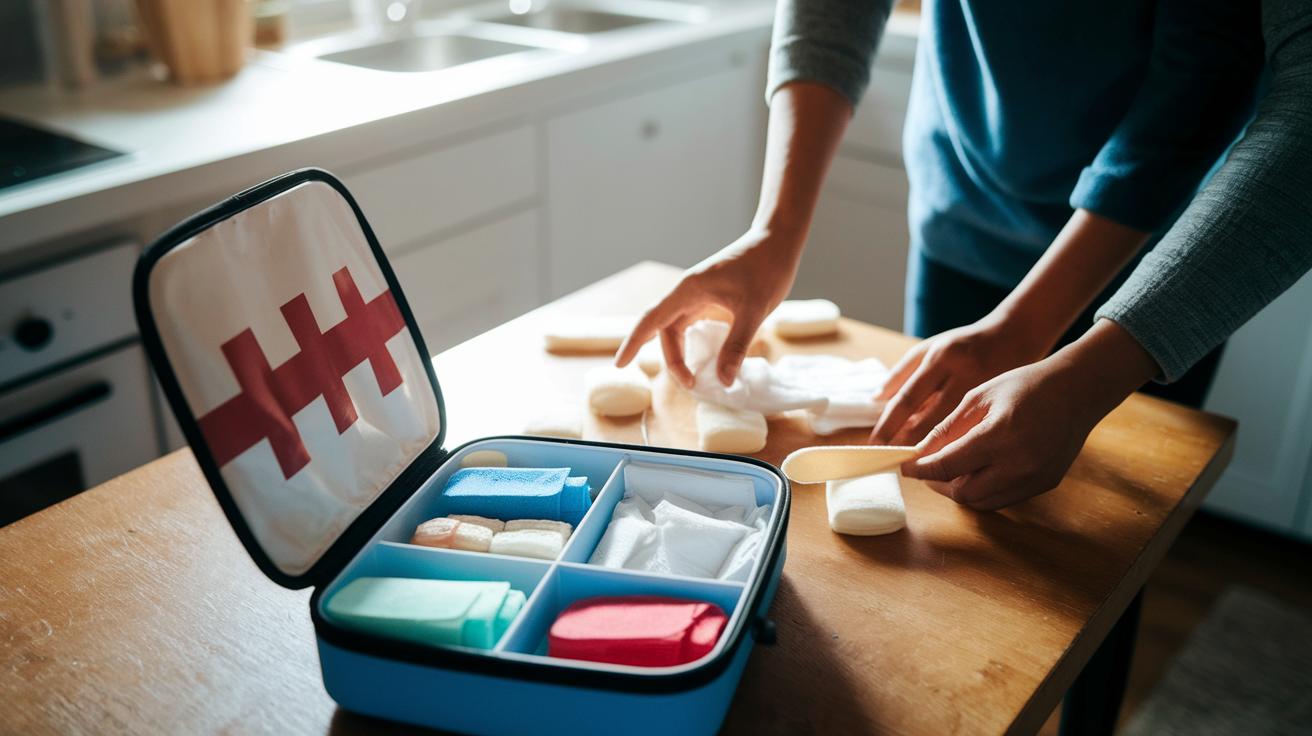

Quick take: A basic first aid kit lets you treat minor injuries fast and safely.
If you have any severe bleeding, deep burns, or injuries near your head or eyes, call emergency services immediately. If the injury worsens or you feel unsure, seek care today. For simple cuts, scrapes, or small burns, clean the area and cover it with a bandage.
Have you ever thought about how having a first aid kit can change the way you handle accidents? A first aid kit is much more than a box of supplies. It is a ready tool that helps you act quickly when you get a cut, scrape, or burn. With the right equipment close by, at home, in your car, or when you’re out, you can treat injuries promptly and lower the chance of things getting worse. Being prepared with first aid gear gives you peace of mind, so you’re ready to take action when an emergency happens.
First Aid Equipment Boosts Your Peace of Mind
A ready first aid kit helps you treat injuries fast and safely. When you have the right supplies close by, you can quickly handle cuts, scrapes, and bruises, lowering the chance of infections or further harm. Whether you're at home, on the road, or enjoying the outdoors, being prepared can make all the difference.
A good kit has the basic tools you need during everyday emergencies. It includes items to help stop bleeding, ease pain, and keep both you and someone hurt safe from germs. With these essentials, you can act swiftly and reduce problems during an emergency.
- Gauze pads to clean wounds and soak up blood
- Adhesive bandages for small cuts and scrapes
- Antiseptic wipes to disinfect injuries right away
- Adhesive tape to secure dressings
- Nitrile gloves (non-latex) to keep things clean
- Basic pain relievers like ibuprofen
- Cold pack wrapped in a towel to ease swelling
- Scissors to trim tape or dressings when needed
- Tweezers to pull out debris from a wound
- Burn dressing to cover and soothe minor burns
- Compression bandage to control bleeding and swelling
- Printed first aid instructions to guide you through emergencies
Sort your supplies by common injury types and store them in clear, easy-to-access compartments. Check expiration dates regularly and replace items that are used up or outdated to keep your kit ready when you need it most.
Assembling First Aid Equipment Kits: DIY vs. Pre-Made Solutions
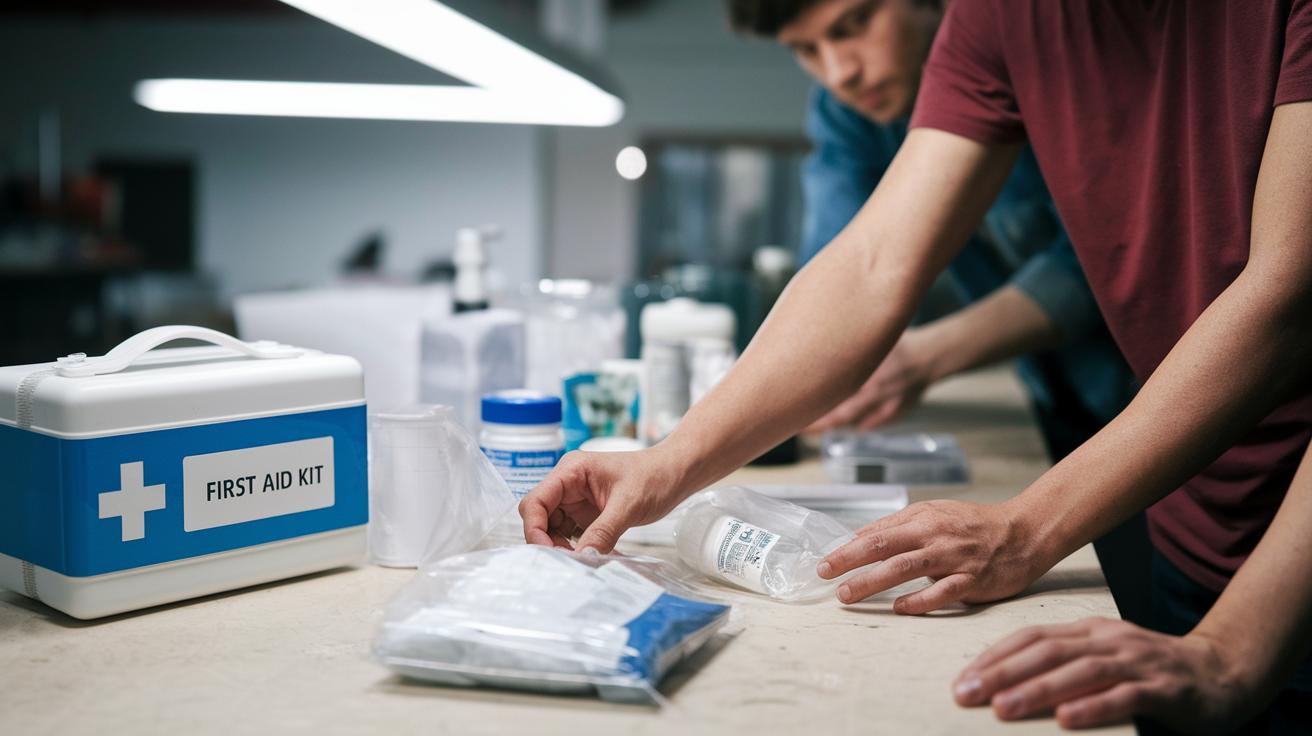
Be ready for emergencies with the right first aid kit. You have two choices. You can use a ready-made kit that comes complete with tested supplies for quick care, or build your own kit that fits your daily activities and budget. Ready-made kits offer fast use with trusted, certified items when every second counts. Making your own kit lets you choose exactly what you need, whether it is a small kit for cycling or a larger one for home care. This way, you spend on what is important to you without extra costs.
| Comparison | Pre-Made Kits | DIY Kits |
|---|---|---|
| Certification | Contain certified trauma supplies | Depends on what you choose |
| Cost | Usually higher cost | Can be more cost-friendly |
| Readiness | Ready to use immediately | Might need extra assembly time |
| Customization | Fixed items; less flexible | Easily tailored to your needs |
Your choice depends on what matters most to you. If you need a kit that is immediately ready with checked supplies, go with a pre-made kit. If you want a kit that matches your own activities and concerns, a DIY option is a smart, cost-effective plan. Either way, you can trust that the kit will have the basic supplies you need when emergencies arise.
Travel and Outdoor First Aid Equipment for Safe Adventures
Quick take: A small, sturdy first aid kit can make all the difference when you’re far from help.
When you head into the great outdoors, your kit should be both compact and complete. It must fit into your backpack while carrying the key items you might need in an emergency. Choose a kit that is built to last through bad weather and rough treatment. This way, you can trust it to be ready when you need to treat scrapes, cuts, or more serious injuries.
Imagine a camper in the Thousand Islands who accidentally cuts his finger while filleting fish. With help at least 25 minutes away, having a reliable travel kit was crucial. Essential items like nitrile gloves (disposable hand covers) and antiseptic (germ-killing liquid) helped control the bleeding. By applying direct pressure and raising the injured finger, he bought time until medical help arrived.
Before you set off, pack your travel injury kit with these basics:
- Stop bleeding supplies
- Pain relief items
- Protective gear against infection
Keep your kit easy to reach and check it regularly to ensure everything is in good condition. Being well-prepared helps you act quickly in an emergency, giving you confidence to enjoy every outdoor adventure safely.
Automotive Emergency Cases: First Aid Equipment for Your Vehicle
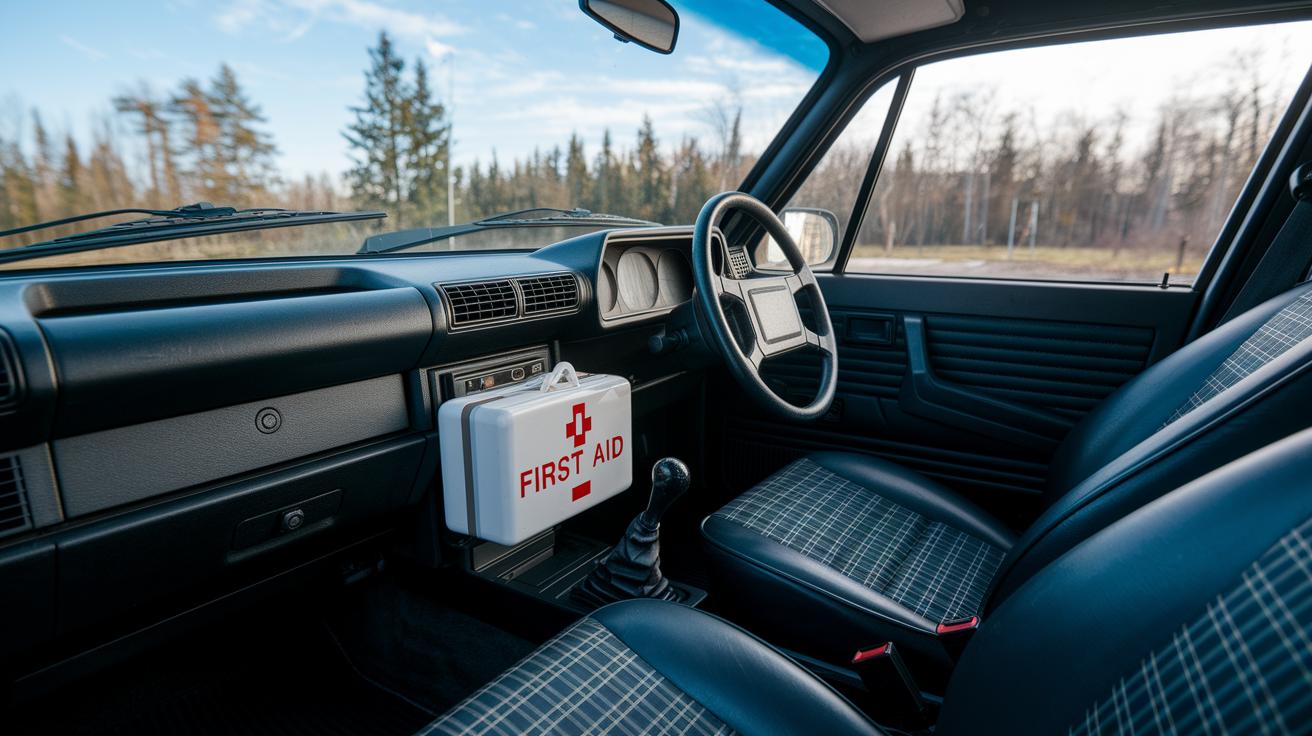
Quick Take: Keep a ready, well-stocked first aid kit in your car so you can act fast when emergencies happen.
If you have any life-threatening issues during an incident, call emergency services immediately. For less severe injuries, use your car’s first aid kit and then follow up with a clinician if needed.
Here’s how to be prepared:
• Locate a spot where your kit stays secure yet is within easy reach. Good places include the glove compartment, center console, or a fixed area in the trunk.
• Fill your kit with essential supplies. Use adhesive bandages, gauze pads (for bleeding control), and nitrile gloves (to avoid contamination). If you can, add small trauma supplies.
• Include antiseptic wipes, adhesive tape, and pain relievers. Tools like tweezers and scissors help fix small issues until help arrives.
• Label your container clearly. Secure it with straps or mounts so it doesn’t shift when you brake suddenly.
• Check your kit regularly. Look for expired medications or damaged items and replace them as needed.
By keeping your first aid kit organized and ready, you can address minor scrapes or more serious injuries quickly and safely on the road.
Personal Protective and Accessory First Aid Equipment
Keep the right safety gear in your first aid kit. Wear non-latex gloves, like nitrile, to stop germs from spreading and to protect both you and the injured person. Good gloves let you treat wounds safely without cross-contamination. Face masks and safety glasses add extra protection from hidden hazards. This gear keeps your care clean and helps you avoid more problems during an emergency. Using quality protective equipment shows you care about your own health and that of others.
Accessory tools also boost your kit’s readiness. Tweezers can help remove splinters, while scissors let you trim dressings when needed. A digital thermometer checks for fever quickly and guides your next steps during an illness. Adding these basic tools means your first aid kit is not just about blocking germs, it’s prepared for many situations. Each well-chosen item makes your kit a more flexible resource and strengthens your safety when emergencies arise.
First Aid Equipment Maintenance: Checklists and Storage
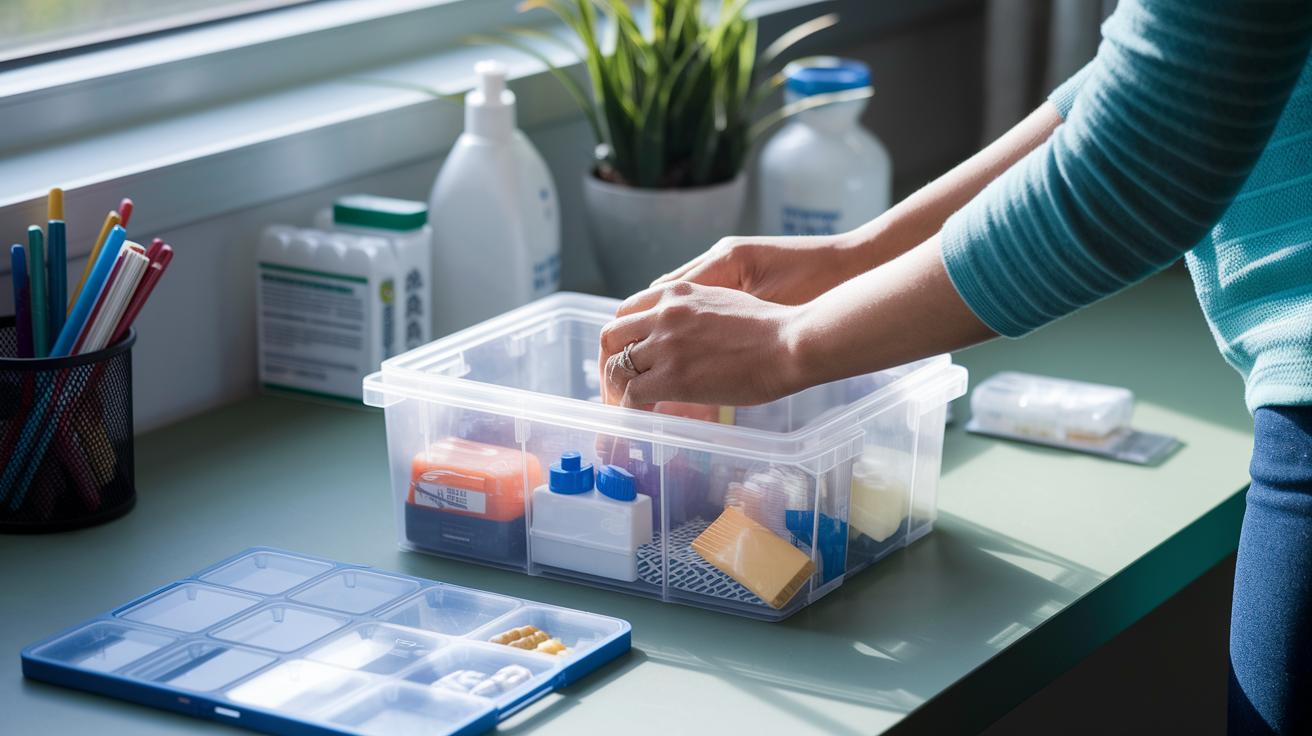
Keeping your first aid kit ready can make all the difference in an emergency. Check your supplies every few months, especially after heavy use or during extreme weather conditions. Regular checks help you spot expired items, damaged packaging, or any parts of the kit that may have been compromised. Store your first aid supplies in a cool, dry place away from direct sunlight and moisture to keep them effective when you need them most.
Organize your kit for quick access during a crisis. Use clear compartments and label each section so you can easily find what you need. Follow these steps to keep your first aid kit in top shape:
- Review expiration dates on medications and dressings.
- Inspect packaging for any tears or signs of moisture damage.
- Replace used or worn-out items right away.
- Ensure that all labels and instructions are clear and legible.
- Test any electronic or special equipment to confirm it’s working.
- Make sure all supplies are securely stored and easy to reach.
Final Words
In the action, we reviewed first aid equipment and kit components that can help you tackle unexpected emergencies quickly. The article broke down essential items, kit types, travel and automotive setups, personal protective gear, and maintenance tips.
We also outlined key steps for using your supplies during bleeding control, sprains, burns, and more. Each section provides clear steps to help you stay calm and act safely. Keep building your kit and knowing what to do, a prepared kit makes a big difference.
FAQ
Frequently Asked Questions
What is included in a typical first aid supplies list?
A typical first aid supplies list includes gauze pads, adhesive bandages, antiseptic wipes, adhesive tape, nitrile gloves, scissors, and tweezers to help manage common minor injuries.
Where can I find wholesale first aid supplies distributors?
Wholesale first aid supplies distributors can be found online through medical supply companies and local distributors that offer bulk pricing for organizations and institutions.
How can I purchase bulk first aid kits cheaply?
Purchasing bulk first aid kits at a low cost is possible through online medical supply retailers or wholesalers who offer discounts for large orders, meeting the needs of events or organizations.
What online options exist for buying first aid supplies in bulk?
Many online retailers and dedicated supply websites offer bulk first aid supplies with competitive pricing, detailed product listings, and customer reviews to ensure quality products.
Where can I locate first responder supplies near me?
First responder supplies are available at local medical supply stores, specialized emergency rescue outlets, and sometimes at large hardware retailers that stock trauma and emergency gear.
What common refill supplies should be kept for first aid kits?
Common first aid refill supplies include extra bandages, gloves, antiseptic wipes, gauze pads, and adhesive tape to keep your kit prepared for recurring minor injuries.
What ten essential items should be in a first aid kit?
A first aid kit should include adhesive bandages, gauze pads, antiseptic wipes, adhesive tape, nitrile gloves, scissors, tweezers, a first aid manual, pain relievers, and ointment.
What equipment is typically used in first aid?
First aid typically uses equipment such as bandages, gauze, antiseptics, nitrile gloves, scissors, and tweezers to control bleeding, clean wounds, and manage minor injuries.
What are the twenty items recommended for a complete first aid box?
A complete first aid box may include various sizes of bandages, gauze pads, adhesive tape, antiseptics, gloves, scissors, tweezers, pain relievers, burn dressings, cold packs, and other items to cover a wide range of emergencies.
Where can I get free first aid kits?
Free first aid kits might be available through community health centers, local fire departments, or public health outreach programs that provide basic emergency supplies at no cost.