

Quick take: Most small skin bumps are not serious.
If you notice any of these signs, call or see a healthcare provider:
• Bumps that grow rapidly or change color
• New pain, swelling, or itching around the bumps
Sometimes, you might see little clusters of bumps on your skin and wonder if something is wrong. In many cases, these groups of bumps stay the same and are harmless. This article explains the signs that point to non-dangerous skin bumps. You’ll learn what changes to watch for and when it’s best to talk to your doctor. Keep a note of any changes so you can discuss them during your next visit.
Cluster of Bumps on Skin: Reassuring Signs
Quick Take: These clusters of skin bumps are usually stable and not worrisome.
If you see any of these warning signs, seek care right away:
- Bumps that change quickly in size or color.
- New, severe pain or discomfort.
- Rapid spreading of the bumps.
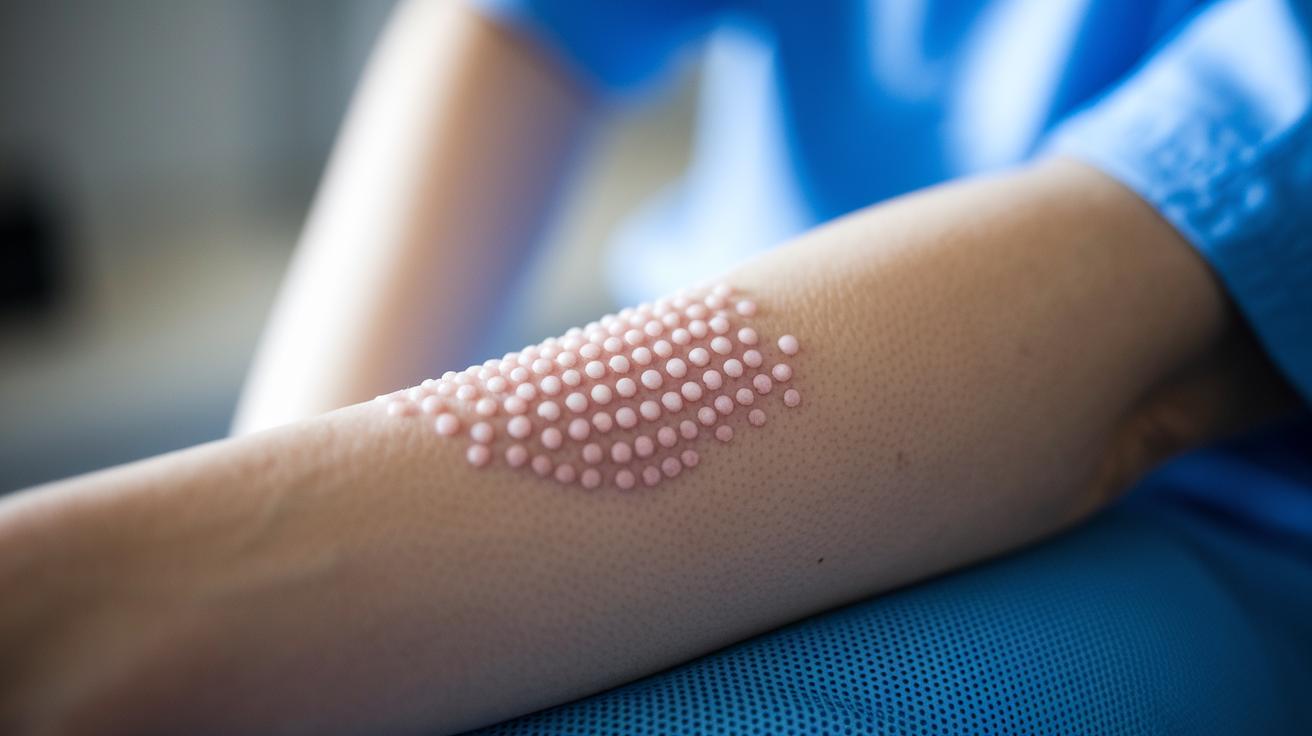
You might notice small groups of raised spots on your face, neck, trunk, or limbs. They can be tiny bumps (papules, small raised spots) or larger lumps (nodules, solid bumps) that come in various sizes and textures. Most of the time, these clusters do not hurt or itch. Sometimes you may feel a little tenderness or a mild itch, but if they stay the same over time, that is usually a good sign.
Here are the key features to watch for:
| Feature | Description |
|---|---|
| Size | Range from a few millimeters to centimeters |
| Color | Skin-toned or red |
| Distribution | Localized to one area or spread over a specific region |
| Texture | Can feel soft or firm |
| Symptoms | Usually painless, sometimes a bit itchy or tender |
Keep an eye on these features. If you notice any new changes or if the bumps start to vary in size, color, or texture, jot down what you see and discuss it with your healthcare provider.
Common Causes of Clustered Skin Bumps

Quick take: Clusters of skin bumps usually come in three types. They might be harmless, caused by irritation or infection, or rarely, signal something more serious.
Benign Clusters
These bumps are not cancer and rarely cause discomfort. Sebaceous cysts appear as round bumps with a small dent in the middle. Lipomas feel soft and move easily because they are made of fat. Dermatofibromas are firm nodules that may dimple if you pinch them. Skin tags are soft and usually blend with your skin.
Inflammatory and Infectious Clusters
Sometimes, your skin bumps result from irritation or infection. Keratosis pilaris (often called chicken skin) makes rough, red bumps on the upper arms or thighs because of a buildup of keratin (a skin protein). Folliculitis causes hair follicles to get inflamed, leading to itchy, sometimes pus-filled bumps. Boils and abscesses are painful, red bumps caused by a bacterial infection.
Malignant Clusters
A few clusters require careful review by a doctor. Basal cell carcinoma often shows as a pearly bump with tiny visible blood vessels on skin exposed to the sun. Squamous cell carcinoma makes a firm red bump that may develop a sore. Melanoma can create irregular, multicolored, or raised bumps that might bleed. It’s important to get these checked early.
| Condition | Category | Key Features |
|---|---|---|
| Sebaceous cyst | Benign | Round bump with a center dent |
| Lipoma | Benign | Soft, mobile fatty bump |
| Keratosis pilaris | Inflammatory | Rough, red bumps on arms or thighs |
| Folliculitis | Infectious | Itchy, pus-filled bumps around hair follicles |
| Basal cell carcinoma | Malignant | Pearly bump with visible blood vessels |
| Melanoma | Malignant | Irregular, multicolored, raised lesion |
How Healthcare Providers Diagnose Clusters of Bumps on Skin
Quick take: Your provider checks your history and examines your skin to understand what is causing the bumps.
If you have any of these emergency signs, call emergency services now:
- Severe pain or swelling
- A sudden increase in the number of bumps
- Fever or chills
- Trouble breathing
Your provider will start by asking simple questions. They ask when you first saw the bumps, how long they have been there, and if you feel any other symptoms. This helps them narrow down the cause.
They then perform a careful skin check by looking closely and gently touching the bumps.
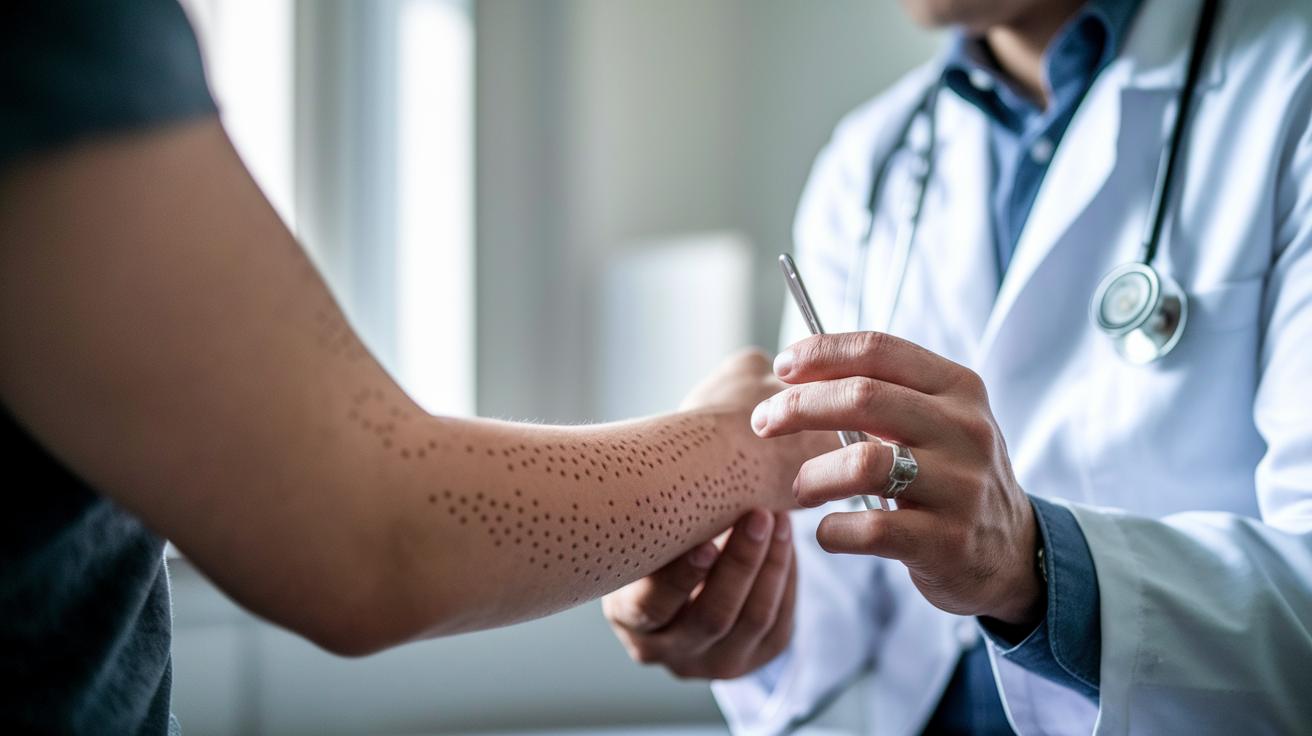
Sometimes, a special tool called a dermatoscope (a magnifier for skin) is used to examine fine details. They might also order an ultrasound (a safe imaging test) to see beneath the surface of your skin.
To be sure of what is happening, they may take a small sample of your skin (a biopsy) for laboratory analysis.
If an infection is a concern, they could order lab tests such as cultures to pinpoint the cause.
This clear, step-by-step process helps your provider decide if the bumps are harmless or if they need further treatment, ensuring you get the right care as soon as possible.
When a Cluster of Bumps on Skin Signals Urgent Care
Quick take: Rapid changes in your skin bumps can signal a serious problem.
Triage:
- If you notice bumps growing quickly.
- If any bump starts bleeding or develops an open sore.
- If the color or shape of a bump suddenly changes.
- If a bump feels hard or does not move when you press it.
- If the area becomes very painful or tender.
- If you develop a fever or feel generally unwell.
Each of these signs means you should call your healthcare provider immediately.
A group of bumps that changes fast might be more than just normal skin variation. When you see signs like rapid growth, bleeding, or unusual changes in shape or color, it could mean your skin cells are acting differently. Also, bumps that don’t move easily or feel rough compared to before are clues that you need further evaluation.
If severe pain or tenderness develops, that is another warning to take action. Bumps paired with symptoms like fever or a general feeling of being sick suggest that your body may be fighting something more serious. Changes like these call for a prompt review by a medical professional.
Don’t delay if you see any of these changes. It’s important to get checked early, especially since conditions like squamous cell carcinoma (a type of skin cancer) are easier to treat when caught sooner.
Home Care, Treatment, and Prevention for Clusters of Bumps on Skin
Quick take: Most skin bumps can be managed safely at home with gentle care.
If you have any of these emergency signs, call emergency services now:
• Fever above 102 F
• Severe pain or rapid spreading redness
• Intense swelling or signs of a serious infection
Otherwise, follow these steps at home:
• Gently wash your skin with mild soap and lukewarm water to keep it clean and prevent infection.
• Avoid scratching or squeezing the bumps to reduce the chance of scarring and spreading germs.
• Apply a warm, damp cloth to help ease swelling and irritation.
• Over-the-counter treatments can help with mild discomfort.
• Keep an eye on the bumps for any changes in size, color, or pain.
• Use products that match your skin type.
| Treatment | Use | Precautions |
|---|---|---|
| Warm compresses | Help reduce swelling and calm irritated skin | Use moderate warmth and keep sessions short |
| OTC salicylic acid | Clear clogged pores for mild breakouts | Follow the product directions; it may dry out skin |
| Topical antibiotic ointment | Treat small areas that may look infected | Test on a small patch first and use sparingly |
| Gentle exfoliation | Remove dead skin cells and clear pores | Avoid harsh scrubs; use only a little at a time |
| Moisturizer with ceramides | Restore the skin barrier and ease dryness | Choose fragrance-free formulas and test on a small area |
By using these careful treatments and monitoring your symptoms, you can manage minor skin bumps effectively. Write down any changes in size, color, or discomfort to help decide if you need to see a healthcare provider. These simple home steps offer you clear, safe strategies to support your skin’s healing and overall health.
Cluster of Bumps on Scalp and Face: Specific Insights
Quick Take: These small clusters usually come from common skin conditions. Watch for worsening pain or spreading redness and get help if needed.
Triage Box:
• Call emergency services now if you notice severe pain, high fever, or rapid spread of swelling.
• Seek same-day care if the bumps become very painful or inflamed.
• Otherwise, use gentle care and monitor your symptoms.
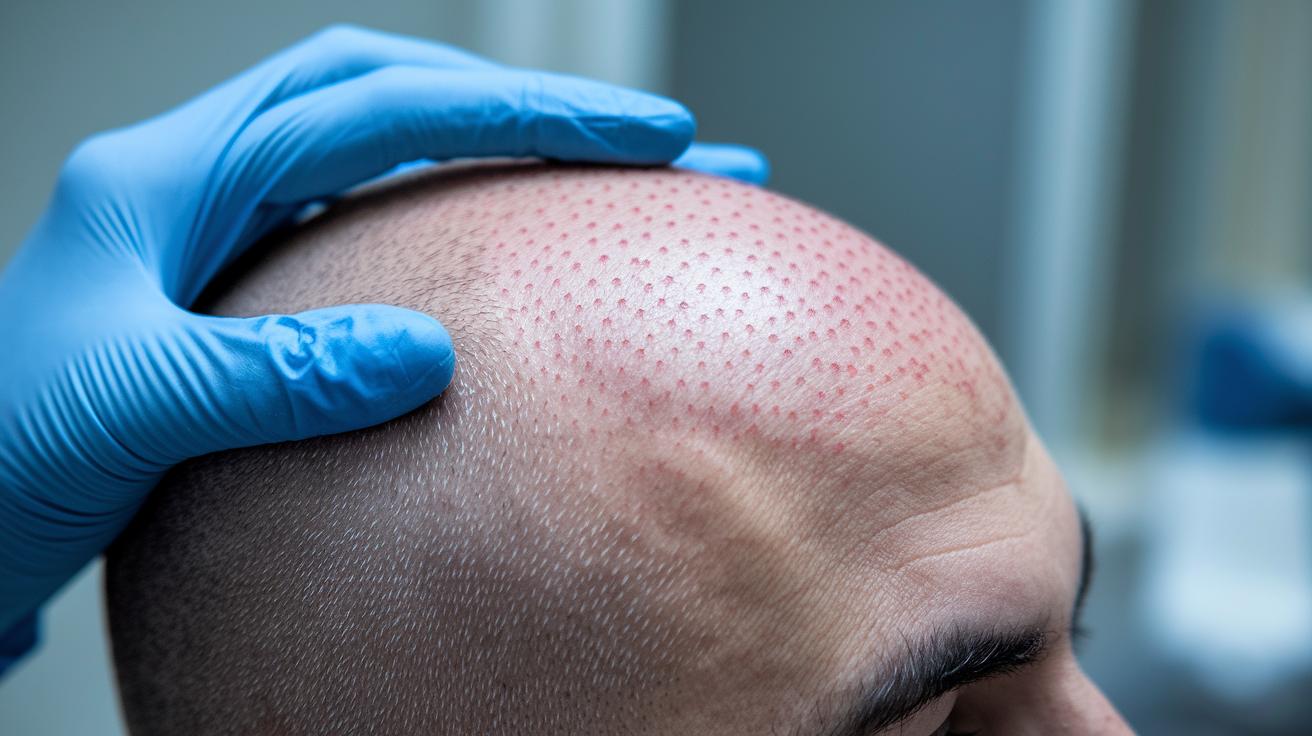
On your scalp, you might see small, grouped bumps. They can look like tiny red spots or pimple-like bumps. These could come from hair follicle inflammation (folliculitis), blocked oil glands (sebaceous cysts), or psoriasis on the scalp. The bumps may feel tender or be a bit itchy. Try washing gently with a mild shampoo and avoid harsh products. If you notice more pain, redness, or swelling, check with a healthcare provider.
On your face, you might find little red bumps around the mouth and nose. They could be signs of perioral dermatitis (skin irritation around the mouth), acne, or mild rosacea. Stress or strong skincare products can make these bumps flare up. Use gentle, non-comedogenic products and steer clear of known irritants. Keep an eye on your skin, and if the bumps worsen, reach out to your doctor.
Final Words
In the action, we've covered how to recognize a cluster of bumps on skin, what causes them, and how healthcare providers diagnose them. We discussed red flags that signal when prompt care is needed and provided clear home care tips and treatment options.
Keep a close eye on changes and track any new bumps. Taking these practical steps can help guide your next move and support a productive conversation with your healthcare provider. Stay safe and take care.
FAQ
Q: Small bumps on skin not itchy
A: The description of small bumps on skin that are not itchy typically points to benign skin changes like milia or closed comedones. These bumps usually do not require treatment unless other symptoms are present.
Q: Tiny colorless itchy bumps on skin
A: The tiny, colorless, and itchy bumps on skin often indicate a mild allergic reaction or irritation. They can result from contact with irritants or allergens and may improve with simple home care.
Q: Bumps on skin pictures
A: Bumps on skin pictures serve as visual guides that help distinguish various skin conditions. They show differences in size, shape, color, and texture, aiding both in self-assessment and when discussing concerns with a clinician.
Q: Small itchy cluster of bumps on skin
A: The appearance of a small, itchy cluster of bumps on skin can signal conditions like folliculitis or contact dermatitis. These clusters may benefit from gentle cleansing and over-the-counter treatments, with further evaluation if they worsen.
Q: Raised skin bumps
A: Raised skin bumps often suggest benign skin conditions such as skin tags or cysts, though they can also arise from inflammatory issues. It is useful to monitor these bumps for any changes in size or color.
Q: Types of bumps on skin
A: The types of bumps on skin vary widely and can include benign cysts, acne lesions, folliculitis, and milia. Each type differs in size, texture, and color, so noting their features helps guide when to seek further evaluation.
Q: Skin bumps on body
A: Skin bumps on the body can occur almost anywhere and may be the result of benign growths, inflammation, or minor infections. Observing their pattern and any associated symptoms helps in deciding if medical advice is needed.
Q: Round raised bump on skin
A: A round raised bump on the skin often indicates a benign area such as a skin tag or cyst. These bumps are usually harmless but should be checked by a clinician if they change in appearance or cause discomfort.
Q: What bumps come in clusters?
A: Bumps that come in clusters typically refer to grouped papules or nodules, which can be seen in conditions like folliculitis, keratosis pilaris, or acne. Their clustered pattern aids in identifying the underlying cause.
Q: Is keratosis pilaris a STD?
A: Keratosis pilaris is not a sexually transmitted disease. It is a common benign skin condition caused by a buildup of keratin around hair follicles and does not spread through sexual contact.
Q: What is a small cluster of bumps that don’t itch?
A: A small cluster of bumps that do not itch might be due to benign skin changes like milia or closed comedones. These bumps typically do not cause discomfort, though it is wise to monitor them for any changes.
Q: What is a rash that comes in clusters?
A: A rash that comes in clusters can result from several conditions, including shingles, contact dermatitis, or folliculitis. Its clustered appearance calls for a careful evaluation to determine the best treatment approach.