


Quick take: Rough, bumpy skin can mean your skin is busy and may need a little extra care.
Have you ever wondered if your skin’s rough, bumpy feel might be a sign of something more? It might seem like a small annoyance, but those little bumps show that your skin is working hard, even if it feels uneven. In this article, we explain why these bumps appear and how a simple skincare routine can help smooth your skin. We break down the common causes and share easy tips so you can take care of your skin and feel confident in your natural beauty.
Understanding Rough Bumpy Skin
Quick take: Rough bumpy skin is usually harmless but can be annoying if it worsens.
Triage Box:
- Call emergency services now if you notice severe redness, swelling, or warmth.
- Seek same-day care if the bumps become very painful or change in color.
- Watch and self-manage if the bumps stay the same, try a gentle skincare routine and monitor for changes.
Rough, bumpy skin is most often caused by keratosis pilaris, a condition where extra keratin (a protein found in your skin) blocks hair follicles. This builds up into tiny, raised spots that feel uneven, much like a row of tender goosebumps. The bumps are usually white or flesh-colored with a soft pink border and appear mainly on your arms, thighs, or cheeks. For example, you might have noticed these bumps after a cold winter day when the low humidity makes them more prominent.
These changes in your skin might seem more noticeable during dry, cold weather, though some people see them throughout the year. The uneven skin texture happens when your skin does not shed old cells quickly enough. The little, itchy bumps simply show that extra keratin is building up. Using a gentle cleanser, moisturizing regularly, and lightly exfoliating your skin can help smooth out the texture. For instance, applying a mild lotion after a bath helps lock in moisture and can reduce the appearance of these bumps.
Causes Behind Rough Bumpy Skin
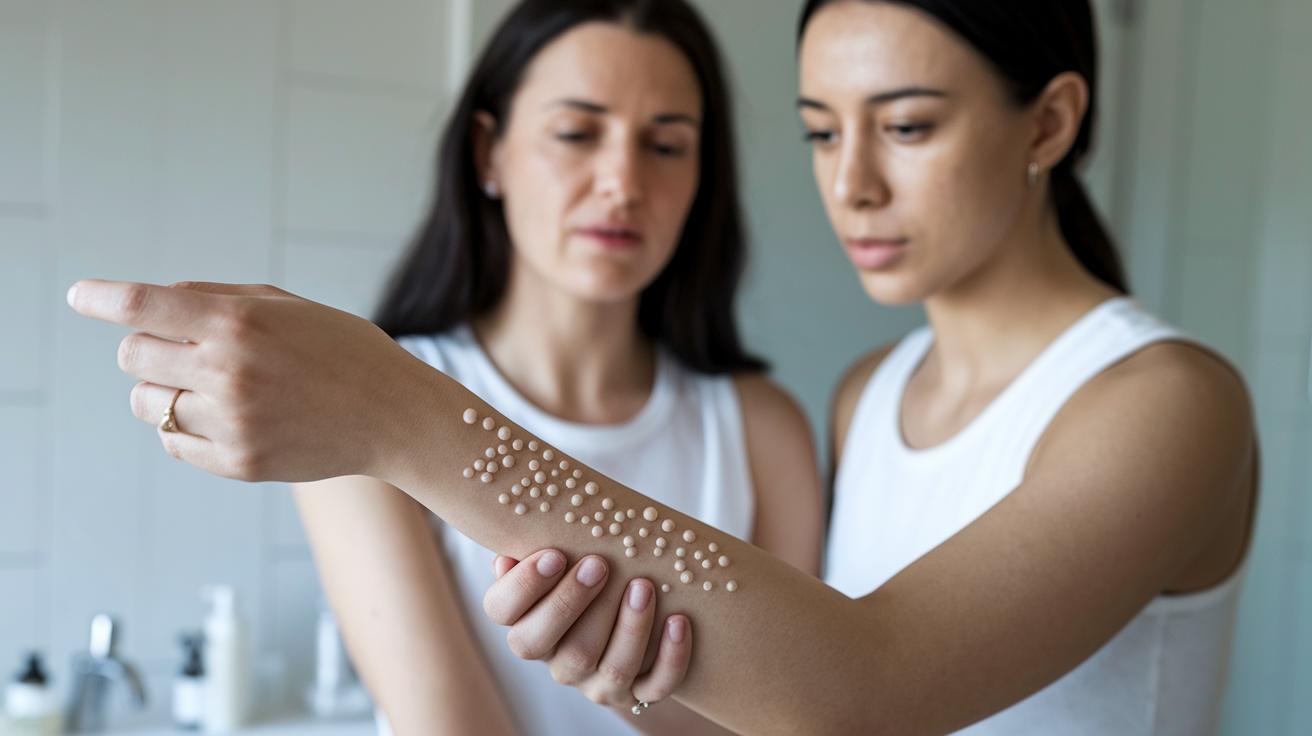
Too much of a protein called keratin (a natural protector for your skin) can block your hair follicles and cause small bumps, a condition known as keratosis pilaris. Dry skin makes matters worse by causing dead cells to pile up, leading to rough, scaly patches. For example, in winter when the air is dry, low humidity can leave your skin feeling extra coarse.
Your genetics also play a role. If your parents have a similar skin texture, you may notice these bumps as you grow older. With age, your skin makes less oil, which means less natural moisture. This lack of moisture makes it easier for keratin to build up and dead cells to stick around, giving your skin that rough feeling.
Everyday factors add to these issues. Irritants like pollution and chemicals can worsen the bumps. Using harsh soaps or cleansers with strong detergents can strip your skin of its natural oils, leading to more dryness and irritation. Over time, frequent exposure to these elements can make your skin less resilient and more likely to develop bumps.
Diagnosing Rough Bumpy Skin Conditions
Quick take: Most rough bumpy skin changes are not emergencies; they usually come from common skin conditions.
If you have any of these signs, call emergency services now:
- Intense pain, swelling, or warmth around the bumps
- Signs of infection like pus, high fever, or rapid redness
- A sudden increase in the size or number of bumps
If your symptoms worsen or new signs appear, seek same-day care. For mild cases, keep an eye on your skin and use gentle self-care.
When you see raised, bumpy areas that feel like goosebumps and may itch or show light redness, your dermatologist typically starts with a simple visual check. They look at how the bumps are arranged and where they appear. Often, you might notice them on your arms or legs, looking like a row of tiny spots that can vary in color. Your doctor will ask how long you have seen these changes, if the bumps worsen in cold weather, or if you’ve started using any new skin products. This helps rule out conditions such as keratosis pilaris, eczema, folliculitis (hair follicle inflammation), acne, or dry skin (xerosis).
A careful check is key to giving you the proper advice. Your doctor compares the look of the bumps with other similar skin issues, relying on your story and where the bumps are found. Usually, no extra tests or a biopsy are needed unless the bumps look unusual. This approach is quick, safe, and helps pinpoint what is causing your rough, bumpy skin.
Top Over-the-Counter Treatments for Rough Bumpy Skin
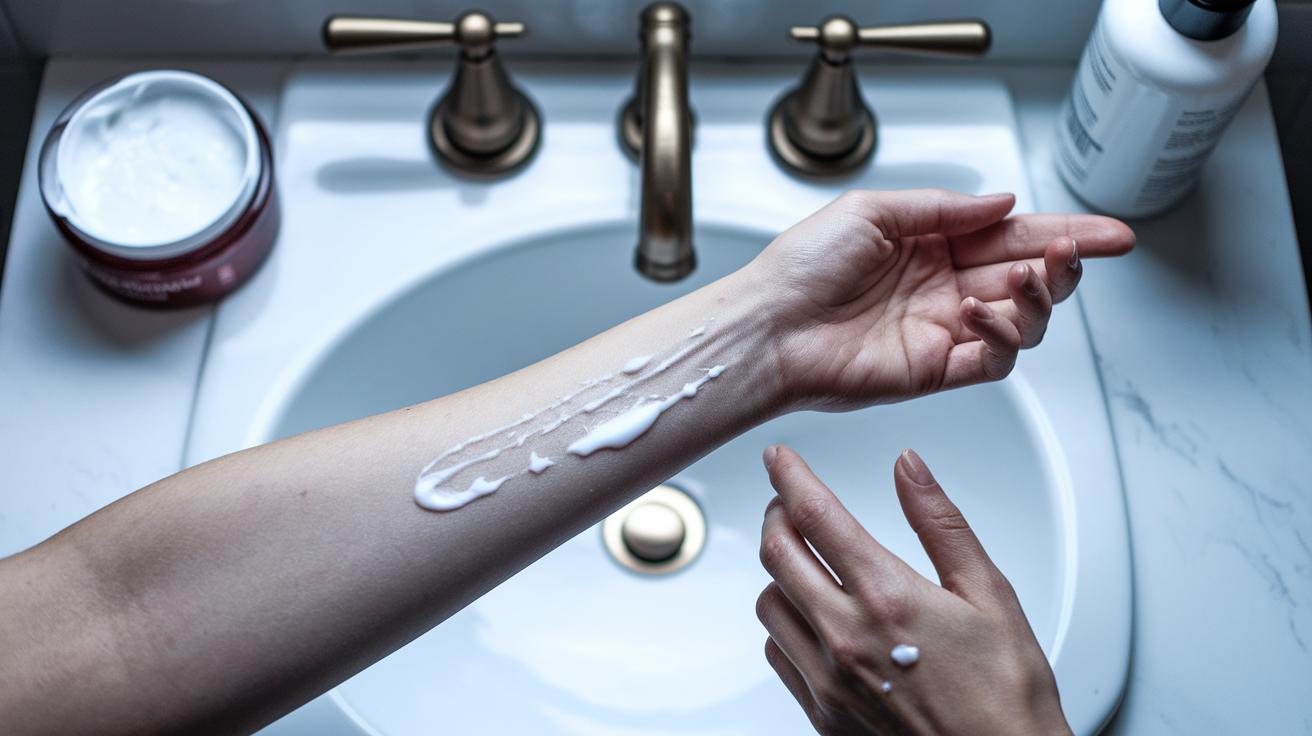
Quick Take: OTC products can smooth bumpy skin with simple, daily care.
Triage: If you notice severe swelling, intense redness, or painful bumps, call your doctor immediately.
Many OTC products help clear rough, bumpy skin by gently removing dead cells and sealing in moisture. Lotions with lactic acid (a mild acid that helps shed dead skin), alpha hydroxy acids (that help brighten and smooth the skin), urea (which hydrates deeply), or salicylic acid (an ingredient that unclogs pores) make a big difference. Use them every day, ideally right after bathing when your skin is still damp, to boost moisture and ease irritation. A fragrance-free, non-comedogenic moisturizer (one that won’t block your pores) is especially useful to lock in hydration.
| Product | Active Ingredient | Benefit |
|---|---|---|
| ClearSkin Lotion | Lactic Acid | Gently removes dead skin and softens bumps |
| DermaSmooth Cream | Alpha Hydroxy Acid | Improves skin texture and brightens tone |
| UltraUrea Cream | Urea | Deeply hydrates and minimizes roughness |
| BumpBan Serum | Salicylic Acid | Clears clogged pores for smoother skin |
| HydroLock Moisturizer | Non-comedogenic Moisturizer | Seals in moisture right after showering |
Regular, daily use is essential. Stick with these OTC options for 2 to 4 weeks to see improvements. If redness or itching continues or if your skin feels worse, talk with your doctor about prescription treatments. Treat your skin gently and be patient as it becomes smoother over time.
Professional Treatments for Persistent Rough Bumpy Skin
Quick take: Expert treatments can gently clear your skin and smooth bumps when home care isn’t enough.
Triage:
• Red Flags: If you notice worsening irritation, intense pain, severe redness, or signs of infection (fever or swollen skin), call emergency services now.
• Urgent: If your skin becomes rapidly more irritated or painful, seek same-day attention.
• Self-monitor: Use gentle care at home and track any changes to share with your doctor.
When over-the-counter methods don’t work, your dermatologist may recommend prescription treatments. One option is topical retinoids. These vitamin A derivatives help unclog pores (small openings in your skin) and encourage faster cell turnover, which smooths the skin.
In-office procedures offer another solution. For example, microdermabrasion lightly exfoliates the outer skin layers. This gentle technique reveals fresher and smoother skin. Similarly, a chemical peel uses a special solution to dissolve dead skin cells. This helps lessen clogged pores and evens out your skin’s texture.
Laser therapy is another method. It uses controlled light energy to reduce excess buildup of keratin (a protein that can block pores) and ease redness. Your doctor might combine these treatments to address both roughness and discoloration. Often, you will need 3 to 6 sessions for lasting results.
Safety is key with these procedures. Your dermatologist will start with a full skin evaluation to pick the right treatment for you. Sessions are spaced out to give your skin time to heal and to minimize side effects like irritation or redness. As you see improvement, your clinician may adjust the plan to match your skin’s changing needs. This careful approach helps smooth your skin while keeping you safe and confident.
rough bumpy skin: Embrace Radiant Confidence
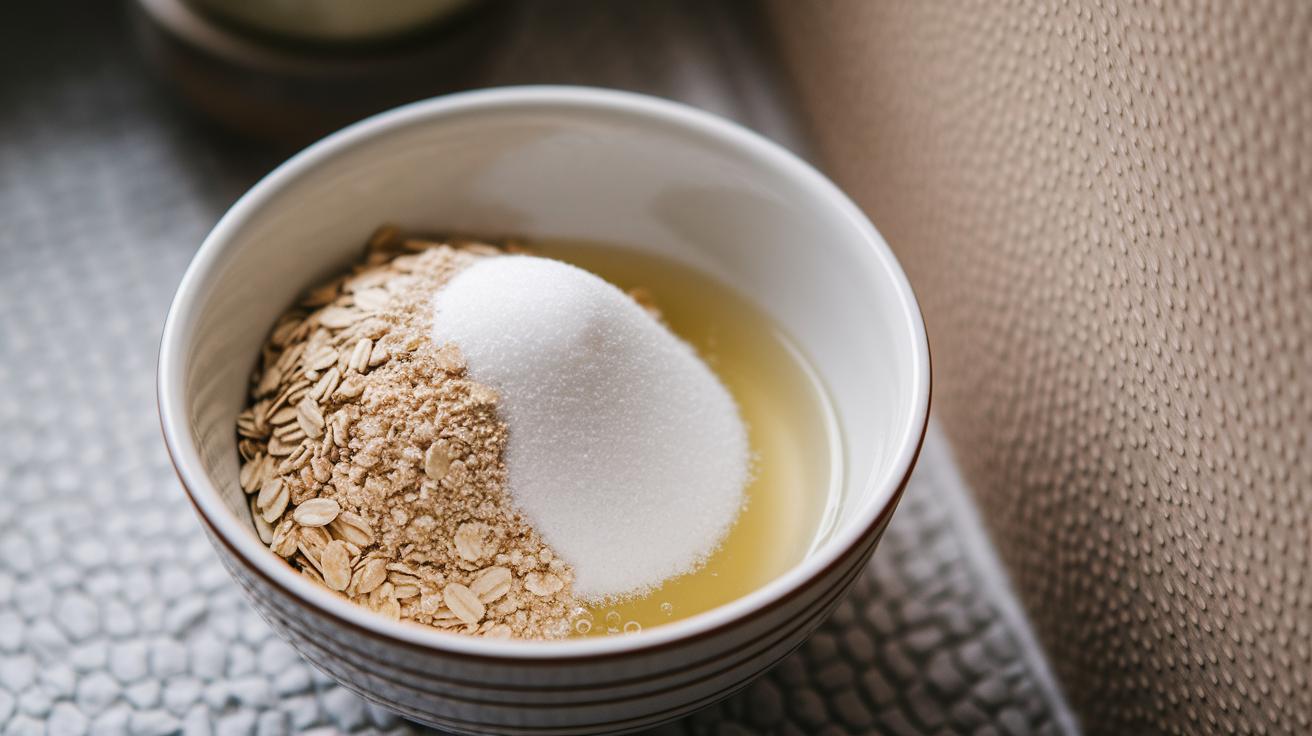
If your skin is rough or bumpy, try a gentle home exfoliation. You can mix simple ingredients like oatmeal or sugar to remove dead cells without causing extra irritation. For instance, mix 2 tablespoons of finely ground oatmeal with 1 tablespoon of warm water and a few drops of coconut oil. This blend helps remove extra keratin (a protein that can clog pores) and soothes dry patches.
Use the scrub once or twice weekly. After you exfoliate, apply a light, fragrance-free moisturizer to lock in hydration and smooth your skin. Adding natural oils such as jojoba or coconut can also help repair your skin barrier and boost moisture. This routine clears away flaky skin and supports a more even skin tone while reducing bumps naturally.
You can also boost your routine with a soothing DIY mask. For example, stir together 2 tablespoons of plain yogurt with 1 teaspoon of honey to create a mask that hydrates and calms redness. After bathing, spread a thin layer of a urea-based cream or a ceramide-infused lotion (which helps rebuild the skin barrier). This step can help prevent new bumps from forming.
Keep using these natural steps consistently, along with a balanced skincare routine. Over time, you’ll notice your skin becoming smoother and you can embrace a more confident, radiant look.
Daily Routines to Prevent Rough Bumpy Skin
Quick take: A gentle daily routine can smooth and soothe your skin.
Triage Box:
If you have severe burning, pain, or signs of an infection like blisters or open wounds, call your doctor now.
Otherwise, follow these daily steps to help your skin stay calm and hydrated.
Your skin can feel rough when it loses moisture. Start each day with a gentle wash to remove dirt without stripping natural oils. Use this easy routine both in the morning and before bed.
• Wash with a gentle cleanser twice a day.
• Exfoliate lightly once a week to remove dead skin cells.
• Apply broad-spectrum SPF 30+ every morning for sun protection.
• Moisturize right after showering to lock in hydration.
• Use a milder exfoliant during colder months.
• Avoid hot water and harsh soaps that can dry out your skin.
Stick with these steps daily. This steady routine builds a protective barrier against irritation and dryness, keeping your skin smooth and clear as the seasons change. Stay consistent and take charge of your skin care for a naturally even and confident look.
Final Words
In the action, we covered what rough bumpy skin looks like and examined main triggers like keratin buildup and dryness. We also explained key signs, diagnosis steps, and differences from other skin issues.
You learned about using over-the-counter treatments, natural home remedies, and simple daily routines to manage symptoms. Keeping track of your care can guide your next steps if bumps persist.
Stay positive and proactive in your routine, and know that focused care can make a real difference.
FAQ
Rough bumpy skin lotion
The rough bumpy skin lotion contains gentle exfoliating ingredients such as lactic acid or salicylic acid to help remove dead cells and smooth skin texture.
Bumpy skin on face
The bumpy skin on your face may result from keratin buildup or irritation. A mild exfoliating cleanser and a non-comedogenic moisturizer can help improve its appearance.
Keratosis pilaris
The keratosis pilaris is a condition marked by small, rough bumps due to clogged hair follicles. Regular gentle exfoliation and moisturizers are recommended to reduce these bumps.
Bumpy skin treatment
The bumpy skin treatment usually involves using over-the-counter acids or creams to exfoliate and moisturize the skin. These products help clear buildup and smooth rough areas.
Rough bumpy skin on buttocks
The rough bumpy skin on the buttocks can benefit from creams with lactic acid or urea that gently remove dead skin cells and lock in moisture for a smoother feel.
Bumpy skin on body
The bumpy skin on the body often comes from keratin buildup like keratosis pilaris. A regimen of gentle exfoliation and regular moisturization can help even out the texture.
Dry rough & bumpy skin
The dry, rough, and bumpy skin may be due to dehydration and keratin buildup. Using a rich moisturizer immediately after washing and a gentle scrub can restore smoothness.
Bumpy skin on arms
The bumpy skin on the arms is typically linked to keratosis pilaris. A consistent routine including gentle exfoliation and moisturizing can decrease bumps and improve skin smoothness.
What vitamin deficiency causes bumpy skin?
The vitamin deficiency that may cause bumpy skin is often linked to low vitamin A or D levels. A clinician can confirm this and offer proper supplementation advice.
How to clear rough and bumpy skin?
The approach to clear rough and bumpy skin starts with regular exfoliation and moisturizing. Using products with gentle acids and speaking with a dermatologist if issues persist can lead to smoother skin.
What causes keratosis pilaris in children?
The keratosis pilaris in children is mostly due to an overproduction of keratin in hair follicles and genetic factors. Gentle skin care and regular moisturization can help manage the bumps.
What are the bumps on my skin that feel like sandpaper?
The bumps feeling like sandpaper usually suggest keratosis pilaris. Small, rough bumps from blocked hair follicles can be managed with soft exfoliation and hydration treatments.