
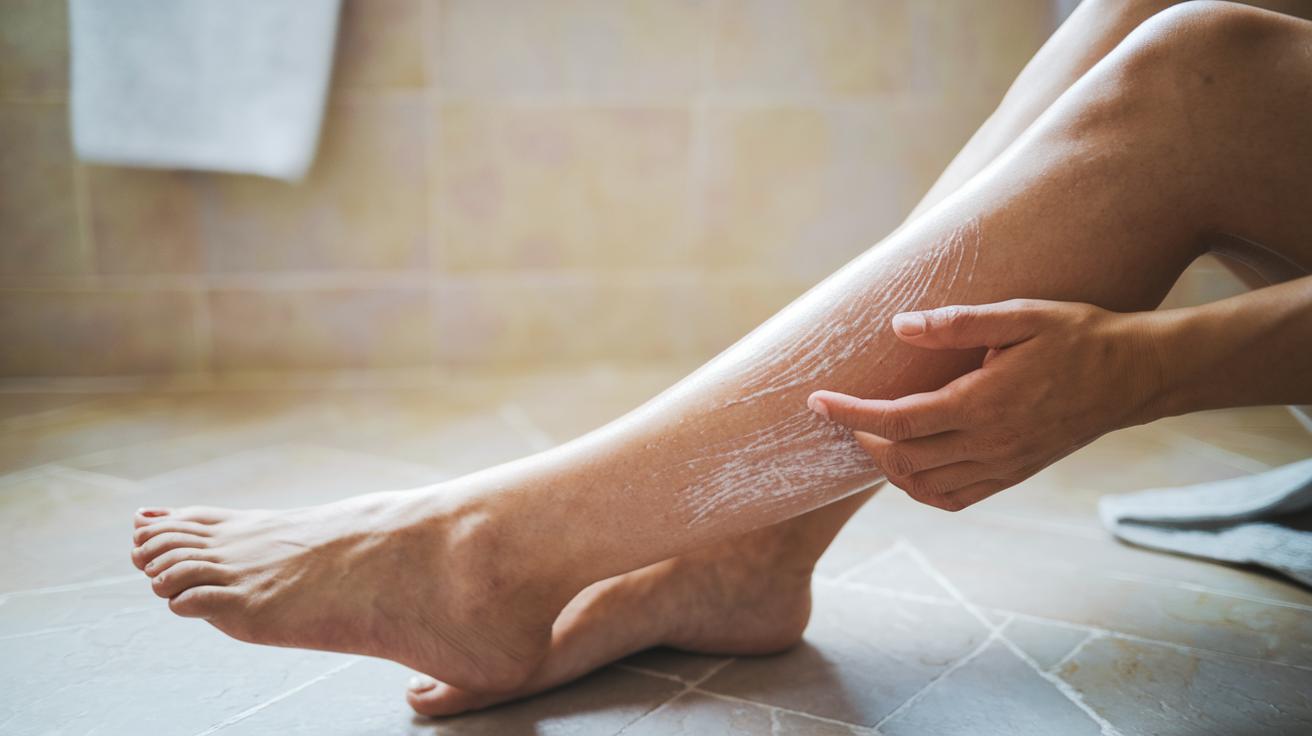

Quick take: Tiny bumps on your legs might be keratosis pilaris (a buildup of protein in hair follicles) making your skin feel rough.
Sometimes you see small bumps on your legs. This is known as keratosis pilaris. It happens when a protein builds up in the small openings where your hair grows. The result is skin that looks and feels rough instead of smooth.
In this guide we explain how these bumps form and offer simple steps to help your skin look more even. You deserve skin that feels as good as it looks.
Learn more about this condition and take the first step toward smoother, more confident skin.
Understanding Keratosis Pilaris on the Legs
Quick take: Keratosis pilaris is a common, harmless skin condition that causes small, rough bumps on your legs.
If you notice any of these signs, call emergency services now:
- Severe redness or swelling
- Intense pain or signs of infection
Watch and self-manage if you experience:
- Minor roughness or cosmetic changes on your skin
Keratosis pilaris happens when keratin (a strong protein in your skin) builds up and blocks hair follicles. This buildup creates tiny bumps that can look like goosebumps or chicken skin. They often appear on the front of your thighs or other areas with many hair follicles.
On lighter skin, these bumps might be skin-colored, white, or red. On darker skin, they can appear brown or black. Even though their look might seem unusual, they do not harm your health.
This condition is simply a normal skin variation, much like freckles or dimples. While the bumps can be annoying for some, they do not lead to serious medical issues. A regular skincare routine, like gently moisturizing and lightly exfoliating, can help smooth the skin's texture and lessen their appearance.
Keep an eye on your skin, and if the bumps start to look worse, become painful, or show signs of infection, contact your clinician for advice.
Recognizing Symptoms and Triggers of Leg Bumps
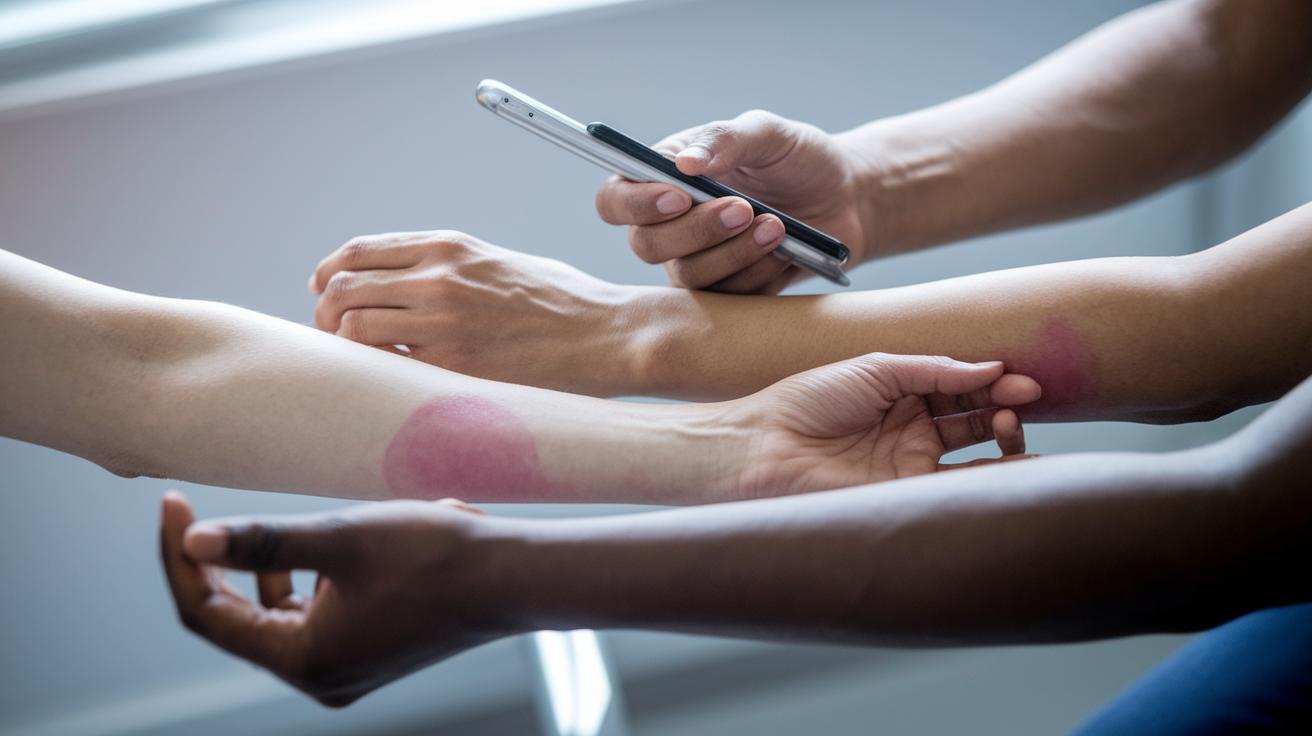
Bumps on your legs may look different based on your skin tone. On light skin, they often appear white or flesh-colored with a pink border. On darker skin, they can look brownish-black. Many people feel a light itch or mild discomfort as the bumps form. This condition is usually harmless, but there are clear signs to watch for.
Dry, cold winter air can make these bumps more noticeable and even increase irritation. This skin condition, called keratosis pilaris (tiny bumps on the skin), might flare up when you change your skincare routine or use harsh soaps that remove moisture. For example, a very drying cleanser can make the bumps and redness worse.
If you see that the redness is getting stronger, the bumps are spreading, or you start to feel real pain, it’s important to get checked by a clinician. These changes could mean another condition like eczema (red, scaly skin), psoriasis (patches of thick, red skin), or acne (pimples) is present. Keep a close eye on your symptoms and reach out to your doctor if anything changes.
Building a Daily Leg Care Routine for Smoother Skin
Quick Take: Gently cleanse and moisturize your legs each day to keep your skin smooth and comfortable.
Start your routine by cleansing with a mild, soap-free cleanser. Use warm water and handle your skin gently. When you wash, avoid hot water that can dry out your skin. After washing, pat your legs dry with a soft towel. Rubbing can irritate your skin, especially if it is already bumpy.
Immediately after drying, apply a hydrating cream or lotion while your skin is still a bit damp. Look for products with humectants like glycerin or urea (ingredients that pull moisture into your skin). Choose lotions that are noncomedogenic (won’t block your pores) and allergy-friendly to lower the chance of irritation.
Follow these steps each day:
- Cleanse: Use a gentle cleanser made for sensitive skin.
- Rinse: Wash with lukewarm water; avoid harsh scrubbing.
- Dry: Pat your legs with a soft towel until they are nearly dry.
- Moisturize: Apply a hydrating cream right away, especially on rough patches.
- Repeat: Do this every day and adjust your products when the weather changes.
A gentle touch matters. When you massage your moisturizer onto your legs, do it softly to prevent irritation. Remember, consistency is key. Keeping this routine daily will help your skin become smoother and feel naturally healthy over time.
Effective Exfoliation Strategies for Keratosis Pilaris Legs
Quick Take: Gentle exfoliation can clear skin bumps while keeping irritation low.
Triage Box:
If you experience any of these, stop and seek advice from a clinician:
- Severe redness or swelling
- Intense pain or burning
- Ongoing irritation that does not improve
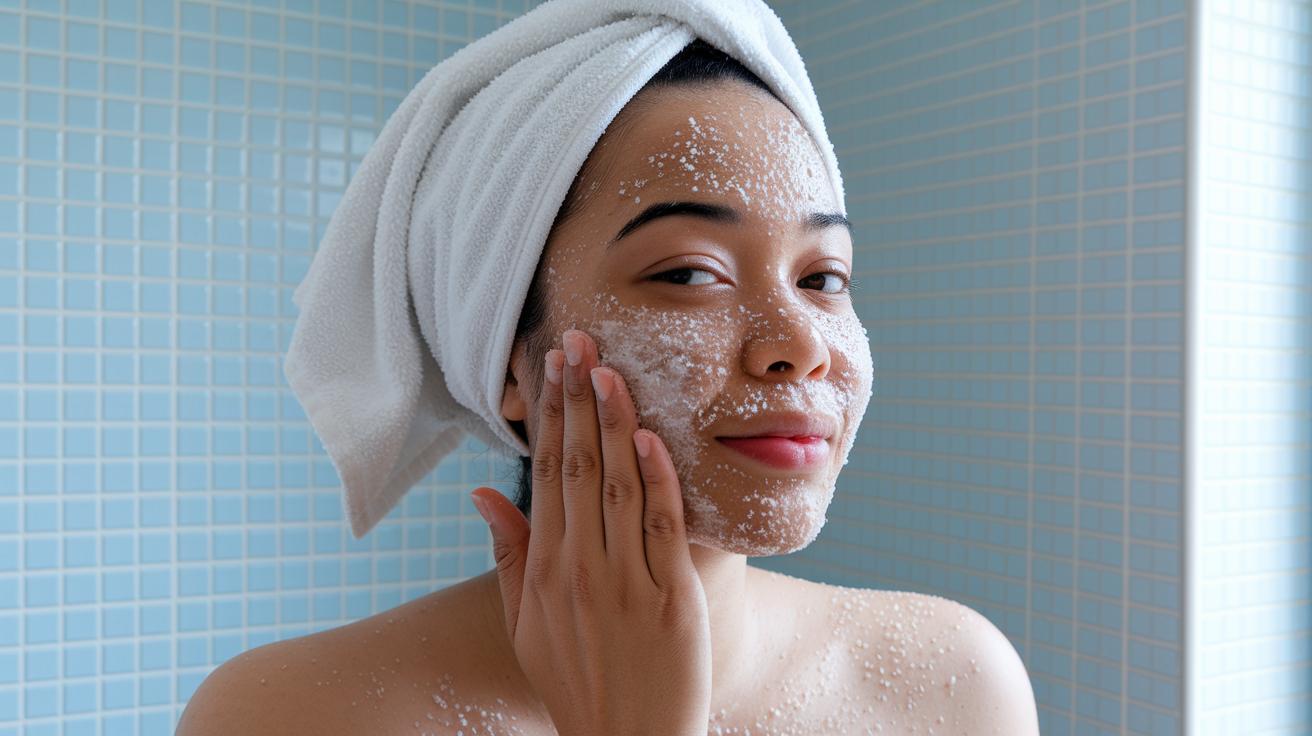
Exfoliation helps remove extra keratin plugs that block hair follicles. You can gently polish your skin using a soft scrub with fine grains. Try a sugar scrub that smooths rough patches without causing extra irritation. Use these scrubs on damp skin, massaging in light, circular motions, then rinse with lukewarm water.
Chemical exfoliants can also work well. Low-strength acids such as lactic acid (a milk acid that smooths skin) or salicylic acid (an ingredient that helps unclog pores) target skin buildup over time. For example, a lotion with 5% lactic acid may lessen redness and even your skin tone while keeping discomfort low.
It is best to exfoliate only 1 to 3 times per week. Over-exfoliating may make your skin red and sensitive. Always follow up with a gentle moisturizer to protect your skin. You might try this simple routine:
- Apply your chosen exfoliator on damp skin.
- Rinse off with lukewarm water.
- Pat your skin dry and use a soothing moisturizer right away.
Stick to this schedule and adjust if your skin feels too sensitive.
Comparing Treatment Options: Home Remedies, OTC, and Prescription
Quick take: For mild bumps, start with simple home care; if these don't work, try OTC creams, and if necessary, get a prescription from your doctor.
Triage Box:
• If you notice severe redness, intense pain, or signs of infection, contact your doctor immediately.
• If your skin irritation worsens or spreads, seek prompt medical advice.
• For minor, stable symptoms, follow these care steps and track any changes.
Many people begin with gentle home remedies for keratosis pilaris. You can use natural moisturizers like coconut oil or aloe vera to soothe and hydrate the skin. Some even try vitamin A products to help the skin renew itself. These remedies are easy to access and work well for mild bumps.
OTC creams offer a step up when home care is not enough. Look for creams with ingredients like urea, which softens rough skin, or lactic acid, which gently removes dead skin cells. Using these creams daily can smooth your skin and lessen the appearance of bumps over time.
If your bumps are more stubborn or bothersome, your doctor might suggest prescription treatments. Prescription retinoids like tretinoin help speed up skin cell turnover so that keratin does not build up. Mild corticosteroids may be used to calm any redness or irritation. In some cases, a dermatologist might recommend laser therapy to improve skin texture and reduce stubborn redness. Always use these options under a clinician's guidance.
| Treatment Type | Examples | Usage Notes |
|---|---|---|
| Home Remedies | Coconut oil, aloe vera, vitamin A products | Helps soothe mild irritation and hydrates the skin; best for early or minor bumps |
| OTC Creams | Creams with urea or lactic acid | Softens rough skin and gently exfoliates; apply daily for best results |
| Prescription & Professional | Topical retinoids, mild corticosteroids, laser therapy | For persistent cases; use only under your doctor’s supervision |
Preventing Bump Recurrences and Long-Term Skin Health
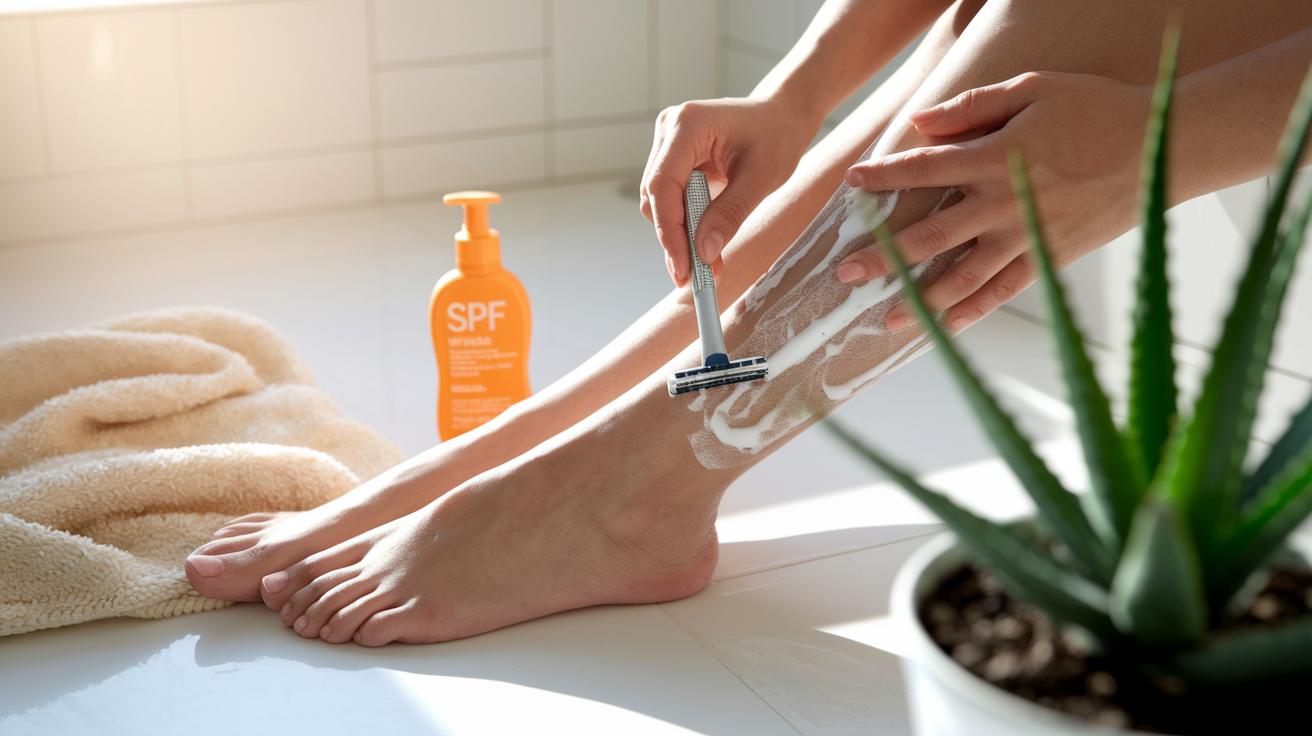
Bumps can be annoying, but you can reduce them with a few simple changes. Choose soft, breathable fabrics that ease friction on your skin. Change your shaving routine by using a sharp, clean razor and a lubricating gel. This method helps lower irritation and keeps your skin smoother.
Protect your legs by applying an SPF 30+ sunscreen every day. Sun exposure can make your skin more sensitive and worsen bumps, even on cloudy days. Keeping your skin shielded from the sun helps maintain its smooth appearance.
After shaving, soothe your skin with natural remedies. Applying aloe vera or a mild hydrocortisone cream (a gentle cream to ease irritation) can reduce redness and inflammation. This careful aftercare eases discomfort and helps prevent bumps.
Adjust your care with the seasons. In winter, dry air may sap your skin's moisture. Use extra moisturizing creams to boost your skin’s barrier. During warmer months, switch to lighter, non-greasy formulas that keep your skin comfortable without clogging pores.
Follow these daily tips:
- Wear soft, breathable clothing.
- Shave with a sharp, clean razor and use lubricating gel.
- Apply SPF 30+ sunscreen every day.
- Soothe your skin after shaving with aloe vera or mild hydrocortisone.
- Add extra moisturizer in dry weather.
Using these easy steps can help you maintain smooth, bump-free legs over the long term.
Final Words
In the action, we explored what keratosis pilaris legs is, common signs, and triggers to watch for. The article laid out clear daily care routines, gentle cleansing and moisturizing, plus effective strategies for exfoliation. We compared home care, OTC, and prescription options to help you choose the best path. We also discussed long-term measures to prevent recurrences and boost skin health.
Keep monitoring your skin and adjust your routine as needed. Stay proactive and positive as you work toward smoother skin.
FAQ
Q: What is the keratosis pilaris treatment?
A: The keratosis pilaris treatment involves using gentle cleansers, hydrating creams with urea or lactic acid, and regular exfoliation to help smooth the skin and reduce bumps.
Q: How does keratosis pilaris legs treatment work?
A: The keratosis pilaris legs treatment works by following a daily routine that cleanses, moisturizes, and exfoliates the affected leg areas to lessen the rough bumps and improve skin texture.
Q: What are the causes of keratosis pilaris?
A: The causes of keratosis pilaris include a buildup of keratin in hair follicles, dry skin, and genetic factors, which together lead to rough, bumpy patches on the skin.
Q: What does keratosis pilaris cream do?
A: The keratosis pilaris cream works by hydrating and exfoliating the skin with active ingredients, such as urea or lactic acid, which help reduce bumps and smoothen the skin’s surface.
Q: How does keratosis pilaris appear on the thighs?
A: Keratosis pilaris on the thighs appears as small, rough bumps similar to chicken skin, caused by keratin clogging the hair follicles on the front of the thighs.
Q: What do keratosis pilaris pictures show?
A: Keratosis pilaris pictures show clusters of small, bumpy skin that vary in color from white to brown, highlighting the typical rough texture seen on areas like the arms and thighs.
Q: How did people cure their keratosis pilaris?
A: Many report that consistent use of gentle cleansing, moisturizers with urea or lactic acid, and regular exfoliation significantly improved their keratosis pilaris, though it may take time to see results.
Q: Why does keratosis pilaris feel itchy?
A: Keratosis pilaris feels itchy because the dry skin and buildup of keratin can cause mild irritation, which is often relieved with regular moisturization and proper skin care.
Q: What triggers keratosis pilaris flare-ups?
A: The triggers of keratosis pilaris flare-ups often include dry weather, harsh skin care products, and irritation, which all contribute to increased keratin buildup and visible bumps.
Q: Is keratosis pilaris a form of eczema?
A: Keratosis pilaris is not a form of eczema; it is a distinct condition caused by keratin clogs in hair follicles, whereas eczema involves inflammation and irritation of the skin.
Q: What conditions are mistaken for keratosis pilaris?
A: Conditions mistaken for keratosis pilaris include eczema, folliculitis, and acne, as they can also present as rough or bumpy skin, though each has different underlying causes.
Q: What is meant by a chicken skin rash on a toddler?
A: A chicken skin rash on a toddler often refers to a keratosis pilaris-like appearance, though similar rashes in young children could indicate other mild skin conditions that need proper care.