
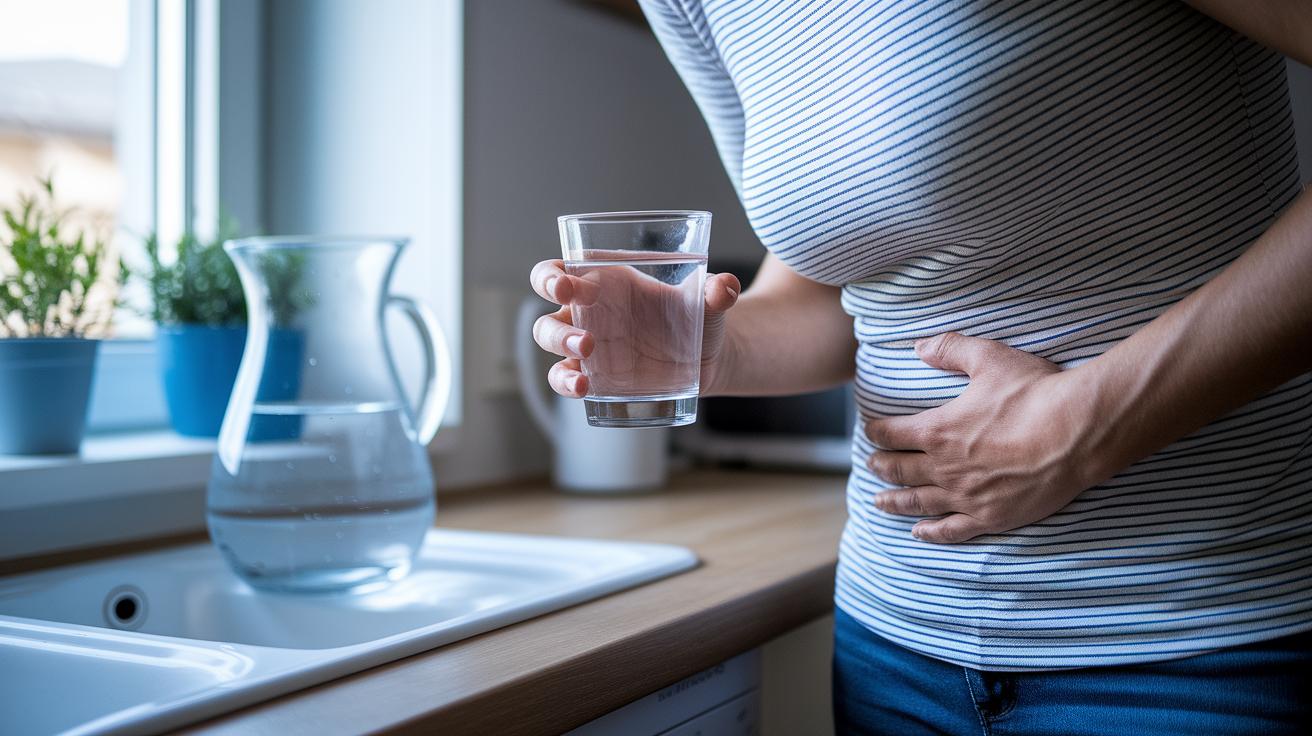

Quick Take: Dehydration can slow your digestion and cause painful stomach cramps.
If you experience any of these signs, call emergency services now:
• Intense, unrelenting pain
• Cramps that last more than 24 hours
• Other concerning symptoms, like fever or vomiting
Dehydration means you aren't getting enough water. Low fluids slow down your gut, causing muscle spasms and sharp cramping in your stomach. That painful feeling can really ruin your day.
Here’s what you can do:
- Drink water slowly and steadily.
- Rest while you let your body recover.
- Keep an eye on your symptoms (note when the pain happens and how hard it hurts).
These simple steps may help ease your discomfort. Remember, if your pain gets worse or you notice other red flags, seek medical care right away.
How Dehydration and Stomach Cramps Are Connected
Quick take: Not drinking enough fluids can slow your gut and cause painful cramps.
If you have any of these emergency signs, call emergency services now:
- Severe dizziness, fainting, or confusion.
- Intense, unrelenting stomach pain.
- Signs of dehydration like rapid heartbeat (fast heart rate) or very dry mouth.
If your symptoms are milder, try these steps:
- Drink water right away.
- Rest and avoid heavy meals until you feel better.
- Monitor your pain and note if it worsens.
When your body doesn’t get enough water and electrolytes (minerals like sodium, potassium, and magnesium), your digestive system slows down. Food moves through more slowly, so stools don’t soften as much and your body struggles to absorb nutrients. With less moisture, the muscles in your gut have a hard time contracting normally. This sets them under stress and can cause painful spasms.
Electrolytes are important for muscle function. When their levels drop, your gut muscles can’t work together properly, which can make cramps worse. Slowed digestion adds to the problem because food isn’t broken down efficiently and discomfort increases.
In short, dehydration creates a cycle where low fluid levels make your gut work inefficiently and trigger cramping. This discomfort is your body’s way of saying it needs hydration now.
Identifying Dehydration-Related Stomach Cramp Symptoms

When you lose too much water, your body sends clear signals that it needs help. One common sign is stomach cramps.
Watch for these symptoms:
- Thirst. You might feel an intense need for water.
- Dark urine. This shows your body fluids are too concentrated.
- Fatigue. You may feel very tired or weak.
- Dizziness. You might feel lightheaded or as if the room is spinning.
- Headache. A low water level can often cause pain in your head.
- Abdominal pain. This can come as sharp cramps or a constant ache.
These signs mean your body is low on water and electrolytes (salts that help your body work properly). Vomiting or diarrhea can make dehydration worse by speeding up water loss. Children and older adults may not show all these signals clearly. They need extra attention when these symptoms occur.
Keep a close watch on these signs during hot weather or after exercise, and act fast by drinking plenty of water.
Electrolyte Imbalance and Stomach Cramps in Dehydration
Quick take: Low water levels can drop minerals that help your stomach work properly.
Triage:
• Emergency: If you feel very weak, confused, or have a very fast heartbeat, call emergency services now.
• Urgent: If your cramps become severe or last more than a few hours, seek same-day medical care.
• Self-care: Keep hydrated with fluids that include electrolytes and rest.
When you don’t drink enough water, you also lose important minerals like sodium, potassium, and magnesium. These minerals help your gut muscles contract and relax normally. Without them, your stomach can cramp and spasm, adding to the discomfort of dehydration. Drinking fluids that replace both water and these minerals helps your stomach move smoothly and speeds up your recovery.
| Electrolyte | Role | Deficiency Symptom |
|---|---|---|
| Sodium | Helps keep fluid balance and supports nerve function | Cramps and weakness |
| Potassium | Helps muscles work and sends electrical signals | Irregular heartbeat and muscle spasms |
| Magnesium | Aids smooth muscle relaxation and nerve signals | Muscle twitching and spasms |
Mixing proper hydration with these key electrolytes eases stomach cramps and helps your gut work steadily.
Home Treatments for Dehydration-Induced Stomach Cramps
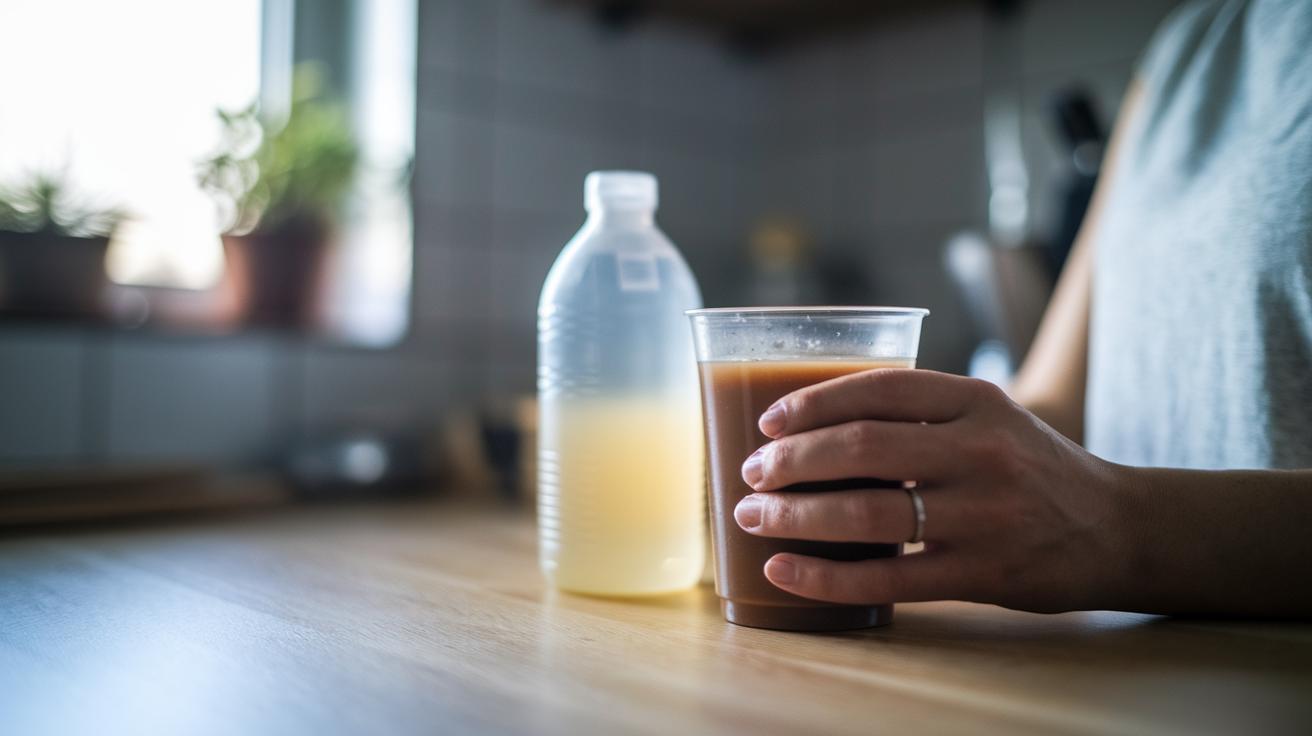
Quick take: If you're experiencing stomach cramps from dehydration, try these simple home treatments.
If you have any of these emergency signs, call emergency services now:
- Severe or worsening pain
- High fever (102 F or above)
- Persistent vomiting or signs of fainting
- Extreme weakness
If you don't have these signs, try the steps below:
• Sip clear broths, water with added electrolytes (minerals like sodium and potassium that help balance fluids), or an oral rehydration solution to quickly replace lost fluids and ease your cramps.
• Enjoy herbal teas like peppermint or chamomile to help relax tight muscles in your stomach and digestive tract.
• Apply a warm compress or heating pad to your belly for fast relief.
• Gently massage your stomach to reduce tension and support muscle relaxation.
• Sit or stand upright to help your body digest and absorb fluids smoothly.
A helpful tip: Try one method at a time to discover which one eases your cramps best. For example, sipping warm chamomile tea while gently massaging your belly may calm irritated muscles and help you feel better faster.
Remember, if your pain continues or increases, reach out to a healthcare professional right away. Regular fluid intake and these home remedies can help your body recover and may avoid future discomfort.
Preventing Dehydration and Stomach Cramps: Feel Better Today
Make hydration a daily habit to help keep cramps away. Aim for eight 8-oz glasses of water every day. You might need more water when you exercise or when it’s hot because you sweat more. Instead of waiting until you feel thirsty, take small sips throughout the day. This steady drinking keeps your fluids stable and helps your digestion and muscles work smoothly. Try adding water-rich foods like watermelon and cucumbers to your meals and snacks. These simple steps build a routine that supports your gut health and helps you feel better.
If you travel a lot or work outside, watch your water intake even more. Set reminders to drink small amounts regularly so you don’t end up with painful cramps. Pairing water with snacks that have electrolytes (minerals you lose when sweating) can also help your muscles. By following these easy steps, you can keep your body hydrated and reduce the risk of stomach cramps each day.
Emergency Guidelines

We've moved this content into our emergency guidelines. Please check that section for clear, step-by-step advice and tips on what to do if you’re experiencing any symptoms.
Dehydration and Stomach Cramps in Children and Seniors
Quick Take: Dehydration can cause stomach cramps and confusion in both children and seniors. If severe signs appear, act now.
Triage Box:
- If a child shows severe stomach cramps, intense irritability, or a very dry mouth, seek immediate help.
- If a senior becomes confused, experiences ongoing painful cramps, or can’t keep fluids down, get urgent medical attention.
- For both, start regular fluid intake with water or drinks that include electrolytes.
Children may not say they are thirsty even when they need fluids. They might show signs like fussiness, a dry mouth, or stomach cramps without clearly asking for help. These signs can be subtle. Watch for moments when they are less playful or seem unusually irritable. Offering water breaks during active play or in warm weather can help a lot. You might also try child-friendly drinks with added electrolytes to keep their muscles happy and strong.
Seniors often feel less thirst and might not drink enough on their own. They may hide dehydration until cramps become severe or confusion sets in. Health issues or medications can add to the challenge of staying hydrated. Remind them often to drink water and ensure they have easy access to fluids. Using drinks with electrolytes can help restore lost minerals and reduce painful cramps. Keeping a regular hydration routine is key for their comfort and health.
Final Words
In the action, this article broke down how dehydration and stomach cramps occur when your body loses too much fluid and essential electrolytes. We explained common signs like thirst and cramping, showed home care tips such as rehydrating with water and salts, and discussed when to seek medical help. You learned how fluid shortages affect your gut function and ways to keep your fluids balanced. Keep tracking your symptoms, stay hydrated, and take simple steps to ease discomfort. Small changes can make a big difference in feeling better.
FAQ
What does dehydration stomach pain feel like and where is it located?
The pain from dehydration often feels like sharp or cramping discomfort in your upper or central belly, caused by low fluid levels that impair muscle function in your digestive tract.
Can dehydration cause stomach pain along with gas, diarrhea, or vomiting?
Yes, dehydration can lead to stomach pain and may trigger additional issues like gas, diarrhea, or vomiting by disrupting normal digestive muscle function and slowing nutrient absorption.
How does dehydration trigger stomach cramps?
Dehydration causes stomach cramps because low fluid levels impair the gut muscle contractions, leading to spasms and a tight, uncomfortable ache in your abdomen.
How can I treat stomach cramps from dehydration?
To ease dehydration-induced cramps, rehydrate with water and electrolyte solutions, rest, and apply a warm compress to your abdomen to help relax your muscles.
What are signs and symptoms that indicate dehydration?
Dehydration can show through thirst, dark urine, fatigue, dizziness, headache, and sometimes stomach pain, signaling that your body urgently needs more fluids and electrolytes.
When should I go to the ER for dehydration while pregnant?
If you are pregnant and experience severe dehydration signs like persistent dizziness, rapid heartbeat, minimal urination, or intense abdominal pain with vomiting or diarrhea, seek emergency care immediately.
What do online discussions, like on Reddit, say about dehydration-related stomach cramps?
Online discussions often mention experiencing similar cramping from dehydration, but it’s best to follow clinician-reviewed advice and address your specific symptoms with safe rehydration and care.