
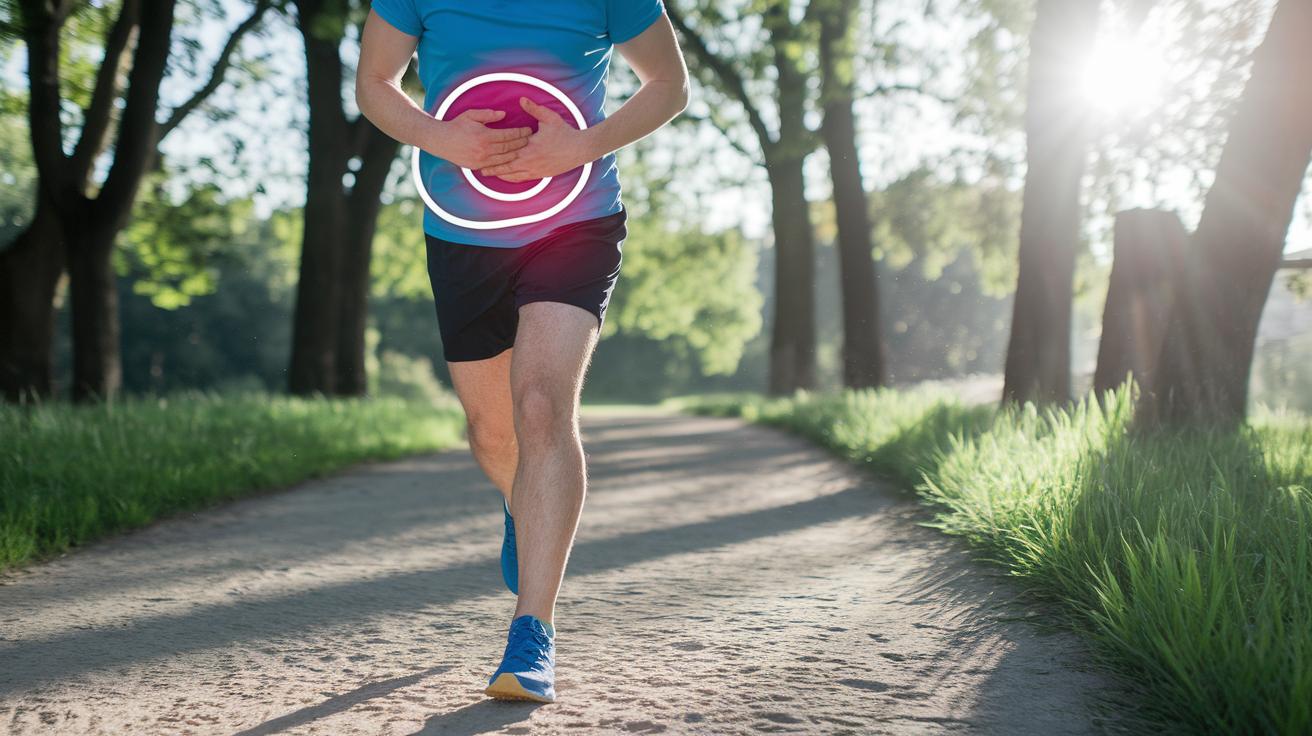

Quick take: Stomach cramps during running are common and usually go away fast with a few adjustments.
If you have any of these emergency signs, call emergency services now:
• Severe pain that does not fade
• Dizziness or fainting
• Chest pain or trouble breathing
Stomach cramps can catch you off guard mid-run and shake your confidence. They often feel sharp and twisting, making you wonder if you should stop. Most runners experience them, and they typically ease quickly on their own.
Here’s what you can do:
• Slow down your pace.
• Take deep, steady breaths.
• Gently stretch your stomach and side muscles.
• Check your hydration and food choices before running.
If your pain sticks around or gets worse, make sure to tell your doctor about it. Small tweaks to your running routine may be all you need to help you feel better and get back to your workout with confidence.
Remember, you know your body best. Stay safe and listen to the signals it sends you.
Understanding Stomach Cramps When Running
Quick take: Most stomach cramps during a run are common and usually stop on their own.
Triage Box:
- If you experience severe pain that does not ease, seek urgent care.
- If the pain comes with vomiting, confusion, or difficulty breathing, call emergency services immediately.
- Otherwise, adjust your routines and monitor your symptoms.
Stomach cramps, known as side stitch or ETAP (exercise-related transient abdominal pain), are familiar to many runners. Studies show that between 30% and 90% of distance runners report these sharp abdominal pains.
One reason for these cramps is the bouncing motion during running. Your body’s repeated impact shakes your stomach, which can trigger peristalsis (the wave-like muscle contractions that move food through your gut). It’s similar to shaking a water bottle, the liquid sloshes and creates pressure. In runners, this movement can upset the digestive system and cause discomfort.
Another factor is the shift in blood flow during exercise. When you run hard, your blood goes mainly to your muscles, heart, and lungs. This means your stomach receives less blood, especially if you recently ate a meal high in fiber, fat, or sugar. On the flip side, running on an empty stomach might make your blood sugar drop, which can also lead to cramps.
Understanding these causes can help you make simple changes. Consider adjusting your running pace, meal timing, or hydration practices to reduce stomach discomfort during your workouts.
Common Causes of Running-Induced Stomach Cramps

Quick take: Mild stomach cramps when running are usually caused by body movement, changes in blood flow, or other factors. If the pain worsens or you experience other severe symptoms like vomiting or blood in your stool, stop running and seek medical help.
Triage Box:
- Red flags: Severe pain, vomiting, blood in stool, fainting
- Urgent care: Get medical help if any red flags appear
- Self-care: Rest, drink water, and monitor your symptoms
Primary Factors
• Body movement: When you run, your stomach moves a lot. This constant jostling can make your gut squeeze more (peristalsis – the gut’s way of pushing food along), which may lead to cramps. Think of it as a washing machine cycle that’s too rough.
• Change in blood flow: While running, your body sends more blood to your muscles, heart, and lungs. This shift means less blood goes to your digestive system. If you’ve just eaten a meal that is high in fiber, fat, or sugar, slower digestion might leave food in your gut that irritates it.
• Not enough fluids: Drinking too little water can leave your digestion strained, which may raise your chances of cramping.
Additional Factors
• Emotional stress: Feeling anxious can confuse the signals between your brain and stomach. This confusion may worsen stomach spasms.
• Low blood sugar: Running on an empty stomach can drop your blood sugar levels. This drop might add to your discomfort.
• Hormonal shifts: Female runners might feel more stomach upset during their menstrual cycle.
• Faster food movement: Vigorous running can speed up how fast food moves through your gut. This quick transit sometimes leads to loose stools.
• Gut conditions: If you have problems like acid reflux or irritable bowel syndrome (IBS – a common digestive disorder), you may feel more cramps when you run.
Stomach cramps when running: Instant Comfort Boost
Quick take: Smart food choices, steady hydration, a gradual warm-up, and gut support can help ease cramping while running.
Triage Box:
• If your stomach cramps are severe, last more than a few minutes, or come with vomiting or fever, call emergency services right away.
• If the pain worsens or you feel dizzy or faint, seek same-day medical attention.
• Otherwise, follow the steps below to care for yourself.
Before you run, eat simple, light foods. Try rice, a banana, or plain toast. These items are easy on your stomach and give you energy without leaving heavy residue. Skip foods high in fiber, grease, or sugar right before your run since they can slow stomach emptying.
Staying well hydrated is key. Start hydrating a few days ahead with water and drinks that have electrolytes (minerals that help balance your body’s fluids). During practice runs, drink small sips of an electrolyte drink. This helps your body get used to digesting both food and fluids at the same time.
Warm up gradually. Instead of sprinting into your run, begin with a slow pace. Warm up with light jogging and simple movements that gently get your blood flowing. This helps your muscles and your stomach adjust to the workout.
You might also try adding probiotics (good bacteria that help with digestion) to your routine. Over time, they can support gut health and may reduce cramps.
Plan your nutrition and hydration well before race day. Train your stomach by slowly increasing fluids and calories during practice runs. This way, your body learns exactly how much food and drink it needs on the day of your event.
Remember these steps:
• Eat easy-to-digest carbs before running.
• Avoid high-fiber, greasy, or sugary foods before exercise.
• Start hydrating days in advance with water and electrolyte drinks.
• Begin your run with a slow warm-up.
• Consider adding probiotics for better digestion.
Take care and listen to your body. Enjoy your run safely.
In-Run Remedies to Soothe Stomach Cramps
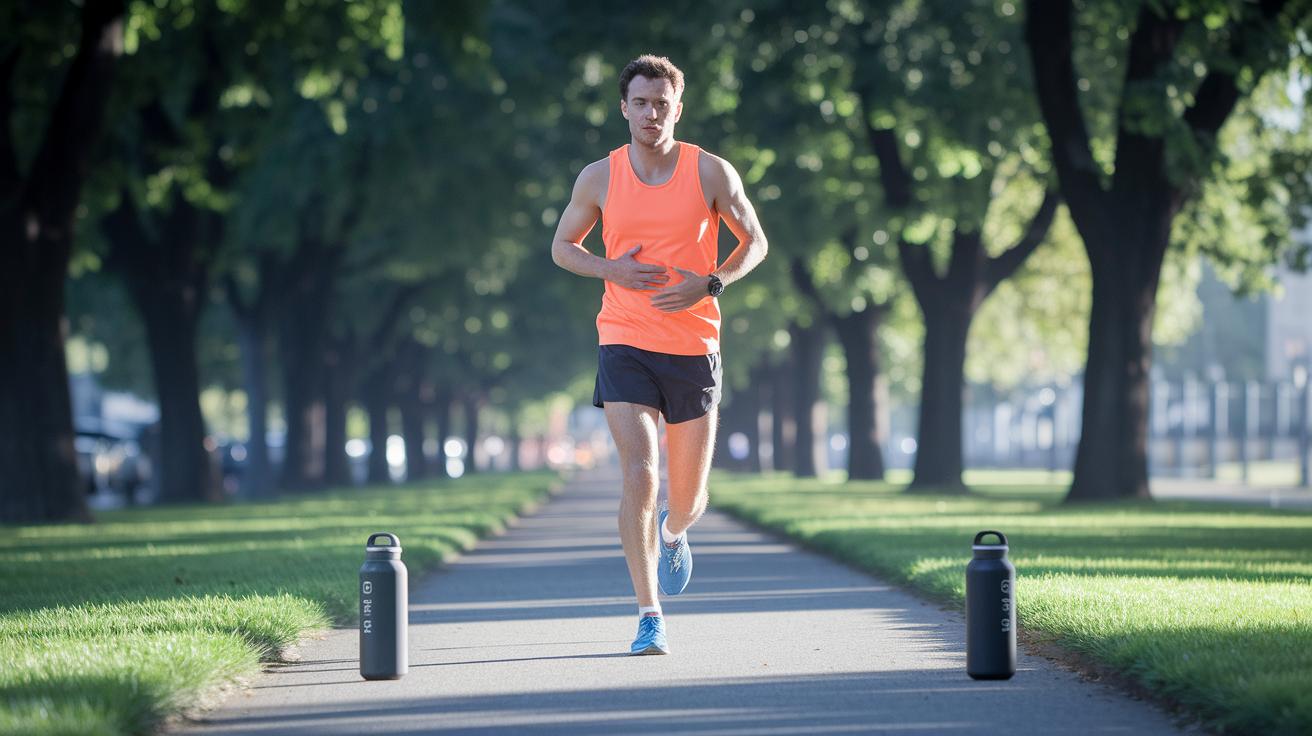
Quick Take: Slow your pace, focus on deep belly breaths, and sip fluids so you can ease cramps and keep running safely.
If you feel any severe pain, get lightheaded, or dizzy, stop exercising and seek help immediately.
Common reasons for stomach cramps during a run are too much jostling, dehydration, or a drop in energy.
Try these steps:
- Slow your pace or switch to a walk to reduce the bouncing.
- Breathe slowly using your belly. Inhale through your nose and exhale through your mouth. This helps relax your core.
- Take small sips of water or an electrolyte drink to rehydrate and support muscle function.
- If you feel low on energy, try a small energy gel or chew with simple ingredients to boost your blood sugar.
- Do gentle dynamic stretches, like light twists or side bends, to ease tension in your abs, back, and sides.
Keep track of when the cramps start and how long they last. If the pain worsens or continues, share these details with your coach or doctor so they can help you decide on the next step.
Post-Run Recovery Techniques for Abdominal Comfort
After your run, slow things down to help your body switch to rest mode. A gentle 5–10 minute walk and simple core stretches can ease tight muscles and help your digestion settle. This cooling process can reduce stiffness and calm your gut.
Drink water or an electrolyte solution to replace fluids lost during your run. This step supports your digestion and overall recovery. Soon after cooling down, eat a balanced meal that mixes carbohydrates and protein. Choices like lean chicken with rice or whole grain toast with eggs give you energy and help rebuild muscles.
You can also add probiotics with yogurt or supplements to support a healthy gut. Let your stomach muscles rest before you work out again. This break lets your body repair and get ready for future runs.
Follow these steps after your run:
- Walk gently for 5–10 minutes.
- Do static core stretches.
- Rehydrate with water or an electrolyte drink.
- Enjoy a meal with both carbohydrates and protein.
- Have some probiotics or yogurt.
- Rest before your next workout.
When to Seek Medical Advice for Running-Related Cramps

Cramps usually fade with a little rest. But if your pain lasts or gets very bad, you should see a doctor.
Watch for these signs during or after your run:
- Pain lasting more than 24 hours.
- Severe pain with fever, swelling, or vomiting.
- Intense or recurring side stitches that interrupt your run.
These symptoms could point to problems such as acid reflux (heartburn), IBS (digestive trouble), or an infection. For example, if your stomach pain sticks around for a day and comes with a fever, it’s time to get checked.
Keep an eye on your symptoms and follow your usual care plan if they worsen.
Final Words
In the action, this guide broke down why stomach cramps when running happen and shared tips to prevent and relieve them. It explained how fueling, hydration, and proper warm-up routines can reduce abdominal discomfort. You learned in-run remedies to ease cramps and post-run recovery measures to help your gut settle. The advice also outlined clear red flags that call for medical evaluation. Keep these practical strategies in mind so you can run with confidence and comfort. Stay proactive and take charge of your running health.
FAQ
What are stomach cramps when running and why do they occur?
Stomach cramps when running refer to sudden pain in your abdomen. They occur due to physical jostling, blood flow shifting away from your gut, and sometimes incomplete digestion.
What causes upper and lower stomach cramps or abdominal pain while running?
Upper and lower stomach cramps during running can stem from a full stomach, dehydration, or even stress. This discomfort may also be due to exercise-induced transient abdominal pain that affects different parts of your abdomen.
How can I stop stomach pain or cramping when I run?
To stop stomach pain while running, try slowing your pace, controlling your breathing, and staying hydrated. Adjust your pre-run meals to include easily digestible foods and allow enough digestion time.
What might cause stomach pain on the left side when running?
Stomach pain on the left side when running is often caused by a side stitch. Deep diaphragmatic breathing and a slower pace can help relieve this pain by reducing muscle strain.
What is runner’s stomach and how does it affect both males and females?
Runner’s stomach describes gastrointestinal discomfort during running, including cramps and pain in the lower abdomen. It can affect both males and females, often due to diet, hydration issues, and the physical impact of running.