
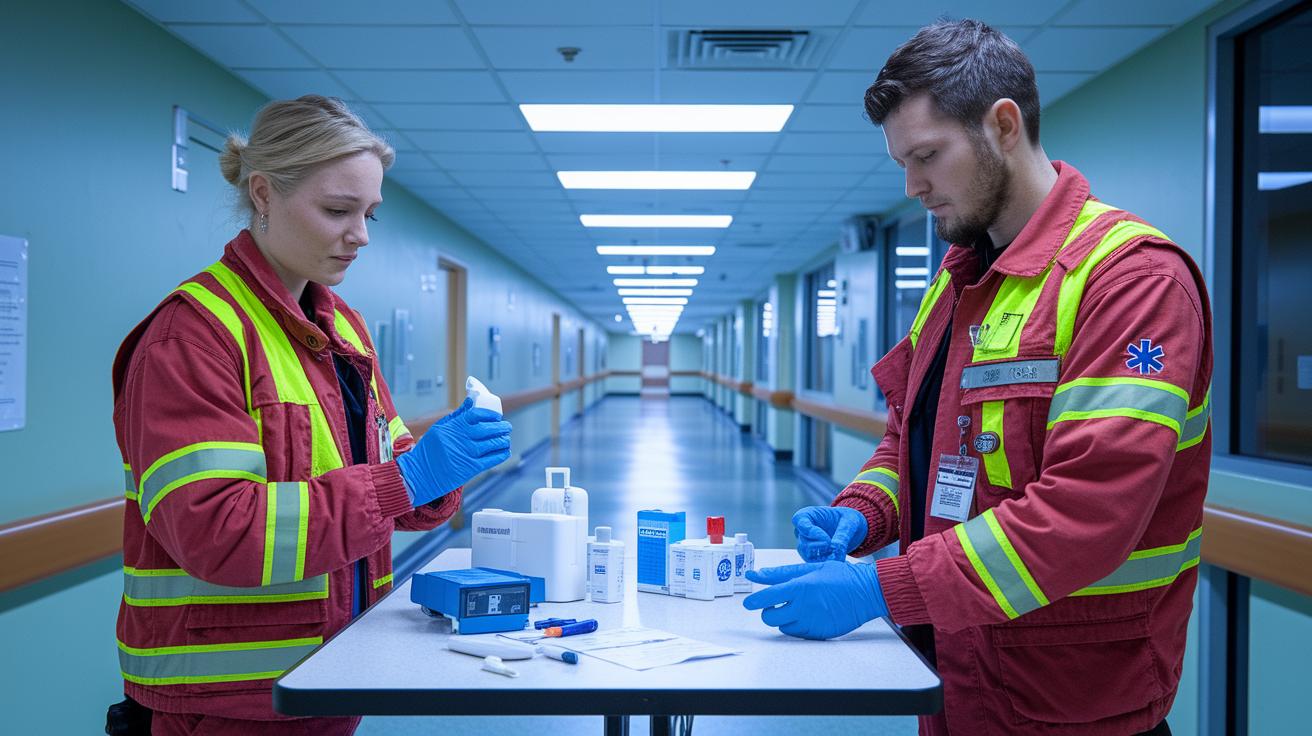

Quick take: Diabetic emergencies need fast and clear action.
If you see these warning signs, call emergency services now:
• Confusion or loss of consciousness
• Seizures or severe disorientation
If your blood sugar drops too low (under 70 mg/dL) or climbs very high (over 250 mg/dL) with troubling symptoms, seek urgent help from a healthcare provider.
A sudden change in blood sugar can be dangerous, and these emergencies may strike without warning. In this guide, you’ll learn how to check your blood sugar and what steps to take if your levels are too low or too high. Acting quickly with calm, clear steps can make all the difference between danger and safety.
Stay informed, follow your diabetic care plan, and keep a close eye on your levels to respond properly during an emergency.
Diabetic emergency protocol: Calm, Clear Actions
Quick take: A sudden change in blood sugar needs fast checks and clear steps to keep you safe.
If you have any of these emergency signs, call emergency services now:
• Confusion that makes it hard to speak or follow instructions
• Vomiting or a fruity smell on the breath
• Extreme dizziness or inability to wake up
Start by seeing if the person can talk and then checking their blood sugar with a trusted meter. A blood sugar level under 70 mg/dL means low blood sugar (hypoglycemia) while a level above 300 mg/dL is high blood sugar (hyperglycemia). Both need quick action.
For low blood sugar:
- Give 15 grams of a fast-acting carbohydrate (like glucose tablets or juice).
- Wait 15 minutes.
- Check the blood sugar again.
- Repeat this process up to three times if the sugar stays low.
For high blood sugar:
• Encourage the person to drink water.
• Check blood sugar every hour.
• If the reading climbs above 600 mg/dL or severe symptoms occur, call emergency services immediately.
Following these steps quickly can help stabilize blood sugar until professional help arrives. Stay calm, act fast, and keep emergency contacts nearby.
Recognizing Hypoglycemia within the Diabetic Emergency Protocol

Quick take: Low blood sugar can quickly cause confusion and dangerous complications. Act fast if you feel signs of hypoglycemia.
Triage Box – Act Now:
• If you lose consciousness or have a seizure, call emergency services immediately.
• If your blood sugar stays below 70 mg/dL after several measures, seek urgent care.
Early detection is key. Low blood sugar can progress fast, so notice symptoms early to prevent harm.
Signs and Symptoms of Hypoglycemia:
• Shaking or trembling
• Sweating
• Feeling lightheaded or dizzy
• Sudden hunger
• Changes in thinking or memory
• Mood swings
For example, if you’re shaking and suddenly start sweating – like a runner feeling dizzy during a race – it might mean your blood sugar is low.
Step-by-Step Hypoglycemia Treatment (Rule of 15):
- Take 15 g of fast-acting carbs (such as juice, glucose tablets, or regular soda).
- Wait 15 minutes to let the sugar work.
- Recheck your blood sugar using your meter.
- If it remains below 70 mg/dL, repeat these steps up to three times.
- If the person becomes unconscious, use a glucagon kit and call 911 immediately.
Keep a record of each episode with the date, time, and details. This log helps your care provider understand your patterns and adjust your plan if needed.
Managing Hyperglycemia and DKA in the Diabetic Emergency Protocol
When your blood sugar gets too high, it could mean you missed your insulin, you’re fighting an infection, or changes in stress or diet have affected your levels. A reading over 300 mg/dL means you should drink more water and check your blood sugar more often. If your level climbs above 600 mg/dL, you may be in severe dehydration and need emergency medical care. Diabetic ketoacidosis (DKA) happens when there isn’t enough insulin for your body to use sugar, causing acids called ketones to build up and harm you.
Identifying Hyperglycemia and DKA Indicators
Watch for blood sugar numbers above 300 mg/dL as a warning. In DKA, ketone levels (acids from fat breakdown) reach 0.6 mmol/L or higher. You may feel sick to your stomach, vomit, have belly pain, breathe fast, or notice a fruity smell on your breath. If you’re very dehydrated and your sugar is over 600 mg/dL, you might also feel confused or very weak. Spotting these signs early helps you know when to monitor closely or seek urgent help.
Immediate Interventions for Hyperglycemia
If your blood sugar is high, start by drinking at least 1 L of water per hour if you can. Check your blood sugar every hour. If your level keeps going up or you start feeling worse, for example, a bad headache or increasing weakness, it’s time to get help right away. Keeping a close eye on your levels lets you adjust your care quickly.
Critical Actions for DKA Emergencies
When you suspect DKA, test your urine or blood for ketones. If your ketone levels are moderate to high or you experience ongoing nausea or fast breathing, use corrective insulin only under professional guidance and call emergency services now. Quick hospital treatment is essential to prevent dangerous complications.
Key Supplies for Your Diabetic Emergency Protocol Kit
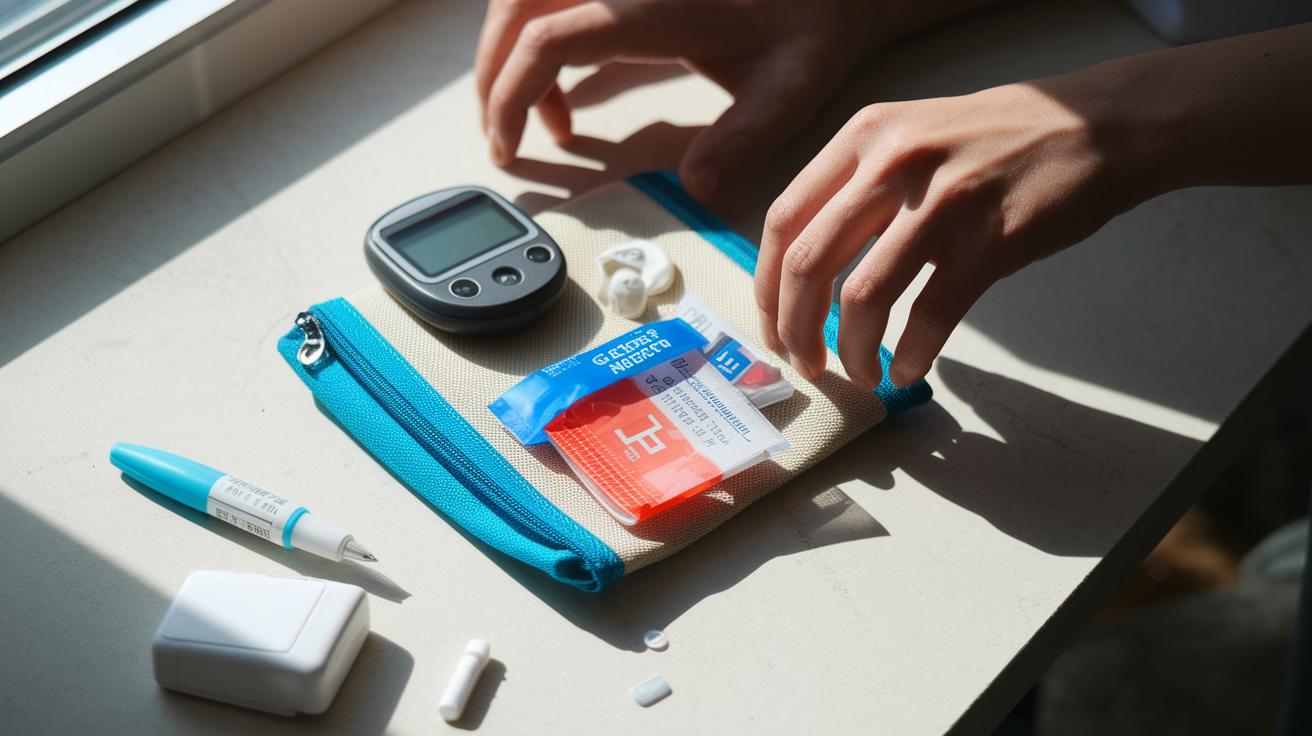
A complete kit can be your lifeline during a diabetic crisis. Keep your supplies in a sturdy, lightweight bag and add a small grab-and-go pouch so you can act fast when your blood sugar changes suddenly. This kit helps you manage both low and high blood sugar emergencies until you get professional help. Store your items at the proper temperature and check expiration dates every month to keep them effective.
Pack a one-week supply of insulin with clear dosing instructions along with a glucose meter, test strips, and fast-acting carbs like juice or glucose tablets to treat low blood sugar quickly using the rule-of-15 method. Also, include a glucagon kit for severe low blood sugar when the person cannot respond, plus bottled water and extra batteries for your devices. Add a medical alert card and keep both paper and cloud copies of your medication list to ensure quick access to your health information. Finally, include a small first-aid kit with bandages and topical antibiotics to handle any minor cuts or scrapes during a crisis.
| Item | Purpose | Quantity |
|---|---|---|
| Insulin & syringes | Rapid blood sugar control | 7-day supply |
| Glucose meter & strips | Regular blood sugar checks | 50 strips |
| Fast-acting carbs | Treat low blood sugar quickly | 8 servings |
| Glucagon emergency kit | Save patient when unconscious | 1 kit |
| Medical documents | Treatment history and contacts | 2 copies |
Monitoring and Evaluation in the Diabetic Emergency Protocol
Quick take: Track your blood sugar closely after an emergency to spot changes and potential dangers.
After treating a low blood sugar episode, check your blood sugar every 15 minutes until you get two readings in a row above 70 mg/dL. If your sugar is high, test it at least every hour or follow your care provider's advice. This routine helps you see if the emergency steps are working.
Keep a simple log during this time:
• Write down each blood sugar reading.
• Note any symptoms you feel, like shakiness or dizziness.
• Record actions you take, such as eating or drinking.
• Include vital signs like pulse (heart rate) and breathing rate.
• Mark any signs of dehydration or if you detect ketones (substances made when your body burns fat).
For instance, if your blood sugar stays high even after drinking fluids, your log can offer clues to serious issues. This record makes it easier for you and healthcare professionals to track your progress.
Share your log with EMS or during telehealth calls so they can adjust your treatment if needed. Using a medical alert device that automatically notifies caregivers or emergency contacts is also a smart move. Keeping clear records and staying in touch with professionals helps ensure that your care is safe and effective.
When to Activate Emergency Services in Your Diabetic Emergency Protocol
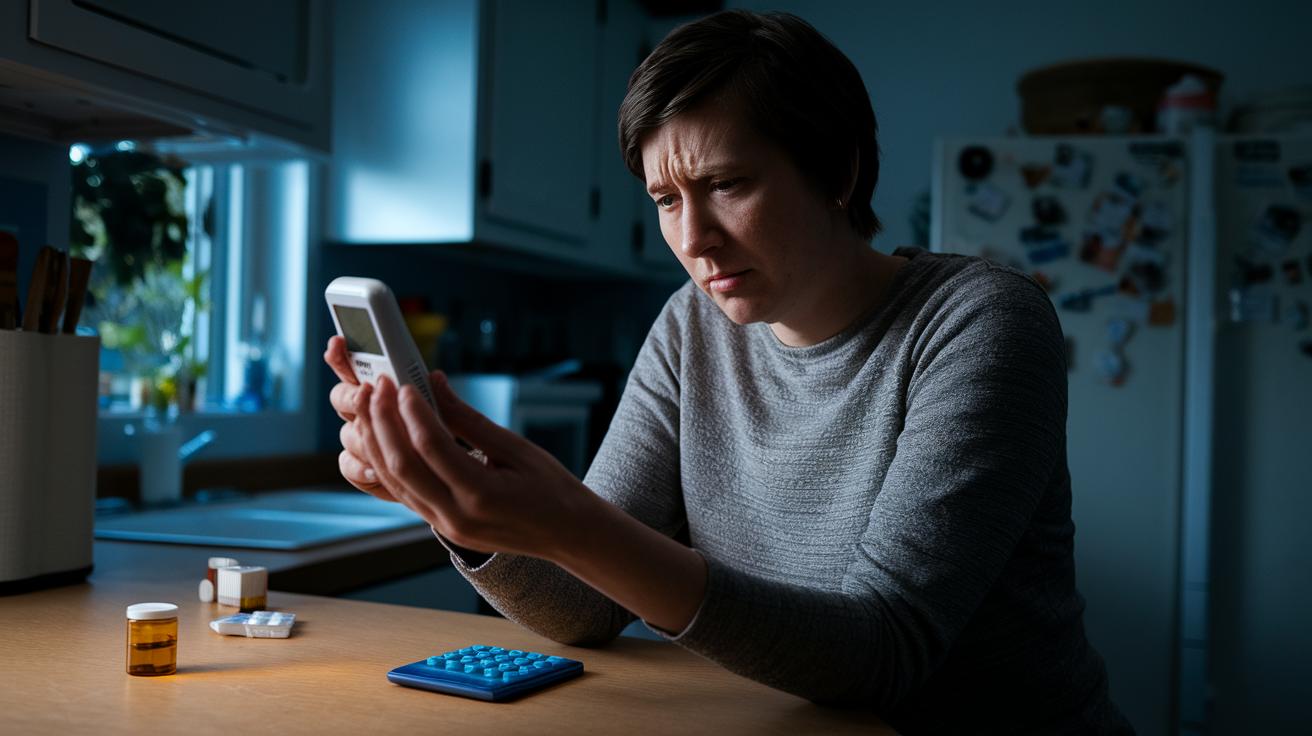
If someone with diabetes is unresponsive, having seizures, unable to swallow, or very confused, call 911 right away. Even if you try 3 doses of 15 grams of fast-acting sugar, if their blood sugar stays below 50 mg/dL, you must call now. Low blood sugar can quickly lead to unconsciousness and other serious issues.
Also, call 911 immediately if blood sugar climbs above 600 mg/dL, if ketones reach 0.6 mmol/L or higher, if vomiting continues, or if you notice deep, rapid breathing (Kussmaul breathing). Tell the dispatcher the type of diabetes, the current blood sugar, ketone levels, and any treatments given recently. For more details, please check the sections on low blood sugar and diabetic ketoacidosis.
Preventive Measures and Consultation Guidelines in the Diabetic Emergency Protocol
Quick take: Follow these easy steps to safeguard your blood sugar and act quickly if warning signs occur.
Triage Box:
If you have any of these emergency signs, call emergency services now:
- Confusion or trouble staying alert
- Fainting or loss of consciousness
- Fast heartbeat (over 100 beats per minute) with chest pain
- Difficulty breathing
Keep your meals on a steady schedule, treat infections right away, and take your medicines as planned to help keep your blood sugar steady. Always wear your medical alert ID and have fast-acting sugar snacks nearby for sudden drops.
Check your blood sugar regularly to spot changes early. Work with your endocrinologist to keep your care plan current. Tell your doctor if stress or illness makes you feel different so that they can adjust your insulin doses.
These simple steps can lower your risk of emergencies and help you manage your condition safely every day.
This guide is meant to work with your own doctor's advice. Speak with your healthcare provider for a plan that fits your needs and for any changes to your treatment.
Final Words
In the action, this article covered key steps from checking blood sugar levels and recognizing red flags to fast treatments for hypoglycemia and hyperglycemia. It detailed how to ready your emergency kit and know when to call 911.
Every step in this diabetic emergency protocol helps you act quickly to keep conditions under control. Remember, careful monitoring and immediate action can save lives. Stay prepared and take charge of your health with confidence.
FAQ
Q: What are 5 signs of a diabetic emergency?
A: The diabetic emergency signs include shaking, sweating, confusion, rapid heartbeat, and unusual behavior, indicating a need for immediate action to stabilize blood sugar.
Q: How is type 2 diabetes emergency treatment managed?
A: Type 2 diabetes emergency treatment involves quickly assessing blood sugar levels, providing fast-acting sugar for low levels or hydration for high levels, and calling 911 if severe symptoms occur.
Q: What is diabetic emergency first aid and what do you do if someone is having one?
A: Diabetic emergency first aid means checking consciousness, measuring blood sugar, and following the rule-of-15 for low blood sugar. If unresponsive or worsening, call 911 immediately for professional help.
Q: What is a diabetic emergency?
A: A diabetic emergency is a sudden, dangerous change in blood sugar that can result in life-threatening low (hypoglycemia) or high (hyperglycemia) levels, requiring prompt assessment and treatment.
Q: What should you do before giving sugar by mouth during a diabetic emergency?
A: Before giving sugar by mouth, ensure the person is alert and can swallow safely to avoid choking, and then follow the rule-of-15 by administering 15 grams of fast-acting carbohydrates.
Q: What does diabetic emergency hypoglycemia involve?
A: Diabetic emergency hypoglycemia involves dangerously low blood sugar levels and is treated by following the rule-of-15—giving 15 grams of fast-acting carbs and rechecking the level after 15 minutes.
Q: Is ketoacidosis considered a diabetic emergency?
A: Ketoacidosis is a diabetic emergency because it occurs when the body breaks down fat, causing high blood sugar and acidic blood. This condition requires urgent medical treatment to prevent serious complications.
Q: What are the types of diabetic emergencies?
A: The types of diabetic emergencies mainly include hypoglycemic episodes (low blood sugar), hyperglycemic events (high blood sugar), diabetic ketoacidosis, and hyperosmolar hyperglycemic state, each needing specific care.
Q: What is the 3 hour rule for diabetes?
A: The 3 hour rule for diabetes means that if blood sugar remains low after three successive 15-minute treatments of fast-acting carbohydrates, further medical intervention is required.
Q: When should someone with type 2 diabetes go to the ER?
A: You should head to the ER if type 2 diabetes symptoms include blood sugar above 600 mg/dL, persistent vomiting, severe confusion, or signs of dehydration despite initial self-care measures.
Q: What should be included in a diabetic emergency kit?
A: A diabetic emergency kit should include a week’s supply of insulin, a glucose meter with test strips, fast-acting carbohydrates like juice, a glucagon kit, water, extra batteries, and essential medical documents.