
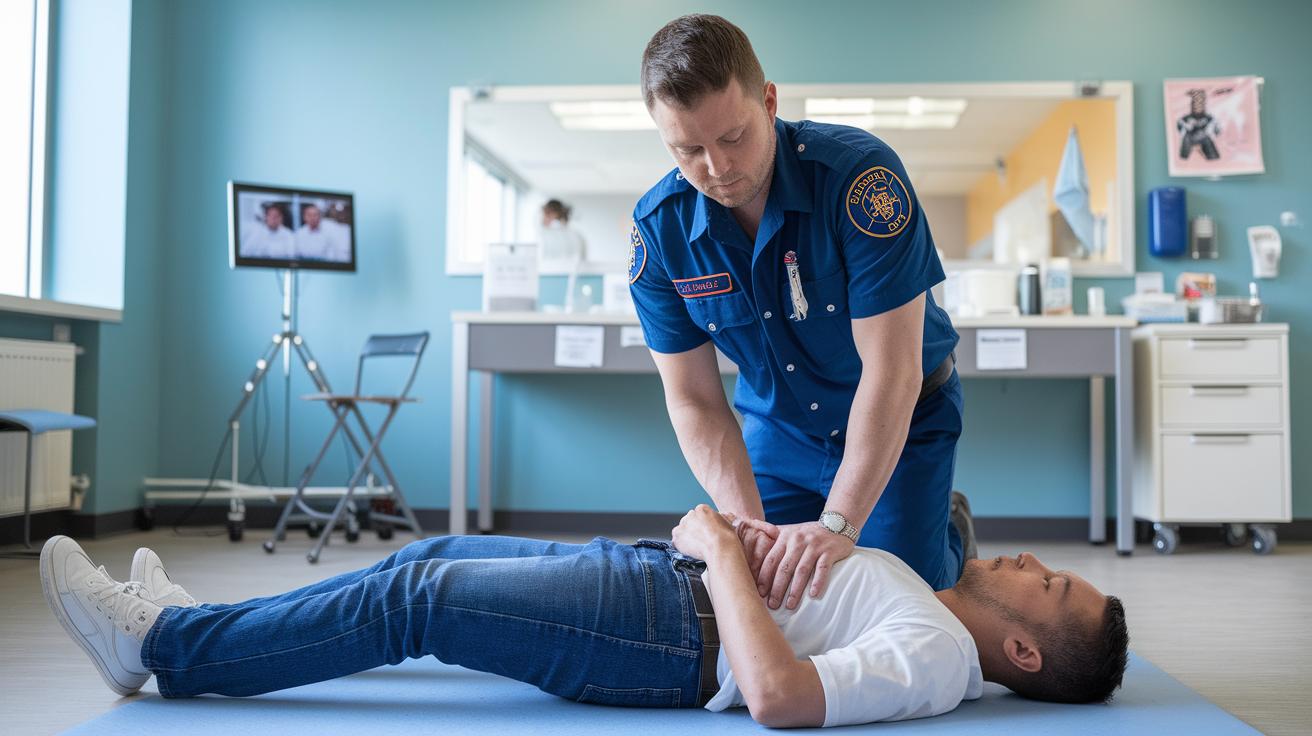

Quick Take: Choking happens fast, call 911 and act quickly with back blows and abdominal thrusts.
If you see someone choking:
• Call 911 immediately if they cannot breathe or speak.
• If you are trained, give firm back blows (sharp pats on the back) and abdominal thrusts (the Heimlich maneuver) to help clear the blockage.
• Keep watching their condition until help arrives.
When a blockage stops oxygen from reaching the brain, every second matters. I know this situation is scary, but a clear plan can make all the difference. Follow the steps above to provide quick help and save a life.
Core Choking Emergency Protocol Steps
-
Call 911 immediately.
When you suspect someone is choking, dial 911 right away. Don’t wait, fast help is crucial. -
Check the person’s condition.
If they can speak or cough, keep an eye on their breathing. If their airway is partly open, avoid extra interference. -
Give 5 firm back blows.
Have the person lean forward and hit them between the shoulder blades with the heel of your hand. This strong blow might clear the blockage. -
Do 5 abdominal thrusts (Heimlich maneuver).
Stand behind the person and put your fist just above their belly button (navel) and below the breastbone. Push inward and upward to help force the object out. -
Keep switching between back blows and abdominal thrusts.
Continue with sets of 5 back blows and 5 abdominal thrusts until you see the object come out or the person becomes unresponsive. -
If the person loses consciousness, lay them gently on a firm, flat surface.
Immediately start chest compressions. This helps keep the blood moving and might also dislodge the blockage. -
Clear the airway with care.
Only use a gentle finger sweep if you can see the blocking object. Avoid blind sweeps so you don’t push the object deeper.
Remember, more than 4 minutes without oxygen can lead to brain damage or death. Act quickly and carefully when every second counts.
Pediatric Choking Emergency Protocol for Infants and Toddlers

Quick take: Choking is a life-threatening emergency in young children. Act quickly and follow these steps.
If you see any of these emergency signs, call emergency services now (in the US, 911):
• The child is unresponsive.
• The child cannot breathe or is turning blue.
Common causes include small food items like hot dogs, grapes, raw carrots, and tiny toy parts. Follow the steps below based on the child’s age.
Infant Technique (Under 1 Year)
-
Hold the infant face down along your forearm.
Keep the baby’s head lower than the body. Hold the head gently with your hand so gravity can help move the blockage. -
Give 5 firm back blows.
With the heel of your hand, hit between the baby’s shoulder blades. One clear, firm hit may clear the airway. -
Turn the infant over onto your thigh.
Keep the head supported as you move the baby. This controlled position helps you continue rescue steps. -
Give 5 chest thrusts.
Place two fingers on the lower part of the breastbone (sternum) and press gently upward. Do not perform blind finger sweeps. Only try to remove an object if you can see it clearly.
If the infant stops responding, perform a gentle tongue-jaw lift and search for the object carefully. If the blockage does not clear, call 911 immediately.
Toddler Technique (Ages 1–4)
-
Stand or kneel behind the child.
Wrap your arms around their waist. -
Give quick, inward and upward abdominal thrusts above the navel (a modified Heimlich maneuver).
Continue until the object is expelled.
Remember, even if the child seems to recover, get help from a clinician as soon as possible. Monitoring closely after a choking event is very important.
Adult Choking Emergency Protocol and Special Populations
Quick take: If someone is choking with a complete blockage, act immediately with alternating 5 back blows and 5 abdominal (or chest) thrusts.
If you see any of these signs, call emergency services right away:
- The person cannot breathe, talk, or cough.
- The choking worsens or they become unresponsive.
- Red flags: loss of consciousness or increasing difficulty breathing.
When an adult (age 1 and older) shows a full airway blockage, begin with 5 firm back blows (sharp hits between the shoulder blades). Then, perform 5 abdominal thrusts by pushing sharply in the upper stomach area. Keep the person upright to help gravity work with you. Use firm, controlled movements but avoid too much force to prevent injuring internal organs.
If the blockage does not clear or the person becomes unresponsive, call 911 (or your local emergency number) without delay. Once the person loses consciousness, gently lay them on a firm surface and start chest compressions immediately. Chest compressions can help dislodge the object and keep the heart pumping.
For people who are pregnant or have a larger body size, do not use standard abdominal thrusts. Instead, perform 5 chest thrusts:
- Place your hand at the center of the breastbone.
- Push firmly upward.
This adjustment respects body changes while still providing the life-saving pressure needed to clear the blockage.
If you find yourself choking and alone, try these steps:
- Stand next to a firm surface or chair.
- Place your fist just above your navel against the edge.
- Thrust inward quickly to try to move the blockage.
- Repeat until you can breathe or help arrives.
Follow these steps carefully. If your efforts do not quickly improve breathing, call emergency services immediately and be ready to switch to chest compressions if you lose consciousness.
Scene Safety and Emergency Service Activation in Choking Protocol

Quick take: Clear the area and call for help if the victim’s breathing worsens.
Start by making sure you and the victim are in a safe spot. Remove any hazards like loose items or wet, slippery floors. If you are in a kitchen, dining room, or near a pool, check carefully for risks and clear them away.
If the victim can still cough or speak, watch them closely. Don’t perform back blows or abdominal thrusts right away. Instead, keep an eye on their ability to breathe. If their cough weakens or they show signs of a complete blockage, call 911 immediately to reduce the risk of oxygen loss and brain injury.
Steps to follow:
- Confirm that you and the victim are on a safe, stable surface.
- Eliminate nearby hazards that could hinder rescue.
- Continuously monitor the victim’s cough and speech.
- Call emergency services if breathing difficulties get worse.
Staying safe and acting quickly is key during a choking crisis.
Choking Prevention Methods and Post-Rescue Monitoring
Quick take: Simple changes during meals and careful monitoring after a choking incident can keep you and your loved ones safe.
Triage Box:
If you see any of these warning signs, call emergency services now:
- Trouble breathing or gasping
- Severe throat pain or discomfort
- Unusual drowsiness or confusion
Urgent: If these signs continue, seek same-day medical attention.
Watch and self-manage: Keep a close eye on any ongoing issues for at least 30 minutes.
Using everyday safety steps can lower choking risks. Always watch mealtimes closely so you can spot early signs of trouble. Cut foods into small, pea-sized pieces to help prevent blockages. Watch out for common hazards like hot dogs, grapes, or raw carrots, which can easily block a small airway. Also, keep small household items out of reach to avoid non-food choking risks. When children eat, make sure they stay seated and avoid walking or talking as they chew because this can lead to accidentally inhaling food.
After a choking event, keep a close watch on the person for at least 30 minutes. Check if they have trouble breathing, feel throat pain, or seem less alert. Any signs that continue should not be ignored. If you see these symptoms persist, seek medical help immediately to rule out any delayed complications.
Consider these steps for a safer mealtime:
- Supervise children at every meal
- Cut foods into pea-sized pieces
- Remove small household objects from easy reach
- Ensure kids sit down while eating
- Watch the rescued person for 30 minutes after an incident
Following these guidelines can lower choking risks and help you act quickly if any complications arise. Remember, these steps are helpful, but they don't replace advice from your pediatrician or doctor.
Choking Emergency Protocol: Swift Aid Saves Lives
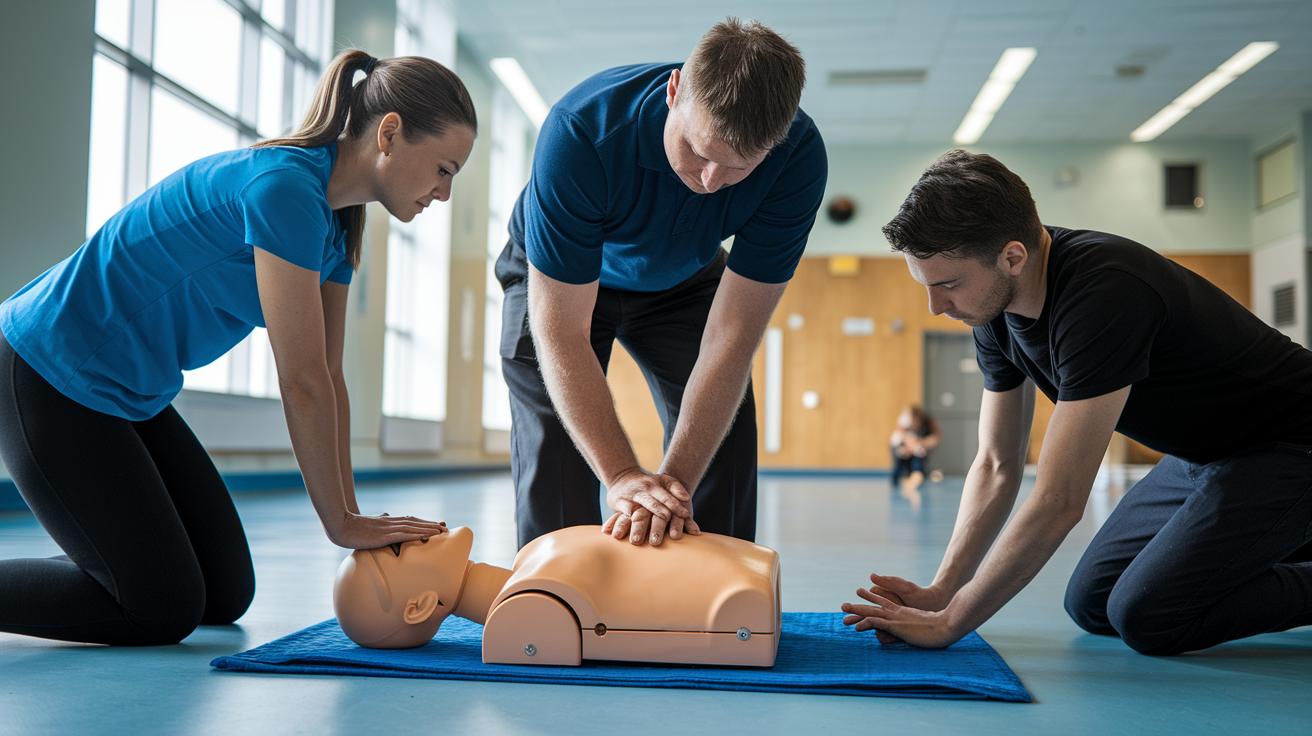
When every second counts, proper training gives you the confidence to act fast. Sign up for CPR and first aid classes from trusted organizations to learn life-saving techniques for choking emergencies. These sessions use hands-on drills that help you remember what to do, so you know exactly how to give back blows or abdominal thrusts (quick, strong pushes on the stomach) when you need them most.
Look for classes at local hospitals or community centers led by experienced instructors. In-person practice lets you fine-tune your skills and get immediate feedback. You can also boost your learning by watching reliable online videos that go over the key steps and common mistakes. Staying calm while you act is critical, it can really save a life.
Plan to take refresher courses every 1 to 2 years. Regular practice keeps your skills sharp so you're ready to step in when a choking emergency happens. Practice now, and be prepared to offer quick, effective help when it matters most.
Final Words
In the action, this article broke down lifesaving measures for a choking emergency protocol. We outlined steps for adults, children, and infants, ensuring you know when to act and when to seek help. Remember these seven key steps:
- Call 911 immediately.
- Check if the victim can talk or cough.
- Deliver 5 firm back blows.
- Give 5 abdominal or chest thrusts as needed.
- Alternate back blows and thrusts.
- Begin chest compressions if unresponsive.
- Monitor until emergency help arrives.
Stay prepared and take quick, confident action.
FAQ
Q: Choking emergency protocol PDF
A: The choking emergency protocol PDF provides a printable guide outlining 7 core life-saving steps. It covers back blows, abdominal thrusts, and chest compressions as clear, concise instructions for airway emergencies.
Q: Choking emergency protocol for adults
A: The adult choking protocol instructs you to alternate 5 back blows and 5 abdominal thrusts until the blockage clears. It includes modifications for pregnant or obese individuals and calls for chest compressions if the victim becomes unresponsive.
Q: Choking emergency protocol CPR
A: The choking emergency protocol for CPR integrates chest compressions when a choking victim becomes unresponsive. It advises performing 5 back blows and 5 abdominal thrusts before starting CPR to restore breathing and circulation.
Q: What should you do before giving breaths to an unresponsive choking person
A: Before giving breaths, first check the airway for visible blockage and begin chest compressions if the victim is unresponsive. Only use a finger sweep when you clearly see an object blocking the airway.
Q: Types of choking
A: Types of choking include partial blockages, where the victim can still cough or speak, and complete blockages, which entirely obstruct breathing and require immediate intervention with back blows and thrusts.
Q: What adjustment might you need to make when giving care to a small child who is choking
A: When assisting a small child, use a modified technique by delivering 5 back blows and 5 chest thrusts instead of abdominal thrusts, and avoid blind finger sweeps to safely clear the blockage.
Q: If the responsive choking person becomes unresponsive, what care should you give
A: If a previously responsive person becomes unresponsive, gently lower them to a firm surface, call 911, and immediately begin chest compressions while checking for any visible airway blockage.
Q: Heimlich maneuver
A: The Heimlich maneuver is an emergency abdominal thrust technique. It involves quick, upward thrusts to force air upward, helping to dislodge an object blocking the airway during a choking emergency.
Q: What is the 5 and 5 method for choking emergencies?
A: The 5 and 5 method involves giving 5 firm back blows between the shoulder blades followed by 5 abdominal thrusts. Alternate these measures until the obstruction is cleared or the person becomes unresponsive.
Q: What are the emergency steps for choking?
A: The emergency steps for choking are:
1. Call 911 immediately.
2. Check if the victim is responsive.
3. Deliver 5 firm back blows.
4. Give 5 abdominal thrusts.
5. Alternate back blows and thrusts.
6. If unresponsive, begin chest compressions.
7. Only perform a finger sweep if you see the object.
Q: What is the new protocol for choking?
A: The new protocol emphasizes early activation of EMS, alternating 5 back blows with 5 abdominal thrusts for complete blockages, and initiating chest compressions promptly if the victim becomes unresponsive, with age-specific modifications.
Q: What is the EMS protocol for choking?
A: The EMS protocol for choking focuses on rapid airway clearance by directing rescuers to perform alternating sets of back blows and abdominal thrusts, and to switch to chest compressions for unresponsive victims while adjusting techniques for infants, seniors, or pregnant individuals.