
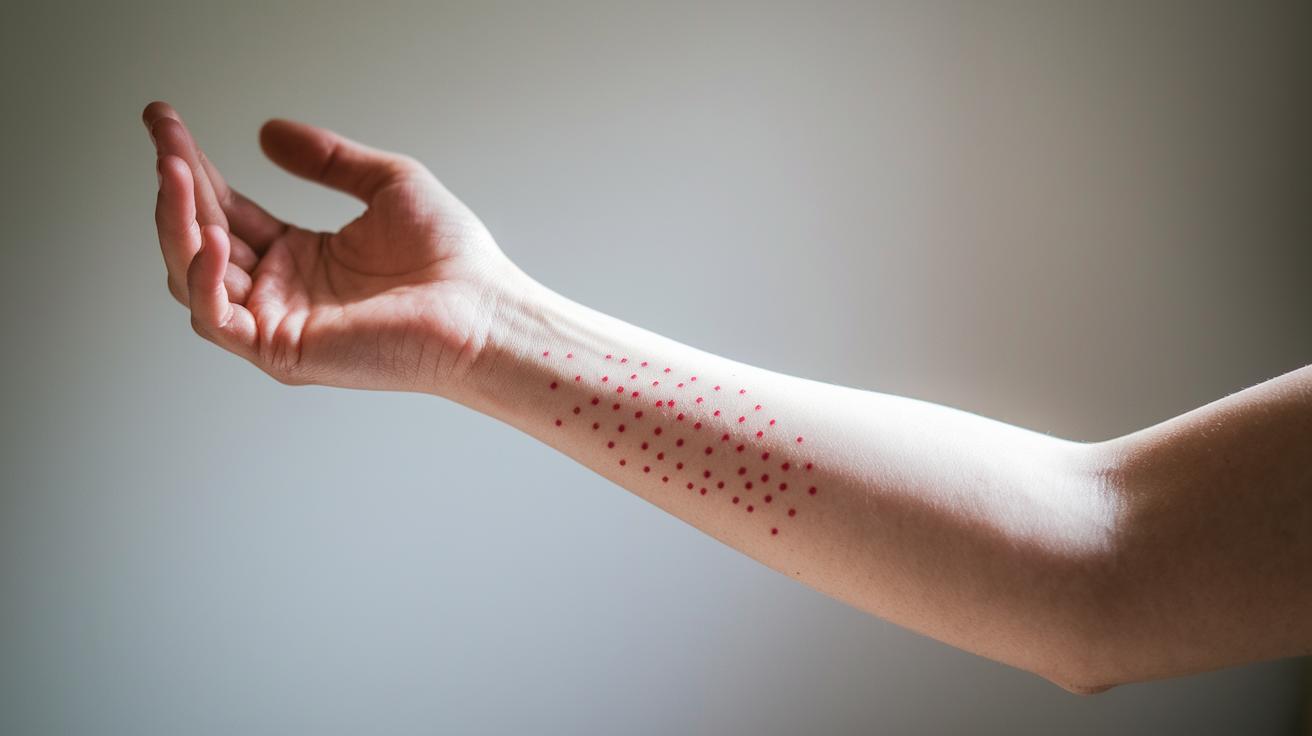

Quick take: Bumps on your arms can be a sign of dry skin, bacteria, or allergies. They often don’t need emergency care, but watch for changes.
Have you ever seen small, pimple-like bumps on your arms and wondered why they’re there? Sometimes they’re just dry or irritated skin. Other times, they can be your body’s response to bacteria or an allergy. Although they look like regular acne, they might also signal a deeper skin reaction.
In this guide, we explain common causes of these bumps. Use this information to decide if simple home care is enough or if you should talk with a doctor. Remember, if your bumps become painful, spread, or show signs of infection, it’s important to seek medical advice right away.
Common Causes of Bumps on Arms That Look Like Pimples
Quick take: Bumps on your arms may come from dry skin, bacteria, or allergic reactions.
If you have any of the following, call your doctor now:
• Severe pain or swelling
• Spreading redness or warmth
• Fever or pus that worsens
Bumps on your arms can stem from common skin issues that look much like pimples. Some look like acne, while others feel rough, almost like chicken skin. They may result from a mix of causes such as dryness, bacteria, or an allergy. For example, you might see tiny, rough bumps from a keratin build-up (a substance your skin naturally makes), clusters of inflamed bumps from bacteria infecting hair follicles, or quick, itchy wheals triggered by an allergen.
Keratosis pilaris causes small, rough bumps that usually match your skin tone and often appear on the arms and upper legs. Folliculitis creates clusters of red bumps, sometimes with pus, when bacteria invade hair follicles, this may happen after heavy sweating or using hot tubs. Hives are raised, very itchy spots that can pop up quickly because of allergens or stress.
True arm acne is different. It happens when pores get clogged with oil, dead skin cells, or dirt, and it might show up as blackheads, whiteheads, or pus-filled pimples. Knowing the differences between these conditions helps you decide whether to manage them with home care or ask for help from your healthcare provider.
| Condition | Appearance | Common Triggers |
|---|---|---|
| Keratosis Pilaris | Tiny, rough bumps that match your skin tone or are slightly red | Dry skin, friction, genetics |
| Folliculitis | Clusters of red bumps, sometimes with pus | Bacteria, tight clothing, sweating, hot tub use |
| Hives | Raised, very itchy spots | Allergens, stress, infections |
| True Arm Acne | Blackheads, whiteheads, or pus-filled pimples | Clogged pores from oil, dead skin, or dirt |
Differentiating Keratosis Pilaris from Pimples on Arms
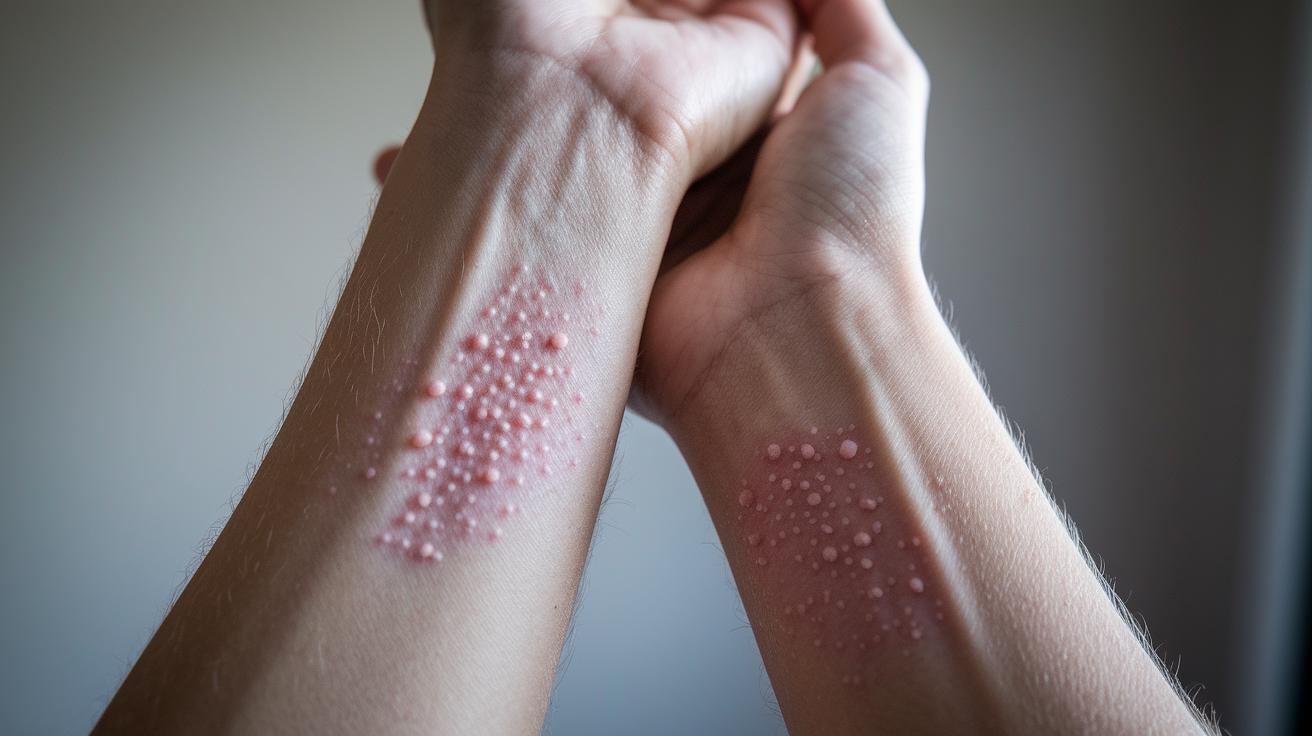
Keratosis pilaris, or chicken skin, shows up as tiny bumps caused by keratin (a skin protein) building up in your hair follicles. They feel rough, almost like fine, uneven sandpaper, and are more obvious on dry skin or during cold weather. The bumps are usually flesh-colored or red and may flare up when you rub or dehydrate your skin. You might notice them more in winter when the air is drier.
Pimple-like bumps on your arms come from clogged pores that trap oil, dead skin, or dirt. They can appear as blackheads, whiteheads, or soft, pus-filled spots that hurt when touched. Though both conditions create small bumps, keratosis pilaris comes from hardened keratin buildup, while arm pimples show inflammation and possible bacterial involvement.
| Feature | Keratosis Pilaris | Arm Acne |
|---|---|---|
| Appearance | Small, flesh-colored or red bumps | Blackheads, whiteheads, or pus-filled spots |
| Texture | Rough like fine sandpaper; worse on dry skin | Soft and tender when inflamed |
| Seasonal Pattern | Often gets worse in cold, dry weather | No clear seasonal change |
| Inflammation | Seldom inflamed; may flare with friction | Usually inflamed and can be painful |
Folliculitis and Papular Eczema Bumps on Arms that Mimic Pimples
Folliculitis
For details on folliculitis, including what causes it, triggers like heavy sweating, hot tubs, and tight clothing, and how to care for it, please see the earlier section.
Papular Eczema
Papular eczema creates small, itchy bumps on your arms when dry skin or allergens cause a reaction. If you scratch these bumps often, they may ooze a little. Dry weather, harsh detergents, and certain fabrics can make the irritation worse. Try these steps to help ease flare-ups:
- Use gentle cleansers
- Apply moisturizer regularly
- Avoid triggers you know
One study found nearly 40% of patients with papular eczema noticed less itch after switching to hypoallergenic skin care products.
At–Home Remedies and Treatment Options for Bumps on Arms that Look Like Pimples
Quick take: Most arm bumps come from clogged pores and irritation. With gentle daily care, you can help clear them up.
If you have any of these signs, call emergency services now:
• Fever or severe pain
• Rapid swelling or pus-filled bumps
If your bumps suddenly worsen or spread, seek same-day care. Otherwise, follow these simple home steps:
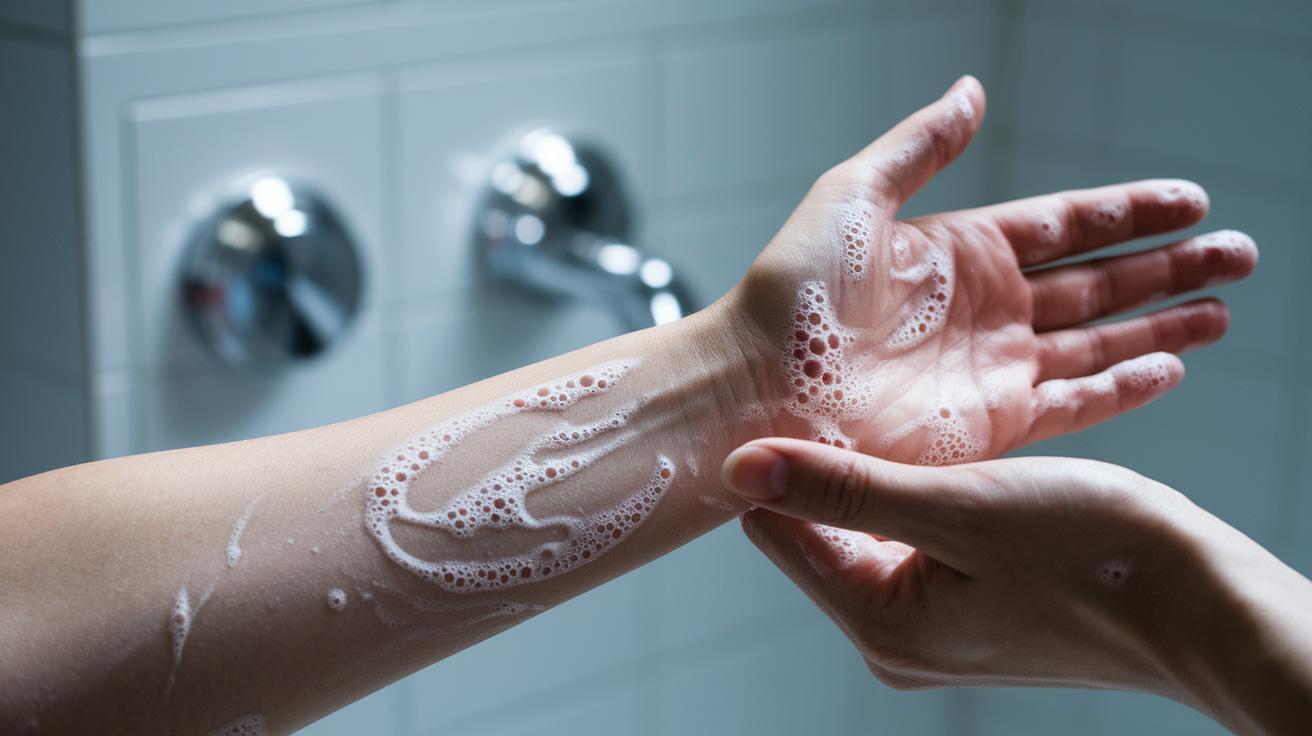
Keeping your skin clean is key. Washing your arms gently helps get rid of extra oil, dead skin, and germs that block your pores. Using mild, soothing products creates a soft barrier that calms irritation without making the bumps worse.
- Use a 10% benzoyl peroxide body wash. Lather it on the bumps and leave it for 3–5 minutes before rinsing. This helps kill germs and clear inflammation.
- Try an exfoliating wash with salicylic acid or glycolic acid. Gently work it into your skin to remove dead cells and unblock pores.
- Apply an over-the-counter cream that contains retinol or adapalene. These creams boost cell turnover and help prevent clogged pores.
- If your arms itch a lot, soak them in water mixed with an antihistamine. This mild soak can help calm the skin and reduce redness.
- Moisturize with a gentle cream after cleansing. It restores needed hydration and smooths out rough skin.
- Wear loose, breathable clothing. Loose sleeves let your skin breathe and reduce friction and irritation.
By using these steps, you help clear current bumps while preventing new ones from forming. Small, consistent changes can lead to smoother, healthier skin.
When to Seek Professional Care for Pimple-like Bumps on Arms
Quick take: If your bumps start spreading, becoming painful or red, it is time to see a doctor.
Watch for these signs:
- Bumps that quickly multiply or get larger.
- Skin that feels warm or looks swollen beyond the bump.
- Bumps that turn into open sores or become very tender.
These signs show that simple home care may not work. They can mean you have a skin infection (an illness caused by germs) or another inflammatory condition that needs special treatment.
If the bumps do not improve after 2 weeks, it is important to see your healthcare provider. They will check if you have conditions like eczema (itchy, red skin), psoriasis (patches of inflamed skin), or severe acne. Without treatment, these issues can leave scars or dark spots after healing.
Seeing a doctor early helps you get the right care to stop complications and keep your skin healthy.
Skincare Routine to Prevent Bumps on Arms That Resemble Pimples
Quick take: A gentle daily routine can help clear bumps on your arms.
If you notice increased redness, swelling, or pain, seek advice from a doctor.
Morning Routine:
• Wash your arms with a mild cleanser to remove oil and sweat.
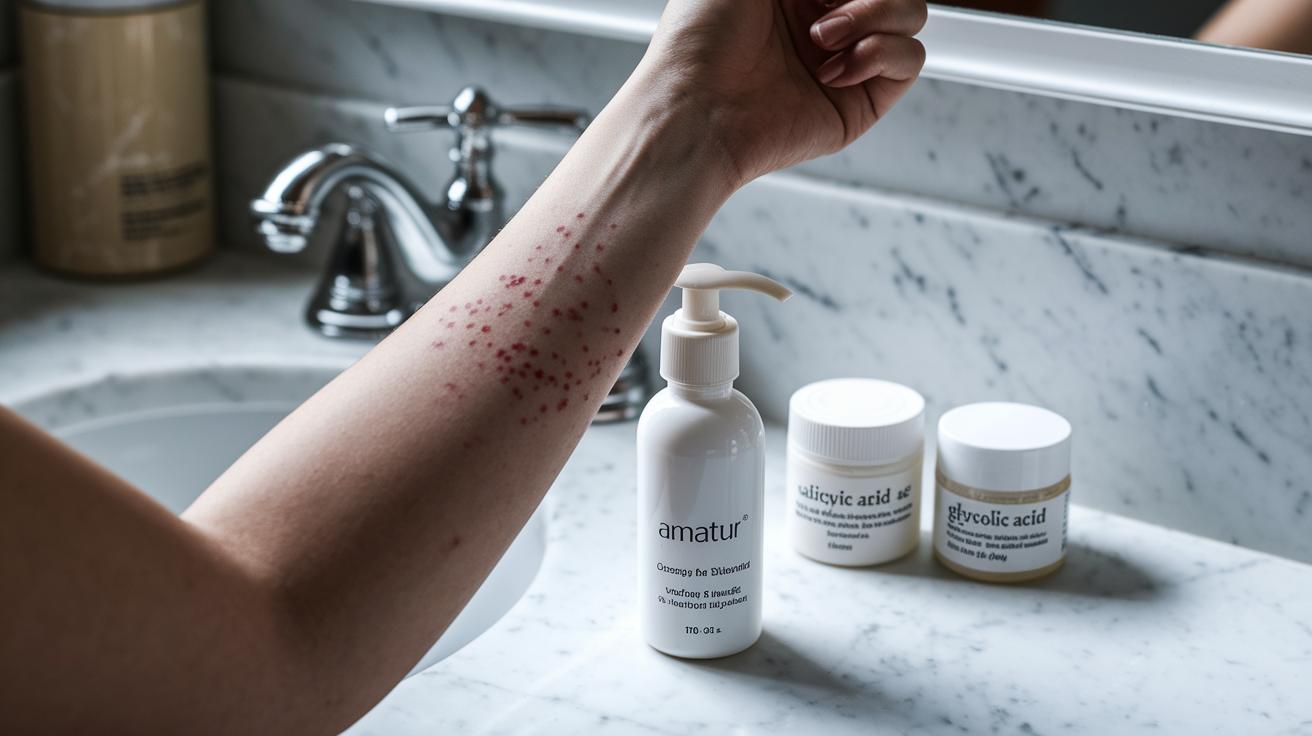
• Use a chemical exfoliant with salicylic acid (helps unclog pores) or glycolic acid (removes dead skin) to clear away dead skin cells.
• Apply a ceramide-rich moisturizer to repair your skin barrier and add SPF protection if you’re going outdoors.
For example, you could use a gentle cleanser, then a 2% salicylic acid solution, and finish with a barrier repair moisturizer that includes SPF.
Evening Routine:
• Cleanse your arms again to wash off sweat and bacteria built up during the day.
• Reapply a moisturizer enriched with ingredients like urea (locks in hydration) to keep your skin soft and clear.
Lifestyle Tips:
• Wear loose, breathable clothing to lessen friction.
• Shower soon after heavy sweating to help prevent clogged hair follicles.
This simple, daily care routine helps you manage skin bumps while keeping your arms healthy.
Final Words
In the action of breaking down skin bumps, we looked at causes like keratosis pilaris, folliculitis, and papular eczema, and compared them to acne. We shared practical self-care tips, home remedies, and advice on when to get medical help.
This guide also offered a daily routine to reduce and prevent bumps on arms that look like pimples. Working through these steps can help you manage symptoms better and stay on track toward smoother, healthier skin. Keep working on your routine for ongoing relief and confidence.
FAQ
What is keratosis pilaris, and how do its bumps appear?
Keratosis pilaris describes rough, tiny bumps usually on the arms that may be white or colorless. These bumps often resemble goosebumps and can sometimes be mildly itchy.
What causes pimple-like bumps on arms?
Pimple-like bumps on arms can be caused by clogged pores, folliculitis (infection of hair follicles), eczema, or mild acne, often triggered by sweat, friction, or dry skin.
How can keratosis pilaris be treated?
Keratosis pilaris treatment involves gentle exfoliation, consistent moisturizing, and using light chemical exfoliants like salicylic or lactic acid to help smooth the skin.
Can you squeeze out keratosis pilaris?
Squeezing keratosis pilaris is not advised as it can irritate the skin, lead to scarring, and won’t remove the underlying keratin buildup that causes the bumps.
Is keratosis pilaris an STD?
Keratosis pilaris is not an STD. It is a common skin condition stemming from a buildup of keratin around hair follicles and is completely unrelated to sexually transmitted infections.
What is molluscum rash in toddlers?
Molluscum rash in toddlers refers to a viral skin infection that causes small, firm, dome-shaped bumps with a central dimple; it spreads by skin contact and usually resolves on its own.
What causes bumps on legs that look like pimples?
Bumps on legs resembling pimples can result from keratosis pilaris, folliculitis, or eczema. Their formation often follows irritation, clogged hair follicles, or mild inflammation.