
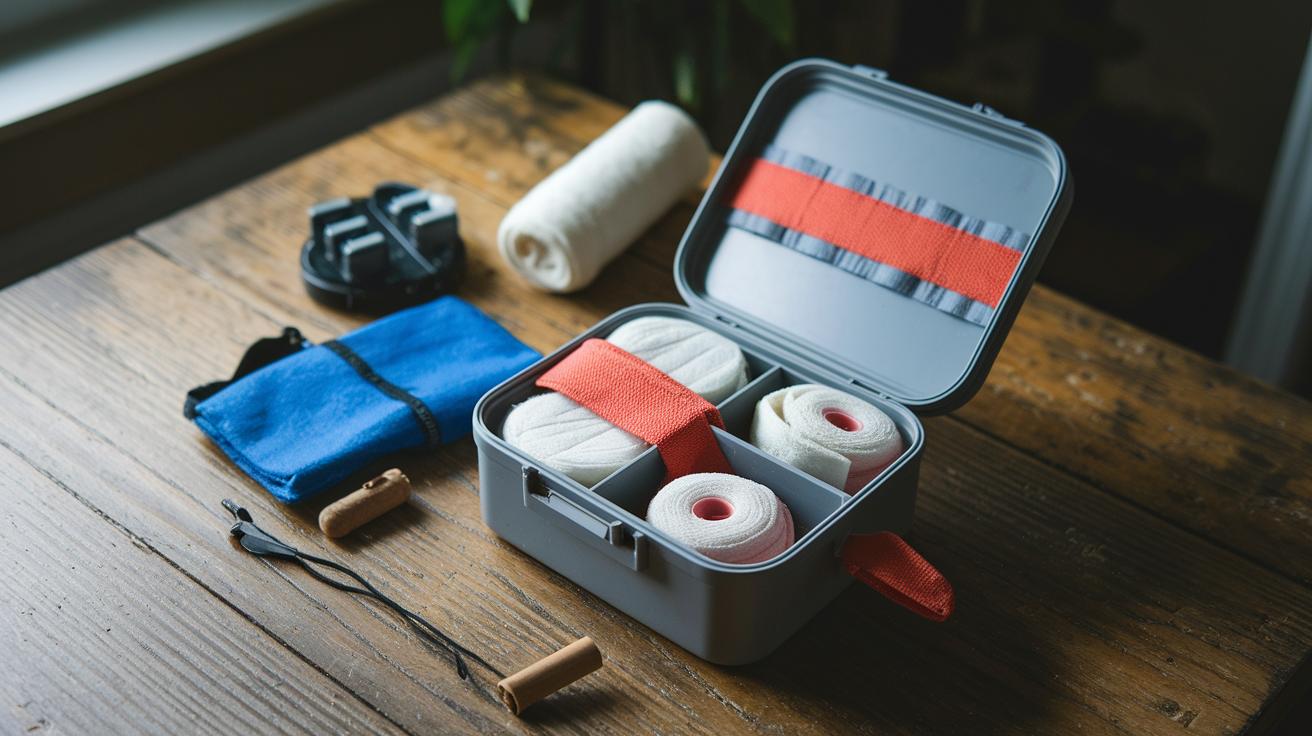

Quick take: A trauma first aid kit holds key tools that can control bleeding and keep airways open when every second counts.
When emergencies strike, standard first aid kits might not be enough. A trauma kit is designed for life-threatening crises. It has supplies that help stop bleeding and keep you breathing. These powerful tools boost care instantly. Many professionals trust a trauma kit during critical moments.
Read on to learn how a well-stocked trauma kit can be the difference between safety and dangerous delay.
trauma first aid kit: Boosting care instantly
When injuries are severe, you need more than a basic first aid kit to help. A dedicated trauma kit has the supplies to quickly control heavy bleeding and keep your airway open when facing life-threatening situations. Standard first aid kits often lack these special tools.
This type of kit is built for emergencies. It contains items that can stop blood loss and support your breathing right away. Professionals and first responders have trusted these items for years.
Here are some key supplies you might find in a trauma kit:
- Combat Application Tourniquet (Gen 7) – Helps stop severe bleeding from major limb injuries.
- SOF Tourniquet Gen 5 – Quickly controls heavy arterial bleeding.
- Compressed Gauze – Packs deep wounds to help form clots.
- Twin pack Hyfin Compact Vented Chest Seals – Seals open chest wounds to stop air from entering.
- Trauma Shears – Cuts clothing and materials fast in an emergency.
- Nitrile Gloves – Protects against infection by covering your hands.
- Hemostatic Agents – Aids clotting to control bleeding that is hard to stop.
- Elastic Bandages – Holds dressings in place over wounds.
- Airway Adjunct (nasopharyngeal airway) – Keeps your air passages open.
- Emergency Blanket – Helps keep body heat and prevent shock.
It is important to keep your supplies organized. Group items by what they do, such as bleeding control, airway management, chest trauma care, and personal protection. This way, when seconds count, you’ll be able to quickly grab the right tool.
DIY Trauma First Aid Kit Assembly Guide
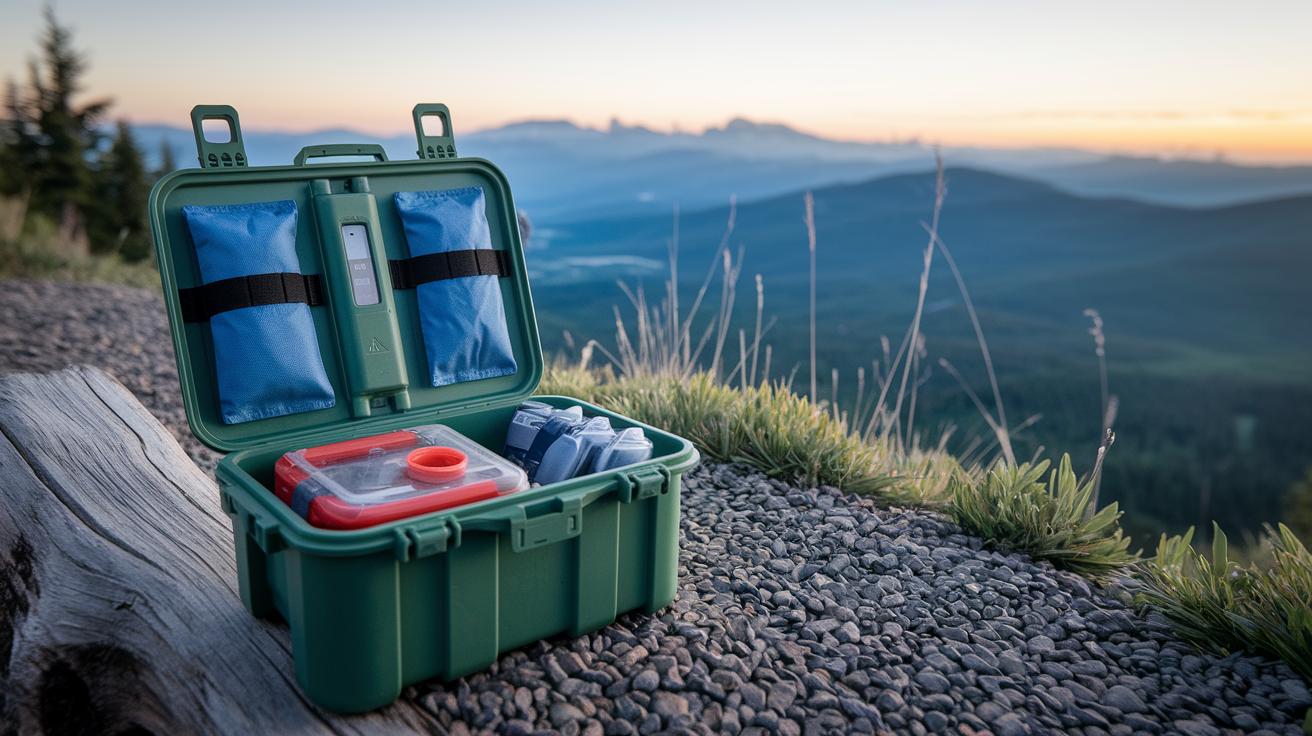
Start by choosing a tough container that can handle field use. Pick one that is watertight, rugged, and has secure closures. If it comes with adjustable pouches, you can set it up for a day hike or a longer trip. A compact kit works best when every item is safe and easy to find when you need it fast.
Next, gather your supplies and sort them into groups. Focus on essential items like bleeding control (stopping blood loss), airway management (helping you breathe), and protective gear. Place these items in separate sections so you can grab them quickly during an emergency. This clear grouping helps you respond without delay.
Finally, do a full check of your kit. Make sure all medications are not set to expire for at least 12 months. Label each compartment clearly, and add a simple instruction sheet that explains how to use each item during times of stress. This final review ensures your kit is ready for immediate use when it matters most.
Ready-Made Trauma First Aid Kits: Comparison and Recommendations
Comparative reviews help you pick the right trauma kit for your emergency needs. In tests that mimicked real emergencies, experts checked 15 top trauma kits. They scored each kit on how correct its supplies are, the quality of the items, how well they work for groups, the strength of the case, and the total weight. These scores show which kits hold up when it matters most. They also guide you on which kit might work best for tactical, military, or survival use.
| Kit Name | Rating | Key Features | Best Use |
|---|---|---|---|
| D.A.R.K. Trauma Kit | 9.2 | Durable case, full set of tools, top seller for 10+ years | Tactical and Urban |
| S.P.E.A.R. Trauma Kit | 9.0 | Compact design, hospital-grade shears, strong performance | Urban and Field |
| Surviveware Small | 9.0 | High inventory accuracy, flexible layout, lightweight | Day Hikes and Urban |
| Adventure Medical Kits Mountain Series Hiker | 8.0 | Reliable kit for the backcountry, built tough for long use | Wilderness |
| MyMedic Combat Pack | 8.5 | Specialized kit with fine-point tweezers and smart storage | Tactical/Specialized Missions |
These choices give you options for different scenarios. In urban areas where speed and compact size are key, the S.P.E.A.R. Trauma Kit and Surviveware Small are ideal for quick access to important supplies. For remote or wilderness trips, the Adventure Medical Kits Mountain Series Hiker offers proven durability in tough conditions. Tactical teams and combat medics might lean toward the robust D.A.R.K. Trauma Kit or the specialized MyMedic Combat Pack. Pick the kit that best matches your surroundings and mission.
Using Your Trauma First Aid Kit: Critical Emergency Techniques
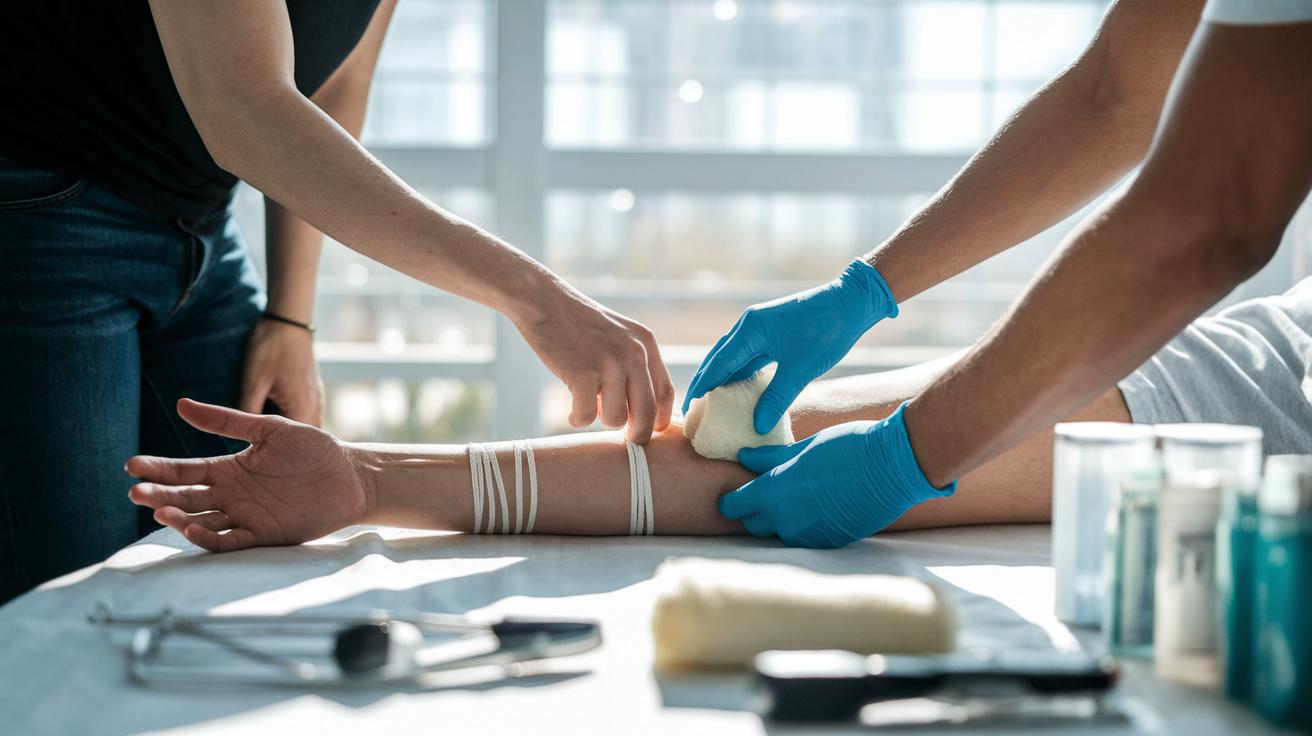
When bleeding is heavy, a tourniquet can save a life. Place it about 2–3 inches above the cut and not over a joint. Pull the strap tight until the bleeding slows down or stops. Then, click the buckle to lock it in place. Check that the windlass (a rod used to tighten the band) is secure so the pressure stays steady.
For deep wounds that keep bleeding, use compressed gauze. Open the gauze and pack it gently into the wound, filling the space completely. Next, press firmly and evenly on the area to help slow the bleed and form clots. Keep steady pressure until the bleeding is much less.
For injuries where the chest is open, quickly use a vented chest seal. If you can, clean the area around the wound first. Remove the backing from the seal and place it directly over the injury to make an airtight cover. The vent lets air escape so that pressure does not build up dangerously.
Practice these skills regularly with drills and hands-on training. Repeated practice builds your muscle memory and confidence, so you can act fast in an emergency. Also, review your kit and skills often to fill any gaps in your knowledge or supplies.
Maintaining a Trauma First Aid Kit: Inspection and Restocking
Every 3 months, check your trauma kit by comparing each item to the manufacturer’s list. Look over the cases, pouches, and closures to ensure they are secure and in good shape. A simple visual check helps catch any wear or damage before you really need the kit.
Make sure all medications and supplies have at least 12 months before they expire. Use a digital scale to spot any missing items and test the strength of the pouch closures. Weighing your kit can reveal small differences that might otherwise go unnoticed. This step keeps your supplies safe and effective.
Restock your kit every 6 to 12 months and keep a clear record. Log the dates of inspections and note any replaced items on an inventory sheet. Consistent record-keeping helps you stay organized and confident that your trauma kit is ready when an emergency happens.
Trauma First Aid Kit Standards: Regulatory Guidelines and Certifications
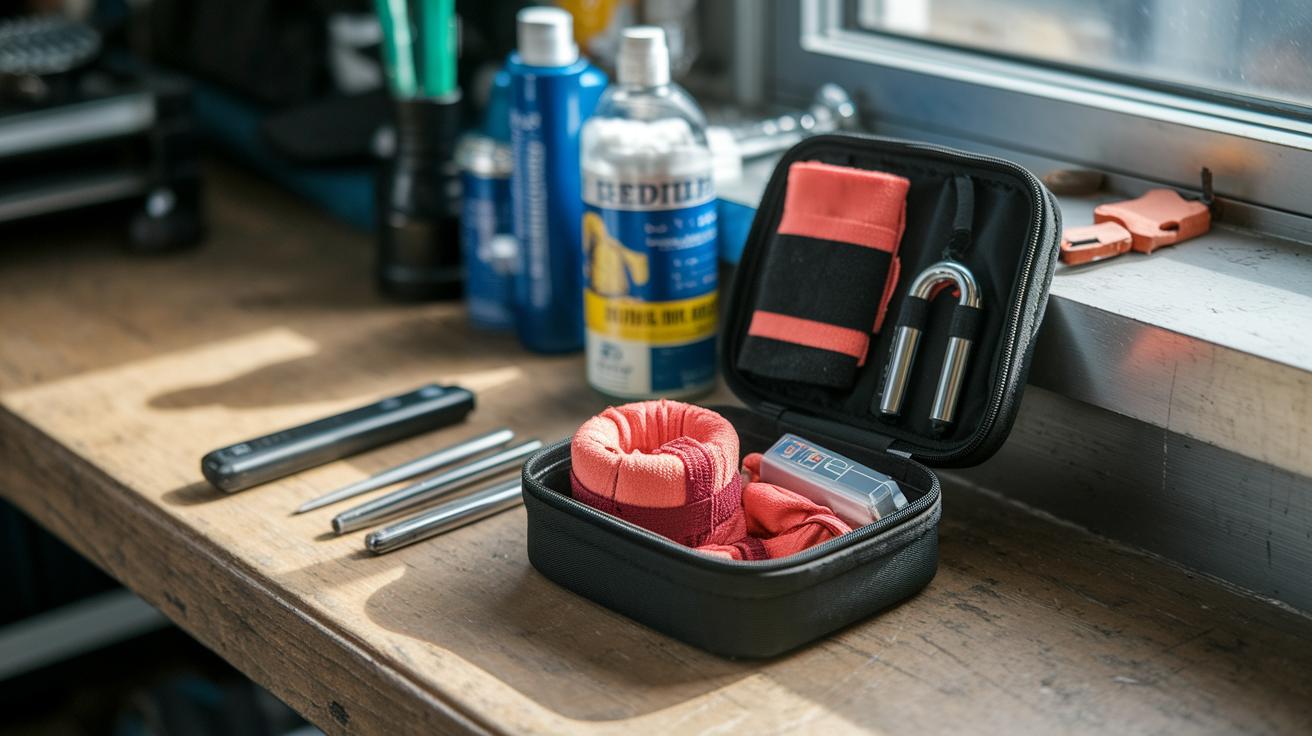
Quick Take: Follow the approved safety standards when you put together your trauma first aid kit so you can act fast in an emergency.
When you build your kit, it is important to stick to established rules. Doing so makes sure your kit works well, is safe, and meets reimbursement rules for both work emergencies and high-risk situations.
OSHA and Workplace Requirements
OSHA requires that every workplace kit has key items to control heavy bleeding. These include tourniquets and hemostatic gauze (special bandages that help stop bleeding fast). Using the right supplies not only protects workers but also allows for quick medical help when needed.
HSA/FSA Approval and Coverage
If your kit items are labeled correctly, many of them may qualify for HSA/FSA reimbursement. That means your health spending account could cover the cost if you have proper labeling and documentation to show each product meets the safety criteria.
Military Standards for Trauma Kits
Military trauma kits must follow strict MIL-STD 129 packing standards and use the MARCH method (a step-by-step way to provide care from head to toe). This system ensures that every item is arranged correctly and is easy to reach during an emergency. These kits are also tested to make sure they hold up well under tough conditions.
Remember to check the official standards regularly and consider taking a certified training course to keep your emergency response skills current.
Final Words
In the action, this guide broke down what makes a trauma first aid kit vital for handling severe injuries. You saw the essential components, learned how DIY options differ from ready-made kits, and explored clear methods for emergency treatment techniques.
We highlighted how to organize supplies for fast access and the steps for regular inspection and restocking. A well-prepared trauma first aid kit goes a long way toward saving lives. Stay prepared, stay safe, and keep building your reliable emergency trauma supplies.
FAQ
What should be in a trauma first aid kit?
The trauma first aid kit should include supplies for severe injuries, such as tourniquets, compressed gauze, chest seals, trauma shears, nitrile gloves, hemostatic agents, elastic bandages, airway adjuncts, and an emergency blanket.
What is the difference between a trauma kit and a first aid kit?
The trauma kit is designed for life-threatening injuries and severe bleeding, while the first aid kit addresses minor injuries and routine care, making the trauma kit more specialized with advanced hemorrhage control items.
How can I get a free first aid kit from FEMA?
FEMA may distribute free first aid kits during disaster relief efforts, but availability depends on current emergency programs and local distribution centers. Check with your local emergency management office for details.
How do I build a trauma first aid kit?
To build a trauma first aid kit, choose a durable container, source essential supplies like tourniquets and chest seals, organize items by function, and schedule regular checks to replace expired items.
What distinguishes military or tactical trauma kits from regular kits?
Military and tactical trauma kits are designed for high-risk environments. They include advanced supplies like combat tourniquets and specialized gauze and are built with rugged cases to withstand harsh conditions.