

Quick take: CPR is a proven, life-saving skill you can use when seconds count.
If you see someone unresponsive and not breathing:
• Call emergency services immediately.
• Check if they wake up.
• Begin chest compressions right away.
CPR (cardiopulmonary resuscitation) is a simple method that can truly make a difference. When a person’s heart stops or they stop breathing, these clear steps may help save their life. We break down the process into easy-to-follow actions, from checking for a response to giving chest compressions. Each step is designed so you can act quickly and confidently in an emergency.
Learning these techniques can empower you in a critical moment. Remember, if any red flags are present, do not hesitate to call emergency services and start care immediately.
First Aid CPR: Core Emergency Response Techniques
Quick Take: If someone stops breathing or their heart stops beating, act fast by following the steps below.
If you see a person unresponsive, check quickly for breathing and a pulse. If they do not respond, call 911 now. A 911 dispatcher can give you simple, clear instructions even if you have never performed CPR before.
CPR is a lifesaving method used when a person's heart stops or they stop breathing during events like heart attacks or near-drowning incidents. Acting immediately helps keep blood flowing to the brain and vital organs until professional help arrives.
Follow the C-A-B steps:
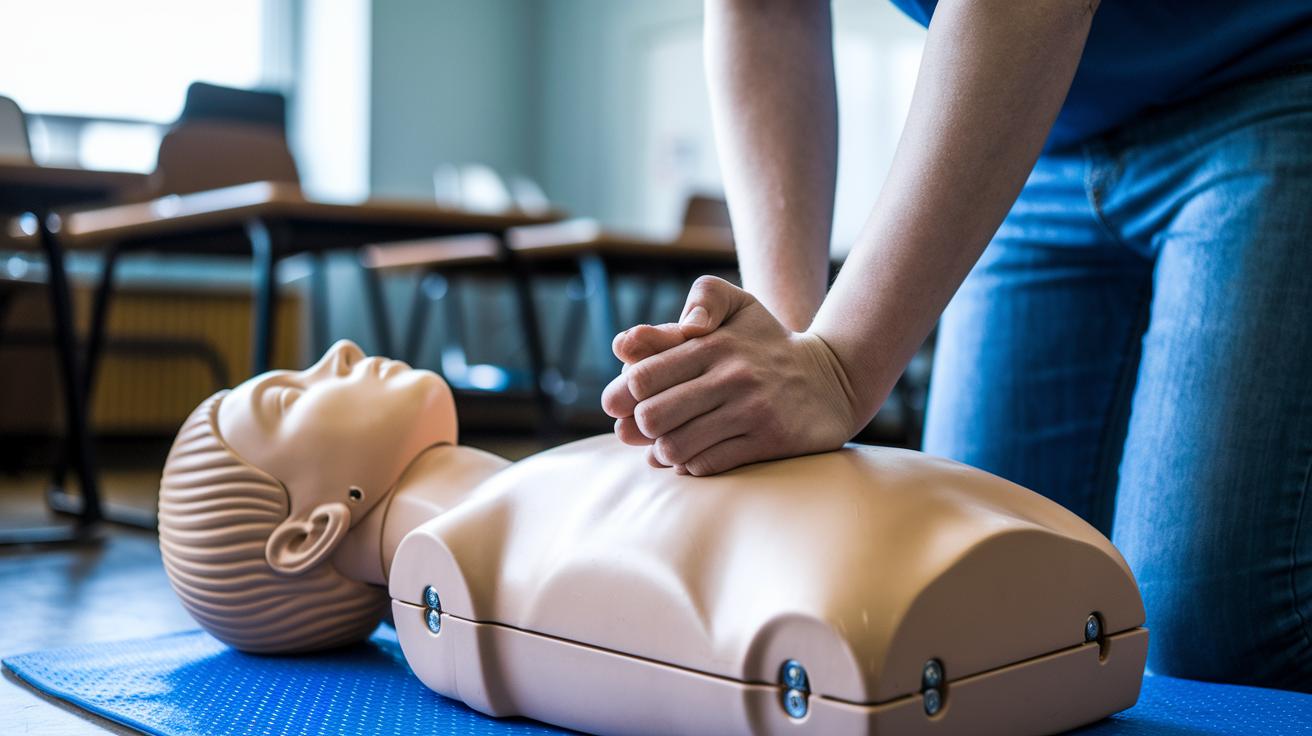
- Compressions: Place the heel of one hand on the center of the chest and your other hand on top. Keep your elbows locked and your shoulders directly over your hands. Push down about 2 inches (5 cm) but no more than 2.4 inches (6 cm). Aim for 100 to 120 compressions every minute.
- Airway: Open the airway by tilting the head back and lifting the chin. Place one hand on the forehead and the other under the chin.
- Breathing: Pinch the nostrils shut and cover the person’s mouth with yours to create a tight seal. Give a one-second breath and watch for the chest to rise. Deliver a second breath before starting compressions again.
Call 911 immediately if you suspect a cardiac arrest. Follow any extra directions the dispatcher offers and continue working until help arrives.
First Aid CPR Modifications for Adults, Children, and Infants
CPR methods differ based on age. Each group needs a slight change in technique so you can help safely until professional help arrives.
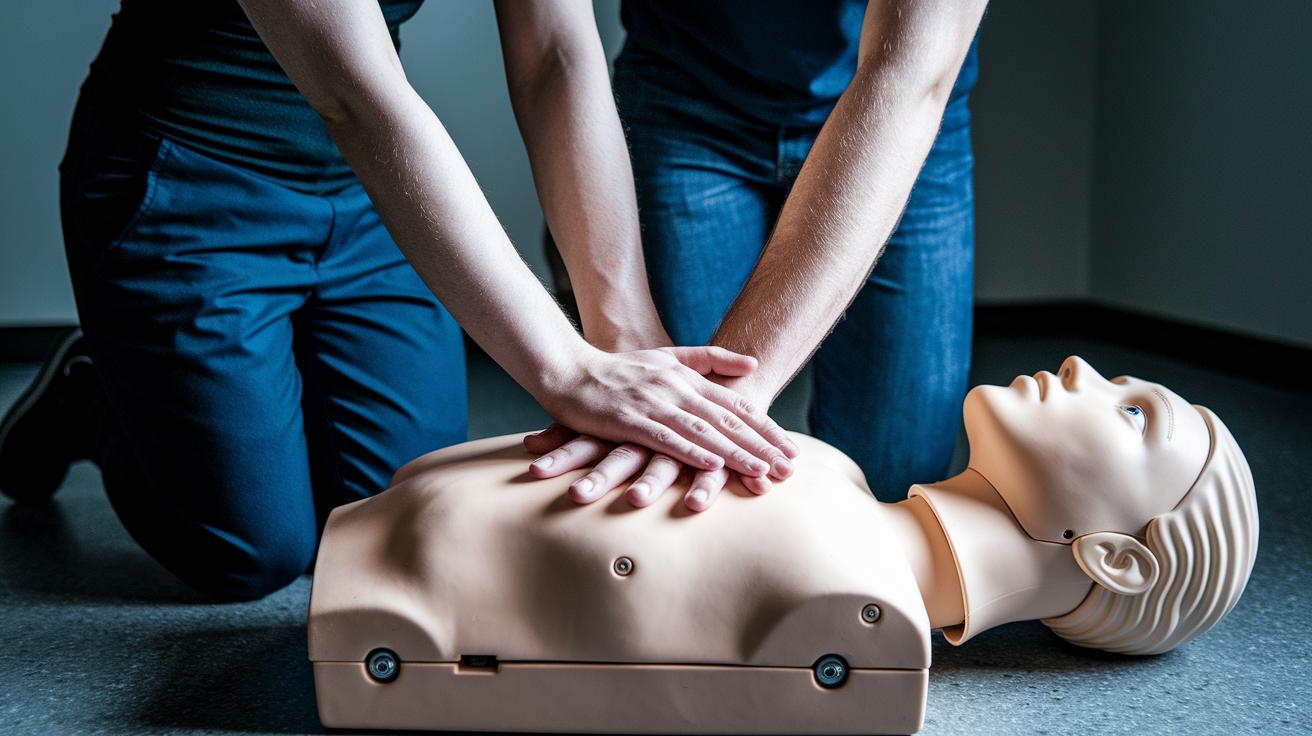
For adults, use the typical C-A-B order. Place the heel of one hand on the center of the chest and put your other hand on top. Keep your elbows straight and your shoulders over your hands. Push down about 2 inches at a rate of 100 to 120 compressions per minute. After 30 compressions, open the airway with a head tilt and chin lift, seal your mouth over theirs, and give one breath per second as you watch for the chest to rise.
For children between 1 year and puberty, the steps are similar to adults but gentler. If you are alone and the collapse was unwitnessed, start with chest compressions for about 2 minutes before calling for emergency help and getting an AED if possible. Use less force to prevent injury while still doing 30 compressions followed by rescue breaths.
For infants (aged 4 weeks or older), cardiac arrest is often due to a lack of oxygen. Lay the baby on a firm, flat surface. Use two fingers to press down about 1.5 inches at a rate of 100 to 120 compressions per minute. Open the airway with a gentle head tilt and cover both the mouth and nose with your mouth to give a gentle breath.
Practice these techniques under supervision to keep your skills sharp.
Integrating AED Use in First Aid CPR
Quick take: Acting fast with an AED can save a life in cardiac arrest.
Triage Steps:
• Call emergency services immediately if the person is unresponsive and not breathing.
• Use the AED right away as directed.
• Begin CPR and follow the AED prompts until help arrives.
AEDs are key tools when a person’s heart stops (cardiac arrest). Many first aid courses now teach you how to use an AED along with CPR so you can help when every second counts. Using an AED quickly can double or even triple someone’s chance of survival.
If you find an AED, turn it on immediately and follow the voice prompts step by step. Place the pads on the person’s bare chest as shown and then step back so the device can check the heart’s rhythm. If it tells you to shock, do so right away and then begin chest compressions as instructed.
After giving the shock, continue with strong chest compressions while watching the person’s condition. If you are trained and include rescue breathing, using a HEPA-filtered bag-mask device (equipment that helps give safe breaths) can lower the risk of infections. Follow the AED’s guidance and keep doing CPR until emergency responders take over.
Safety Precautions and Red Flags in First Aid CPR
Quick take: Look for hazards and use proper technique to protect both you and the victim.
| Red Flags | Action |
|---|---|
| Moving traffic, fires, or exposed wires | Stop immediately and secure the area |
| Signs the victim’s condition is worsening | Call for backup and reassess the situation |
| Rescuers showing fatigue | Swap rescuers every 2 minutes |
| Possible neck injury | Avoid head tilting and handle gently |
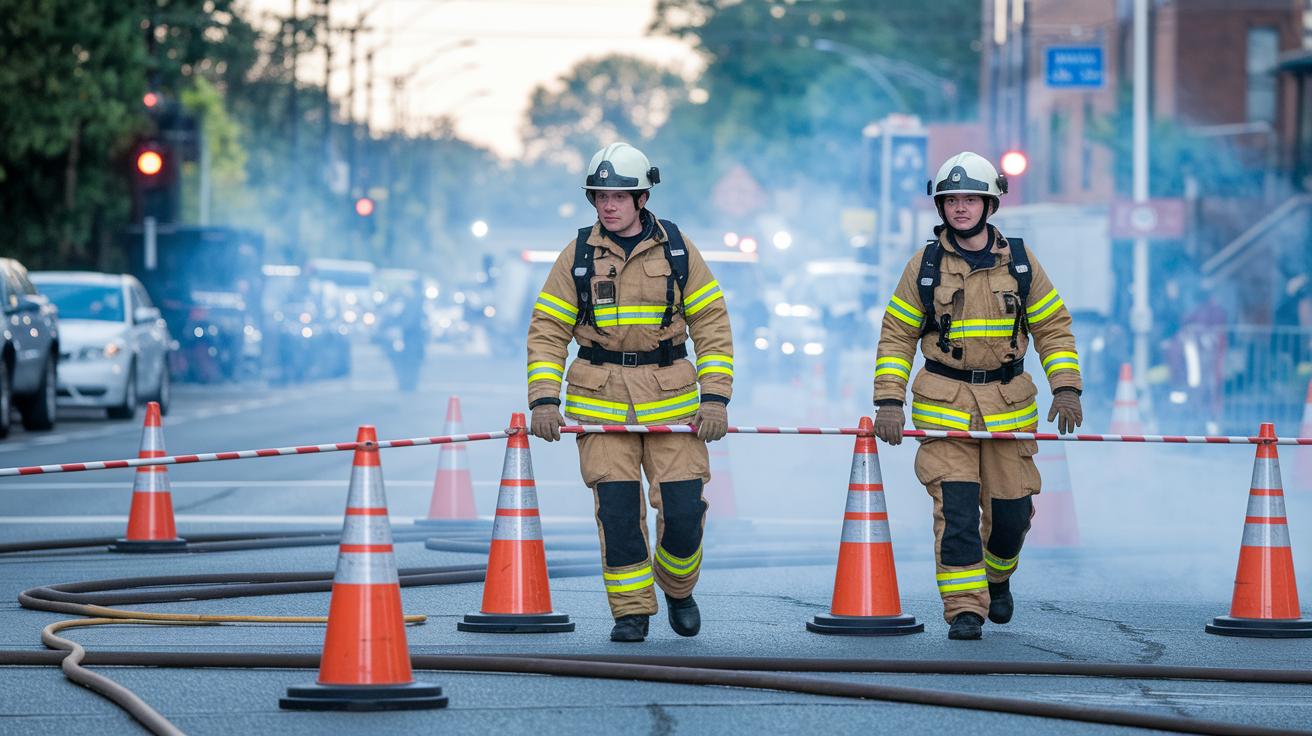
Before you begin CPR, take a moment to scan your surroundings for any danger. Look out for moving vehicles, flames, or any loose electrical wires. Wear gloves and a face shield to lower your risk of disease. Think about it like checking for cars before stepping onto a busy street. Your safety must come first.
When you start CPR, keep your body in a safe, strong position to protect both you and the victim. Place your hands correctly and do not push deeper than 2.4 inches, which could break ribs. Stay in a steady rhythm and be gentle if you suspect a neck injury. A soft, careful touch can help prevent further harm.
If you notice that rescuers are growing tired or if the victim’s condition changes, pause and call for help immediately. Rotate people every 2 minutes so each compression stays strong and steady. And if things seem to worsen or you think the victim might be injured, stop CPR until a trained professional takes over. Follow these steps to keep everyone safe and comfortable.
First Aid CPR Training and Certification Options
Quick take: These 2025 training courses meet the latest standards to help you act quickly in emergencies.
The new 2025 guidelines include courses like Heartsaver First Aid CPR AED, Basic Life Support (BLS), Advanced Cardiovascular Life Support (ACLS), and Pediatric Advanced Life Support (PALS). They are made for both healthcare workers and the general public. These courses focus on workplace safety, community emergencies, and specific urgent situations. They cover topics such as emergency heart care (cardiac care) and fast response techniques, giving you trusted, up-to-date skills. You also receive a digital record of your achievement that includes CPR eCards and answers to common questions.
Training comes in many flexible formats. You can attend in-person instructor-led sessions, blended courses that combine online and classroom learning, full eLearning courses, or community workshops. Local classes are easy to find using online search tools provided by accredited organizations. This variety lets you choose the method that best fits your busy schedule. Most courses include real-life scenarios and hands-on practice so you know how to act fast when it counts.
Your certification is good for 2 years. When it expires, you can recertify through hands-on refreshers or online lessons. Digital portfolios and support tools guide you through the recertification process. Keeping your skills current means you stay ready and confident to help when emergencies arise.
Final Words
In the action, we explored first aid cpr fundamentals, from the C-A-B steps (compressions, airway, breathing) to key safety checks. We covered variations for adults, children, and infants, integrated AED use, and underscored red flags to protect both rescuer and victim.
We also reviewed training paths and recertification options to keep skills current. Keep practicing these steps; every careful move matters. Stay prepared, be confident, and always act safely when lives depend on it.
FAQ
What is First Aid CPR Practice Test?
The first aid CPR practice test checks your knowledge of basic emergency response techniques and guidelines, helping you prepare for certification by simulating real test questions.
What is First Aid CPR Certification?
The first aid CPR certification shows that you have completed a reputable course in life-saving measures, including CPR, AED use, and first aid techniques, proving your readiness to act in emergencies.
How can I get First Aid CPR Certification online, in-person, or for free?
First aid CPR certification is available through online modules, in-person classes, and sometimes free courses. These options meet national guidelines, including programs from the Red Cross and OSHA-approved courses.
What is a First Aid CPR Card?
The first aid CPR card is a printed or digital certificate that verifies you have completed a certified training course and are qualified to perform life-saving first aid and CPR measures.
What does OSHA-approved First Aid/CPR/AED Certification mean?
OSHA-approved First Aid/CPR/AED certification means the training meets Occupational Safety and Health Administration standards and guidelines, ensuring reliable techniques for emergency care in workplaces.
What First Aid/CPR Certification Options are available from the Red Cross?
The Red Cross offers first aid/CPR certification courses in both instructor-led and blended formats, following strict guidelines to teach essential emergency response and life-saving skills.
What are the 7 steps of CPR?
The 7 steps of CPR are checking scene safety, assessing responsiveness, calling emergency services, starting chest compressions, opening the airway, providing rescue breaths, and continuing cycles until help arrives.
Is it still 30 Compressions to 2 Breaths in CPR?
The 30 compressions to 2 breaths ratio remains a standard guideline for adult CPR, ensuring effective circulation and oxygenation until advanced care is available.
What is CPR in first aid?
CPR in first aid is a critical life-saving technique that uses chest compressions and rescue breaths to maintain blood flow and oxygen delivery when a person has stopped breathing or their heart has stopped.
What are the 4 C’s of CPR?
The 4 C’s of CPR refer to checking responsiveness, calling for help, performing effective compressions, and continuing care until professional assistance arrives.