

Quick take: Getting prepared now helps keep your family safe when disaster strikes.
When disaster hits, a clear plan can make all the difference. Create a written plan that shows easy exit routes and list the items you need in a three-day emergency kit. It might seem like extra work, but knowing everyone is prepared brings priceless peace of mind. This guide offers simple steps to help you act quickly and protect those you love when every second counts.
Essential Emergency Preparedness Steps
Quick take: A clear, simple plan can keep you and your family safe when disaster strikes.
If danger is immediate (like a fierce fire or a sudden storm), call emergency services right away.
Start by checking your local risks. Look for hazards such as hurricanes, wildfires, earthquakes, floods, home fires, or winter storms. Knowing these helps you plan well.
Next, write down your emergency plan. List your most important contacts, choose two exit routes, and pick a safe place to meet outside your area. It may seem basic, but a written plan guides quick action when every second counts.
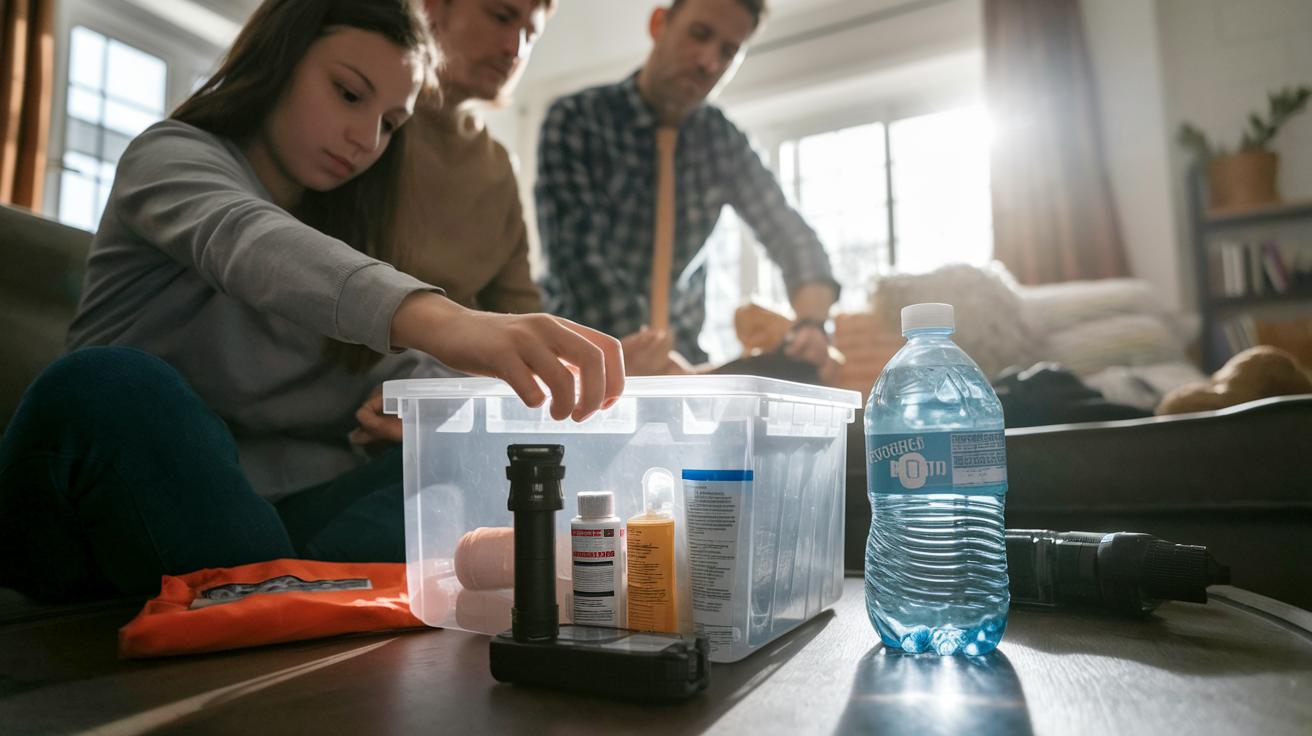
Make an emergency kit. Pack water, nonperishable food, a flashlight, important medications, and items for pets or family members who need extra care. Keep it handy so you are ready to go if needed.
Practice your plan with your family. Run through the steps in a short drill to build confidence. It might be a bit scary, but practice makes it easier when time is short.
FEMA reminds us each September to stay ready for the unexpected. Follow the Red Cross Ready steps: know your risks, make a plan, and build your kit. Planning ahead now means you’re better prepared to protect everyone when an emergency happens.
Building Your Emergency Supply Stock List

Quick Take: Being prepared with a well-organized kit can help you act quickly and keep your family safe.
Triage Box:
• Water for 3 days
• Nonperishable food plus can opener for 3 days
• Family first-aid kit
• Battery or crank radio
• Flashlight with extra batteries
• One blanket or sleeping bag per person
• Extra clothing
• Face masks
• Hygiene supplies
• Copies of important documents in a waterproof container
• Local maps
• Cash
Plan Your Kit:
Creating an emergency kit is like putting together a toolbox for tough times. You want to include supplies like water, food, first aid items, and tools to help you stay safe. One family felt secure knowing they had a printed list with items such as a battery-powered radio and extra clothes, ready when time was short.
Store Smart:
Pick a secure, easy-to-reach spot for your kit. Use a container that is tough and weatherproof. Label the container clearly so that items like your tool kit (ax, shovel, screwdriver, duct tape) and fire extinguisher can be found fast. A bright label can save precious minutes in an emergency.
Keep It Fresh:
Check and rotate your supplies every 6 months. Write down expiration dates and update your list. Keep your kit in a place that stays cool and dry. This steady upkeep ensures that everything works when you need it most.
Family Emergency Evacuation and Crisis Plan
Quick take: In an emergency, use this plan to keep everyone safe and connected.
Triage Box:
- Call emergency services if you face immediate danger.
- Head to your backup meeting point if your usual exit route is blocked.
- Contact your designated out-of-area contact if you lose connection.
Plan a clear emergency strategy by adding better communication steps to your basic preparedness. Instead of just marking exit routes, set up specific meeting spots and create a current phone list for every family member. Choose one person outside your area as your main contact.
Prepare your plan to handle lost communication. List steps for using mobile apps and battery-operated devices. Add simple signals or secret codes that everyone understands so you can share news quietly even when normal lines fail.
Practice your plan often. Run drills that include unexpected problems like roadblocks or phone outages. These rehearsals help everyone get comfortable with alternative ways to stay connected when every second counts.
Workplace Emergency Preparedness Strategy

Quick take: Identifying risks and planning ahead keeps everyone safe.
If you spot any of these danger signs, call emergency services immediately: blocked exits, severe chemical spills, or dangerous equipment faults.
Regular checks help uncover hazards such as chemical leaks, broken equipment, or jammed exit routes. When you conduct these hazard assessments often, you gain a clear view of potential dangers. Routine evacuation drills let everyone learn the fastest exit routes. This practice builds trust and cuts down on panic when a real emergency strikes.
Training your team is also key. Safety training, like that recommended by OSHA, builds a strong safety culture. When you train in first aid, shelter protocols (instructions on staying safe inside during an emergency), and the proper use of fire extinguishers, you give your team the skills to act fast. Real-life practice makes it easier to follow the crisis plan when every second counts.
Employers must also keep their emergency plans updated. Install systems to alert everyone quickly and put up clear evacuation maps. Review and update these plans often so they match the newest safety rules. With ongoing training and system updates, your workplace can handle emergencies and keep your team and their families safer.
Emergency Preparedness Boosts Family Security
Quick take: A simple disaster plan lets you act fast and keep your family safe.
If you see any danger signs:
• If anyone is hurt, call emergency services immediately.
• If you smell smoke or see fire, leave your home right away.
• If flood water is rising, move to higher ground.
When a disaster happens, having a clear plan can protect everyone in your home. By knowing the risks from fire to floods, you can put together a plan that makes your family safer. Follow clear steps like keeping supplies ready and practicing drills so everyone knows what to do when every minute counts.
Fire Safety Action Plan
Write down where shutoff valves are, keep fire extinguishers handy, and practice your escape routes. These steps help cut down fire damage and let everyone exit safely. One family even used a hand-drawn map to find a safe way out during a kitchen fire.
Earthquake Safety Measures
Fasten heavy furniture and objects to walls and practice the drop, cover, and hold on drill. These
Emergency Preparedness Training and Drills

When a disaster hits, drills and hands-on training are your best defense. Running an evacuation drill, practicing a lost communication scenario, or simulating a field disaster can boost your confidence and teach you to act fast. These exercises help everyone understand their role, reduce confusion, and cut down on hesitation during an emergency.
You can build your skills with simple training modules in first aid, safety leadership, or supervisors' safety development. These courses cover both basic life-saving steps and more advanced crisis management techniques. Your Personal Emergency Service Pack, with a first-aid kit, water treatment tools, a sleeping bag, a multi-tool, a flashlight, a radio, a compass, and emergency food, reminds you of the real tools you may need.
Keep your skills sharp by scheduling regular drills. Try to run different scenarios each time so you can challenge your response and learn new methods. With regular practice, you and your loved ones will feel ready and secure when emergencies occur.
Long-Term Emergency Preparedness and Resource Management
Keep a clear digital log for your emergency supplies so you always know what you have on hand. Use a mobile app to list everything, from water and freeze-dried meals to water purifiers, and include expiration dates for each item. This helps you know what needs replacing.
Check and rotate your supplies regularly to keep them fresh. Replace food and water every 6 months, and review items like freeze-dried meals and water purifiers, which can last up to 1 year. Using a digital tracker makes this process simple and reliable.
Do routine quality checks along with your digital system. Clearly label every supply and note its expiration date. Look over your inventory often to catch items that are running out soon. Regular checks keep your emergency kit ready when you need it most.
Community-Based Emergency Preparedness Networks

Community crisis networks and CERT teams are the backbone of local emergency plans. They bring neighbors together to share practical skills and resources before, during, and after a crisis. When a disaster strikes, knowing basic first-aid and safe evacuation steps can make all the difference.
Local alert systems, like SMS texts and social media updates, quickly warn you about severe weather or sudden events. These alerts give families time to prepare or evacuate. Every year during National Preparedness Month, community workshops guide residents through drills and easy-to-follow emergency plans, helping everyone know their role when time is short.
Volunteer groups offer valuable support in large-scale emergencies. By taking part, you learn important life-saving skills while strengthening your community's ability to help one another. When these groups connect and share local knowledge, you can trust that speedy, knowledgeable help is never far away.
Final Words
In the action of getting ready, we covered how to plan for emergencies, build a solid supply kit, create family evacuation plans, and coordinate with community networks. These steps guide you in setting a clear path from assessing risks to hands-on drills at work and home.
By taking clear steps and tracking supplies, you strengthen your emergency preparedness. Each measure brings you closer to a safer environment and helps keep loved ones secure. Stay proactive and keep your plan updated.
FAQ
What is emergency preparedness training?
Emergency preparedness training helps you learn vital skills to handle disasters. It includes practical exercises and simulations to build confidence and ensure you know how to act safely during an emergency.
What is an emergency preparedness plan, and how can I access it in different formats?
An emergency preparedness plan outlines steps to reduce risks and handle disasters. It is often available in formats such as PDF or PowerPoint to guide organizations and individuals through effective crisis response.
What does the Emergency Preparedness Merit Badge signify?
The Emergency Preparedness Merit Badge signifies that you have learned essential skills in planning, safety, and response during emergencies. It recognizes your readiness and commitment to being prepared.
What is Emergency Preparedness Month?
Emergency Preparedness Month promotes awareness and education about disaster readiness. In the US, National Preparedness Month in September encourages everyone to plan, train, and equip themselves for potential emergencies.
What is an emergency preparedness kit and list?
An emergency preparedness kit is a collection of key supplies, compiled using an essential preparedness list, that supports you during a crisis. It often includes water, food, first-aid items, and tools to help you survive the initial emergency period.
What are the 5 steps and 5 pillars of emergency preparedness?
The five steps or pillars of emergency preparedness include understanding risks, making a clear plan, assembling a supply kit, practicing through drills, and staying informed. These guidelines form the backbone of being well-prepared.
What items should I stockpile for an emergency?
Stockpiling for an emergency means collecting a three-day supply of water, nonperishable food, first-aid supplies, flashlights, batteries, and other personal essentials that support you and your family during a crisis.
What is meant by emergency preparedness?
Emergency preparedness means having clear plans, necessary supplies, and proper training to protect yourself and your family when disaster strikes. It is the foundation of a safe and effective response to emergencies.