

Quick take: A clear emergency plan can turn fear into action.
If you are in immediate danger, call emergency services now.
If you need urgent help, seek advice from a trusted professional right away.
Otherwise, follow these steps to keep your family safe.
Emergencies can be scary. When disaster strikes, having a step-by-step checklist can help you act quickly and confidently. This guide shows you how to prepare by gathering essential supplies like water, food, and medicine, and by securing important documents. With a plan in place, you can replace panic with calm and make sure everyone is ready.
Here’s what to do:
• Stock up on water, food, and any essential medicine.
• Collect and secure key documents, such as IDs and insurance papers.
• Put together an emergency kit for all family members.
Taking these simple steps gives you a safety net when every second counts. It’s normal to worry during uncertain times, but knowing what to do can make a real difference. Stay prepared so you can protect yourself and your loved ones when disaster comes unexpectedly.
Comprehensive Emergency Checklist Overview
Quick take: An emergency checklist keeps you ready and calm when disasters strike.
If you sense an emergency, act now:
- Check your water, food, and medicine supplies.
- Gather flashlights, radios, and multi-tools.
- Collect important documents like IDs and insurance papers.
An emergency checklist is your step-by-step plan for tough situations like natural disasters or power outages. It shows you what you need and the order to do it, so you don’t get overwhelmed when time is short. This guide helps you pack essential items like water, non-perishable food, and first aid supplies to keep your family safe.
It also covers tools that might be useful, such as flashlights, batteries, and radios. The checklist reminds you to protect key documents and personal items. Each section breaks down the steps so you can build a custom plan that fits your family’s needs.
To get the best out of this guide:
- Scan the headings to find the supplies you need.
- Follow the simple instructions for arranging your kit.
- Use it as a quick reference during a crisis.
This plan helps you work fast and stay organized. Whether you’re setting up a basic kit or a full family plan, use this guide to ensure you’re ready for any emergency.
Essential Supplies Checklist for 72-Hour Emergency Preparedness
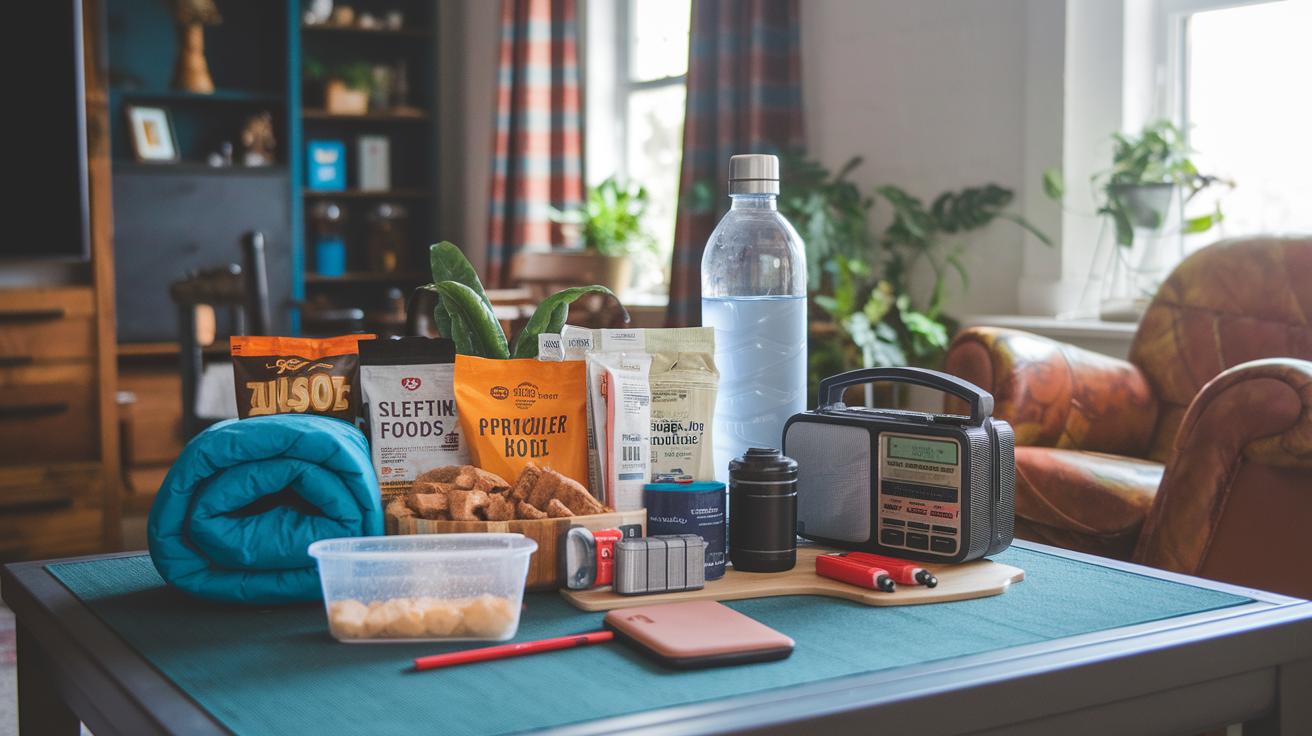
Quick take: Keep a basic 72-hour kit ready so you can stay safe during sudden crises.
When trouble strikes, having a kit full of essential supplies for 3 days can really help. This list shows you what to gather so you can care for yourself until help arrives. Aim for 1 gallon of water per person each day, a 3-day supply of food that won't spoil, and other key items. Being ready with these supplies means you are set for power outages, natural events, or unexpected emergencies.
| Item | Minimum Quantity | Purpose | |||||||||||||
|---|---|---|---|---|---|---|---|---|---|---|---|---|---|---|---|
| Water | 1 gallon per person per day for 3 days | Stay hydrated | |||||||||||||
| Nonperishable Food | 3-day supply | Keep you nourished | |||||||||||||
| First Aid Kit | 1 kit per household | Handle minor injuries | |||||||||||||
| Prescription Medications | 3-day supply | Maintain your treatment | |||||||||||||
| Flashlight | 1 per person | Emergency Procedures Checklist in Crisis Situations
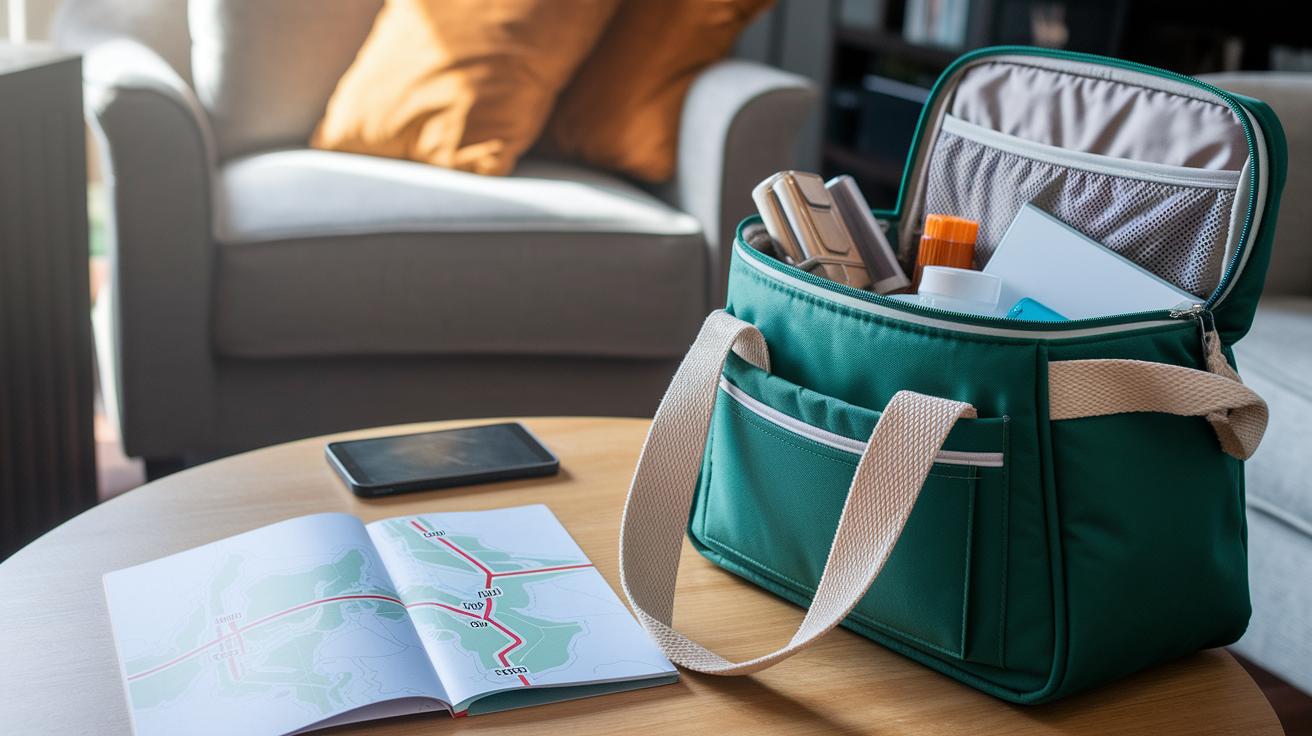

| Item | Storage Location |
|---|---|
| Cell Phone | Emergency kit |
| Radio | Easily reachable shelf or drawer |
| Batteries/Power Bank | Secure, dry container |
| ID/Passports | Waterproof folder |
| Insurance Papers | Waterproof folder |
| Emergency Contacts List | Easy-to-access binder |
Review and update your emergency contact list and document copies every 6 months to ensure your kit is current and ready for any crisis.
Emergency Checklist: Stay Confident, Be Prepped
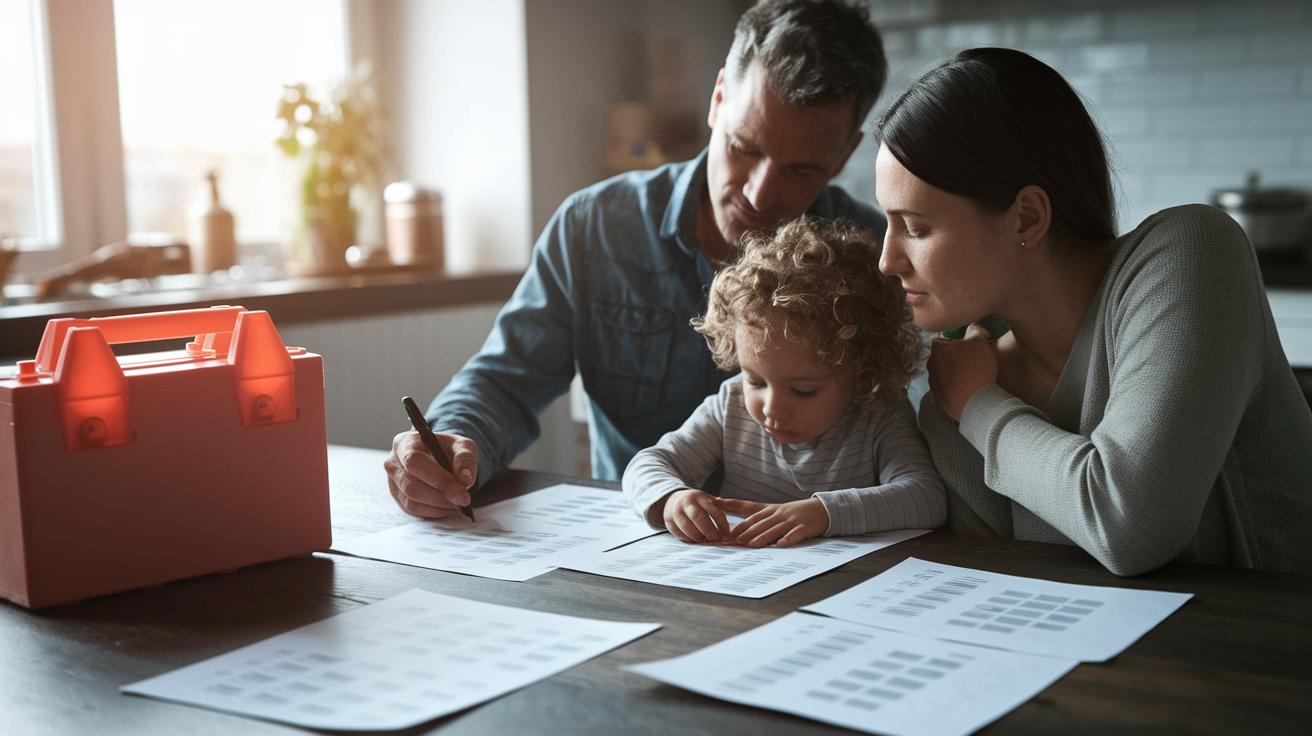
Quick take: Set clear roles and backup plans so your family can act fast.
Start by looking at each family member’s needs. Write down who may need extra care, such as children, older adults, or pets. Give everyone a simple task. For example, one person can handle phone calls, another can take care of medicines, and someone else can grab the emergency kit. It really helps if someone knows basic first aid and CPR (helpful techniques for sudden injuries). This clear plan makes it easier to act quickly when every minute counts.
Next, make sure you have backup money and meeting spots ready. Open an emergency fund for unexpected costs. Choose a primary safe place and a backup spot, like a neighbor’s house or community center. Gather and label important documents, such as insurance papers, IDs, and medical records, so you can grab them fast. These steps ensure you have both practical and financial support when needed most.
Finally, check and practice your plan often. Hold a drill at least once a year to see that everyone knows their job. Test your emergency supplies and make sure your equipment works. Refresh your first aid skills regularly. This routine review helps keep your plan updated as your family’s needs change.
Final Words
In the action, you learned how to build a solid emergency checklist covering every essential area, from supplies and procedures to evacuation plans and communication tools. The guide breaks down each step, ensuring you can protect your loved ones safely. It also offers ways to tailor a family crisis plan and keep your documents updated. Follow these clear steps, and keep practicing your plan. Stay prepared and confident knowing you have a thorough emergency checklist to count on.
FAQ
What are 10 items in an emergency kit?
What are 20 items in an emergency kit?
What is the emergency checklist template?
How can I get a 14-day emergency kit list and free emergency kit samples?
What do FEMA emergency supply list PDFs and other emergency checklist PDFs include?
What are the 5 P’s of emergency?
What should I put on an emergency list?
Subscribe Today
GET EXCLUSIVE FULL ACCESS TO PREMIUM CONTENT
SUPPORT NONPROFIT JOURNALISM
EXPERT ANALYSIS OF AND EMERGING TRENDS IN CHILD WELFARE AND JUVENILE JUSTICE
TOPICAL VIDEO WEBINARS
Get unlimited access to our EXCLUSIVE Content and our archive of subscriber stories.