


Ever wondered how a clear, step-by-step plan can be a lifesaver during a seizure emergency? A seizure action plan gives you calm, practical steps so you and your caregivers know exactly how to act fast and safely. It lists key details such as your medical history and specific triggers, so it’s clear what to do when a seizure happens. With a solid plan in hand, you can feel more confident knowing everyone is ready to provide the best care during a crisis.
Seizure Action Plan Fundamentals
A seizure action plan is your personal guide for handling a seizure emergency. It shows clear steps to keep you or a loved one safe when a seizure occurs. The plan includes key details from your medical history along with information about different seizure types (ways your brain might act up) and triggers so that caregivers can quickly recognize a seizure and act safely. For example, a well-prepared plan might say, "If a seizure lasts more than 5 minutes, call 911 immediately," which tells everyone when emergency help is needed.
Your plan is made just for you. It covers details like your diagnosis, medications, and known triggers. With this info, caregivers know how to position you safely, provide first-aid to prevent injury, and follow instructions that reduce complications during a seizure. If you have conditions like Lennox-Gastaut Syndrome, a tailored plan can address your special needs. Be sure to share your plan with family, healthcare providers, teachers, and anyone involved in your care.
Downloading a seizure action plan template is a simple way to ensure you include every important detail. These templates have fill-in spots for emergency contacts, descriptions of your seizures, and first-aid steps. When you have a solid plan in place, you can feel confident that your care team knows exactly what to do during a seizure emergency.
Review your plan often to keep it clear, accurate, and ready when you need it.
Key Components of a Seizure Action Plan

A seizure action plan should cover 7 main points. Each part gives clear, step-by-step instructions so caregivers know exactly what to do during a seizure.
• Patient Identifiers: Write down key details like the person’s name, date of birth, and emergency contact numbers. For example, list “John Doe, DOB 06/15/1985, emergency contact: Mary Doe (555-1234)” so help can come quickly if needed.
• Medical Background: Record the diagnosis, the medications being taken, and any known allergies. For instance, note “diagnosed with epilepsy since age 16” and “allergic to penicillin” so caregivers avoid giving harmful drugs.
• Seizure Descriptions: Explain the type of seizure, how long it usually lasts, and what might trigger it. You might write, “Focal onset with aura, lasting about 2 minutes, often triggered by sleep deprivation.” This helps in spotting a seizure fast.
• First-Aid Steps: List clear, simple actions to take when a seizure happens. For example, include a line like “If the seizure lasts more than 5 minutes or if there is trouble breathing, call 911 immediately.”
• Rescue Medication Details: Note any rescue medications that can be used. Include the drug name, the amount, and how it should be given. For example, write “Use lorazepam 1 mg as an oral solution if the seizure goes on longer than usual.”
• Post-Seizure Care: Describe how to safely help the person recover after a seizure. This could include turning them onto their side and checking that they are breathing normally until they are fully alert.
• Documentation: Keep a simple log for each seizure event. Record the date, time, length, any triggers, and how you responded. This information is very useful for adjusting the plan if the pattern changes.
Seizure Action Plan: Clear Steps for Calm Response
Gather your key personal and medical details. Write down your complete medical history, all anti-seizure medicines with their doses, known triggers, and a record of your seizure types including duration and any noticeable behavior changes. For example, if you feel an aura (a warning sign) or lightheaded before an event, note it down. A simple flow chart or diagram can help you see everything clearly.
Work together with a neurologist or epilepsy specialist to review your records. They will check your medication list, adjust doses if needed, and help you create a clear plan for seizure care. They might build a detailed diagram that shows what to do when you notice early signs and how to manage recovery, including when to call for help and basic first aid steps.
Seizure Action Plan for Schools and Daycare
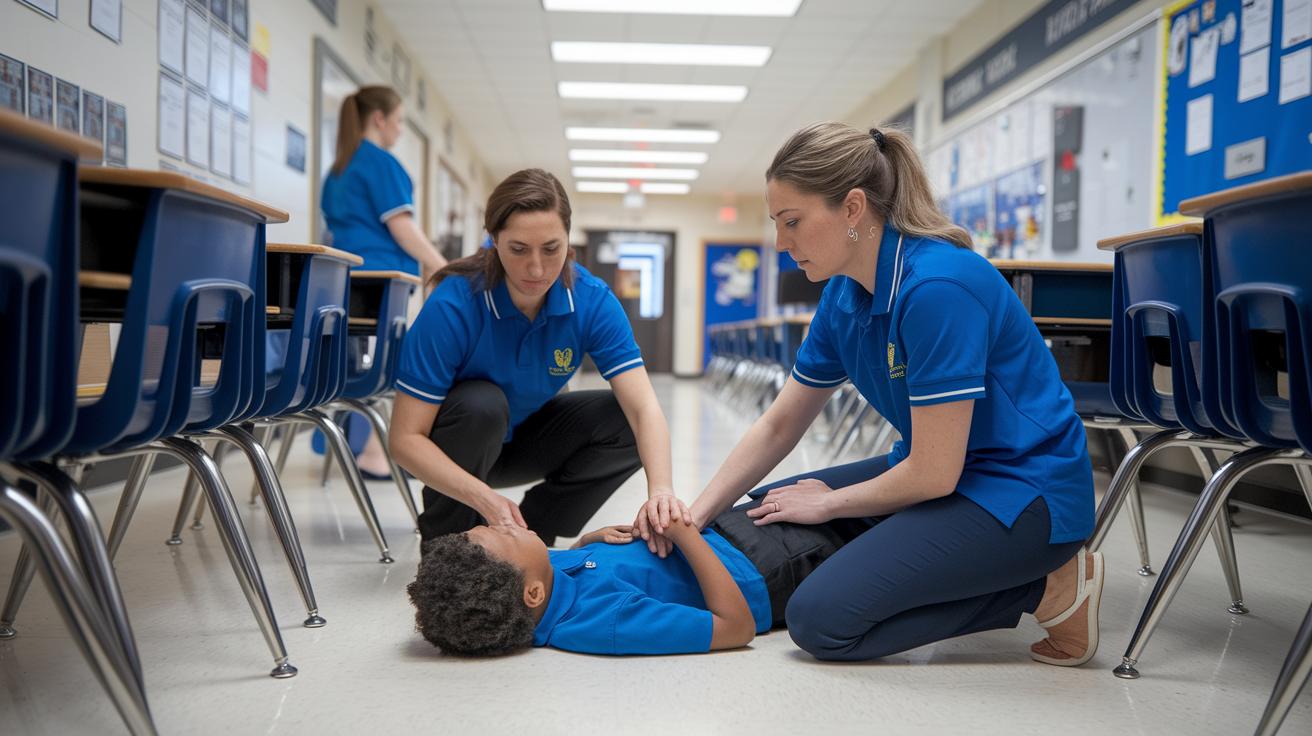
This plan is your guide for what to do when a student has a seizure. It must be shared with teachers, aides, substitutes, bus drivers, and all staff who care for the child. The plan tells you who does what, when, and where to find help. For example, it might say, "Rescue medication is kept in the nurse’s office near the main hallway." This way, everyone knows where to look in an emergency.
Staff should have regular training on seizure protocols. Practice drills and review each step so everyone feels ready. One person may be in charge of calling for help, another stays with the student, and a third contacts the parents immediately.
Remember to include extra details:
- Special rules for playground areas.
- Clear instructions for field trips.
- Pre-assigned roles to avoid confusion when a seizure happens.
- A back-to-school checklist that confirms every staff member has read the plan, understands their role, and can quickly get the necessary equipment in classrooms and common areas.
It is also important to document each seizure. Use a seizure incident form to record:
- Time and duration.
- What you saw and any triggers.
- The steps you took.
Keeping this record helps track how often and how severe seizures are and gives vital information for healthcare providers. This is part of the school’s responsibility to keep every student safe.
Home and Workplace Safety with a Seizure Action Plan
At home, make your space as safe as possible. Remove sharp objects that could hurt you during a seizure. Pad furniture edges and secure stools so you don’t fall. Use soft flooring or thick rugs to create a safe zone that minimizes injury. For example, if your living area has a coffee table with hard corners, cover it with foam padding to lower the risk of harm during a seizure.
At work, it’s important everyone knows your seizure action plan. Tell HR and your close colleagues about your plan. Wear your medical ID so first responders can quickly see your key details. Keep a digital copy of your Seizure Action Plan on a shared drive so any team member can find it. Also, pick and train specific staff in seizure first aid so someone is always ready to help.
Here’s a simple checklist to use both at home and work:
- Remove hazardous items and secure loose objects.
- Mark out safe areas with soft, padded surfaces.
- Make sure emergency contacts and medical details are easy to access.
- Inform team members and supervisors about your action plan.
- Keep a clear copy available in digital or printed form.
- Train designated individuals in seizure response techniques.
These steps build a safer environment around you, whether at home or at work. A well-structured space with informed caregivers helps ensure that everyone can act quickly and correctly until professional help arrives.
Step-by-Step Seizure Action Plan Response Instructions

Time is critical when a seizure begins. Follow these clear steps to keep the person safe:
- Write down the time the seizure starts. This helps you see if it lasts longer than expected.
- Carefully place a soft towel or cushion under the head to protect it from hard surfaces.
- Quickly remove sharp or hard objects near the person to help prevent injuries.
- Gently roll the person onto their side (this recovery position helps keep the airway open).
- Loosen any tight belts, collars, or clothing to make breathing easier.
- Do not hold down the person’s arms or legs. Let the seizure run its course to avoid causing harm.
- Watch the person closely. If you notice trouble breathing or blue lips, get help immediately.
- If you are trained and the person’s plan says so, give the prescribed rescue medicine as directed.
- If the seizure goes on for more than 5 minutes or if breathing becomes difficult, call 911 right away.
- After the seizure, write down when it stops and note any unusual signs during recovery.
Keep these steps handy so anyone assisting knows exactly what to do during a seizure emergency.
Monitoring and Updating Your Seizure Action Plan
Quick tip: Keeping a clear record of each seizure lets you spot patterns and adjust your plan as needed.
Use a seizure diary to note every event. Write down the date, time, and how long the seizure lasted. For example, you might record “04/23/2023, 3:15 PM, 2 minutes.” This helps you see how often seizures occur and track their duration.
Include key details like:
• What may have triggered the seizure (for example, lack of sleep or stress)
• Any warning signs (aura symptoms like an odd feeling or vision changes)
• What you did during the event (such as taking rescue medication or applying first aid)
• How you recovered afterward (changes in alertness or behavior)
If you prefer, use a digital diary or a printable epilepsy response form for consistency. A simple reporting table can look like this:
| Date/Time | Duration | Triggers | Aura | Interventions | Recovery Notes |
|---|---|---|---|---|---|
| 04/23/2023, 3:15 PM | 2 minutes | Sleep loss | Lightheadedness | Medication given | Fatigue noted |
Review your Seizure Action Plan every 3 months or after any major changes, such as a new seizure type or medication adjustment. Update the plan and share the newest copy with your caregivers, family, and healthcare provider so everyone stays informed.
By tracking each seizure carefully, you and your care team will have a valuable record to guide treatment adjustments and keep your health in check.
Seizure Action Plan Templates and Resources

You can find free seizure action plan templates from trusted epilepsy groups. These templates have fill-in fields for your medical history, emergency contacts, and clear response steps. For example, one template includes spaces like "Name, DOB, emergency contact: 555-1234" so you can quickly share important details during a crisis.
Epilepsy Alliance America offers helpful PDFs that add extra value. They include back-to-school checklists and detailed helpline numbers. These resources have been checked by experts and add useful tools to the basic templates.
Local epilepsy centers and nonprofits now offer updated downloadable manuals. Some of these manuals include clear diagrams that show step-by-step procedures to follow during a seizure, adding visual help to the essential information.
| Core Template Features | New Resources |
|---|---|
| Fill-in fields for personal details | PDF checklists and helpline numbers from Epilepsy Alliance America |
| Emergency contact listings | Downloadable manuals with clear diagrams from local centers |
Final Words
In the action, this guide has laid out seizure action plan fundamentals, detailed key steps for responding safely, and stressed the need to personalize your plan with medical and personal details. It covered how to share and update your plan at home, school, and work, and provided clear, step-by-step instructions for managing a seizure emergency. The article also highlighted the value of tracking seizures and using downloadable templates. Having a solid seizure action plan empowers you to act swiftly and safely. Stay prepared and keep refining your plan to protect your loved ones.
FAQ
Seizure Action Plan FOR school PDF
The seizure action plan for school PDF offers detailed guidelines for managing seizures in academic settings, outlining emergency steps, designated roles for staff, and clear instructions for prompt and safe care during a seizure.
Seizure Action Plan PDF
The seizure action plan PDF provides a ready-to-use document that details personalized seizure management steps, emergency contacts, and first-aid instructions to help caregivers respond quickly and safely during a seizure event.
Seizure Action Plan form
The seizure action plan form is a fillable document that lists patient details, seizure types, triggers, and emergency response steps, ensuring that caregivers have clear, personalized instructions to manage a seizure effectively.
Seizure Action Plan for Adults
The seizure action plan for adults offers tailored guidelines for managing seizures in adult settings, including specific instructions for home and workplace care, ensuring safety and prompt response during a seizure event.
Seizure Action Plan Epilepsy Foundation
The epilepsy foundation seizure action plan is a clinician-reviewed document providing comprehensive instructions for seizure emergencies, designed with input from experts to support safe and effective management across various environments.
Seizure Action Plan example
The seizure action plan example shows a step-by-step template that includes patient identifiers, medical history, seizure descriptions, first-aid steps, rescue medication details, and post-seizure care to guide effective response.
Seizure action plan TEA
The seizure action plan TEA provides clear, structured guidelines often used in group or educational settings, detailing roles, emergency contacts, and safe emergency response procedures for managing seizures.
Epilepsy Foundation Seizure Action Plan PDF
The epilepsy foundation seizure action plan PDF is a downloadable file that offers detailed instructions for managing seizure emergencies, including individualized medical information and step-by-step response actions for caregivers.
What are the 3 C’s for seizures?
The 3 C’s for seizures typically involve clearing hazards from the area, cushioning the person’s head to prevent injury, and calling emergency services if the seizure lasts longer than expected.
What are the three S’s for seizures?
The three S’s for seizures refer to safe positioning, staying supportive, and swift response. This protocol involves carefully rolling the person onto their side, offering reassurance, and reacting quickly to prevent injury.
What is the 5 minute rule for seizures?
The 5 minute rule for seizures means that if a seizure lasts beyond 5 minutes, you should call 911 immediately to ensure prompt medical assistance and prevent further complications.
What are the 7 components of an emergency action plan?
The 7 components include patient identifiers, medical history, seizure descriptions, first-aid steps, rescue medication details, post-seizure care instructions, and incident documentation to ensure a comprehensive response during emergencies.