

Quick take: Itchy legs with bumps are usually from bites, allergies, or irritation and often ease at home.
Triage:
If you have any of these emergency signs, call emergency services now:
• Bumps spreading fast or covering a large area.
• High fever, severe pain, or trouble breathing.
• Skin that is very red, swollen, or filled with pus.
If your symptoms worsen quickly or you develop new red flags, seek same-day medical care.
Itchy legs with sudden bumps can really catch you off guard. It might be an insect bite, an allergic reaction, or irritation from a new soap or fabric. This guide breaks down common causes and offers simple tips to get fast relief.
Try these steps at home:
- Clean the itchy area with mild soap and cool water.
- Apply a cool, damp cloth to soothe the skin.
- Use an over-the-counter cream to help ease the itch.
Keep an eye on your symptoms. If they get worse or you notice any red flags, call a doctor right away.
Identifying Itchy Bumps on Legs: Causes and Immediate Relief
Quick take: Itchy bumps can be a reaction to common triggers, most are mild, but watch out for red flags.
Triage Box:
• If you experience heavy swelling, trouble breathing, or the bumps suddenly spread, call emergency services now.
• If you have severe pain or the bumps worsen quickly, seek same-day medical care.
• For mild, stable symptoms, follow these self-care steps and monitor your condition.
Itchy bumps on your legs may appear suddenly and feel very uncomfortable. They can come from allergens (substances that trigger allergies), insect bites, or skin infections. Sometimes, hives show up for a short time, while other rashes, especially those from infections, last longer. Most causes are not serious, but knowing what triggers your bumps helps you act fast.
Common triggers include:
• Allergies (reactions to foods, pollen, or chemicals)
• Insect bites (like from mosquitoes or bedbugs)
• Eczema (skin that is red, dry, and sometimes oozes)
• Folliculitis (painful, red bumps from infected hair follicles)
• Keratosis pilaris (tiny bumps that feel like goose pimples)
• Scabies (several itchy, linear bumps, usually worse at night)
For immediate relief, cool the area with a clean, damp cloth. Gently wash your legs with a mild, fragrance-free soap to ease irritation without drying your skin out. Avoid hot water and rubbing, since these can make the itch worse. Also, try to steer clear of any known irritants or allergens. Keep an eye on how you feel, and if the bumps don’t improve or you notice red flags, seek help right away.
Common Dermatological Conditions Behind Itchy Leg Bumps
Quick take: Itchy leg bumps can have several causes, and knowing which one you may have helps you care for your skin safely.
Triage: If you notice signs like high fever (over 102°F), severe pain, or rapidly spreading redness, seek urgent care immediately.
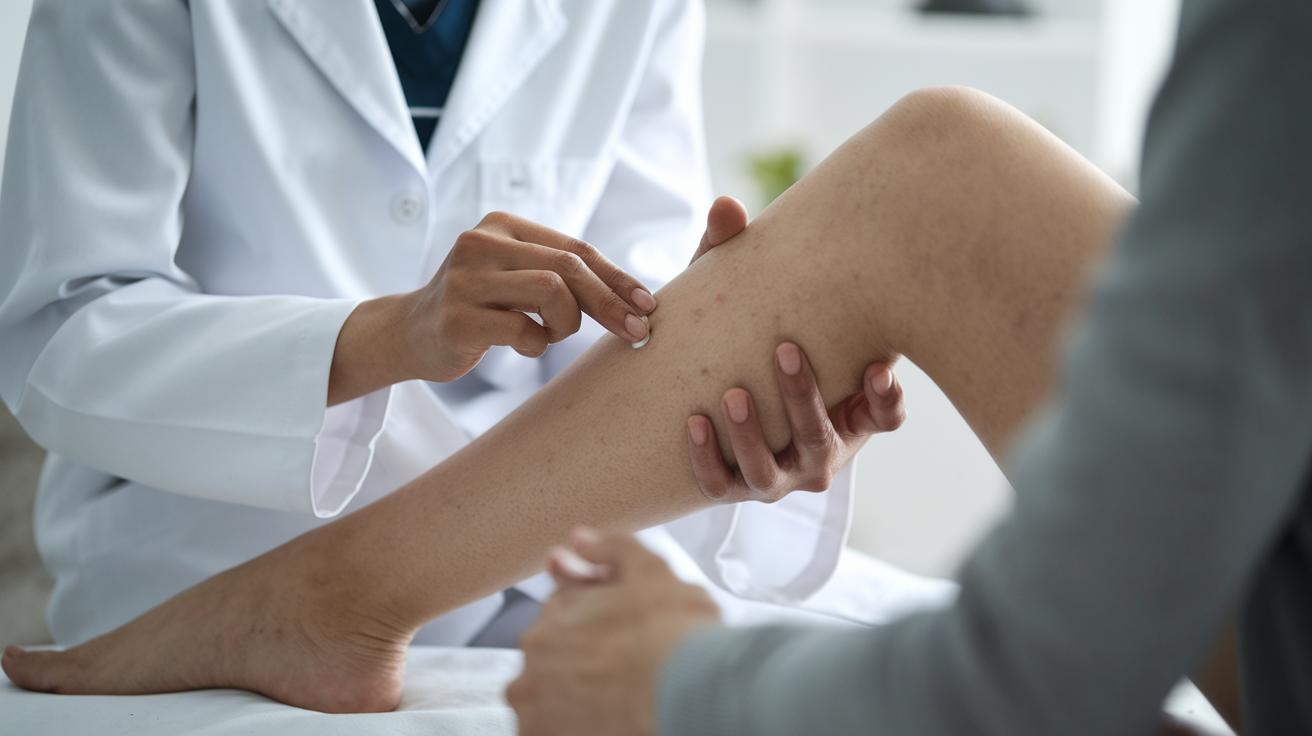
Eczema (atopic dermatitis) makes your skin dry, red, and very itchy. It may blister or ooze clear fluid. Triggers include allergens, irritants, or stress. The skin can become rough and cracked, and scratching might worsen the irritation or lead to infection.
Psoriasis affects about 2-3% of people. It causes red, scaly patches that are thick and may have a silvery covering. Sometimes, joint swelling happens too. Cold weather, stress, or certain medications can start flare-ups, and the patches might change over time.
Folliculitis is an infection of the hair follicles, often caused by staph bacteria or ingrown hairs. It appears as small red and painful bumps that sometimes have pus. Shaving, wearing tight clothes, or skin friction can increase your risk of getting folliculitis on your legs.
Keratosis pilaris makes tiny bumps that look like goosebumps on your legs. This happens when too much keratin (a protein in your skin) blocks your hair follicles. The bumps are usually not very itchy and feel rough, although they can be mildly red.
Sometimes these skin changes overlap, making it hard to tell which condition you have. Figuring this out is important so you can decide whether to care for it at home or follow up with your doctor for more specific treatment.
Allergies and Insect Bites Leading to Leg Bumps
Quick take: Leg bumps from insect bites or allergies are usually mild but need extra care if signs worsen.
Triage box:
If you have any of these signs, call emergency services now:
- Trouble breathing or swallowing
- Swelling spreading fast or severe pain
- High fever or a rash covering your entire leg
Urgent concerns:
- If bumps grow quickly or become very painful, seek same-day medical care.
- If you feel your allergic reaction is getting worse, seek help immediately.
For now:
- Use a cool compress to ease swelling.
- Gently wash the area with mild soap.
- Avoid scratching to stop irritation from worsening.
Insect bites on your legs usually show up as small, red, and itchy bumps. Bites from mosquitoes, bees, wasps, ants, bedbugs, mites, ticks, and fleas may appear as a single spot or a few grouped bumps. For example, a mosquito bite typically starts as a small red spot that can grow larger when scratched.
Allergic contact dermatitis happens when your skin touches an allergen, such as certain plants, chemicals, or foods. This reaction causes red, inflamed, and very itchy skin where the allergen touched you. It can look a lot like an insect bite, which sometimes makes it hard to tell the difference.
Here’s how you can tell them apart:
- Insect bites: They usually appear as individual bumps or small clusters with a visible bite mark.
- Allergic reactions: These tend to spread evenly over a larger area.
Basic home care steps:
- Apply a cool compress to reduce swelling.
- Clean the skin gently with a mild soap.
- Try not to rub or scratch the affected area.
If your symptoms keep worsening or you are not sure about the cause, it’s best to talk with a health care provider.
When Itchy Bumps on Legs Require Medical Attention
Quick take: If your bumps haven’t faded within 1 week or start changing, act now.
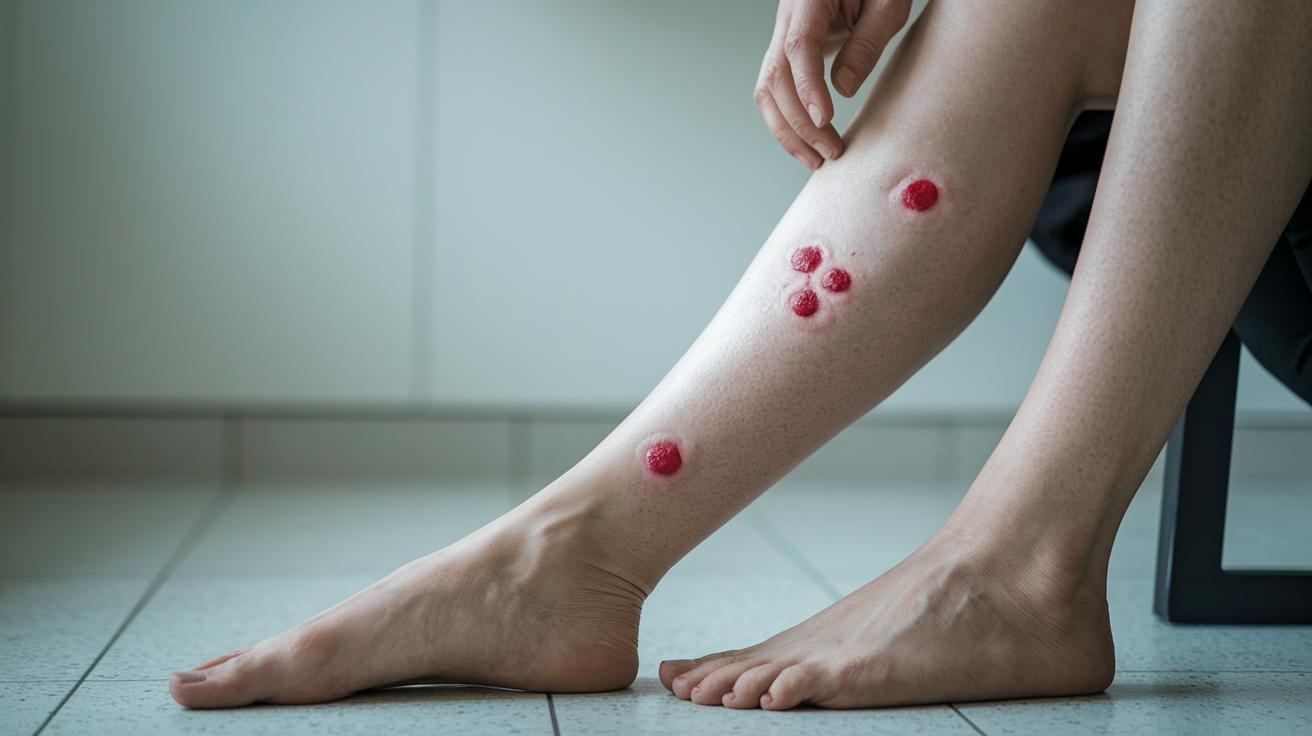
If you see your leg bumps stick around for more than 1 week or change in size, shape, or color, it might be more serious. Check for these red flags:
| Red Flags | What to Watch For |
|---|---|
| Change in appearance | Bumps that alter in size, shape, or color |
| Bleeding | Bumps that start to bleed |
| Severe pain | Bumps that cause notable, sharp pain |
Hives (itchy red bumps) usually go away in 24 hours. If you have a rash that sticks around or spreads, it deserves a closer look. Rough patches from sun exposure might be a warning sign for actinic keratosis (a skin change that can lead to cancer), and a mole that darkens or becomes irregular could point to early melanoma (a type of skin cancer).
Keep track of any changes by doing a simple self-check. Stand in a well-lit area and use a mirror to see the hard-to-check parts of your legs. Note any new marks or bumps that change in color or border. Write down your observations with the date so you can monitor any ongoing changes.
If you spot any of these concerns or if your rash doesn’t improve, contact your healthcare provider right away for a check-up. Your skin health matters, so don’t wait if something seems off.
Itchy Bumps on Legs: Relief Is Here
Quick take: Natural, gentle home remedies can help soothe mild itchy bumps if no severe infection is present.
Triage Box:
If you have any of these emergency signs, call emergency services now:
- Bumps spreading quickly with severe pain
- Signs of infection (fever, pus, red streaks)
- Swelling near your face or trouble breathing
Urgent: If your bumps worsen or you notice intense inflammation, seek same-day care.
Self-care: For minor irritation, use these gentle remedies.
Many simple home treatments can reduce irritation and calm itchy leg bumps. Natural remedies work with your skin to ease redness and discomfort without harsh chemicals. A regular, gentle routine not only helps your skin feel better fast but also lowers the risk of more irritation.
Here are some options to try:
- Colloidal oatmeal baths – Soak in a lukewarm bath with finely ground oatmeal to ease irritation.
- Cold compresses – Apply a cool, damp cloth on the bumps to reduce swelling and numb the itch.
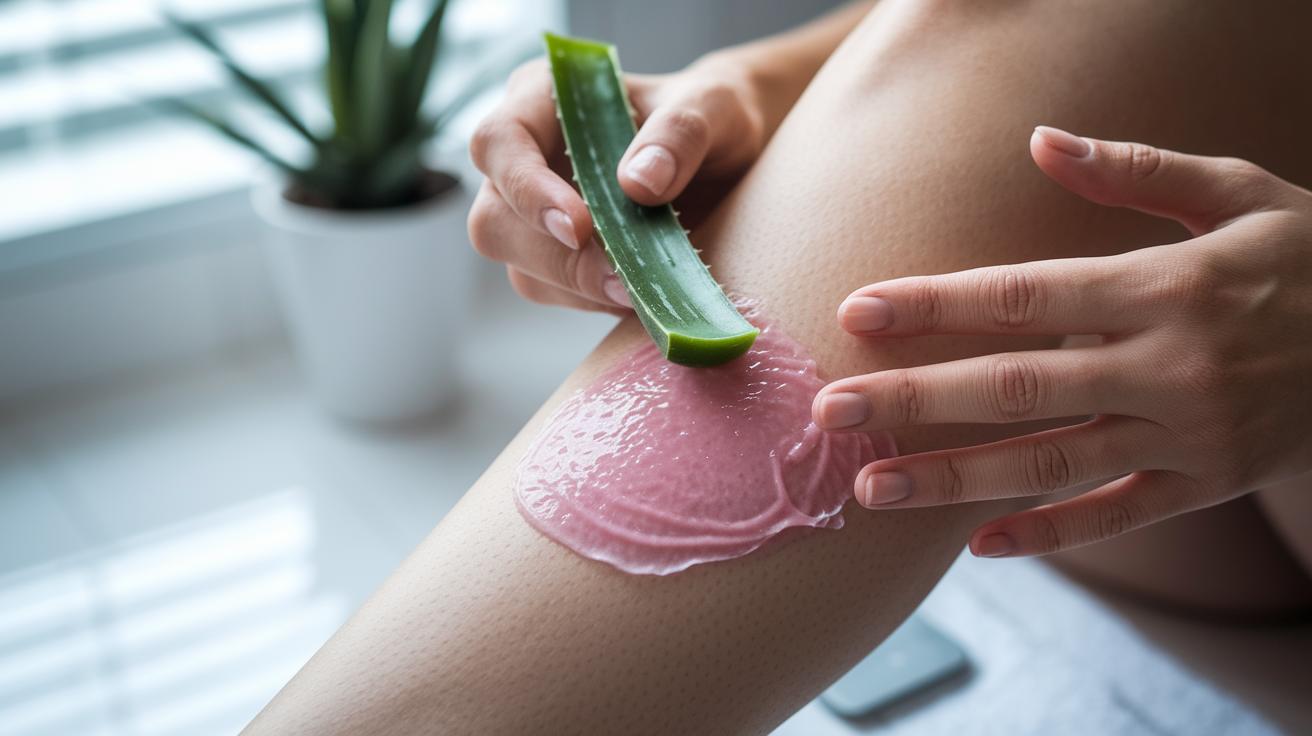
- Aloe vera gel – Dab a small amount on the affected skin for a natural cooling and healing effect.
- Coconut oil – Use a light layer to moisturize and soothe inflamed skin.
- Tea tree oil dilution – Mix a few drops in a carrier oil to help reduce bacteria and calm the skin.
- Fragrance-free moisturizer – Keep the skin hydrated without chemicals that could trigger more irritation.
- Over-the-counter anti-itch lotion – Choose a lotion made to relieve itching and calm red skin.
Test a small patch first to check for sensitivity. Use lukewarm water when bathing and avoid harsh scrubbing that might worsen irritation. Keeping your skin clean and moisturized can also help prevent further flare-ups. If the bumps persist or get worse, talk with a healthcare professional for more guidance.
Taking these gentle steps shows you value your skin and can bring relief using everyday items safely and effectively.
Over-the-Counter and Prescription Options for Itchy Leg Bumps
Quick Take: You can start with over-the-counter creams and gels to ease your itchy leg bumps, but call your doctor if your skin worsens.
Triage Box:
- Call emergency services now if you have trouble breathing or experience severe swelling.
- Seek same-day care if the bumps spread quickly or become very painful.
- Otherwise, gently try store-bought treatments and watch your symptoms closely.
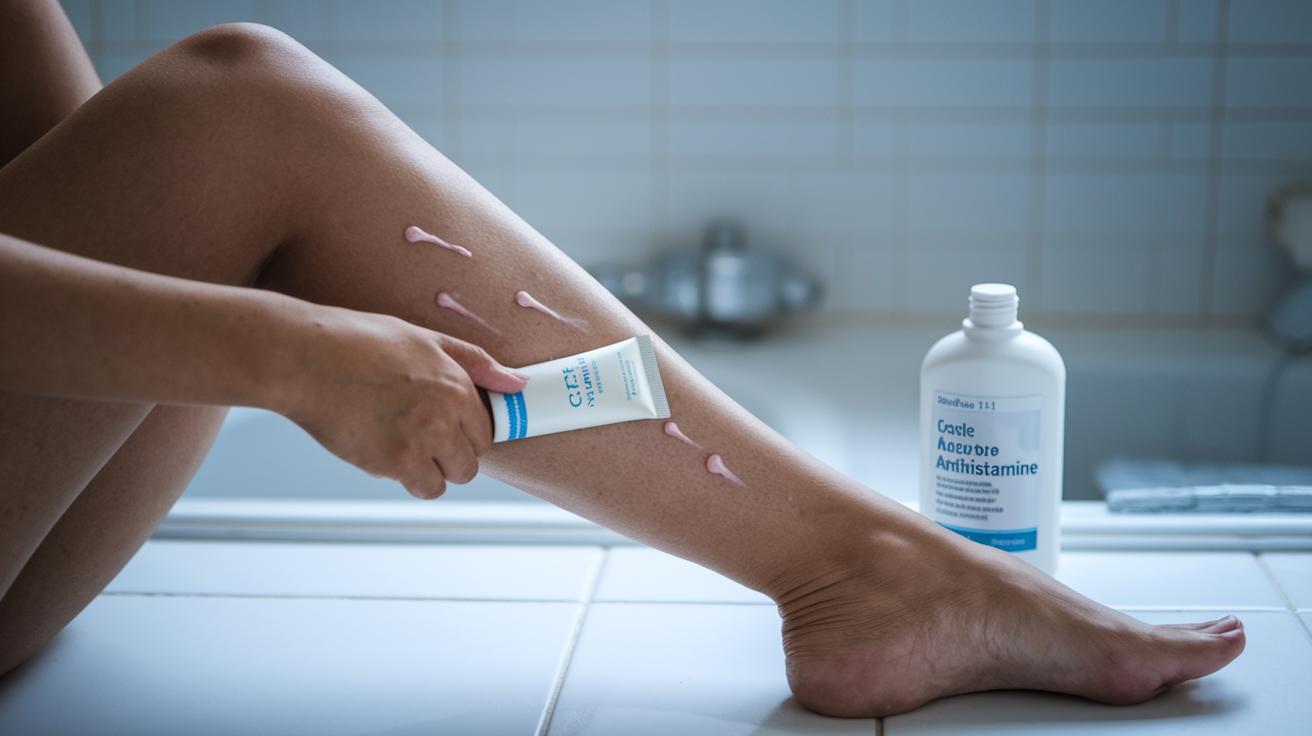
Many people find that over-the-counter products work well for mild itchy leg bumps. Low-strength steroid creams can ease swelling, and soothing gels help calm red, irritated skin. Oral antihistamines (medications that reduce allergy symptoms) may lessen nighttime itching and help you sleep better. Use these remedies as directed and stop if your skin gets more irritated or you notice any strange reaction.
If your symptoms do not improve or start to get worse, your doctor might suggest a prescription treatment. They may recommend a stronger steroid cream to reduce stubborn inflammation. Your clinician might also suggest special gels made for chronic skin conditions like eczema (a dry, itchy skin condition) or psoriasis (a condition that causes red, scaly patches). This step is important when over-the-counter options do not provide enough relief. Always follow your dermatologist’s advice for the best, targeted treatment.
It is important to keep a close watch on your skin when using any treatment. Monitor for signs like skin thinning, extra irritation, or other side effects. Try keeping a daily log of your symptoms, noting details like the severity of the itch, changes in redness, and overall progress. Sharing this information with your healthcare provider will help them adjust your treatment as needed so that you can heal safely and comfortably.
Preventing Future Outbreaks of Itchy Bumps on Legs
Quick take: A gentle daily routine and smart lifestyle choices can help keep your legs clear and comfortable.
Triage:
If you see any of these warning signs, call emergency services immediately:
- Severe pain or swelling
- Fever or chills
- Red streaks or pus
Urgent: Contact your clinician today if the bumps quickly worsen or you develop signs of an infection.
Watch and self-manage: Stick to your skincare routine and note any changes.
Start by caring for your skin with a gentle wash. Use a mild, fragrance-free cleanser and rinse with warm water. This cleans away dirt without removing your skin’s natural oils. Next, use a soft washcloth or gentle scrub to lift away dead skin that could block your pores. After washing, pat your legs dry and massage on a light, non-greasy moisturizer. This locks in moisture and creates a barrier that soothes itchiness and prevents dry, irritated skin from turning into bumps.
Make a few lifestyle tweaks to support your skin’s balance. Wear loose clothing made from natural fabrics like cotton to reduce friction on your legs. Wash your clothes with hypoallergenic detergent and avoid fabric softeners that might irritate your skin. When you’re outdoors, protect your legs with sun-safe clothing or apply sunscreen. In colder or more humid weather, consider adding extra moisturizer and choose products designed for sensitive skin. These simple changes can help keep your skin calm and lower the chances of future outbreaks.
Final Words
In the action: this article explored why you might experience itchy bumps on legs. It covered common triggers like allergies and insect bites, along with home care steps such as cool compresses and gentle cleansing. We also discussed when to seek professional help, including red flags like persistent or worsening symptoms. Review safe treatment options and preventive measures to help manage your skin. Follow these clear strategies and feel empowered to care for your skin safely and confidently.
FAQ
Q: Itchy bumps on skin like mosquito bites but aren’t?
A: Itchy bumps on your skin that resemble mosquito bites but aren’t may be caused by allergic reactions, contact irritants, or mild conditions such as keratosis pilaris. Tracking triggers can help manage them.
Q: Tiny colorless itchy bumps on legs?
A: Tiny colorless itchy bumps on your legs can indicate mild allergic reactions, keratosis pilaris, or contact dermatitis. Keeping a skincare routine and noting triggers may reduce these bumps.
Q: Bumps on legs that look like pimples?
A: Bumps on your legs that look like pimples often stem from issues with clogged pores or folliculitis. Proper cleansing and avoiding irritants can help minimize these breakouts.
Q: Red spots on legs pictures?
A: Red spots on your legs may be seen with conditions like insect bites, eczema, or allergic reactions. Reviewing images and symptoms with a healthcare provider can guide setting up the proper treatment.
Q: Itchy bumps on legs not red?
A: Itchy bumps on your legs that are not red may result from conditions like keratosis pilaris or non-inflammatory contact reactions. Monitoring their persistence is helpful in managing the irritation.
Q: Itchy bumps on thighs?
A: Itchy bumps on your thighs can arise from allergies, friction from clothing, or skin conditions like folliculitis. A gentle cleansing routine and avoiding known triggers often bring relief.
Q: Tiny colorless itchy bumps on skin?
A: Tiny colorless itchy bumps on your skin typically signal keratosis pilaris or a mild contact dermatitis. Simple home care, such as moisturizing and avoiding irritants, often alleviates these symptoms.
Q: Random itchy bumps that come and go?
A: Random itchy bumps that come and go can result from intermittent allergic reactions or contact dermatitis. Keeping a symptom diary to track exposures may help identify the exact cause.
Q: Why am I getting little bumps on my legs that itch?
A: Little itchy bumps on your legs can be caused by allergies, contact reactions, or mild skin conditions like eczema. Observing any new exposures and maintaining good skin care can help reduce occurrences.
Q: How to treat contact dermatitis on kids?
A: Treating contact dermatitis in kids involves gentle cleansing, cool compresses, and avoiding irritants. Always consult a pediatrician before starting any over-the-counter treatments for safe and effective care.
Q: What causes keratosis pilaris in toddlers?
A: Keratosis pilaris in toddlers usually results from a buildup of keratin in the hair follicles. This condition is common and typically benign; a pediatrician can recommend safe treatments if needed.
Q: How to tell if a rash is fungal or bacterial?
A: A fungal rash often appears red, scaly, and ring-like, while a bacterial rash may show uniform redness with pus-filled bumps. Consulting a clinician ensures a proper diagnosis and effective treatment plan.