
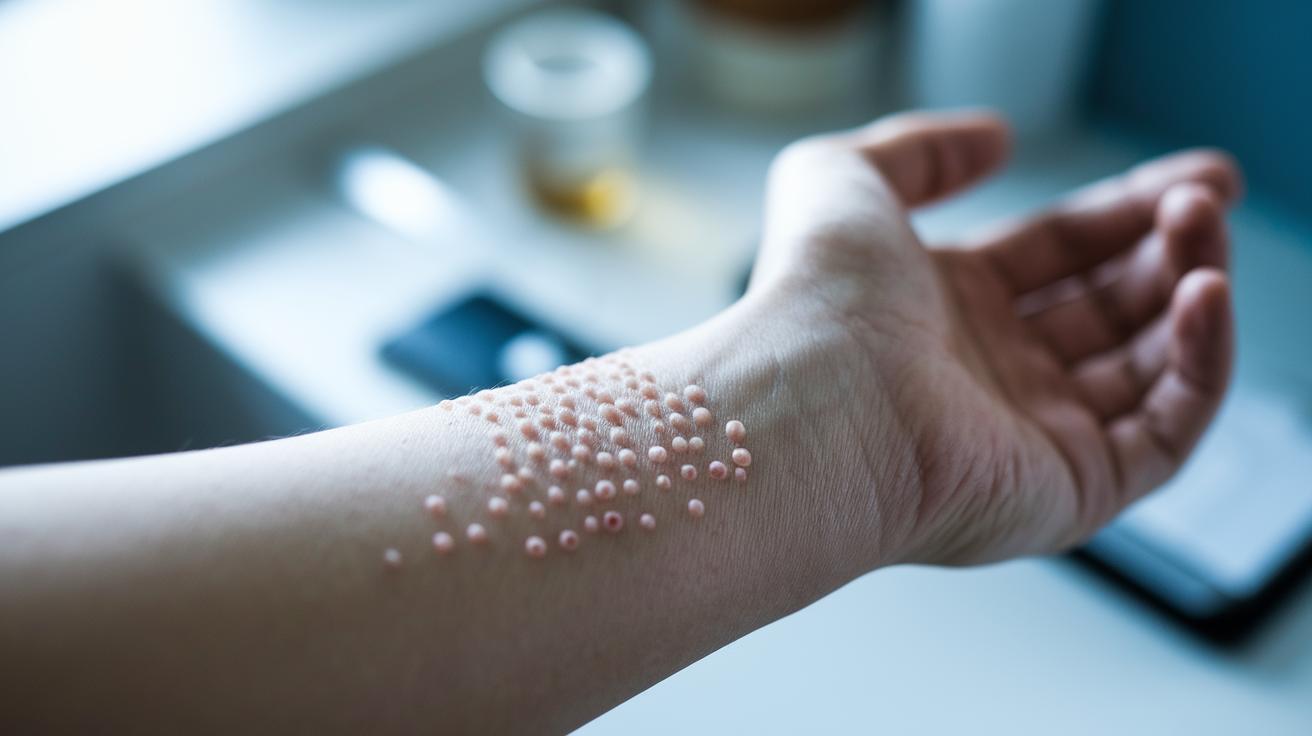

Quick Take: Most small, itchy bumps are harmless. However, if they spread quickly, become painful, or are accompanied by a fever, you should call your doctor right away.
If you have any of these warning signs, call emergency services now:
• Bumps that grow fast or become very large
• Intense pain or swelling
• Fever or chills along with the bumps
Often, these bumps come from simple bug bites or a little skin irritation. They might be annoying, but they are not usually a sign of something serious. We want to help you know when home care is enough and when to get help from a clinician.
Here’s what you can do:
- Gently wash the area with soap and water.
- Use a cool compress to soothe any itching.
- Keep an eye on the bumps. Track any changes in size, color, or if new symptoms (like fever) appear.
If the bumps start to get worse or spread, reach out to your healthcare provider. Remember, it’s always best to be safe. This guidance is here to help you spot red flags and know when extra care is needed.
Navigating small itchy bumps on skin: Recognize Minor vs Serious Causes
Quick take: Most small itchy bumps are harmless, but certain signs mean you should get help fast.
If you have any of these emergency signs, call emergency services now:
- Bumps that spread quickly or appear in clusters
- Fever, chills, or very strong pain
- Warmth or pus around the bumps
- Trouble breathing or a rash that covers large parts of your body
Often, these small red bumps come from common causes like mosquito bites, skin irritants, or clogged hair follicles from shaving. In many cases, simple home care will help them go away. When the bumps show up suddenly or only in one spot, they are likely from an insect bite or a mild allergy.
But sometimes, small itchy bumps might be a clue to skin conditions like eczema (dry, itchy patches), folliculitis (infection around hair follicles), psoriasis (red, scaly patches), or scabies (a tiny mite infestation).
Here’s what you can do:
- Track your symptoms. Write down when the bumps appeared, their location, and any changes.
- Clean the area gently and consider using a mild cream.
- Keep an eye out for new or worsening symptoms.
- If the bumps do not improve in a few days or if you see any red flags, schedule a visit with a dermatologist. They might run tests, such as skin scrapings or biopsies, to check for other conditions.
Acting early can ease your worry and help prevent any complications.
Common Causes of small itchy bumps on skin
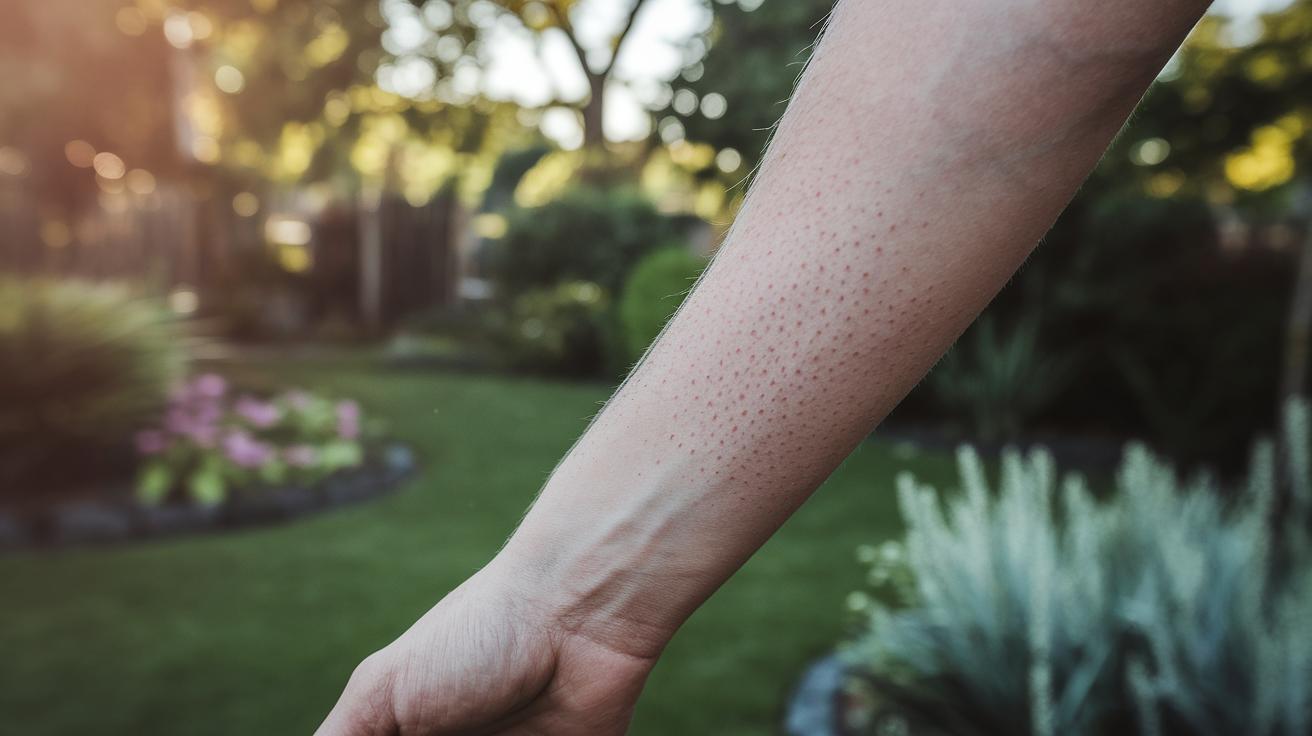
Quick take: Small, itchy bumps can come from insect bites, allergic skin reactions, clogged hair follicles, eczema, or scabies. If you see clusters of bumps or a sudden increase in itching, consider talking to a clinician.
Insect Bites
Bug bites from mosquitoes or fleas often show up as small red, raised bumps shortly after being outdoors. They usually appear one at a time and fade in a few days.
Management tips:
- Wash the bite with soap and water.
- Use a cool cloth on the area to ease the itch.
Diagnostic cue: A single bump after outdoor exposure usually means a bug bite.
Allergic Reaction (Contact Dermatitis)
When your skin touches irritants like strong soaps, fragrances, or certain plants, you might develop contact dermatitis. This causes bumps or patches right where you had contact, often on the hands or arms.
Management tips:
- Rinse the area immediately with cool water.
- Avoid the substance that caused the reaction.
Diagnostic cue: Bumps only in the contact area often signal an allergic reaction.
Folliculitis
Folliculitis happens when hair follicles get clogged, commonly seen on the face in men who shave regularly. It shows up as small red bumps, sometimes with a tiny hair in the center.
Management tips:
- Apply a warm cloth to the area to help clear the blockages.
- Shave carefully to minimize irritation.
Diagnostic cue: Red bumps with a central hair usually point to folliculitis.
Eczema
Eczema causes dry, itchy patches and tiny bumps on the skin, often due to allergens or irritants. It can also lead to cracked or flaky skin in different areas.
Management tips:
- Use a gentle moisturizer and avoid harsh soaps.
- Over-the-counter hydrocortisone cream may relieve mild flare-ups.
Diagnostic cue: Repeated bumps with dryness and irritation often indicate eczema.
Scabies
Scabies is caused by tiny mites that burrow under your skin, resulting in clusters of very itchy bumps, especially at night, on areas like the wrists or waist.
Management tips:
- See a healthcare provider for a prescription anti-mite cream.
- Wash clothing and bedding in hot water to help stop re-infestation.
Diagnostic cue: Clusters of bumps with intense nighttime itching point strongly to scabies.
| Condition | Unique Diagnostic Cue | Management Tip |
|---|---|---|
| Insect Bites | Single bump after outdoor exposure | Wash and apply a cool cloth |
| Contact Dermatitis | Bumps in areas of contact | Rinse immediately and avoid irritants |
| Folliculitis | Red bump with a central hair | Apply a warm cloth and shave carefully |
| Eczema | Dry, itchy patches with flare-ups | Moisturize and use mild steroid cream |
| Scabies | Clusters of bumps with intense itch at night | Seek medical treatment and wash linens |
Differentiating Types of small itchy bumps on skin by Appearance
Quick take: Your bumps can tell you a lot about what’s happening. Look at them closely.
If you have any of these warning signs, call emergency services now:
• Bumps that quickly cover a large area.
• Severe swelling or trouble breathing.
• Intense pain or signs of infection (redness, heat).
Here’s what to watch for:
• Hives: These are raised, itchy spots that appear and fade quickly. They may move from one part of your skin to another in just a few minutes.
• White raised bumps: These might be early signs of a hair follicle irritation (folliculitis) or even the first stage of scabies. They look like tiny white dots on your skin.
• Tiny, clear bumps: Often, these are milia (small bumps filled with keratin, a skin protein) and usually are not a cause for worry.
• Grouped spots on the wrists or waist: These tight clusters can signal scabies, since the mites often work in groups. In contrast, single or random bumps are more likely to be insect bites or a mild skin reaction from something you touched.
Keep an eye on these clues. Write down what you observe, where the bumps appear, and any changes over time. This can help you or your doctor decide if the skin changes are minor or need more attention.
At-Home Care and over-the-counter options for small itchy bumps on skin
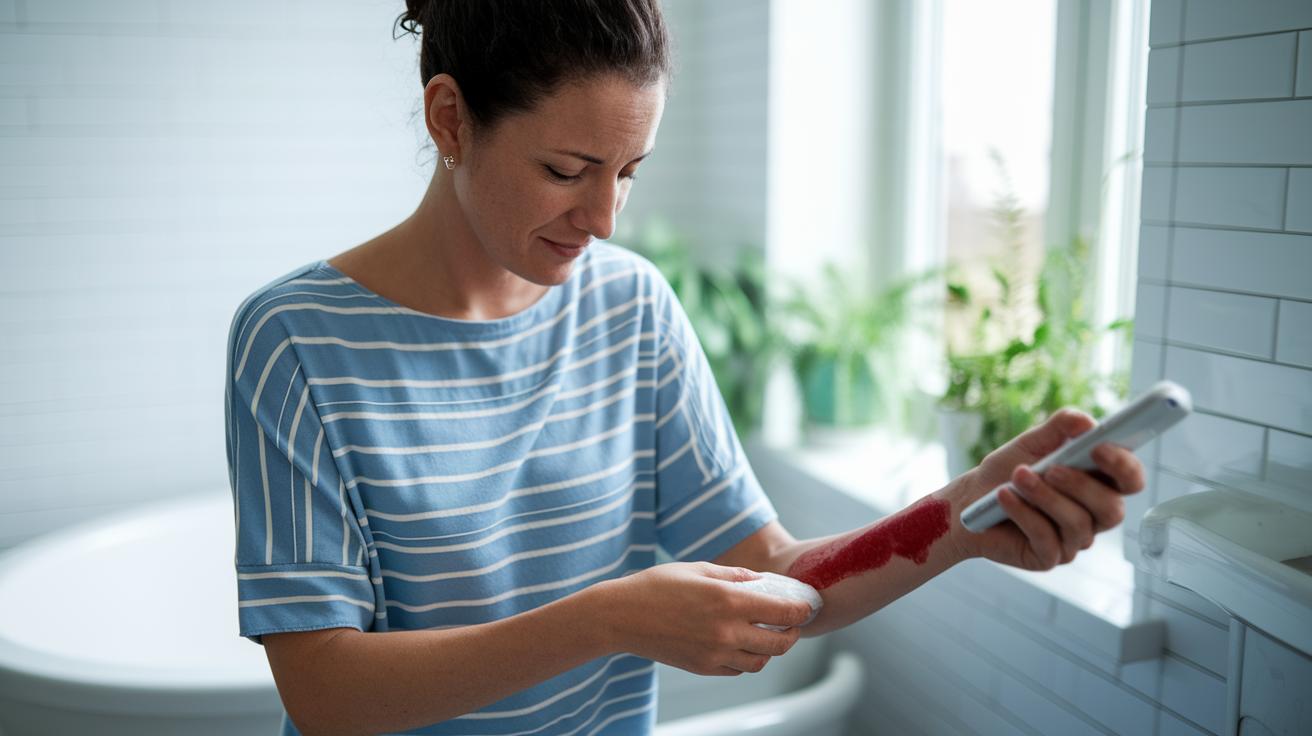
Quick take: Mild itchy bumps can be cared for at home, but watch for fever, severe swelling, or signs of infection.
If you notice any of these, call emergency services right away:
- High fever (102 F or above)
- Severe swelling or red streaks around the bump
- Pus, increasing pain, or worsening skin changes
If none of these red flags are present, you can try these self-care steps:
- Apply a cool compress or ice pack for about 10 minutes to ease the itch and reduce redness.
- Take a warm bath with colloidal oatmeal (finely ground oatmeal made for baths) to help soothe your skin.
- Gently rub calamine lotion or 1% hydrocortisone cream on the bumps to calm the itch.
- Use an oral antihistamine like diphenhydramine or cetirizine if the itch is widespread.
- Wash your skin with a gentle, fragrance-free cleanser and use a moisturizer that keeps your skin barrier healthy.
Keep track of your symptoms. Write down when you start feeling better or if the bumps spread. If your symptoms do not improve or become worse, contact your doctor for more advice.
When to seek professional help for small itchy bumps on skin
Quick take: If your itchy bumps last more than a week, spread, or show signs of infection, you need to see a dermatologist.
If your bumps don’t improve with over-the-counter care, it’s best to get a professional look. Watch for signs like pus, warmth, or extra redness. These can mean an infection is present. Also, if you start to feel a fever above 102 F or joint pain, that is a signal to seek urgent care.
Sometimes, the bumps appear in odd patterns. For example, if they form clusters or come with severe pain and swelling, conditions like psoriasis, scabies (a skin infestation caused by tiny mites), or folliculitis (infection of hair follicles) could be behind them. Even after trying different home treatments without any help, it’s time to get a professional evaluation.
A healthcare provider might run a few tests to figure out what’s causing the bumps. They might scrape a bit of your skin to check for mites, run lab tests for bacteria, or even take a small sample (skin biopsy) if they suspect a more serious issue. These tests are important to decide if you need prescription medications or other treatments.
| Sign | Action |
|---|---|
| Bumps lasting more than 1 week | See a dermatologist |
| Pus, warmth, or increased redness | Call your doctor |
| Fever over 102 F or joint pain | Seek urgent care |
| Clusters or intense pain and swelling | Get a professional evaluation |
| No improvement from home care | Consult a skin expert |
If you see any of these red flags, make an appointment with a dermatologist right away. Early action helps you get the right treatment and stops the condition from getting worse.
Preventing recurrent small itchy bumps on skin: Lifestyle and trigger avoidance
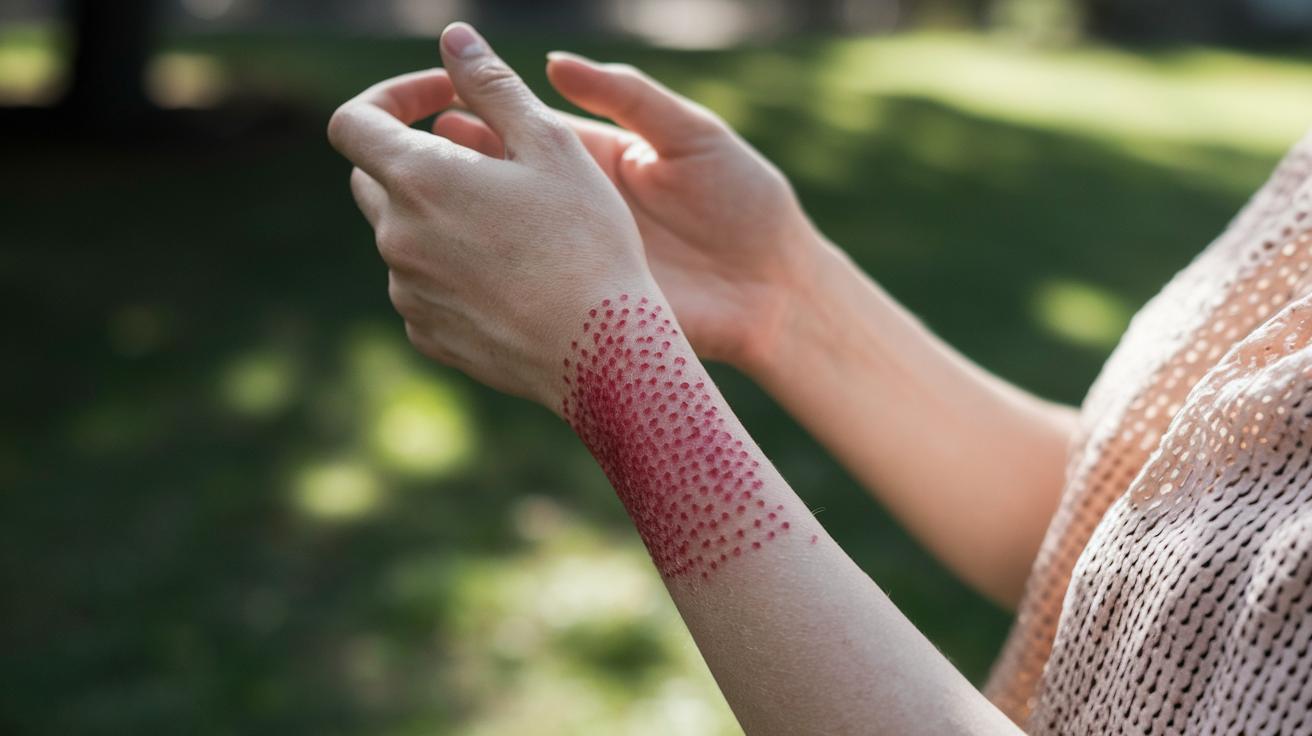
Quick take: Avoid triggers and care for your skin to keep bumps away.
Triage box:
- If you notice signs of infection (redness, swelling, warmth, or pus), call your doctor right away.
- If the bumps spread quickly or you feel worse, seek urgent care.
- For mild symptoms, follow self-care steps below and monitor your skin.
Your irritation often comes from allergens like scents, certain metals, or plants. When you know what triggers your bumps, you can make changes to protect your skin.
Keep your skin cool and dry. Wear lightweight, breathable clothing during warm weather. Choose moisture-wicking fabrics when you are active. This helps reduce sweat that can irritate your skin.
A good skincare routine is a must. Clean your skin daily with a gentle, pH-balanced cleanser (a cleanser that matches your skin’s natural acidity). Follow with a fragrance-free moisturizer to keep your skin barrier strong. In cold weather, when conditions worsen dry skin issues like eczema, switch to a creamier moisturizer to lock in moisture.
Try these simple steps:
- Use hypoallergenic personal care products.
- Keep your indoor space at a comfortable temperature.
- Wear loose clothes made from natural fibers.
- Avoid known triggers as much as possible.
Monitor your skin. If bumps do not improve within a week or if new symptoms develop, contact your healthcare provider.
Final Words
In the action, you learned that small itchy bumps on skin can stem from insect bites, allergies, folliculitis, eczema, or scabies. We broke down how to recognize red flags, manage the bumps at home with simple remedies, and decide when a doctor’s review becomes essential.
You now have a clear set of steps to track symptoms and adjust your routine. Stay safe, keep monitoring, and take charge of your care step by step.