


Quick take: Chest pressure and breathlessness can be a minor muscle strain or a sign you need to act fast.
Triage:
• If you have severe difficulty breathing, pain that spreads to your arm or jaw, feel faint, or the pressure worsens quickly, call emergency services now.
• If the discomfort is mild and lasts only a short time, monitor your symptoms and consider seeking care if it gets worse.
• Rest and note any changes, this helps your clinician understand what’s happening.
Have you ever felt a heavy pressure on your chest with your breath seeming to disappear? It can feel scary. Sometimes, it’s just a muscle strain from too much effort. Other times, it might be a sign that your heart and lungs need attention. They work together like teammates, so even small changes can be important.
In this guide, you’ll find simple steps to help you know when to act. We explain what to watch for and when a little discomfort turns into a warning sign. If your symptoms are new or getting worse, you may need to get help fast. Keep track of how you feel, and don’t hesitate to reach out to a trusted clinician if something doesn’t seem right.
Chest Pressure and Shortness of Shortness of Breath: Key Overview
Quick take: Chest pressure and shortness of breath can be mild symptoms or signals of a serious problem. Check the list below and act fast if any red flags appear.
If you experience any of these signs, call emergency services now:
- Severe, deep chest pain that spreads to your arm, neck, or jaw.
- Sudden, hard-to-control shortness of breath.
- Coughing up blood.
- Extreme lightheadedness or feeling faint.
Your body tells you when something isn’t right. Sometimes chest pressure and trouble breathing come from simple causes like muscle strain, heartburn, or bronchitis. However, when the pain is deep and crushing and spreads to other areas, it might be a heart attack. Women, in particular, can feel lightheaded or uneasy even if the pain does not seem very strong.
When your heart or lungs can’t move oxygen into your blood properly, you may feel a heavy squeeze in your chest along with hard breathing. This situation can happen when plaques narrow the arteries (the tubes that carry blood to your heart) or when lung tissue becomes inflamed due to an infection. In a pulmonary embolism (a sudden blockage in a lung blood vessel caused by a clot), you might also notice an abrupt chest pain, a desperate need for air, and sometimes coughing up blood.
These symptoms often go together because your heart and lungs work closely to supply oxygen to your body. If one has a problem, it can affect the other, much like two teammates in a game, if one falls behind, the whole team suffers.
Recognizing these signals early can help you decide if you can take simple self-care steps or if you need immediate medical help. Stay alert to what your body is telling you so you can act safely and get help when needed.
Cardiac Compression Sensations Behind Chest Pressure and Shortness of Breath

Quick take: Chest pressure and shortness of breath can signal serious heart issues.
Triage:
- If you have crushing chest pain, very fast shallow breaths, or sudden fainting, call emergency services now.
- If you feel lightheaded or the pressure worsens with activity, seek same-day medical help.
- If your symptoms are mild, note them and follow up with your doctor.
When you feel a tight, squeezing pain below your breastbone during activity, it may be caused by narrowed heart arteries from plaque buildup. This plaque limits blood flow, leading to a steady, dull pressure that can feel like a firm fist pressed against your chest. Sometimes, this discomfort may even mimic the heavy pressure of a heart attack.
A heart attack (myocardial infarction) happens when an artery gets completely blocked, stopping blood flow to your heart. This blockage causes a crushing chest pressure and rapid, shallow breaths that need immediate medical review. Feeling lightheaded during activity might also mean your heart isn’t pumping blood efficiently.
Heart failure is another concern. In this condition, fluid builds up in the lungs and makes breathing hard even when you are sitting up. This constant struggle to breathe can be very uncomfortable.
Irregular heartbeats (arrhythmias), where your heart beats out of its normal rhythm, can also reduce your heart’s ability to pump blood properly. These sudden changes during daily activities might leave you feeling short of breath and low on oxygen. Keep track of these symptoms and share them with your doctor.
Pulmonary Pressure and Constriction Leading to Breathlessness
Quick take: Sudden chest tightness, cough (sometimes with blood), or worsening breathing may point to serious lung issues that need prompt attention.
If you have any of these signs, call emergency services now:
- Sudden, sharp chest pain or pressure
- Cough that brings up blood
- Rapid breathing or severe shortness of breath
A clot in your leg can travel to your lungs (pulmonary embolism) and cause sudden chest tightness along with an unexpected cough. This can develop within minutes and is a sign that something is wrong with blood flow in your lungs.
Chronic obstructive pulmonary disease (COPD) often makes it hard to get enough air when you walk or do easy tasks. You might feel tightness in your chest, and even simple activities can leave you short of breath.
Infections like pneumonia can inflame your airways and make breathing difficult. You may have a fever, a cough that produces mucus, and a feeling that something is squeezing your chest so you can’t breathe properly.
Doctors use lung tests, like pulmonary function screening, to see how well air exchanges in your lungs. These tests help figure out if you have asthma, interstitial lung disease, or another lung problem.
Keep track of these key points:
- Monitor any new or worsening breathing problems.
- Note if your cough starts to change or produce unusual colors.
- Write down any changes in your ability to exercise or do daily activities.
Noticing these signs early can help you get the care you need to ease lung pressure and breathe easier.
Other Triggers of Chest Pressure and Shortness of Breath Beyond Heart and Lungs
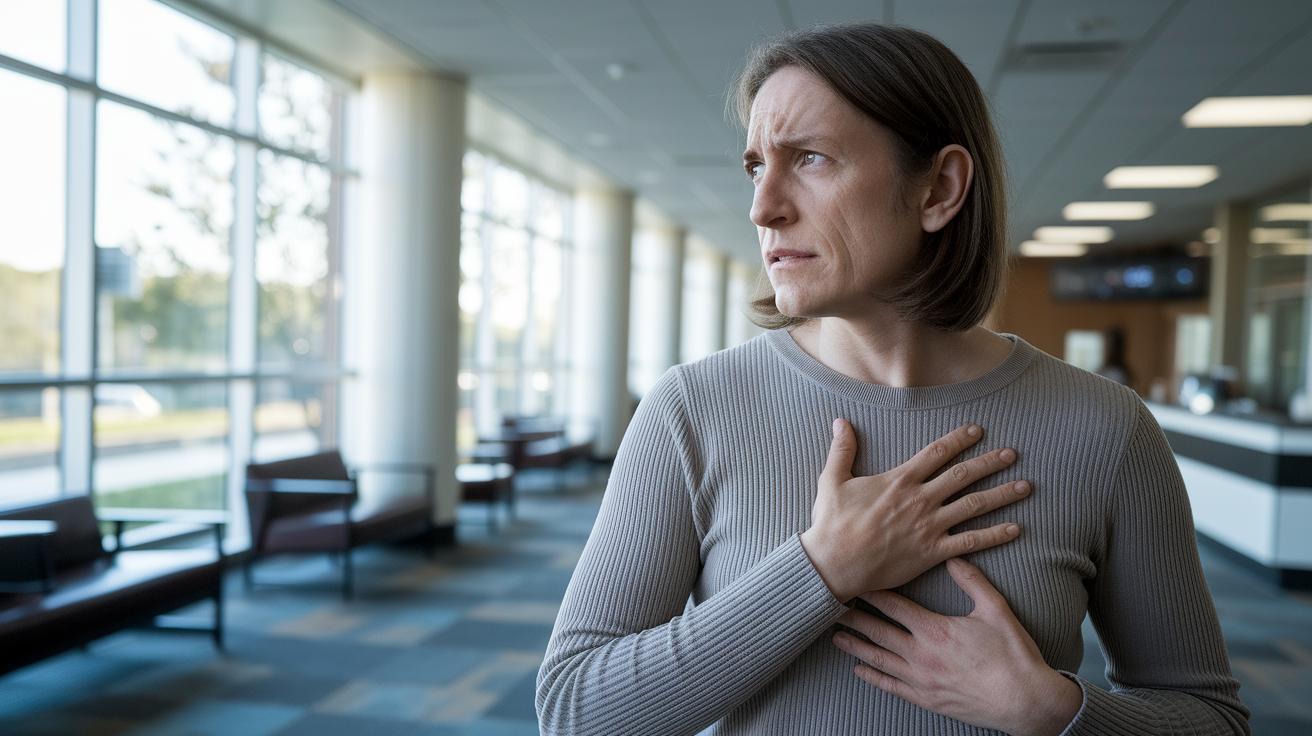
Quick take: Not all chest pressure and shortness of breath are heart or lung issues. Sometimes stress or other causes are at play.
If you experience any emergency signs like severe pain or difficulty breathing, call emergency services now.
Panic attacks can feel like a heart problem. When you have a panic attack, you might breathe fast and shallow and feel a tight chest. It can come on suddenly and feel like a heart attack, but it is driven by intense anxiety.
Costochondritis is inflammation of the rib cartilage. It causes sharp, localized pain and pressure over the chest, usually near the heart area. This pain often gets worse with movement or deep breathing.
GERD (gastroesophageal reflux disease) can cause a burning sensation in your chest. Stomach acid may back up and irritate your esophagus, making it feel like heart pain and sometimes even affecting your breathing.
Being overweight or out of shape can lead to breathlessness during even light exercise. When your body isn’t used to regular activity, everyday tasks may leave you feeling short of breath and with chest strain.
Watch for these signs:
- Notice rapid, shallow breaths that might be from anxiety.
- See if your chest pain feels sharp and worsens with touch (possible costochondritis).
- Track any burning sensation that happens with meals (possible GERD).
- Monitor your breathing during light exercise if you're not active.
Always check in with your clinician if you’re worried or if symptoms worsen.
Emergency Chest Alert Markers for Pressure and Shortness of Breath
Quick take: If you experience these chest or breathing issues, act fast.
If you see any of these signs, call 911 now:
- A crushing chest pressure with heavy sweating, nausea, or feeling lightheaded.
- Pain in your chest that spreads to your jaw, arm, or shoulder.
- Sudden, overwhelming trouble breathing that feels like you can’t get enough air.
- Fainting or feeling like you might pass out during chest discomfort.
- Signs of a lung blood clot (pulmonary embolism), such as quick, shallow breaths, coughing up blood, or a rapid heart rate.
Write down the exact time your symptoms start. For example, note "Chest pain began at 3:15 PM" so you can clearly tell emergency responders.
Clinical Dyspnea Assessment and Diagnostic Tests for Chest Pressure and Shortness of Breath

If you go to the ER because of chest pressure and shortness of breath, your doctors act fast to rule out any dangerous problems. They run a series of tests to find out what is causing your symptoms and to decide on the best treatment.
Here are some common tests they use:
- ECG: This test records your heart's electrical signals to see if your heartbeat is steady.
- Chest X-ray: This image shows your lungs and heart to spot any changes in size or shape.
- Blood tests for troponin and D-dimer: These tests check for heart muscle damage (troponin) and blood clots (D-dimer).
- Treadmill test: You exercise on a treadmill so your doctor can see how well your heart works during physical stress.
- Stress echocardiography: This ultrasound test watches your heart’s movement and blood flow while you exercise.
- Holter monitor: This portable device tracks your heart's rhythm continuously for about 24 hours.
- Home sleep study: This study checks for any problems with your breathing while you sleep.
- CT coronary angiogram: This scan uses X-rays to create detailed images of your coronary arteries to check for blockages.
- Pulmonary function tests: These tests measure how well air moves in and out of your lungs, looking for signs of blockage.
- Event recorders: These devices capture brief episodes of irregular heart rhythms.
- Echocardiography: This ultrasound test examines your heart muscle function to check for signs of heart failure.
For example, when a doctor orders an ECG, they are checking whether your heart beats in a steady, regular rhythm, much like a smooth, ticking clock. Using these tests together helps your doctor get a clear picture of your heart and lungs. This way, they can tell if your symptoms come from conditions like coronary artery disease, irregular heartbeats, or lung problems, so you get safe and timely care.
Thoracic Squeeze Relief Techniques and Home Remedies for Breath Difficulty
Quick take: These steps can help calm fast, shallow breaths and ease chest tightness. But if your breathing worsens or you feel faint, call emergency services immediately.
If you have any of these emergency signs, call emergency services now:
- Severe shortness of breath that does not improve
- Intense chest pain or pressure
- Fainting or dizziness
Controlled deep belly breathing can help slow rapid, shallow breaths. Instead of filling your chest with air, breathe deeply into your belly (diaphragmatic breathing). Try this paced method: breathe in slowly for 4 seconds, hold for 7 seconds, then exhale for 8 seconds. This simple exercise may ease the tight feeling in your chest.
You can also try a few home measures if you struggle with labored breathing. Sit upright with your shoulders relaxed to open your airways. A cool air fan can offer a steady breeze that may reduce the feeling of suffocation. If your chest muscles feel sore, a chest support brace might ease the pressure on your thorax.
If you notice a burning sensation from acid reflux (stomach acid moving up toward your chest), an over-the-counter antacid can sometimes help. For chronic lung issues, your clinician might recommend supplemental oxygen. Always follow your clinician's advice with these measures.
Steps to try:
- Practice deep belly breathing during and after symptoms.
- Use the paced breathing method (in 4 seconds, hold 7, out for 8) regularly.
- Sit upright and keep your shoulders relaxed when resting.
- Use a cool air fan to maintain a gentle, steady airflow.
- Consider a chest support brace if you feel muscle strain.
- Use antacids if reflux is causing chest discomfort.
- Keep a daily log of your breathing exercises, posture, and symptom changes to guide your clinician.
Chest Pressure and Shortness of Breath: Stay Safe

Quick Take: Simple lifestyle changes can ease mild chest pressure and shortness of breath. But if your symptoms get worse or you feel very unwell, take action immediately.
Triage:
• Emergency: If you experience severe chest pressure or find it hard to breathe, call emergency services now.
• Urgent: If your symptoms worsen or last several days, seek same-day medical care.
• Self-Care: Use healthy habits to help manage your symptoms.
Regular exercise helps your body deliver oxygen better and can reduce discomfort during activity. Even a gentle walk each day can improve your endurance. Start with a short walk and slowly increase your time and pace.
Eating a balanced diet helps you control your weight, which in turn lightens the work your heart and lungs do. This can lead to fewer episodes of chest pressure and breathlessness.
If you smoke, quitting is very important. Stopping tobacco protects your lungs from damage that can lead to conditions like chronic obstructive pulmonary disease (COPD).
For those with reflux (when stomach acid comes up into your esophagus), changing your diet or using medications to lower stomach acid can help stop irritation that may trigger chest discomfort.
Reducing stress can also help your breathing. Techniques like meditation can ease fast, shallow breaths that come with anxiety. Even a few minutes of mindful breathing each day can make a difference.
Regular checkups are key. Your doctor might recommend pulmonary rehabilitation (a program to improve lung function) if needed. These visits help track your lung health and catch any worsening signs early.
Checklist:
- Exercise daily at a pace that feels comfortable
- Follow a balanced diet to maintain a healthy weight
- Quit or avoid smoking
- Adjust your diet to help reduce acid reflux
- Practice stress-reducing techniques like meditation
- Keep up with scheduled doctor visits
Final Words
In the action, this guide explored the many causes of chest pressure and shortness of breath, from heart and lung issues to anxiety and reflux. It also detailed when to act fast, what tests might be done, and practical steps you can try at home. We broke down the signs that need urgent attention and shared useful tips for keeping your symptoms in check. Stay mindful of changes and track your symptoms carefully. Remember, taking these steps can help you feel safer and more in control. Stay positive and take care.
FAQ
Q: How to relieve chest tightness and shortness of breath
A: Relieving chest tightness and shortness of breath involves practicing diaphragmatic breathing, resting, and maintaining an upright posture. Home remedies like cool air and over‐the‐counter antacids can help, but consult a clinician if symptoms persist.
Q: How to tell if shortness of breath is from anxiety
A: Determining if shortness of breath is anxiety-related means noting if it occurs during stress or panic without heart or lung issues. Tracking triggers and symptom patterns can help, yet a clinician’s input is key for a proper assessment.
Q: What does dyspnea mean
A: Dyspnea means difficulty breathing or shortness of breath. This symptom can arise from heart conditions, lung infections, or anxiety, and monitoring its pattern helps in determining when to seek further evaluation.
Q: What causes chest pain in a woman
A: Chest pain in a woman can stem from heart conditions, acid reflux, muscle strain, or anxiety. Women may exhibit subtler heart attack signs like unusual fatigue or lightheadedness, so prompt evaluation is essential.
Q: What does shortness of breath that comes and goes indicate
A: Shortness of breath that comes and goes may suggest conditions like asthma, anxiety, or early heart failure. Tracking when it occurs and any triggers can provide useful clues for your clinician’s diagnosis.
Q: What does female pain in the middle of the chest signify
A: Female pain in the middle of the chest may be linked to heart conditions, acid reflux, or musculoskeletal issues. Women sometimes show heart attack signs subtly, such as chest discomfort with lightheadedness, so professional evaluation is important.
Q: What does tight pain in the middle of the chest indicate
A: Tight pain in the middle of the chest may indicate heart‐related issues or less serious causes like muscle strain or reflux. Look for red flags such as radiating pain, sweating, or nausea, and seek immediate care if needed.
Q: Why does my chest hurt when I take a deep breath
A: Chest pain when taking a deep breath may result from conditions like lung infections, pleurisy (inflammation of the lung lining), or musculoskeletal strain. If the pain worsens or comes with fever or cough, seek prompt evaluation.
Q: Why do I feel pressure in my chest and shortness of breath
A: Feeling pressure in your chest and experiencing shortness of breath can signal issues with the heart or lungs, such as angina or pulmonary embolism. Recording your symptoms and red flags is crucial for timely medical review.
Q: When should I be worried about chest tightness
A: You should be worried about chest tightness if it is severe, radiates to the jaw or arm, comes with sweating or nausea, or if shortness of breath occurs. In these cases, call emergency services or seek urgent medical care.
Q: What are the four signs of an impending heart attack
A: The four signs include crushing chest pressure, shortness of breath, pain that radiates to the arm or jaw, and accompanying symptoms like nausea or lightheadedness, all warranting immediate emergency evaluation.
Q: How can I tell if my shortness of breath is heart-related
A: Heart-related shortness of breath often accompanies chest pressure during exertion, pain radiating to the arm or neck, and a history of heart issues. Cardiac evaluations and tests are needed to confirm the cause.