
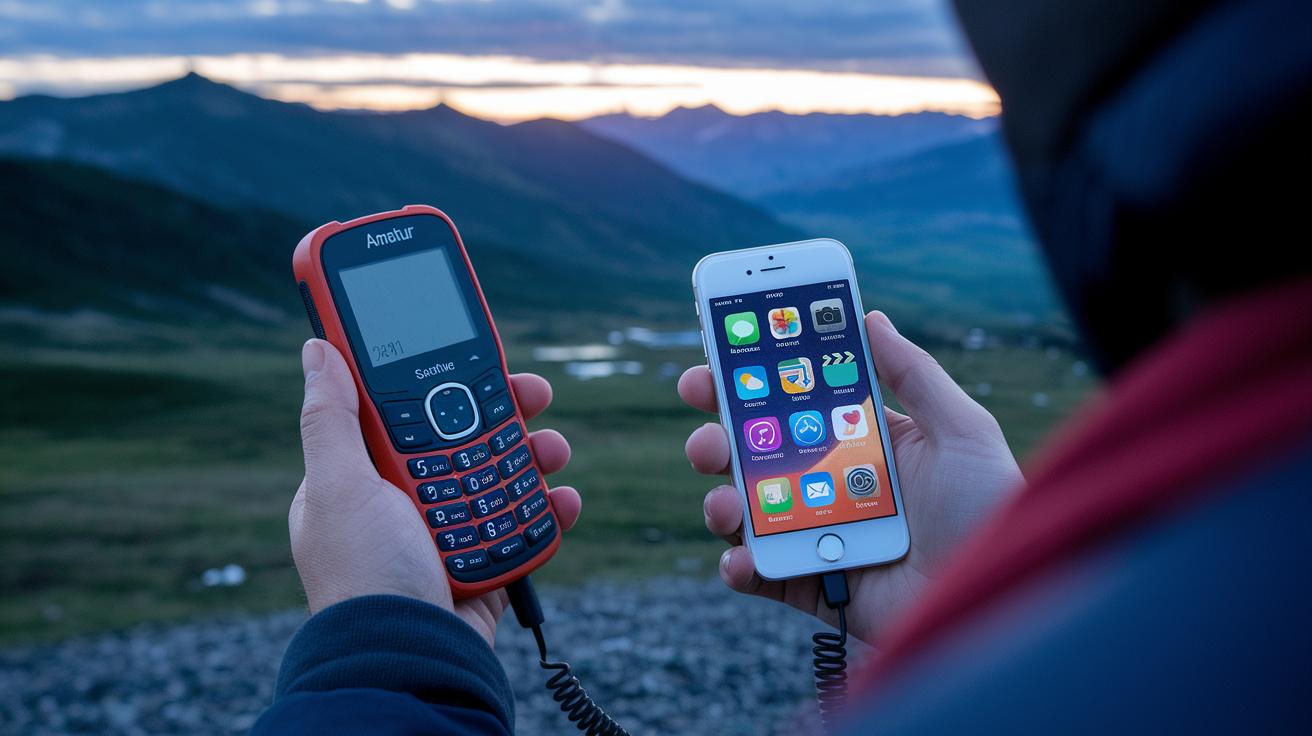

Quick Take: Stay connected when disaster strikes with reliable emergency communication tools.
Emergency Communication Checklist:
• If regular networks fail, use your emergency device.
• Verify your device is charged and in working order.
• Keep essential contacts handy.
Have you ever thought about how you'll reach out when disaster hits? Imagine a tool that works even when cell towers and internet go down. Every year, about 240 million calls are made to 911 in the US. That shows just how needed dependable communication is during a crisis.
These devices act as a lifeline for you and your community. From simple walkie-talkies to advanced mobile command centers, they keep you informed and safe. When disaster strikes, having a reliable communication tool can help you get the support you need right away.
Comprehensive Overview Of Emergency Communication Devices
Quick Take: Reliable communication devices can save lives during emergencies when regular networks fail.
When disaster strikes or you face safety concerns, these devices help keep you connected. Every year in the US, about 240 million 911 calls show how vital fast, reliable communication can be. They work exactly when you need them most, when usual networks break down.
These tools cover many situations, from police operations to helping people in remote areas during natural disasters. They allow teams and communities to act quickly and safely.
Different devices serve different needs. Some use simple radio signals, while others send digital messages for clear, constant contact. Many work on their own without an outside network, and some come in mobile units that combine radio, mobile internet (LTE), and digital tools like computers and tablets.
Some common options include:
- Walkie-talkies: Portable radios that work without a network, perfect for short-range calls.
- CB Radios: Cover roughly 20 miles using several channels with a tuned antenna.
- Police Scanners: Compact devices that let you listen to law enforcement channels for real-time updates.
- HAM Radios: Versatile radios (requiring a license) that let you talk, text, or send data around the globe.
- Mobile Command Centers: Units that mix multiple radio channels with digital tech to support coordinated operations.
- Satellite Phones: Phones that work anywhere, providing two-way voice and data communication.
- Personal Locator Beacons: Devices that send one-way distress signals through emergency satellites, without monthly fees.
- One-Way Alert Systems: Systems that broadcast critical information when power or regular networks fail.
Comparing Two-Way Radio Systems For Emergency Communication
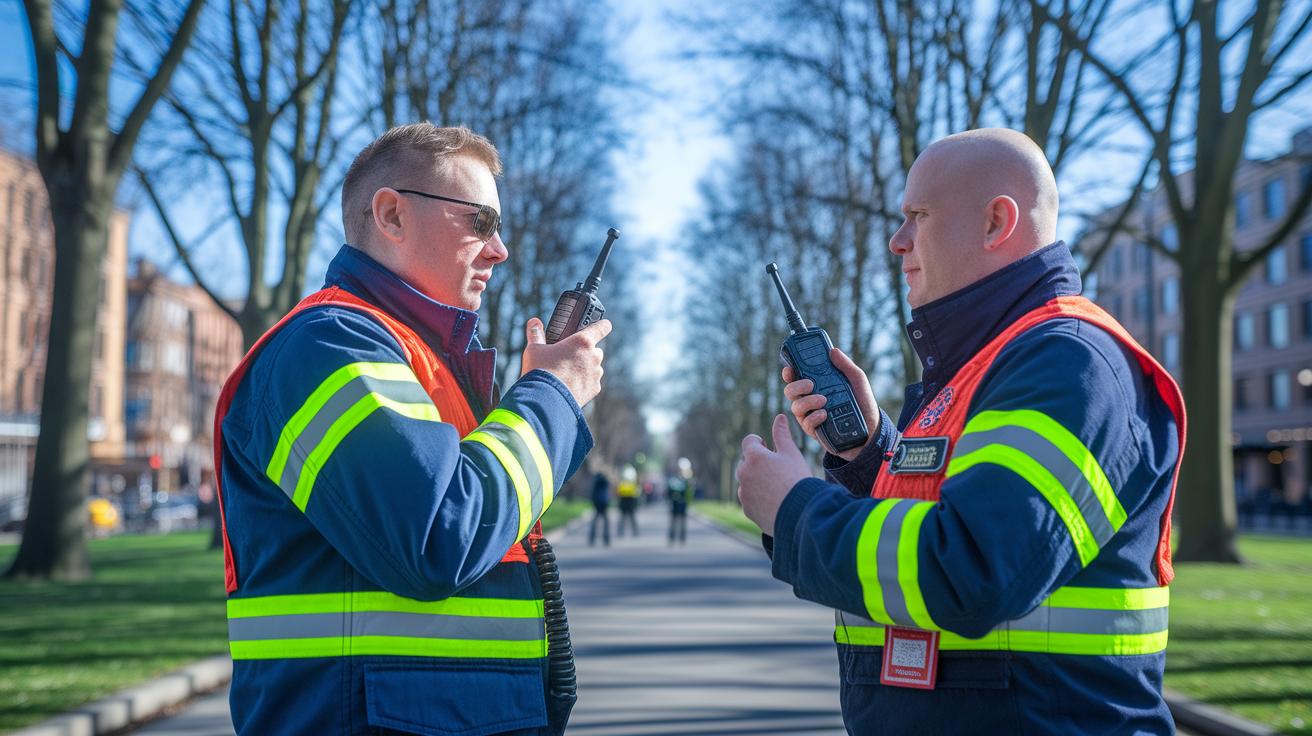
These radios keep you connected when phones fail during an emergency. They let responders talk and coordinate when cell networks might be down, which helps rescue teams and public safety efforts run smoothly.
| Radio Type | Frequency | Range | License | Typical Cost |
|---|---|---|---|---|
| FRS | UHF 462–467 MHz | A few miles | No | $20–$50 |
| MURS | 151–154 MHz | Several miles | No | $30–$70 |
| CB Radio | 40 channels | About 20 miles | No | $50–$100 |
| GMRS | UHF (varies) | Up to about 50 miles | Yes | $70–$150 |
| HAM Radio | Varies (HF/VHF/UHF) | Global | Yes | $100–$300 |
Each radio type has its own strengths. FRS units are easy to use and low cost, so they work well for local chats and do not need a license. MURS radios work similarly but often provide a clearer signal over a slightly longer distance due to fewer channels and less interference. CB radios are a traditional choice that can reach around 20 miles but need a well-tuned antenna to work best. GMRS systems can cover up to 50 miles but require an FCC license and cost a bit more. HAM radios are very versatile for worldwide chats but need licensing and skilled use, so they suit people with extra experience.
Before you choose, think about how far you need to send messages, how easy the device is to use, licensing rules, and how much you can spend. This will help you pick the best radio for your emergency communications.
Satellite SOS Units And Personal Locator Beacons
Satellite SOS devices come in two clear types. Personal Locator Beacons (PLBs) send one-way help signals by using emergency satellites. They do not require a monthly fee and offer a simple way to get rescue teams working. Two-way satellite messengers let you share texts and your location live. These cost a subscription but keep you in touch as events unfold.
Imagine a lightweight unit for backpacking, weighing under 7 oz and fitting neatly into your outdoor kit. PLBs are excellent if your goal is to flag rescuers quickly. Two-way units let you keep communicating during an emergency when you need ongoing updates.
Key factors to check are range, battery life, and cost. PLBs are built to last in remote areas with long battery life. They send your distress signal even in harsh conditions. Two-way devices cover unlimited areas with steady updates, but note the subscription fee brings extra cost. Whether you are hiking deep in the wilderness or off the grid, choose a PLB for a simple, no-fee alert system or a two-way messenger for real-time updates.
One-Way Alert Systems For Disaster Broadcasts
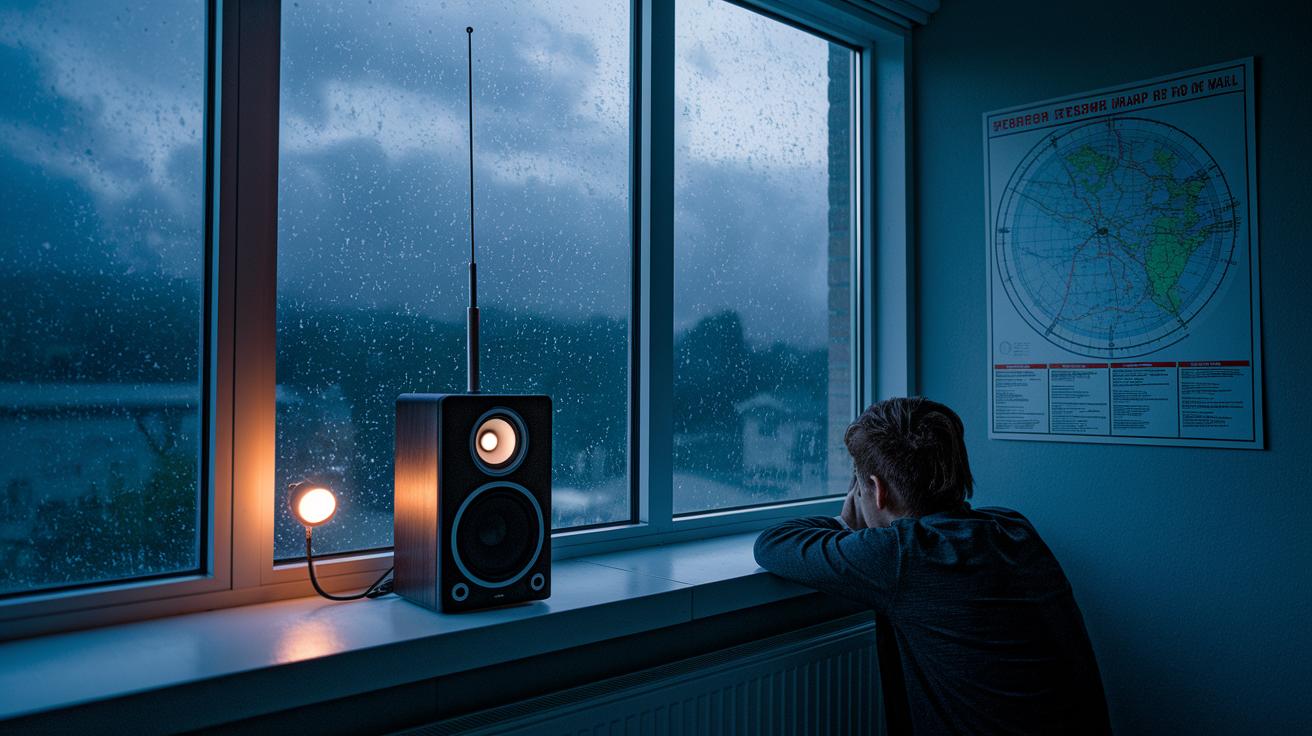
When networks or power go out, one-way alert systems become your lifeline. They send urgent messages when regular communication stops. In events like severe storms or sudden outages, these systems work without cell towers or internet. This constant flow of information gives you geo-targeted alerts and clear instructions fast, even when modern technology fails.
One-way alert systems use different methods to get messages out. Here are some common types:
| Method | Description |
|---|---|
| NOAA Weather Radio with SAME | Sends local, geo-targeted severe weather alerts |
| Wireless Alert System (WAS) | Sends urgent bulletins directly to your mobile devices |
| Public Address/Siren Systems | Broadcasts warnings over large areas from community centers and key facilities |
| Online Alert Feeds | Streams constant emergency updates through dedicated apps and one-way internet services |
Each option offers a clear, quick way to deliver safety messages when two-way channels are unavailable.
Power Management And Equipment Protection For Emergency Communicators
When you are off the grid, keeping your communication gear powered is vital. Extra battery spares let you quickly swap out dead batteries so you can keep working even when power sources drop. Portable solar panels use sunlight to recharge your devices, while hand-crank chargers offer a manual way to generate power. Together, these tools form a reliable backup so that your emergency kit always has the energy it needs.
Solar generators now play a key role in powering mobile command centers. They recharge essential gadgets like radios and signal transmitters without relying on the grid. These generators are compact, efficient, and built to handle several devices at once, ensuring that your equipment stays active during long outages.
Faraday Cage Protection:
Protecting your electronics is just as important as powering them. Faraday cages or mesh bags (protective enclosures made of metal or mesh) shield sensitive devices from electromagnetic pulses and solar storms. You can create makeshift cages with items like metal trash cans or old microwave ovens, or use specialized mesh bags. Make it a habit to test both your power systems and protective gear. Check that your battery spares, portable solar panels, and generators work well, and periodically test your Faraday cage to keep your devices safe from electromagnetic threats. This routine helps your equipment stay secure during any emergency.
Certification, Compliance, And Pricing Guide For Emergency Communicators
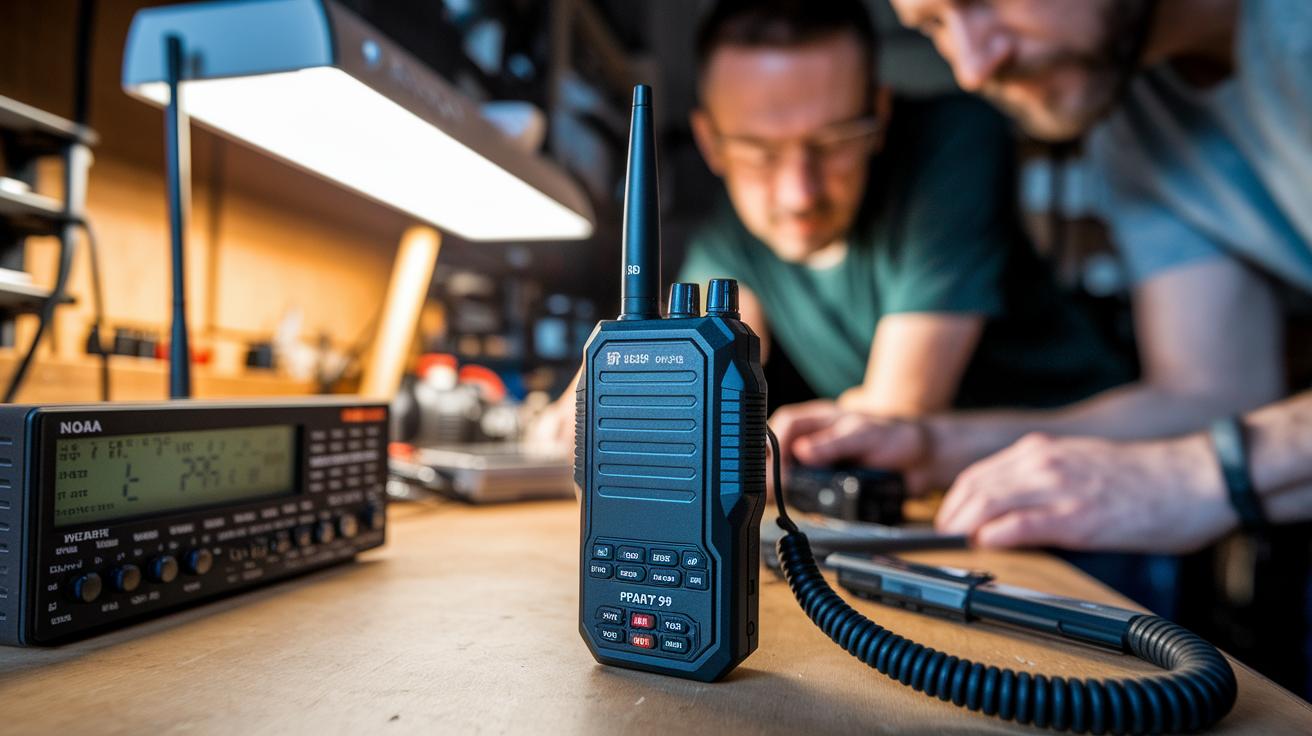
FRS and GMRS radios and many other emergency devices must follow FCC Part 95 rules. These rules keep devices on set frequencies so they don't interfere with one another. FRS radios are for personal use while GMRS radios need a $35 license that lasts 10 years. NOAA Weather Radios use a narrow band from 162.400 to 162.550 MHz and meet SAME tests (which check for clear, location-specific warnings). This strict control makes sure your device works safely during an emergency.
When choosing an emergency communicator, you want a unit that is both tough and reliable. Many devices meet MIL-STD-810G tests (which show they handle shock and vibration) and have an IP67 rating (which proves they resist dust and water). This means they can handle drops, extreme temperatures, and wet conditions. Whether you are in a disaster area or outdoors, these rugged devices keep you connected.
Prices for these tools vary widely. Basic FRS radios can cost about $20, making them an affordable choice for local communication. More advanced tools like satellite phones can cost over $1,000, plus monthly fees from $12 to $50. As you review your options, think about both the upfront cost and any ongoing expenses to keep the device ready and reliable when you need it most.
Emergency Communication Devices: Stay Resilient & Secure
Experts have looked at many devices to find the best tools for staying in touch during an emergency. Top picks include the Garmin inReach Mini, Midland GXT1000VP4, and ACR ResQLink. The inReach Mini is small and lets you send messages both ways, but it does need a subscription. The Midland GXT1000VP4 is tough and works over long distances; however, its battery may not last as long when it’s cold. Meanwhile, the ACR ResQLink sends distress signals quickly and is very easy to use, though it only sends one-way alerts. These reviews help you choose the device that best fits your safety needs.
Real-life stories back up these expert picks. One user said the Garmin inReach Mini was a lifesaver during a severe winter storm when phone networks went down. Another talked about how the Midland GXT1000VP4 kept them connected on a remote hiking trip, even when the weather turned bad. A third person shared that the ACR ResQLink’s fast distress alert helped rescue teams find them quickly during a sudden outdoor emergency. These experiences show how these devices can be trusted tools in real emergencies.
Final Words
In the action of this article, we explored various emergency communication devices, from walkie-talkies and satellite phones to radio systems and specialized SOS units, highlighting their roles in law enforcement, disaster relief, and personal safety. We broke down device types, regulatory details, pricing, and expert tips in clear, simple steps.
Remember, having reliable emergency communication devices on hand gives you a solid backup when events take a turn. Stay prepared, monitor changes, and keep safe.
FAQ
What are the best emergency communication devices?
The best emergency communication devices include satellite phones, walkie-talkies, CB radios, and personal locator beacons. They work when cell networks fail, ensuring you can quickly alert help during an emergency.
What are the best off-grid and long-range emergency communication devices?
The best off-grid and long-range devices are satellite phones, HAM radios, and specialized messengers. They operate without towers, giving you reliable contact over large distances in remote or disaster settings.
What is the best emergency communication device for hiking?
The best device for hiking is a lightweight satellite messenger or personal locator beacon. These tools work off-grid, offering two-way messages or distress signals when you’re far from cell service.
What is the 3-3-3 rule for radio?
The 3-3-3 rule for radio means testing three channels for three minutes each to check signal reliability before an emergency. This practice helps ensure you’ve identified the clearest channel for crucial communication.
How can you communicate without a phone during emergencies?
You can communicate without a phone by using radios, satellite messengers, or locator beacons. These devices work independently of cellular networks, making them ideal for keeping in touch during power outages or remote situations.
What are the 10 emergency kits?
The 10 emergency kits refer to a set of essential supplies such as water, food, first aid, flashlights, batteries, tools, maps, communication devices, personal documents, and extra clothing to help keep you safe during disasters.