
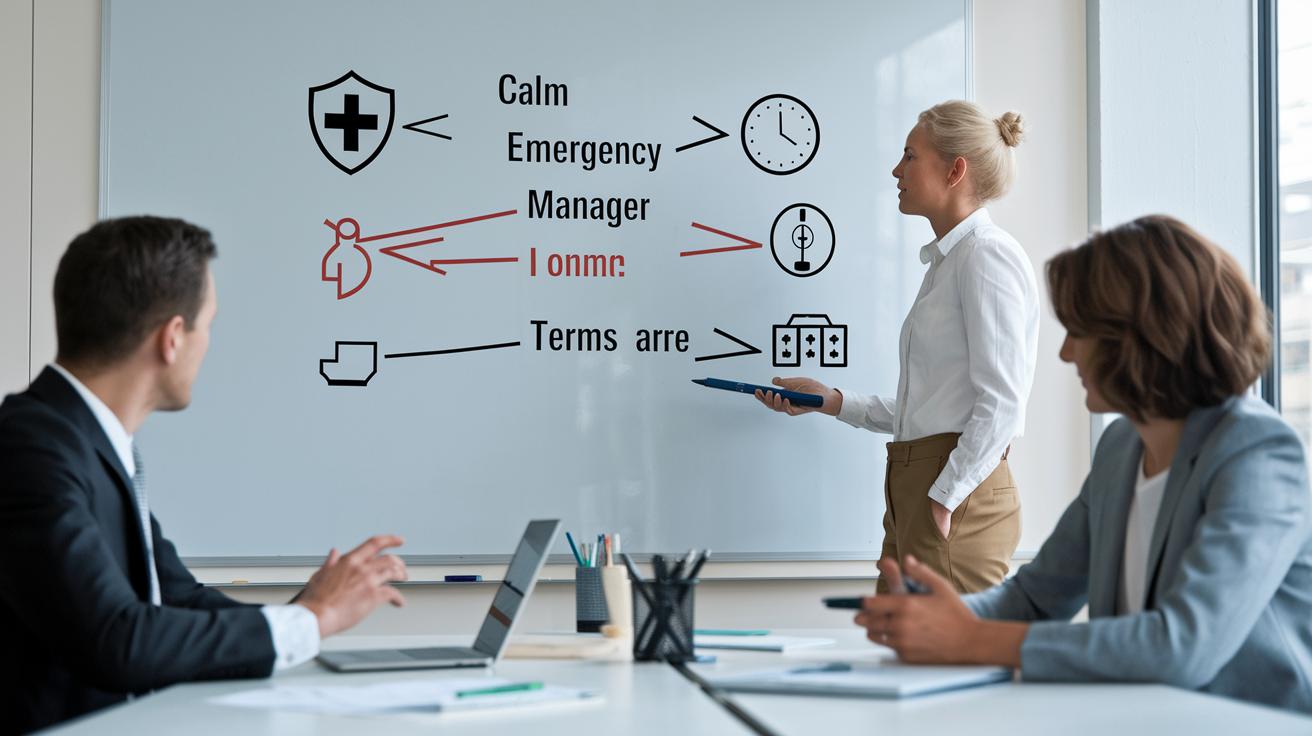

Quick Take: Emergency management unites planning, fast action, and recovery to keep you and your community safe.
If you notice any signs of a crisis, call emergency services right away.
Emergency management might seem complex, but it really means being prepared. It is all about having a plan, acting quickly, and coming together after a disaster. This teamwork involves government agencies, rescue teams, and local groups. They pool their resources so that every second counts when protecting lives and property.
Here’s what you need to know:
• Planning: Developing clear steps for when a crisis happens.
• Fast Action: Quickly responding to danger.
• Recovery: Helping people and communities get back on their feet after an event.
By breaking down these parts into simple, trusted steps, you can see how emergency management protects everyone. Stay informed and know who to call when time is critical.
Emergency Management Definitions: Simple, Clear Terms
Emergency management means getting organized to handle a crisis safely. It covers planning, quick responses, and early steps to recover. A crisis is a dangerous event that needs quick action to stop it from getting worse. This idea comes from the UNISDR guides (from 2009) that many groups use.
It takes teamwork to manage emergencies. Government bodies, volunteer groups, nonprofits, and businesses each play a part. For example, during a flood, local officials, rescue teams, and companies may work together to secure the area. This teamwork helps keep everyone safer.
Some texts use the terms emergency management and disaster management in the same way. In both cases, the focus is on building a strong system that prepares you, helps you act fast, and allows you to bounce back. Understanding these basics gives you a clear idea of how to protect lives and property during emergencies.
The Four-Phase Emergency Management Cycle

Emergency management is an ongoing cycle that helps keep communities safe. It follows four clear steps to plan, act fast when incidents occur, start repairs, and rebuild over time. This cycle comes from the UNISDR 2009 guide and is similar to FEMA’s mission areas. It shows how readiness, quick action, and rebuilding work together to reduce damage and help communities bounce back.
Mitigation Phase
Mitigation means spotting hazards and working to lower risks before trouble happens. This step builds community strength and cuts the potential harm of disasters. For example, local leaders might update building rules or create flood barriers to protect homes and businesses.
Preparedness Phase
Preparedness is about planning and practicing before a crisis hits. In this phase, plans are made, training is set up, and resources are set aside. Teams often run practice drills so everyone knows their role when an event happens.
Response Phase
Response covers the quick actions taken during an incident. It includes starting emergency operations, coordinating help with other agencies, and using public alerts to keep people informed. Fast, organized actions help manage the situation and prevent more harm.
Recovery Phase
Recovery means fixing and rebuilding after an incident. The goal is to restore services and repair what was damaged. This might involve fixing roads or getting power back on while planning how to be safer in the future.
| Phase | Definition |
|---|---|
| Mitigation | Spotting hazards and reducing risks to build community strength. |
| Preparedness | Planning, training, and setting aside resources for a crisis. |
| Response | Quick actions and coordinated efforts during an incident. |
| Recovery | Restoring services, repairing damage, and rebuilding for the future. |
Incident Command and Crisis Response Terms in Emergency Management
When an emergency happens, clear roles and a common language help everyone act fast and safely. Federal, state, local, and private agencies all use the same terms so that during a crisis, you know exactly who does what.
Incident Command Terminology
In emergencies, you may hear terms like Incident Commander, Operations Section Chief, and Unified Command. The Incident Commander is the lead; they make essential decisions and guide the overall response. The Operations Section Chief coordinates teams and resources on the spot. When several agencies work together, a Unified Command brings all leaders together so they can pool their expertise and act as one team. This clear setup minimizes confusion during stressful times.
Response Strategy Concepts
Other key terms include mutual aid, resource typing, and surge capacity. Mutual aid means different groups agree to support each other when trouble strikes. Resource typing organizes tools and teams by skill so the right help gets to you quickly. Surge capacity is your system’s ability to handle a sudden jump in demand. Together, these ideas create a robust plan that scales with the size and urgency of any incident.
Risk Mitigation and Safety Protocols in Emergency Management

Risk mitigation in emergency management means taking steps to reduce the harm from potential dangers. You can do this by using techniques like hazard vulnerability analysis (a way to spot risks), following up-to-date building codes, and performing community risk checks. These actions help identify weak points in your area before a problem happens so you can fix them early. Agencies such as FEMA see these steps as essential to protect lives and property by reducing exposure to unsafe conditions. Acting now builds a safety net that cuts down on damage during a crisis.
Safety protocols are the clear rules meant to help keep everyone safe when an emergency strikes. They include careful reviews of local hazards, strict adherence to safety rules, and regular training so that everyone knows what to do. These steps make sure that emergency plans are practical and that quick actions can be taken to protect people and important places when needed. Together, risk mitigation and safety protocols help build a community that is ready and strong when facing disasters.
Federal Guidelines and FEMA Standards for Emergency Management
FEMA, part of the Department of Homeland Security, makes national rules to handle disasters. Their guidelines cover planning steps like getting ready for emergencies, keeping you safe, reducing damage, handling incidents quickly, and helping communities recover. These rules are based on the UNISDR framework (an international plan for reducing disaster risks) and get updated often to meet new challenges.
These federal standards guide local planning, training, and coordinated responses. Emergency managers check risks, use resources wisely, and adjust plans as new threats come up. Updates based on scientific research and real-life events keep the system strong. This solid framework not only supports quick emergency actions but also helps communities bounce back afterward. In every urgent situation, these measures play a key role in protecting lives and property.
Emergency Management Planning and Preparedness Essentials

Getting ready for an emergency means having the right tools and plans before a crisis strikes. Good planning and regular community training help everyone know what to do when problems arise. Simple templates and checklists can guide you through each step, making it easier to act quickly and safely.
For instance, a well-prepared family might keep a 72-hour survival kit (a supply of essential items for 3 days) and a clear plan for different scenarios. Workplaces and construction sites also benefit from specific emergency checklists that break down tasks into simple actions. These steps help build a strong system where everyone knows their role and can act with confidence.
Key resources include:
- Hazard risk assessment frameworks
- 72-hour survival kit guidelines
- Family contingency plan templates
- Workplace emergency action plans
- Community training and simulation exercises
Recovery Operations and Business Continuity in Emergency Management
After a disaster, recovery operations are all about getting back the services you depend on. This can mean fixing damaged roads, restoring power and water, or reopening important public buildings. Emergency managers work with local agencies and private groups to make sure these repairs happen quickly. The goal is to lessen long-term damage and build a stronger, safer community. FEMA uses clear targets to guide these repairs, so not only do services come back, but they often improve too.
Business continuity planning works hand in hand with recovery. It makes sure that key services keep running with as little interruption as possible during and after an emergency. This planning involves setting up step-by-step strategies to protect important functions and bring services back quickly. Both public and private organizations come together to decide which processes are critical and to put measures in place that keep things steady. By doing this, communities can avoid big economic losses and be better prepared for future challenges.
Final Words
In the action, this article unpacked emergency management definitions and detailed crisis response steps. It broke down the disaster management cycle, from mitigation and preparedness to response and recovery, while clarifying important incident command and risk mitigation terms.
We covered federal guidelines, practical planning tools, and business continuity basics to help you respond safely. Use these clear, human explanations as a quick reference during urgent moments. Stay positive, stay prepared, and let every step you take empower your emergency response.
FAQ
What is the definition of emergency management?
The definition of emergency management involves organizing resources and responsibilities to address emergencies through preparedness, response, and recovery. It brings together multiple sectors to manage potential crises safely.
What are the five elements of emergency management?
The five elements include prevention, protection, mitigation, response, and recovery. These elements guide agencies like FEMA in establishing coordinated strategies to handle disasters effectively.
What are the four types of emergency management?
The four types refer to the phases of the cycle: mitigation, preparedness, response, and recovery. This cycle helps communities plan and act methodically during emergencies.
What are emergency management terms and definitions?
Emergency management terms encompass roles such as incident command, mutual aid, and surge capacity. Understanding these terms ensures clear communication during crisis situations.
Where can I find disaster management terminology in PDF format?
Disaster management terminology PDFs offer detailed definitions and concepts used in crisis planning. They serve as useful reference guides for clarifying key language in emergency management.
What does FEMA state about emergency management principles?
FEMA outlines emergency management principles by emphasizing a structured approach with phases like prevention, protection, mitigation, response, and recovery, ensuring coordinated actions during emergencies.
Why is emergency management important?
Emergency management is important because it coordinates resources and efforts across agencies to reduce risk and protect communities during crises. This collaboration helps lessen damage and speeds up recovery.