
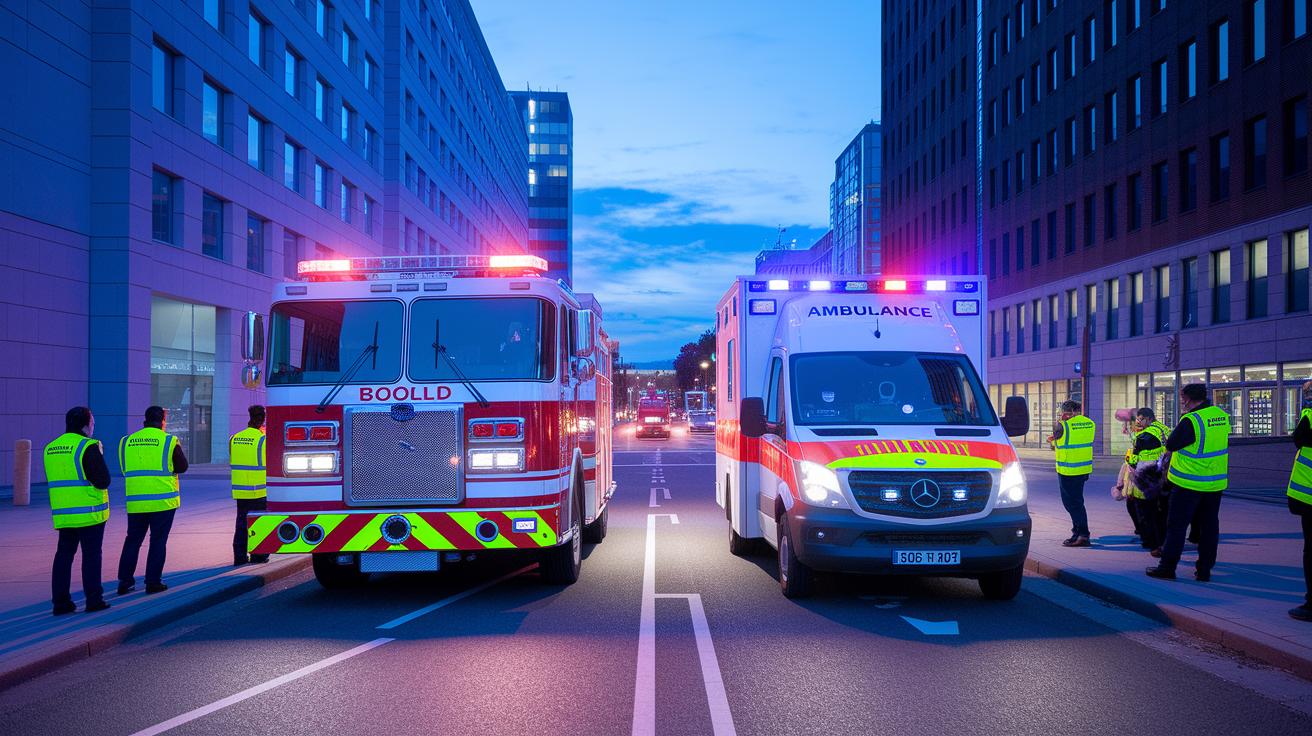

Quick take: Emergency vehicles use flashing lights and sirens to clear a path so they can save lives.
When you hear a siren and see those bright lights, it means help is on its way. Emergency vehicles, like police cars, fire trucks, and ambulances, use their signals to cut through heavy traffic. Each one has a clear job: police keep order, firefighters tackle fires, and paramedics provide urgent care.
When you see these vehicles, remember to yield. Let them pass quickly so they can reach those in need. This teamwork helps keep our community safe and can be the difference between life and death.
emergency response vehicles: boosting public safety
These special vehicles help first responders reach emergencies quickly. They carry essential gear and trained teams like police, firefighters, and paramedics to keep you safe.
When lights and sirens are on, drivers get special rights. They can pass normal traffic rules so they can drive fast and clear intersections. This cuts delays and helps emergency teams get there even in heavy traffic.
Each vehicle has its own job. Police cars handle law and order and crisis work. Fire trucks fight fires and rescue people. Ambulances deliver quick medical care. Together, they form a team that works hard to protect our community.
Core Types of Emergency Response Vehicles
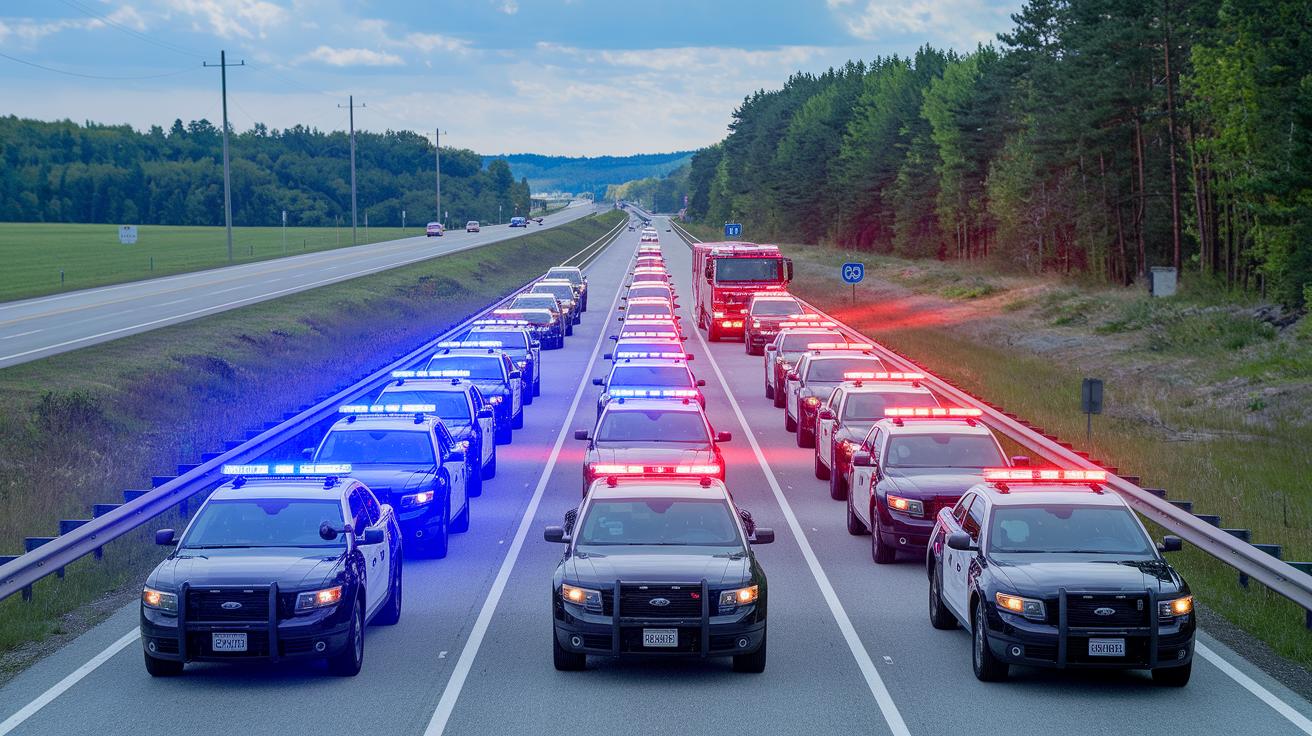
Emergency vehicles are built to serve unique roles during a crisis. They generally fall into three groups: police vehicles, fire trucks, and ambulances. Each group is designed with special equipment to handle emergencies effectively.
Police Vehicles
Police vehicles help you maintain safety and order. Patrol cars are fitted with flashing lights and sirens to be seen and heard quickly. Chase or interceptor cars have reinforced push bars and powerful engines for high-speed pursuits. Highway patrol cars come with speed cameras and upgraded gear to respond fast on freeways. SUVs with all-wheel drive work best in rural areas where rough terrain means you need more traction.
Fire Trucks
Fire trucks are made for firefighting and rescue tasks. Standard fire trucks carry firefighters and the tools they need. Pumpers are equipped with water tanks, pumps, and long hoses to help put out fires. Turntable ladder trucks have big, extendable ladders for reaching high floors. Heavy rescue trucks focus on technical rescues during large emergencies. There are also specialized trucks such as quints that combine several firefighting functions, A-Wagons for wildland fires, and water tenders that mainly transport water.
Ambulances
Ambulances are designed to stabilize patients and transport them safely. First responder ambulances work quickly to stabilize you at the scene. Isolation ambulances come sealed and use special filters to handle dangerous exposures. Advanced life support vehicles act like mobile intensive care units, while basic life support units handle less critical cases. Some ambulances are built to help many patients at once during mass casualty events, and there are models specially made for neonatal care or even bus-style setups for disasters.
| Vehicle Type | Main Job | Key Feature |
|---|---|---|
| Police Vehicles | Law enforcement & chases | Powerful engines, push bars |
| Fire Trucks | Firefighting & rescue | Pumps, telescoping ladders |
| Ambulances | Medical care & transport | ALS gear, isolation modules |
Equipment and Specifications of Response Vehicles
These vehicles come built with special upgrades that help you and others stay safe in an emergency. Manufacturers add tools like bright LED lights, loud sirens, and mobile patient care units so responders have what they need quickly. Secure storage and reliable communication systems are also included to keep key gear safe and help teams work together in real time.
The key upgrades include:
- LED light bars and directional floodlights
- Multi-tone siren systems with public-address speakers
- Secure racks for equipment and safe storage for weapons
- Mobile data systems and camera setups
- Strong safety partitions and secure seating
- Onboard ICU-level life-saving equipment
Together, these features make each vehicle a self-contained unit ready for emergencies. Bright lights and sirens help signal their presence fast, while secure storage and improved communications keep essential supplies safe. Enhanced safety partitions boost on-scene protection, and mobile life-saving equipment means care can start right away. All these measures help lower response times and improve outcomes when it counts most.
Operational Procedures for Emergency Response Vehicles
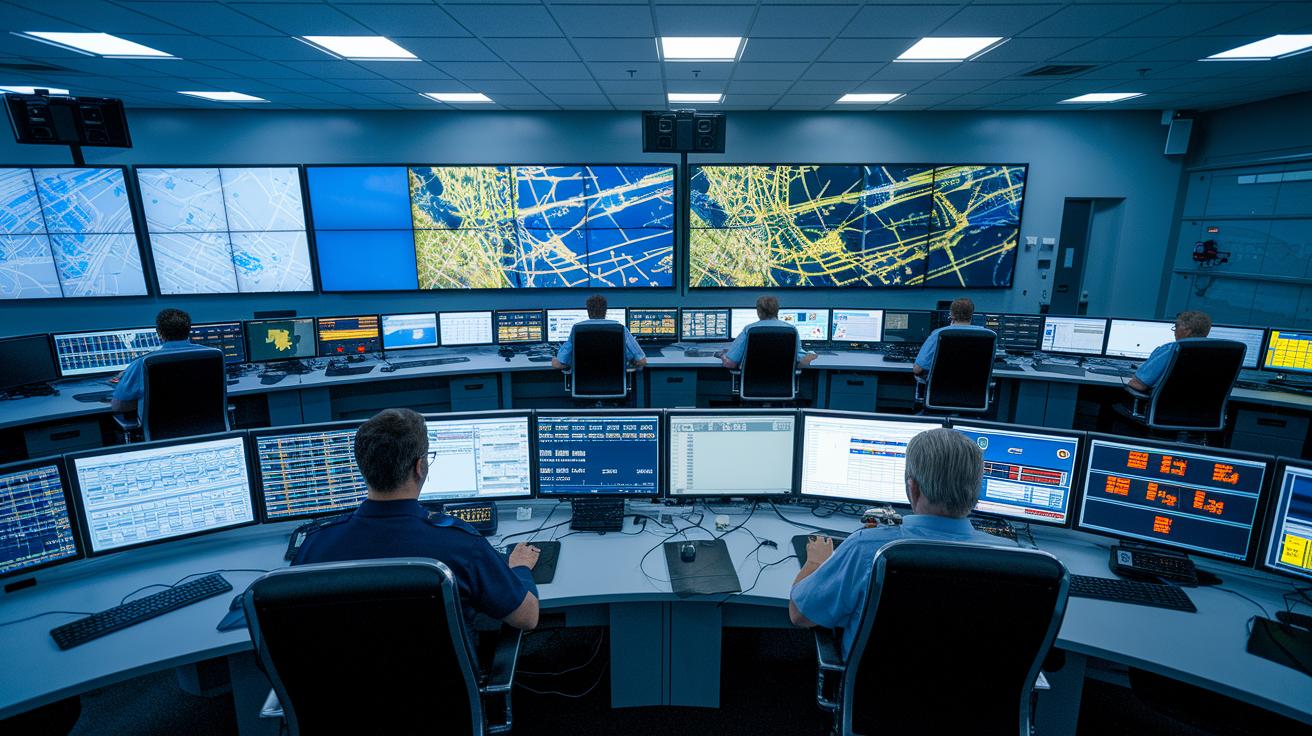
Dispatch centers connect central command with emergency crews in the field. They answer calls and quickly identify the nearest available unit to cut down on delays. They also work with traffic signals that clear the way for responders. This careful planning helps teams reach emergency scenes fast and safely.
Traffic systems let emergency vehicles pass through intersections by turning lights green as they approach. Sometimes, responders can safely use lanes going the opposite direction to speed up their trip. Trained drivers may exceed speed limits when it is safe to do so. These measures keep everyone moving efficiently while protecting the public.
Drivers on the road must move aside when they see emergency lights and hear sirens. On-site traffic rules help control the flow around incidents, reducing the risk of extra accidents. Together, these rules create a safer environment for both emergency teams and civilians during critical missions.
Innovations and Emerging Models in Emergency Response Fleets
Today, emergency vehicles are going green. Electric ambulances with zero-emission drivetrains are being introduced to lower costs and reduce pollution. Imagine an electric ambulance that rushes responders to an emergency while cutting emissions. These eco-friendly vehicles set new standards for both public safety and environmental care.
Rugged, off-road units are also on the rise. These vehicles are built on strong platforms to handle wildland fires and hard-to-reach spots. They come with enhanced suspension and powerful engines to tackle rough terrain. Thanks to new sensors and real-time communication tools, they send critical information back to dispatch centers. Picture a firetruck that uses built-in sensors to map unknown areas during an emergency.
Innovative designs use lightweight composite materials and eco-friendly interior finishes. These features boost fuel efficiency and reduce vehicle weight, helping them react faster on the road. Interior layouts are crafted to save energy even during long missions. This smart design shows how performance and sustainability can work together in emergency response fleets.
Procuring and Customizing Emergency Response Vehicles
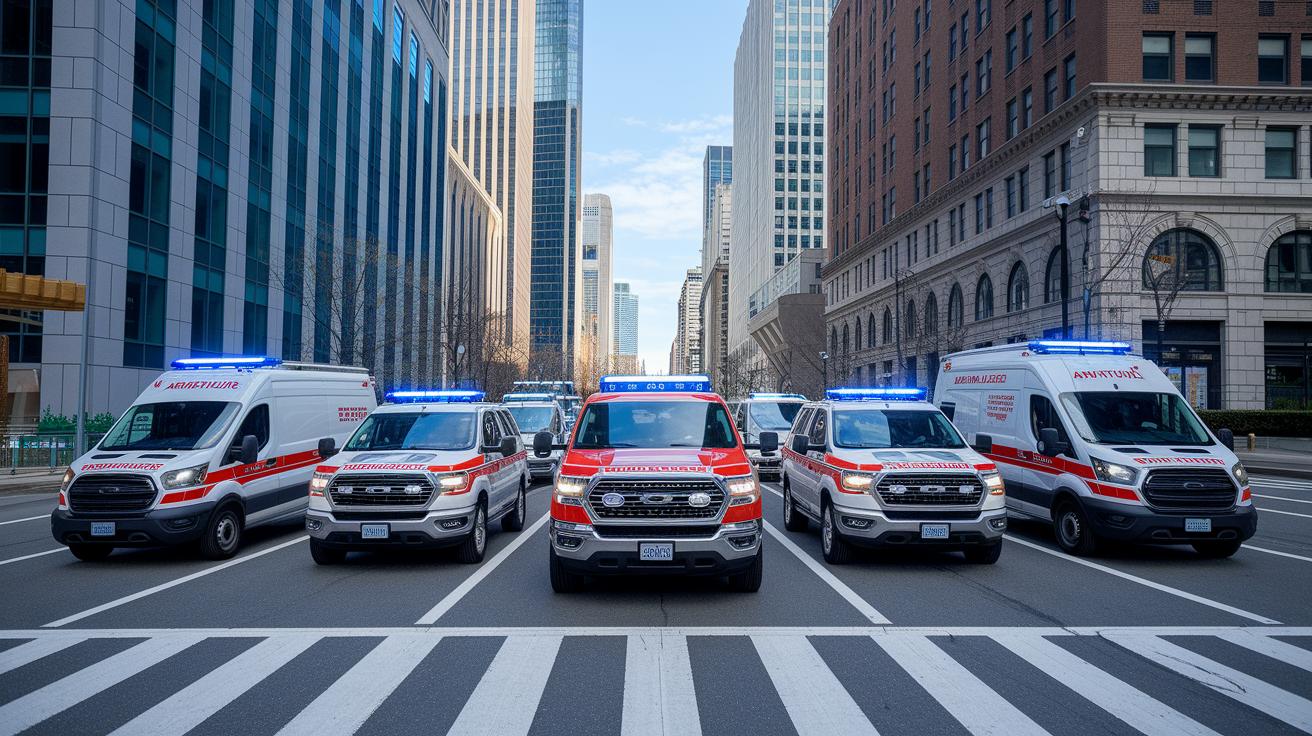
Agencies mix federal grants, state funds, and competitive bids to buy emergency vehicles. They often secure grant money from programs that boost public safety. By using open bidding and clear pricing, they get quality vehicles that meet strict safety tests and tough demands. This careful process sets clear standards for performance and durability. Using a variety of funds helps keep modern fleets ready for any challenge.
After buying the vehicles, agencies work closely with manufacturers to adjust each unit for specific needs. They choose setups for lighting, communications, and flexible interiors that can change quickly in an emergency. Teams from different agencies agree on common standards so vehicles work together smoothly. Manufacturers make sure each vehicle is safe, strong, and built for rough conditions. This detailed work creates reliable responders and speeds up emergency responses.
Final Words
In the action, we broke down the key points, defining vehicle types, explaining traffic overrides, detailing equipment, outlining operating protocols, and exploring emerging models and customization. Each section offers a clear look at how these vehicles keep communities safe, from speeding down busy streets to supporting crisis management.
This guide helps you grasp the roles and functions, ensuring you’re informed and ready. Stay positive and prepared when emergency response vehicles come into play.
FAQ
What are the types of emergency vehicles?
The types of emergency vehicles include police cars, fire trucks, ambulances, and rescue vehicles. Some agencies add mobile command units, making up to five distinct types for urgent response.
What names are given to emergency vehicles and what is the ER car called?
The term “ER car” often refers to an emergency response vehicle, which is also known as an ambulance, police car, fire truck, or rescue vehicle. Each name highlights its role in rapid, safe interventions.
Where can I find emergency response vehicles for sale?
Emergency response vehicles for sale are available through government contracts, public auctions, or specialized manufacturers that tailor vehicles for use by public safety agencies.
What does it mean when emergency vehicles are on the road?
When emergency vehicles are on the road, they are active response units from police, fire, or EMS. They use lights and sirens to warn traffic and clear the way for quick response.
What are rescue vehicles?
Rescue vehicles are specialized units designed for extracting and aiding individuals in dangerous situations. They are outfitted with tools and equipment for fast, safe rescue operations.
Where can I view emergency vehicles pictures?
Emergency vehicles pictures can be seen on official public safety websites, digital photo archives, and media outlets, offering clear visuals of these specially-equipped response units.
What is an emergency vehicle priority system?
An emergency vehicle priority system uses lights, sirens, and signal preemption technology to prompt drivers to yield. This system helps create clear paths for responders to reach emergencies quickly.
What sounds do emergency vehicles make?
Emergency vehicles make distinct sounds with high-decibel sirens and alert tones. These sounds signal urgency to motorists so they understand to yield and clear the traffic path.
What is a response vehicle?
A response vehicle is any emergency unit ready for rapid deployment in crises. It includes police cars, fire trucks, ambulances, and rescue vehicles that use lights and sirens to navigate safely through traffic.